Chubb Partners with U.S. Government on Maritime Insurance Facility
- Maritime Insurance Overview: Chubb, as the world's largest publicly traded property and casualty insurer, has partnered with the U.S. International Development Finance Corporation (DFC) to launch a $20 billion Maritime Reinsurance plan, where Chubb serves as the lead underwriter, reinforcing its leadership in the insurance market.
- Collaboration Background: Announced on March 11, this initiative aims to provide stronger risk management solutions for the maritime industry, helping clients navigate the evolving market landscape, thereby enhancing Chubb's competitiveness in the global insurance sector.
- Global Business Presence: Operating in 54 countries and territories, Chubb offers a diverse range of insurance products, including commercial and personal property insurance, accident, and health insurance, showcasing its robust market coverage and financial strength.
- Employee and Market Impact: With approximately 45,000 employees worldwide, this partnership not only enhances Chubb's market image but may also attract more clients, further solidifying its position within the S&P 500 index.
Trade with 70% Backtested Accuracy
Analyst Views on CB

About CB
About the author


Chubb Partners with U.S. Government to Launch Maritime Insurance Facility

- Maritime Insurance Facility Overview: Chubb, as the lead underwriter, partners with the U.S. International Development Finance Corporation (DFC) to launch a $20 billion maritime reinsurance plan aimed at restoring market confidence and facilitating global energy and commercial trade.
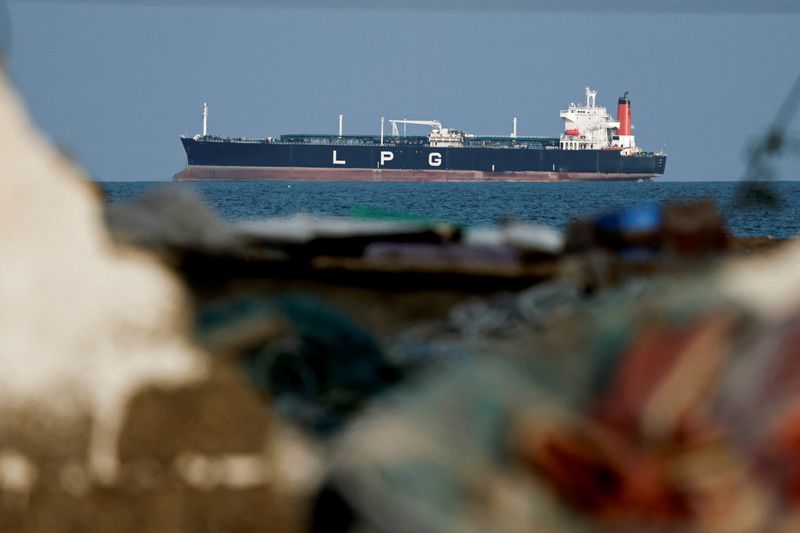
- Insurance Coverage Scope: The facility will provide marine risk insurance, including war hull and liability coverage, specifically for vessels meeting U.S. government criteria, particularly those transiting the Strait of Hormuz.
- Public-Private Partnership Model: This initiative represents a collaboration between Chubb, several prominent American insurance companies, and DFC, with participating insurers bringing extensive underwriting experience in marine and marine war coverage.
- Risk Management and Claims Handling: Chubb will manage the insurance facility, determine pricing and terms, assume risk, and handle all claims, ensuring comprehensive insurance services for eligible vessels and cargo.
Chubb Partners with U.S. Government on Maritime Insurance Facility
- Maritime Insurance Overview: Chubb, as the world's largest publicly traded property and casualty insurer, has partnered with the U.S. International Development Finance Corporation (DFC) to launch a $20 billion Maritime Reinsurance plan, where Chubb serves as the lead underwriter, reinforcing its leadership in the insurance market.
- Collaboration Background: Announced on March 11, this initiative aims to provide stronger risk management solutions for the maritime industry, helping clients navigate the evolving market landscape, thereby enhancing Chubb's competitiveness in the global insurance sector.
- Global Business Presence: Operating in 54 countries and territories, Chubb offers a diverse range of insurance products, including commercial and personal property insurance, accident, and health insurance, showcasing its robust market coverage and financial strength.
- Employee and Market Impact: With approximately 45,000 employees worldwide, this partnership not only enhances Chubb's market image but may also attract more clients, further solidifying its position within the S&P 500 index.
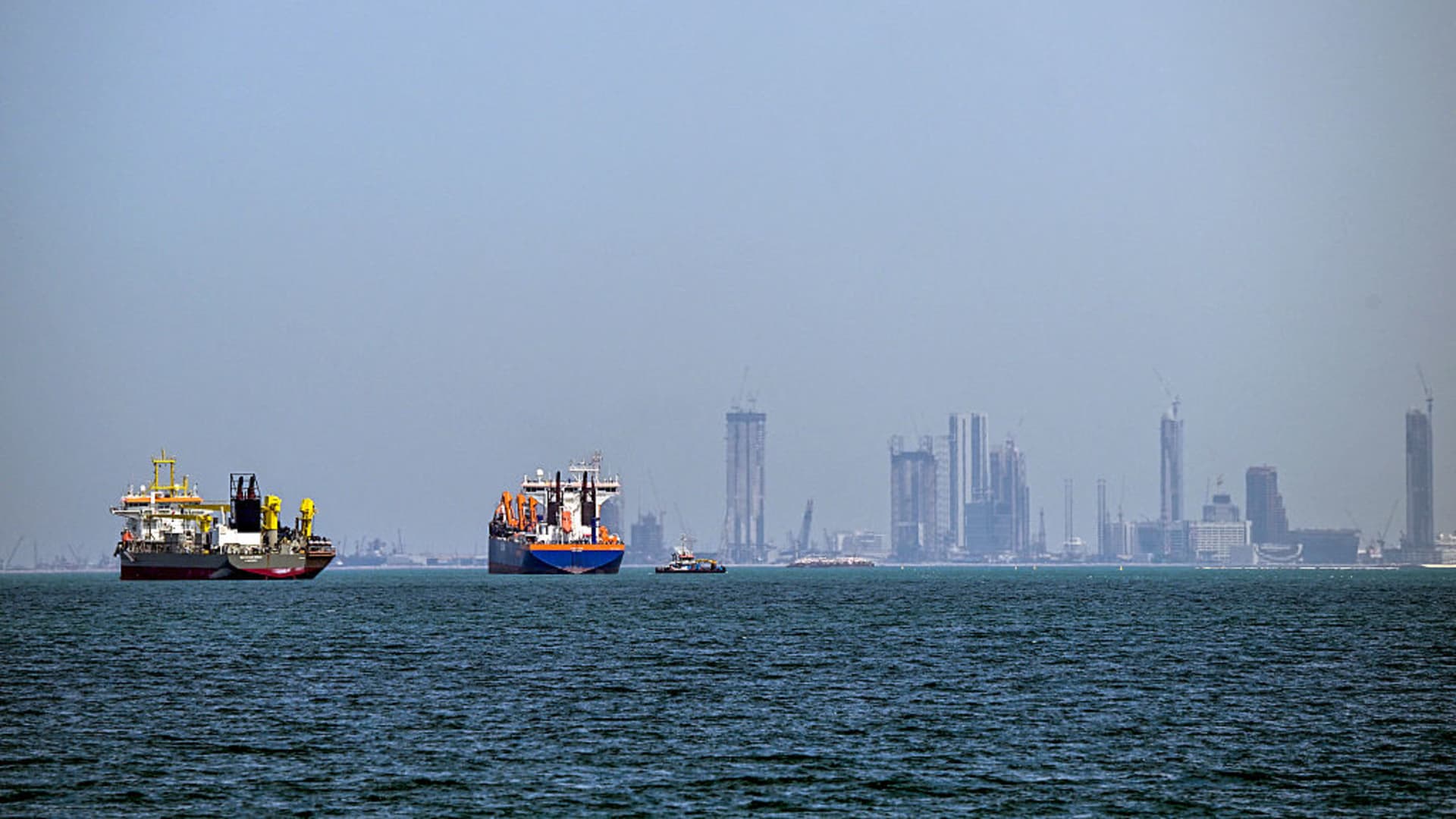
Strait of Hormuz Blockade Raises Global Oil Supply Concerns


- Shipping Traffic Plummets: Since the onset of the conflict on February 28, only 21 tankers have transited the Strait of Hormuz, a drastic drop from over 100 daily before the war, potentially leading to soaring global oil prices and a supply crisis.
- Chinese Vessel Transit: During the conflict, 11 China-linked vessels successfully navigated the Strait, despite state-owned Cosco Shipping suspending new bookings, indicating a strategic shift in China's shipping approach to mitigate risks in the region.
- Random Attacks Heighten Uncertainty: The International Maritime Organization reports that at least 16 vessels have been struck near the UAE and Iraq, with attacks lacking a discernible pattern, increasing shipping uncertainty and forcing shipowners to seek alternative routes.
- Congestion on Alternative Routes: At the war's onset, 81 container ships were bound for the Strait, with 43 rerouting to other ports, causing significant congestion in alternative hubs like Fujairah and Sohar, thereby impacting global supply chain efficiency.
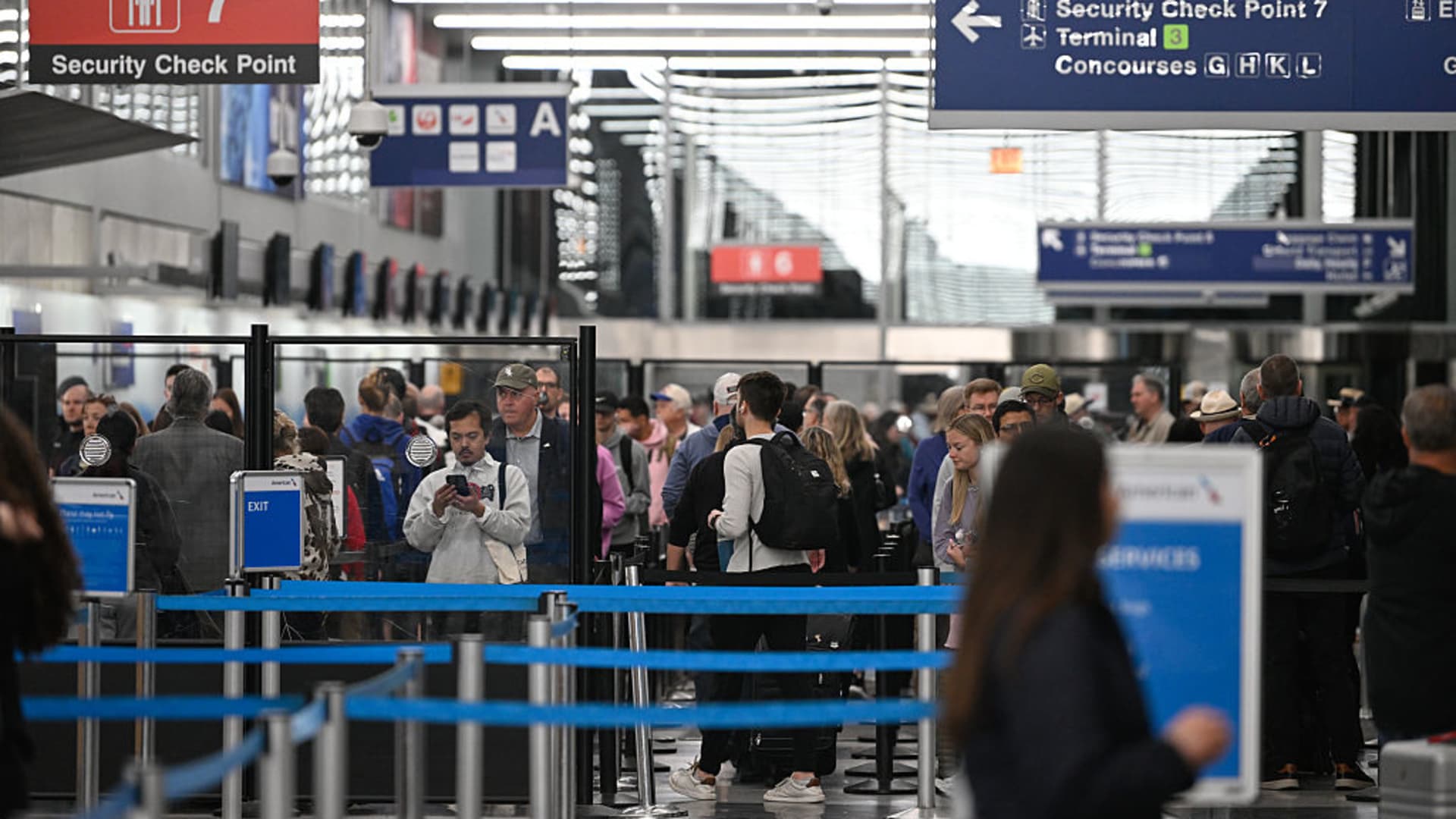
Travel Disruptions in 2026 and How to Mitigate Them

- Causes of Travel Disruptions: Early 2026 has seen significant flight cancellations affecting tens of thousands of travelers due to the Iran war, cartel violence in Mexico, and U.S. military operations in Venezuela, highlighting the direct impact of global events on the airline industry.
- Risks of Layover Flights: While choosing layover flights can save travelers about 22% on ticket prices, travel advisors recommend prioritizing nonstop flights to avoid the risk of missing subsequent connections due to delays, thereby reducing overall travel risk.
- Necessity of Refundable Tickets: Amid heightened uncertainty, travel advisors suggest purchasing refundable tickets, which, despite being more expensive, offer greater flexibility, especially when flights are canceled or itineraries change, making full refunds crucial in such scenarios.
- Importance of Travel Insurance: Experts emphasize that buying travel insurance is an effective way to protect travelers financially, particularly “cancel for any reason” policies, which, although costly, provide greater flexibility and security in the face of the current unstable international situation.

Want to Protect Your Portfolio? Begin with These 3 Stocks


Insurance Sector Resilience: The insurance industry, particularly companies like Chubb, Progressive, and Arch Capital, has shown strong financial results and resilience, driven by steady premium collections and disciplined underwriting practices.
Investment Growth: These companies are attracting investor attention due to their ability to generate significant investment income, with Chubb reporting a record net income of $10.3 billion and Progressive achieving a 12% increase in net premiums.
Market Positioning: Progressive has leveraged technology to enhance its pricing precision in auto insurance, resulting in impressive market share growth, while Arch Capital focuses on specialty insurance markets, leading to strong profitability.
Investor Appeal: Despite some analysts rating these stocks as "Hold," their combination of stability and long-term profitability potential makes them attractive options for investors seeking resilience in uncertain market conditions.
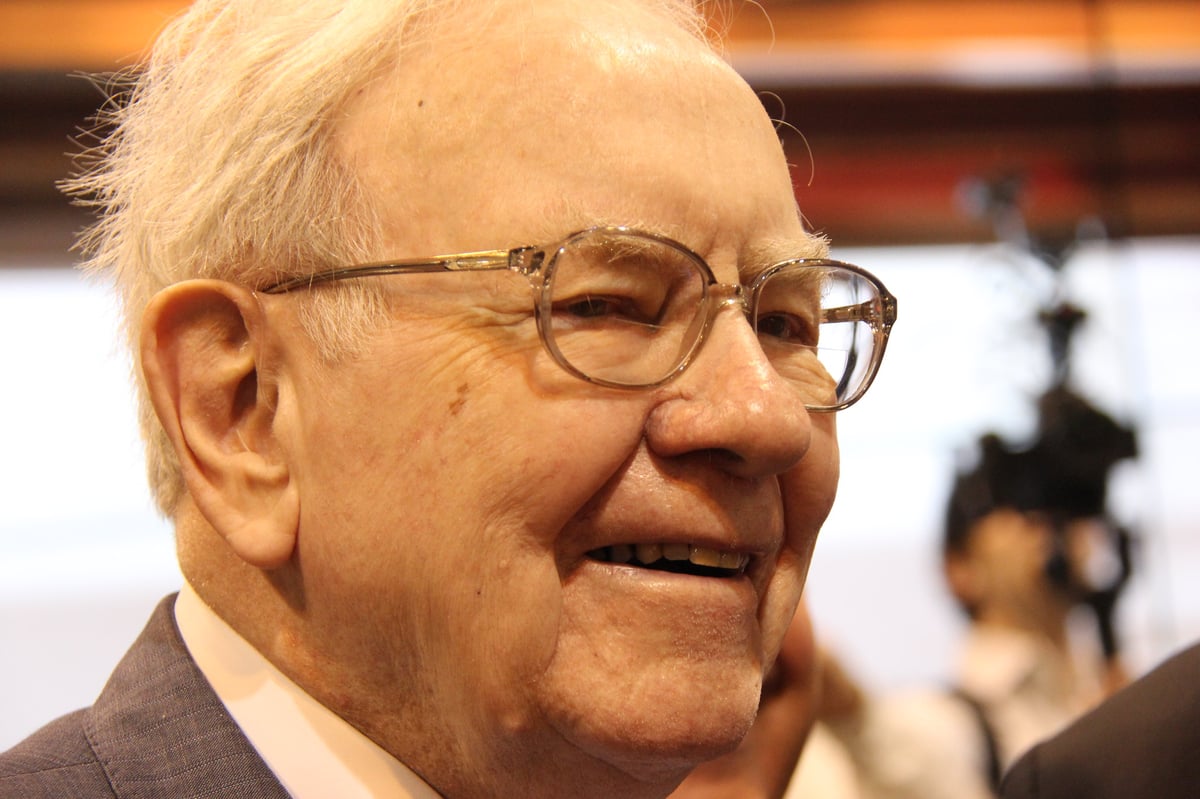
Buffett Retires, Abel Takes Over Berkshire Hathaway

- Succession Plan: Buffett retired in 2025, with successor Abel indicating in a shareholder letter that he won't make significant changes to Berkshire's corporate structure or its $311 billion stock portfolio, suggesting a stable investment strategy that retains key stakes in companies like Apple and Coca-Cola.
- Chubb Insurance Growth: Berkshire's 8.8% stake in Swiss insurer Chubb, valued at approximately $10.9 billion, saw net premiums increase by 6.3% to $53 billion last year, with the CEO anticipating sustained double-digit earnings growth, highlighting strong investment potential.
- Alphabet's Outlook: Alphabet's stock has risen over 82% in the past year, with Berkshire holding a 0.3% stake worth nearly $5.5 billion; despite AI disruption concerns, continued strong earnings growth could lead to further stock price increases.
- Kraft Heinz Strategy: Berkshire's opposition to Kraft Heinz's split plan has led to its suspension, allowing Berkshire to maintain its 27.5% stake; despite current losses, a $600 million investment in marketing and R&D could drive a rebound in stock price and profitability.
Chubb Partners with U.S. Government to Launch Maritime Insurance Facility
- Maritime Insurance Facility Overview: Chubb, as the lead underwriter, partners with the U.S. International Development Finance Corporation (DFC) to launch a $20 billion maritime reinsurance plan aimed at restoring market confidence and facilitating global energy and commercial trade.
- Insurance Coverage Scope: The facility will provide marine risk insurance, including war hull and liability coverage, specifically for vessels meeting U.S. government criteria, particularly those transiting the Strait of Hormuz.
- Public-Private Partnership Model: This initiative represents a collaboration between Chubb, several prominent American insurance companies, and DFC, with participating insurers bringing extensive underwriting experience in marine and marine war coverage.
- Risk Management and Claims Handling: Chubb will manage the insurance facility, determine pricing and terms, assume risk, and handle all claims, ensuring comprehensive insurance services for eligible vessels and cargo.
Chubb Partners with U.S. Government on Maritime Insurance Facility
- Maritime Insurance Overview: Chubb, as the world's largest publicly traded property and casualty insurer, has partnered with the U.S. International Development Finance Corporation (DFC) to launch a $20 billion Maritime Reinsurance plan, where Chubb serves as the lead underwriter, reinforcing its leadership in the insurance market.
- Collaboration Background: Announced on March 11, this initiative aims to provide stronger risk management solutions for the maritime industry, helping clients navigate the evolving market landscape, thereby enhancing Chubb's competitiveness in the global insurance sector.
- Global Business Presence: Operating in 54 countries and territories, Chubb offers a diverse range of insurance products, including commercial and personal property insurance, accident, and health insurance, showcasing its robust market coverage and financial strength.
- Employee and Market Impact: With approximately 45,000 employees worldwide, this partnership not only enhances Chubb's market image but may also attract more clients, further solidifying its position within the S&P 500 index.
Strait of Hormuz Blockade Raises Global Oil Supply Concerns
- Shipping Traffic Plummets: Since the onset of the conflict on February 28, only 21 tankers have transited the Strait of Hormuz, a drastic drop from over 100 daily before the war, potentially leading to soaring global oil prices and a supply crisis.
- Chinese Vessel Transit: During the conflict, 11 China-linked vessels successfully navigated the Strait, despite state-owned Cosco Shipping suspending new bookings, indicating a strategic shift in China's shipping approach to mitigate risks in the region.
- Random Attacks Heighten Uncertainty: The International Maritime Organization reports that at least 16 vessels have been struck near the UAE and Iraq, with attacks lacking a discernible pattern, increasing shipping uncertainty and forcing shipowners to seek alternative routes.
- Congestion on Alternative Routes: At the war's onset, 81 container ships were bound for the Strait, with 43 rerouting to other ports, causing significant congestion in alternative hubs like Fujairah and Sohar, thereby impacting global supply chain efficiency.
Travel Disruptions in 2026 and How to Mitigate Them
- Causes of Travel Disruptions: Early 2026 has seen significant flight cancellations affecting tens of thousands of travelers due to the Iran war, cartel violence in Mexico, and U.S. military operations in Venezuela, highlighting the direct impact of global events on the airline industry.
- Risks of Layover Flights: While choosing layover flights can save travelers about 22% on ticket prices, travel advisors recommend prioritizing nonstop flights to avoid the risk of missing subsequent connections due to delays, thereby reducing overall travel risk.
- Necessity of Refundable Tickets: Amid heightened uncertainty, travel advisors suggest purchasing refundable tickets, which, despite being more expensive, offer greater flexibility, especially when flights are canceled or itineraries change, making full refunds crucial in such scenarios.
- Importance of Travel Insurance: Experts emphasize that buying travel insurance is an effective way to protect travelers financially, particularly “cancel for any reason” policies, which, although costly, provide greater flexibility and security in the face of the current unstable international situation.
Want to Protect Your Portfolio? Begin with These 3 Stocks
Insurance Sector Resilience: The insurance industry, particularly companies like Chubb, Progressive, and Arch Capital, has shown strong financial results and resilience, driven by steady premium collections and disciplined underwriting practices.
Investment Growth: These companies are attracting investor attention due to their ability to generate significant investment income, with Chubb reporting a record net income of $10.3 billion and Progressive achieving a 12% increase in net premiums.
Market Positioning: Progressive has leveraged technology to enhance its pricing precision in auto insurance, resulting in impressive market share growth, while Arch Capital focuses on specialty insurance markets, leading to strong profitability.
Investor Appeal: Despite some analysts rating these stocks as "Hold," their combination of stability and long-term profitability potential makes them attractive options for investors seeking resilience in uncertain market conditions.
Buffett Retires, Abel Takes Over Berkshire Hathaway
- Succession Plan: Buffett retired in 2025, with successor Abel indicating in a shareholder letter that he won't make significant changes to Berkshire's corporate structure or its $311 billion stock portfolio, suggesting a stable investment strategy that retains key stakes in companies like Apple and Coca-Cola.
- Chubb Insurance Growth: Berkshire's 8.8% stake in Swiss insurer Chubb, valued at approximately $10.9 billion, saw net premiums increase by 6.3% to $53 billion last year, with the CEO anticipating sustained double-digit earnings growth, highlighting strong investment potential.
- Alphabet's Outlook: Alphabet's stock has risen over 82% in the past year, with Berkshire holding a 0.3% stake worth nearly $5.5 billion; despite AI disruption concerns, continued strong earnings growth could lead to further stock price increases.
- Kraft Heinz Strategy: Berkshire's opposition to Kraft Heinz's split plan has led to its suspension, allowing Berkshire to maintain its 27.5% stake; despite current losses, a $600 million investment in marketing and R&D could drive a rebound in stock price and profitability.