China's Economy Starts Strong with Consumption and Production Exceeding Expectations
Written by Emily J. Thompson, Senior Investment Analyst
Updated: 1 hour ago
0mins
Should l Buy CAAS?
Source: CNBC
- Retail Sales Growth: According to the National Statistics Bureau, retail sales rose 2.8% year-on-year in the first two months of this year, surpassing economists' forecast of 2.5%, although this marks a slowdown from the 4% growth in the same period of 2025, indicating resilience in consumer spending and potential growth momentum.
- Industrial Output Highlight: Industrial output increased by 6.3% year-on-year, exceeding the 5% forecast from a Reuters poll, suggesting that resilient external demand, particularly from Europe and Southeast Asia, continues to support China's economic recovery and boosts confidence in the manufacturing sector.
- Fixed Asset Investment Status: Fixed asset investment grew by 1.8% year-on-year, improving from the expected 2.1% decline, despite real estate development investment still falling by 11.1%; however, investment in infrastructure and manufacturing rose by 5.2%, signaling positive signs of economic structural adjustment.
- Slight Increase in Unemployment Rate: Official data shows that the urban unemployment rate stood at 5.3% in the first two months of this year, up from 5.1% in December, reflecting ongoing employment pressures amid the economic recovery, particularly against the backdrop of the real estate crisis.
Trade with 70% Backtested Accuracy
Stop guessing "Should I Buy CAAS?" and start using high-conviction signals backed by rigorous historical data.
Sign up today to access powerful investing tools and make smarter, data-driven decisions.
Analyst Views on CAAS
About CAAS
China Automotive Systems Inc is a holding company principally engaged in the manufacture and sale of automotive systems and components. The Company’s main products include rack and pinion power steering, integral power steering, electronic power steering and manual steering, steering columns, steering oil pumps and steering hoses. The Company's major customers include FAW Group, Dongfeng Auto Group Co., Ltd, BYD Auto Co., Ltd, as well as Stellar Group and Ford Motor Company in North America. The Company primarily operates its businesses in the domestic and overseas markets.
About the author

Emily J. Thompson
Emily J. Thompson, a Chartered Financial Analyst (CFA) with 12 years in investment research, graduated with honors from the Wharton School. Specializing in industrial and technology stocks, she provides in-depth analysis for Intellectia’s earnings and market brief reports.
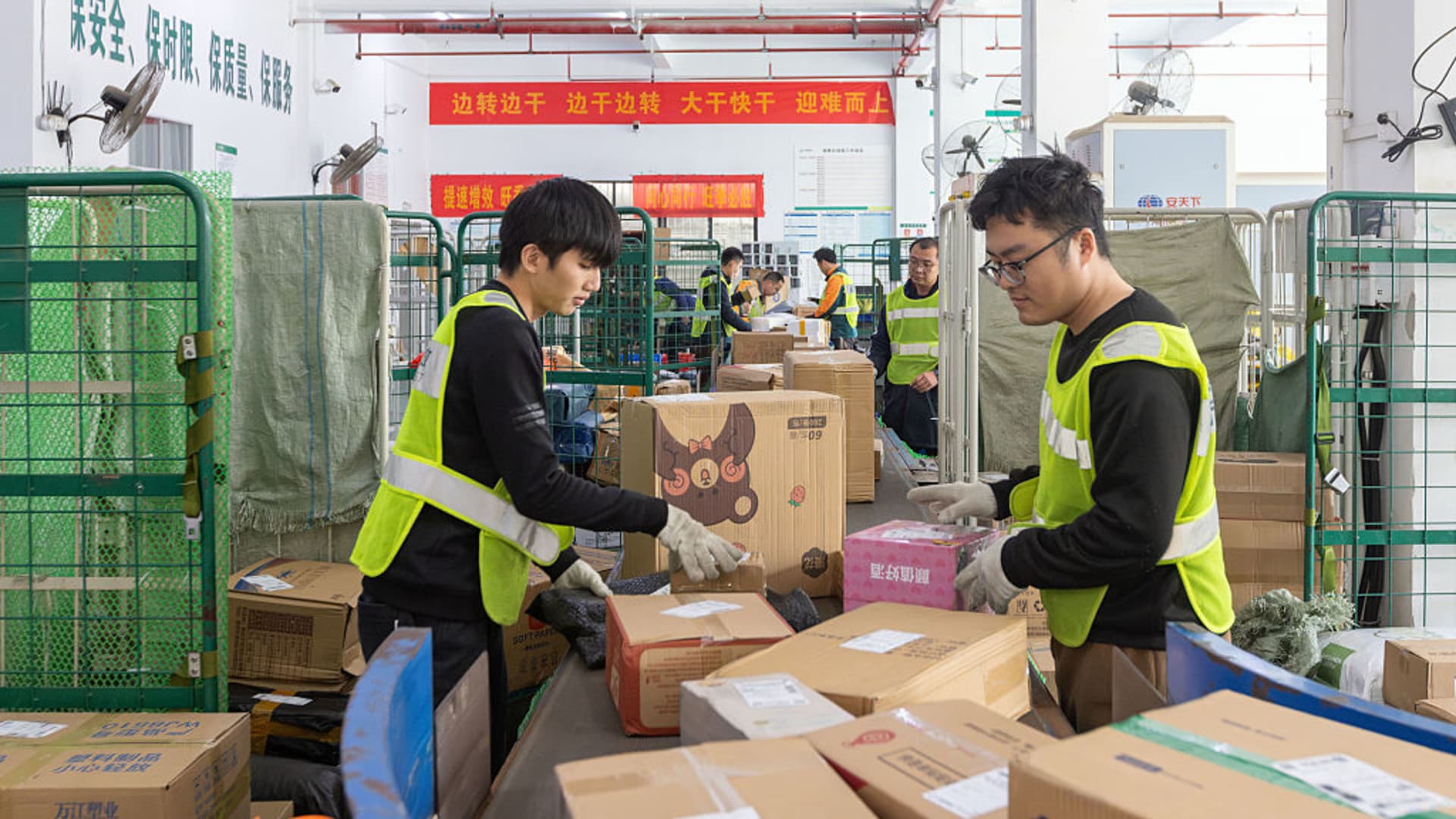
China's Economy Starts Strong with Consumption and Production Exceeding Expectations

- Retail Sales Growth: According to the National Statistics Bureau, retail sales rose 2.8% year-on-year in the first two months of this year, surpassing economists' forecast of 2.5%, although this marks a slowdown from the 4% growth in the same period of 2025, indicating resilience in consumer spending and potential growth momentum.
- Industrial Output Highlight: Industrial output increased by 6.3% year-on-year, exceeding the 5% forecast from a Reuters poll, suggesting that resilient external demand, particularly from Europe and Southeast Asia, continues to support China's economic recovery and boosts confidence in the manufacturing sector.
- Fixed Asset Investment Status: Fixed asset investment grew by 1.8% year-on-year, improving from the expected 2.1% decline, despite real estate development investment still falling by 11.1%; however, investment in infrastructure and manufacturing rose by 5.2%, signaling positive signs of economic structural adjustment.
- Slight Increase in Unemployment Rate: Official data shows that the urban unemployment rate stood at 5.3% in the first two months of this year, up from 5.1% in December, reflecting ongoing employment pressures amid the economic recovery, particularly against the backdrop of the real estate crisis.
See More
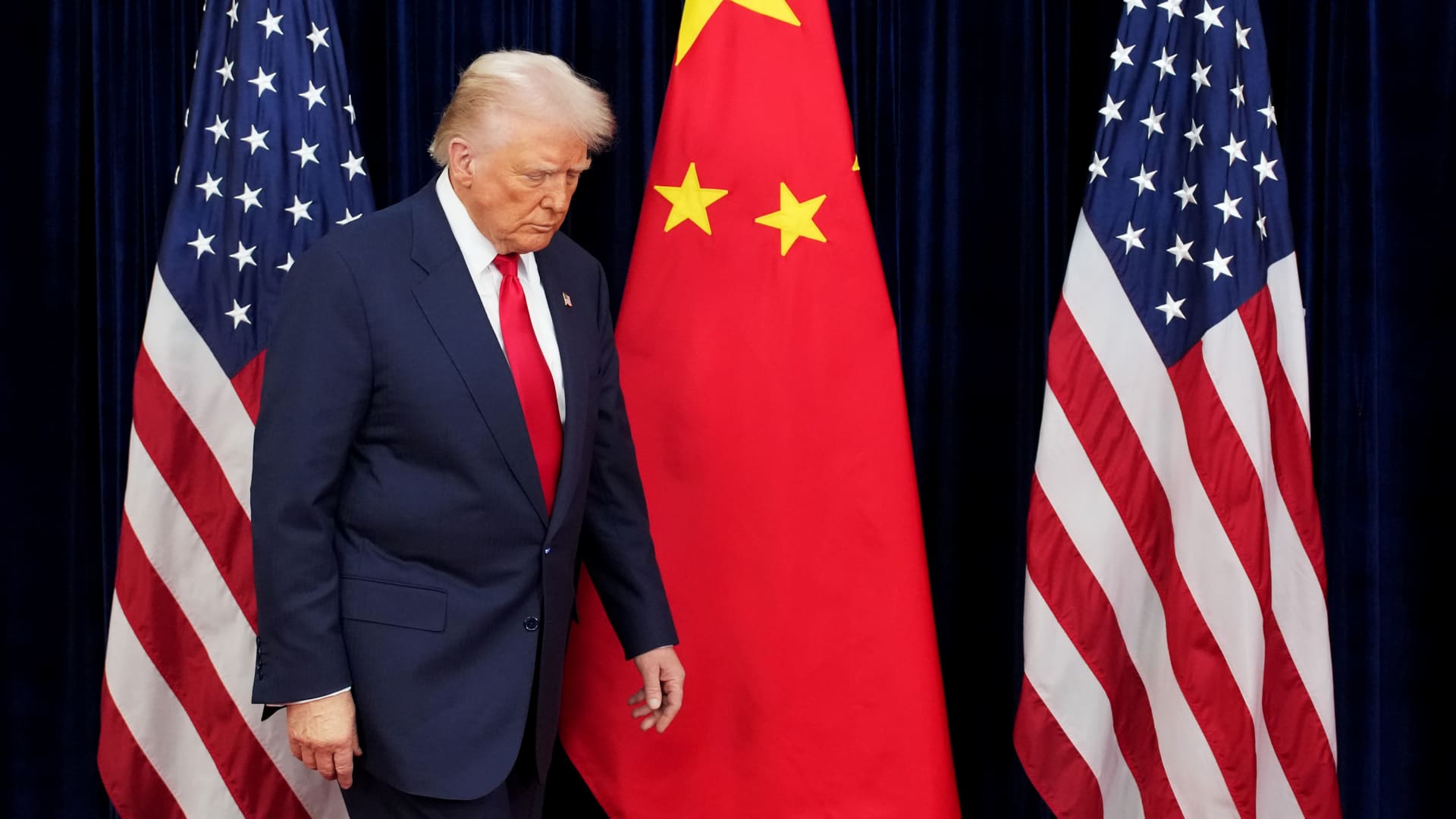
Trump's China Visit May Be Delayed Over Hormuz Strait Issues

- Tensions in US-China Relations: Trump indicated that his planned trip to China at the end of March could be delayed as Washington seeks Beijing's help to reopen the Strait of Hormuz, highlighting the fragility and complexity of bilateral relations.
- Energy Dependency Issues: Trump noted that about 90% of China's oil is sourced through the Strait, emphasizing Beijing's cooperation as a matter of self-interest; however, data shows that China has diversified its energy sources, reducing its reliance on the strait.
- Escalation of Trade Investigations: The U.S. has launched trade investigations against multiple countries over alleged excess capacity and forced labor, further intensifying trade tensions ahead of the high-stakes summit, which could impact negotiations.
- China's Countermeasures: China's Ministry of Commerce strongly opposed the U.S. investigations, labeling them as
See More

Trump Expects China to Assist in Unblocking Strait of Hormuz

- Tensions in US-China Relations: In an interview with the Financial Times, Trump indicated that he expects China to assist in unblocking the Strait of Hormuz before his summit with Xi Jinping, reflecting increased pressure from both sides ahead of the high-stakes meeting.
- Energy Dependency Concerns: Trump noted that about 90% of China's oil passes through the Strait, framing Beijing's cooperation as a matter of self-interest; however, data suggests that China has diversified its energy sources, reducing its reliance on the strait.
- Escalation of Trade Investigations: The U.S. has launched trade investigations into several countries over alleged excess capacity and forced labor, exacerbating tensions in bilateral relations, with China's commerce ministry expressing strong discontent and labeling the investigations as unilateral and discriminatory.
- Uncertain Summit Schedule: Trump mentioned that his planned trip to China from March 31 to April 2 might be delayed due to U.S. pressure on China, indicating that consensus has yet to be reached before the summit, which adds uncertainty to future negotiations.
See More

Global Responses to Energy Crisis from Iran War


- China's Fuel Export Ban: In response to potential domestic fuel shortages, China's National Development and Reform Commission has ordered a halt to exports of gasoline, diesel, and aviation fuel, reflecting the government's strong emphasis on energy security and stability in the domestic market.
- Japan's Price Cap Measures: Japanese Prime Minister Sanae Takaichi announced plans to cap gasoline prices at 170 yen ($1.07) per liter nationwide to alleviate economic pressures from rising energy costs, with expectations that prices could reach 200 yen per liter, indicating the government's concern for public welfare.
- South Korea's Oil Price Ceiling: South Korean President Lee Jae Myung stated that the government has implemented a price ceiling on petroleum to curb wild fluctuations in domestic fuel prices due to unstable international conditions, aiming to protect consumers and stabilize the market.
- India's LPG Supply Priority: The Indian government has instructed oil refineries to prioritize supplying liquefied petroleum gas to 330 million households for cooking, over 3 million businesses using commercial LPG cylinders, demonstrating the government's focus on addressing household energy needs amid the crisis.
See More
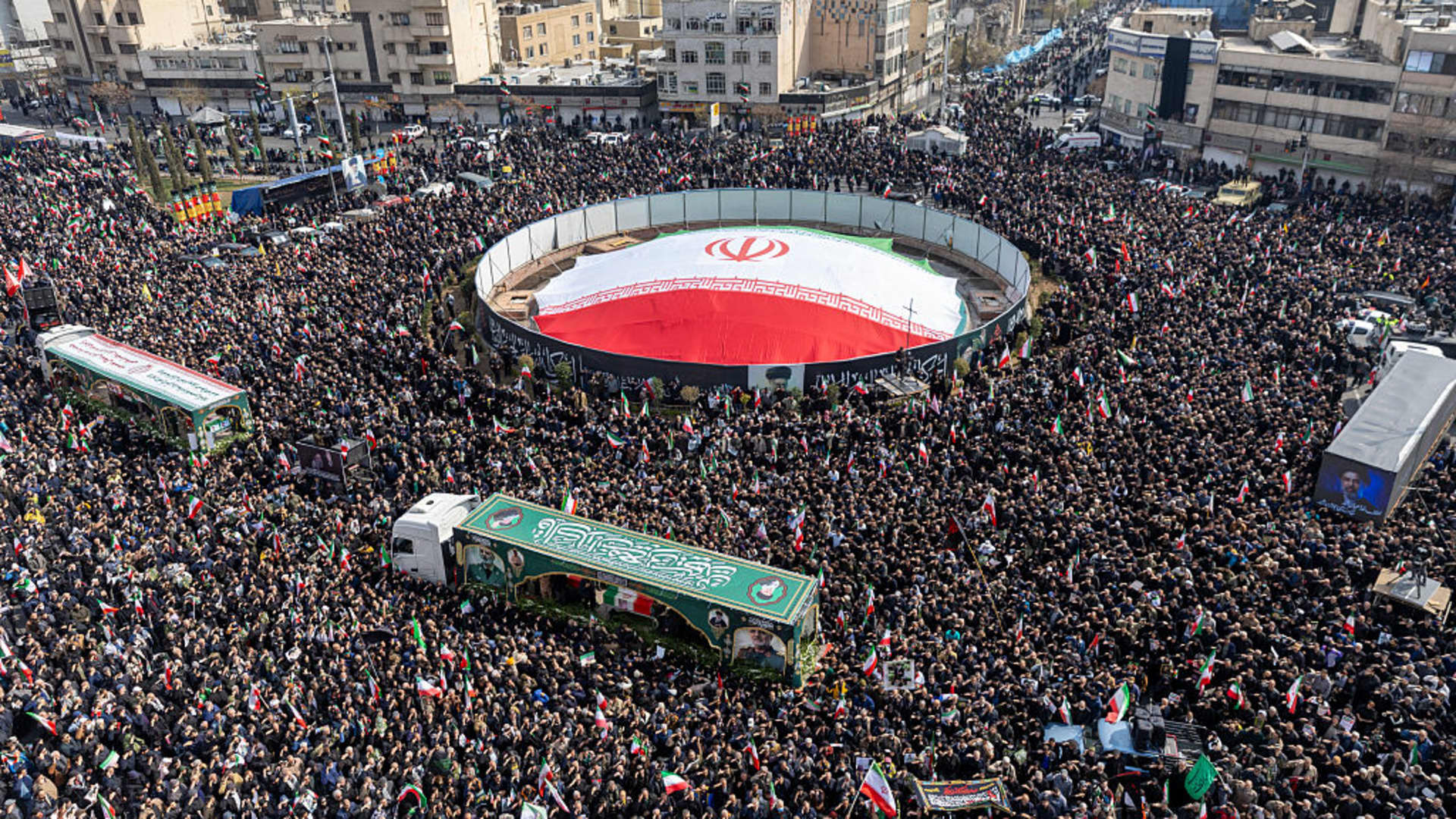
Russia's Strategic Relationship with Iran Amid Conflict

- Support for Iran: Russian Ambassador Andrey Kelin expressed strong sympathy for Iran, stating that Russia has a strategic partnership with Tehran, which may influence regional stability amid escalating Middle East tensions.
- Questioning U.S. Policy: Kelin raised doubts about the clarity of U.S. objectives and exit strategies in its military actions against Iran, suggesting that this ambiguity could undermine international trust in U.S. policies and diminish its influence in the Middle East.
- Impact of Ukraine Situation: Kelin noted that the ongoing tensions in Ukraine hinder U.S. efforts to mediate the Iran conflict, potentially allowing Russia's military actions in Ukraine to continue, which could exacerbate regional tensions further.
- Shifts in Energy Flows: As the war in Iran disrupts energy flows, Russia may gain a larger advantage in the global energy market, particularly through its cooperation with China, indicating an increasing significance of Russia in the global energy supply chain.
See More
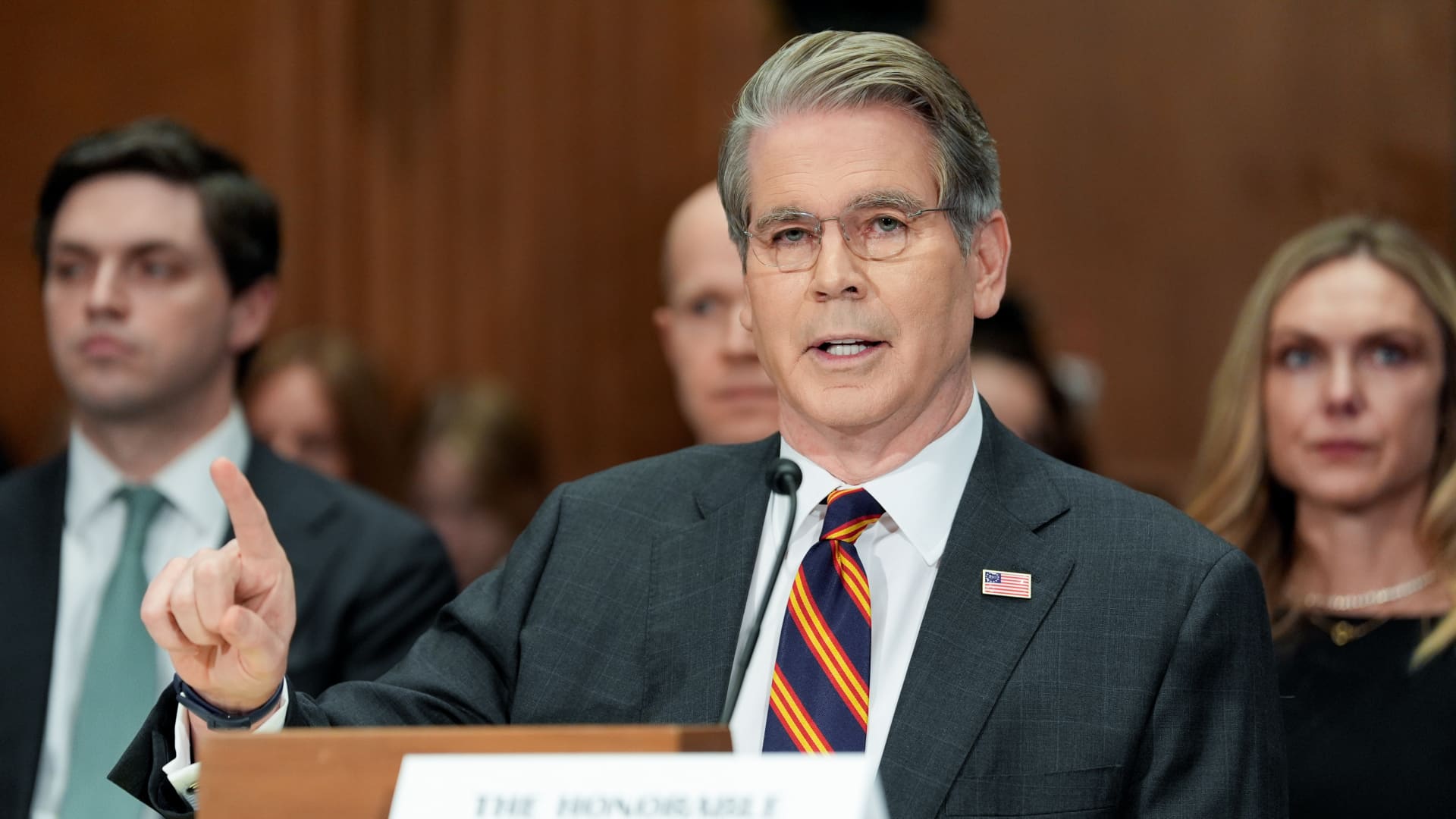
US Launches Trade Investigations into 60 Economies for Forced Labor

- Trade Investigations Launched: The U.S. initiated new trade investigations into 60 economies on Thursday to assess whether they have failed to curb imports of goods made with forced labor, a move that could impact trade relations with countries like China and the EU.
- Legal Basis: These investigations are conducted under Section 301(b) of the Trade Act of 1974, allowing the U.S. to impose tariffs on countries found engaging in unfair trade practices without congressional authorization, reflecting a tough stance in U.S. trade policy.
- International Response: The U.S. Trade Representative stated that despite international consensus against forced labor, governments have inadequately enforced bans on such goods, which could negatively affect U.S. workers and businesses.
- Impact on Future Negotiations: Launching these investigations just before the upcoming Trump-Xi meeting may affect the negotiation atmosphere, with experts suggesting that unilateral measures could hinder consensus, emphasizing the need for cooperative solutions.
See More
China's Economy Starts Strong with Consumption and Production Exceeding Expectations
- Retail Sales Growth: According to the National Statistics Bureau, retail sales rose 2.8% year-on-year in the first two months of this year, surpassing economists' forecast of 2.5%, although this marks a slowdown from the 4% growth in the same period of 2025, indicating resilience in consumer spending and potential growth momentum.
- Industrial Output Highlight: Industrial output increased by 6.3% year-on-year, exceeding the 5% forecast from a Reuters poll, suggesting that resilient external demand, particularly from Europe and Southeast Asia, continues to support China's economic recovery and boosts confidence in the manufacturing sector.
- Fixed Asset Investment Status: Fixed asset investment grew by 1.8% year-on-year, improving from the expected 2.1% decline, despite real estate development investment still falling by 11.1%; however, investment in infrastructure and manufacturing rose by 5.2%, signaling positive signs of economic structural adjustment.
- Slight Increase in Unemployment Rate: Official data shows that the urban unemployment rate stood at 5.3% in the first two months of this year, up from 5.1% in December, reflecting ongoing employment pressures amid the economic recovery, particularly against the backdrop of the real estate crisis.
See More
Trump's China Visit May Be Delayed Over Hormuz Strait Issues
- Tensions in US-China Relations: Trump indicated that his planned trip to China at the end of March could be delayed as Washington seeks Beijing's help to reopen the Strait of Hormuz, highlighting the fragility and complexity of bilateral relations.
- Energy Dependency Issues: Trump noted that about 90% of China's oil is sourced through the Strait, emphasizing Beijing's cooperation as a matter of self-interest; however, data shows that China has diversified its energy sources, reducing its reliance on the strait.
- Escalation of Trade Investigations: The U.S. has launched trade investigations against multiple countries over alleged excess capacity and forced labor, further intensifying trade tensions ahead of the high-stakes summit, which could impact negotiations.
- China's Countermeasures: China's Ministry of Commerce strongly opposed the U.S. investigations, labeling them as
See More
Trump Expects China to Assist in Unblocking Strait of Hormuz
- Tensions in US-China Relations: In an interview with the Financial Times, Trump indicated that he expects China to assist in unblocking the Strait of Hormuz before his summit with Xi Jinping, reflecting increased pressure from both sides ahead of the high-stakes meeting.
- Energy Dependency Concerns: Trump noted that about 90% of China's oil passes through the Strait, framing Beijing's cooperation as a matter of self-interest; however, data suggests that China has diversified its energy sources, reducing its reliance on the strait.
- Escalation of Trade Investigations: The U.S. has launched trade investigations into several countries over alleged excess capacity and forced labor, exacerbating tensions in bilateral relations, with China's commerce ministry expressing strong discontent and labeling the investigations as unilateral and discriminatory.
- Uncertain Summit Schedule: Trump mentioned that his planned trip to China from March 31 to April 2 might be delayed due to U.S. pressure on China, indicating that consensus has yet to be reached before the summit, which adds uncertainty to future negotiations.
See More
Global Responses to Energy Crisis from Iran War
- China's Fuel Export Ban: In response to potential domestic fuel shortages, China's National Development and Reform Commission has ordered a halt to exports of gasoline, diesel, and aviation fuel, reflecting the government's strong emphasis on energy security and stability in the domestic market.
- Japan's Price Cap Measures: Japanese Prime Minister Sanae Takaichi announced plans to cap gasoline prices at 170 yen ($1.07) per liter nationwide to alleviate economic pressures from rising energy costs, with expectations that prices could reach 200 yen per liter, indicating the government's concern for public welfare.
- South Korea's Oil Price Ceiling: South Korean President Lee Jae Myung stated that the government has implemented a price ceiling on petroleum to curb wild fluctuations in domestic fuel prices due to unstable international conditions, aiming to protect consumers and stabilize the market.
- India's LPG Supply Priority: The Indian government has instructed oil refineries to prioritize supplying liquefied petroleum gas to 330 million households for cooking, over 3 million businesses using commercial LPG cylinders, demonstrating the government's focus on addressing household energy needs amid the crisis.
See More
Russia's Strategic Relationship with Iran Amid Conflict
- Support for Iran: Russian Ambassador Andrey Kelin expressed strong sympathy for Iran, stating that Russia has a strategic partnership with Tehran, which may influence regional stability amid escalating Middle East tensions.
- Questioning U.S. Policy: Kelin raised doubts about the clarity of U.S. objectives and exit strategies in its military actions against Iran, suggesting that this ambiguity could undermine international trust in U.S. policies and diminish its influence in the Middle East.
- Impact of Ukraine Situation: Kelin noted that the ongoing tensions in Ukraine hinder U.S. efforts to mediate the Iran conflict, potentially allowing Russia's military actions in Ukraine to continue, which could exacerbate regional tensions further.
- Shifts in Energy Flows: As the war in Iran disrupts energy flows, Russia may gain a larger advantage in the global energy market, particularly through its cooperation with China, indicating an increasing significance of Russia in the global energy supply chain.
See More
US Launches Trade Investigations into 60 Economies for Forced Labor
- Trade Investigations Launched: The U.S. initiated new trade investigations into 60 economies on Thursday to assess whether they have failed to curb imports of goods made with forced labor, a move that could impact trade relations with countries like China and the EU.
- Legal Basis: These investigations are conducted under Section 301(b) of the Trade Act of 1974, allowing the U.S. to impose tariffs on countries found engaging in unfair trade practices without congressional authorization, reflecting a tough stance in U.S. trade policy.
- International Response: The U.S. Trade Representative stated that despite international consensus against forced labor, governments have inadequately enforced bans on such goods, which could negatively affect U.S. workers and businesses.
- Impact on Future Negotiations: Launching these investigations just before the upcoming Trump-Xi meeting may affect the negotiation atmosphere, with experts suggesting that unilateral measures could hinder consensus, emphasizing the need for cooperative solutions.
See More