China's AI Job Market Remains Relatively Stable Amid U.S. Layoffs
Written by Emily J. Thompson, Senior Investment Analyst
Updated: Apr 07 2026
0mins


Source: CNBC
- Job Market Status: While U.S. tech giants like Oracle undergo massive layoffs, China's AI job market remains relatively stable, supported by a national employment goal of around 5.5% urban unemployment, which limits local companies' layoffs.
- Salary Disparities: According to Zhilian, the average monthly salary for high-demand algorithm engineers is 20,035 yuan (about $2,900), which, while decent in China, is nearly ten times less than salaries in Silicon Valley, highlighting significant wage differences between the two markets.
- Cultural and Work Practices: Unlike the U.S. trend towards remote work, Chinese companies prefer in-office attendance, and engineers in China often handle a broader range of tasks, making them less susceptible to AI replacement, reflecting structural differences in the job markets.
- AI Impact and Policy: Despite Alibaba reporting a headcount drop of over 30% due to business adjustments, Tencent's employee count increased last year, indicating varied responses among Chinese firms to AI transitions, while policymakers must balance technological innovation support with youth unemployment control.
Trade with 70% Backtested Accuracy
Stop guessing "Should I Buy BABA?" and start using high-conviction signals backed by rigorous historical data.
Sign up today to access powerful investing tools and make smarter, data-driven decisions.
Analyst Views on BABA
Wall Street analysts forecast BABA stock price to rise
15 Analyst Rating
15 Buy
0 Hold
0 Sell
Strong Buy
Current: 125.400

Low
180.00
Averages
203.09
High
230.00
Current: 125.400
Low
180.00
Averages
203.09
High
230.00
About BABA
Alibaba Group Holding Ltd is an investment holding company mainly engaged in the provision of technology infrastructure and marketing platforms. The Company operates its business through four segments. The Alibaba China E-commerce Group segment is mainly engaged in E-commerce business, including operating Tmall Supermarket and Tmall Global, providing customer management services, product sales, as well as logistics services. It also operates quick commerce business such as Taobao Instant Commerce and Ele.me, as well as the China commerce wholesale business through 1688.com. The Alibaba International Digital Commerce Group segment is mainly engaged in international commerce retail and wholesale business, operating platforms such as AliExpress, Trendyol, Lazada and Alibaba.com. The Cloud Intelligence Group segment mainly provides public and non-public cloud services. The Other segments primarily include the operations of Freshippo, Cainiao, Alibaba Health and other business.
About the author

Emily J. Thompson
Emily J. Thompson, a Chartered Financial Analyst (CFA) with 12 years in investment research, graduated with honors from the Wharton School. Specializing in industrial and technology stocks, she provides in-depth analysis for Intellectia’s earnings and market brief reports.
Alibaba's Qwen Platform Launches Custom AI Agents for Enhanced Shopping Experience

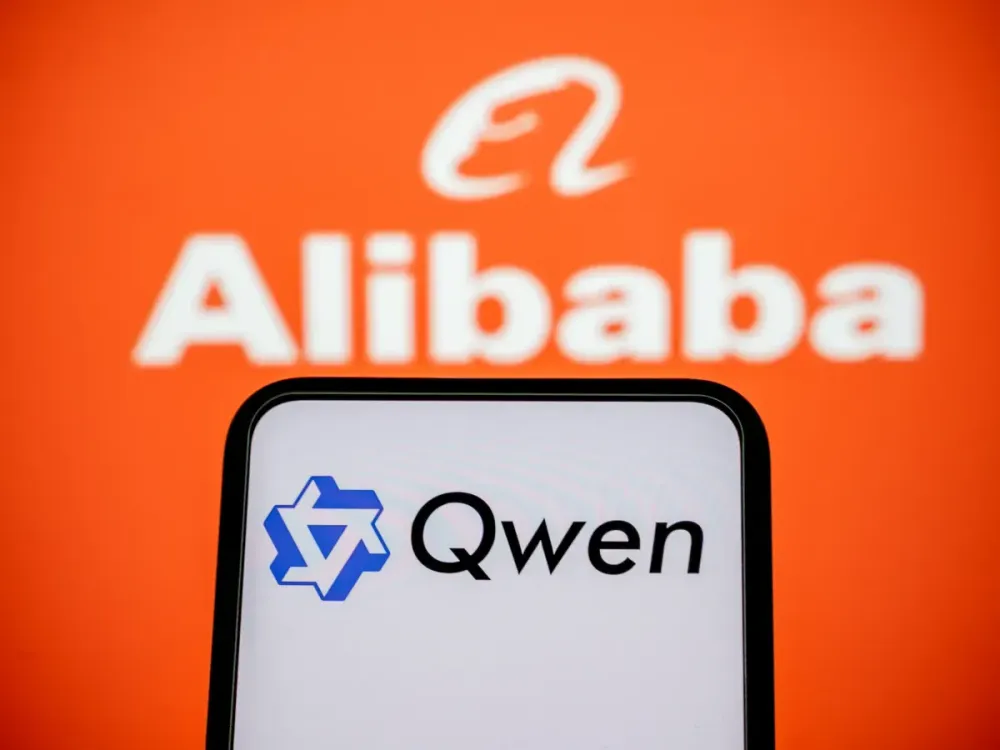
- Custom AI Agents Launch: Alibaba's Qwen platform now enables companies to create custom AI agents, allowing users to browse, order, and pay through natural language, aiming to enhance user experience and retain over 140 million AI shopping users, thereby driving revenue growth.
- Major Brands Onboard: Well-known brands like KFC, Luckin Coffee, and Mixue are among the first to participate in Qwen's rollout, enabling users to complete transactions directly within the Qwen app, reducing the hassle of switching between apps and enhancing shopping convenience.
- Beyond Traditional Chatbots: Qwen goes beyond providing AI-generated answers by remembering user preferences and offering personalized suggestions, such as recommending travel itineraries based on history, deepening user interaction with brands.
- Building a Connected Commerce Ecosystem: Alibaba aims to integrate Qwen more deeply into its digital network, including Taobao and Tmall, by consolidating shopping, payments, and customer interactions into a single AI system, helping merchants and partners increase revenue.
See More
AI Momentum Drives Wall Street to New Heights


- Market Milestones: The S&P 500 reached another record close as traders absorbed tech headlines from the Computex conference in Taipei, reflecting strong investor confidence in the AI sector and signaling a potential influx of capital into major tech firms.
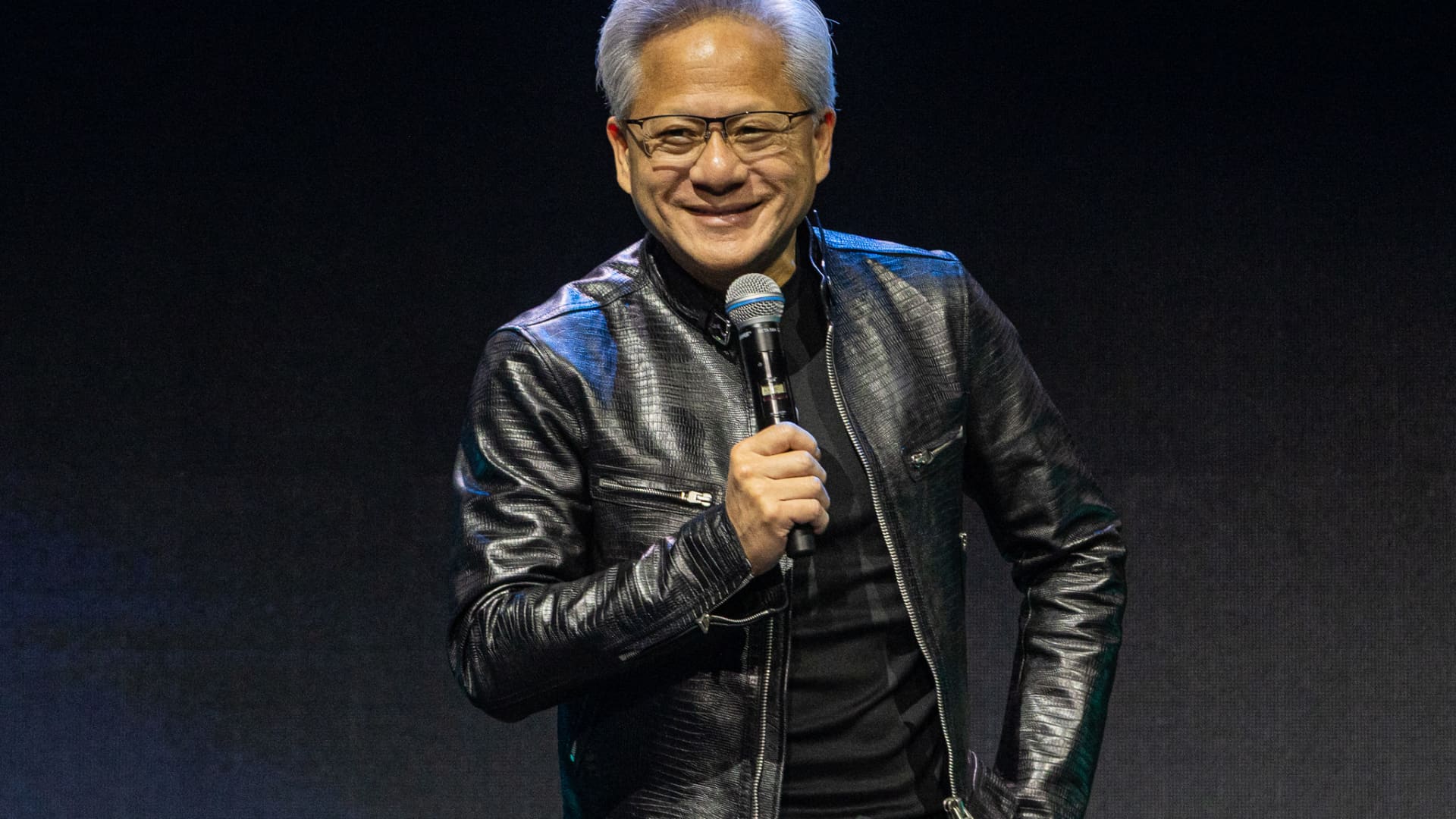
- Nvidia's Influence: CEO Jensen Huang's announcement of new PC processors developed with Microsoft at the conference led to a 32% surge in Marvell's stock, highlighting Huang's market influence and the potential for guiding future tech investments.
- Geopolitical Risks: Despite ongoing optimism in the AI space, geopolitical tensions, particularly the unresolved conflict between the U.S. and Iran, pose a risk to market sentiment, necessitating vigilance among investors.
- Oil Price Fluctuations: West Texas Intermediate futures rose over 1% to $94.81 per barrel due to potential disruptions in the Strait of Hormuz, indicating market sensitivity to geopolitical risks that could impact future energy investment strategies.
See More
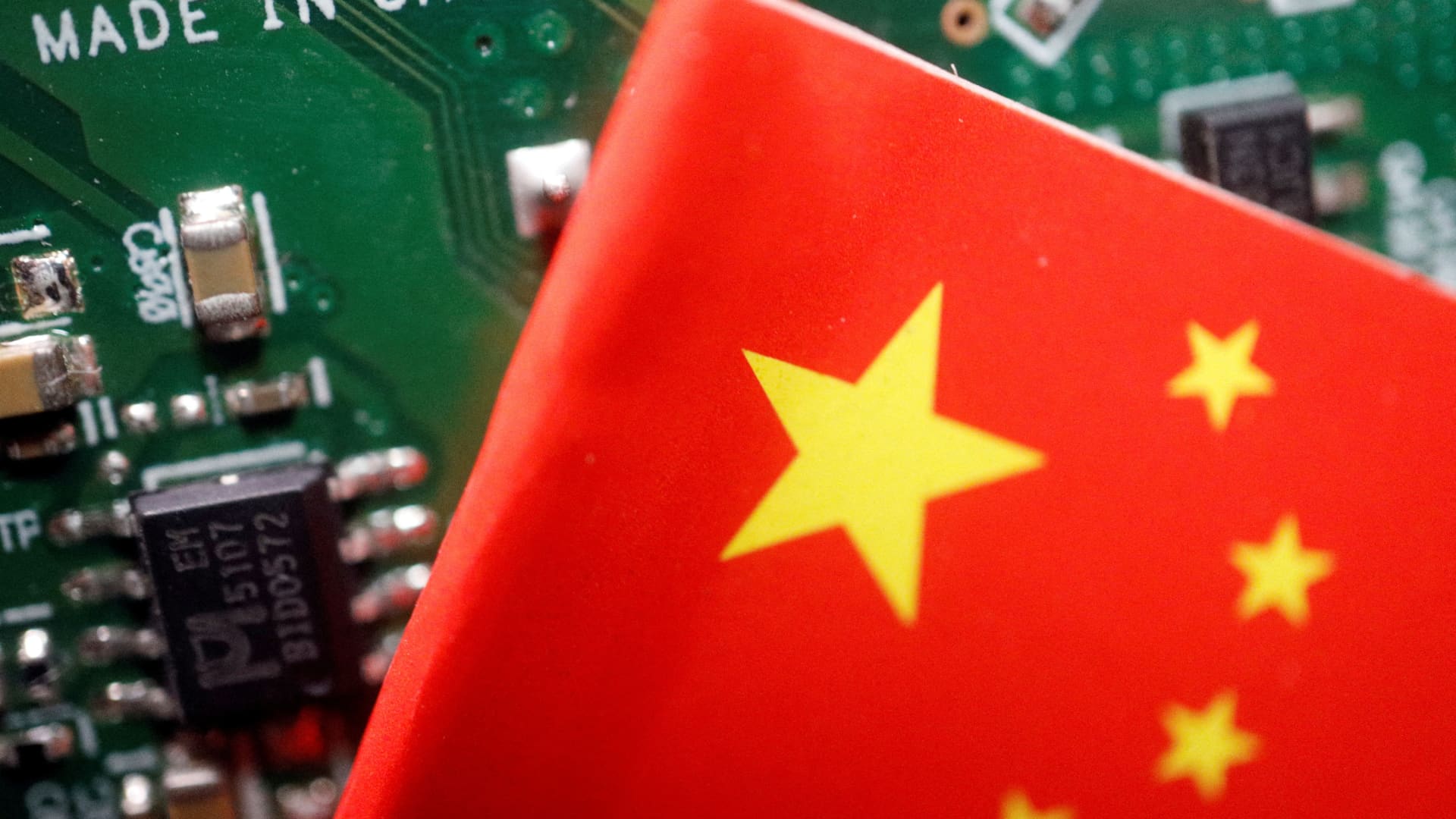
Goldman Sachs Prefers Mainland Stocks, Downgrades H Shares

- Investment Strategy Shift: Goldman Sachs downgraded its rating on H shares to market-weight while maintaining an overweight stance on mainland A shares, reflecting its preference for investments in artificial intelligence hardware, which is expected to enhance its competitive edge in the AI sector.
- Target Index Increase: The firm raised its 12-month target for the CSI 300 from 5,300 to 5,500, indicating nearly a 12% upside from Tuesday's close, showcasing optimism towards the mainland market.
- Market Performance Discrepancy: So far this year, the Hang Seng Index has risen about 1.5%, while the CSI 300 has gained over 6%, highlighting the relative strength of the mainland market, particularly in the AI hardware sector.
- IPO Dynamics Shift: Anticipated Chinese chip and humanoid robot IPOs are set to launch directly in the mainland market, with H-share AI model companies also planning A-share listings, indicating an increasing attractiveness of the mainland market for tech innovation.
See More
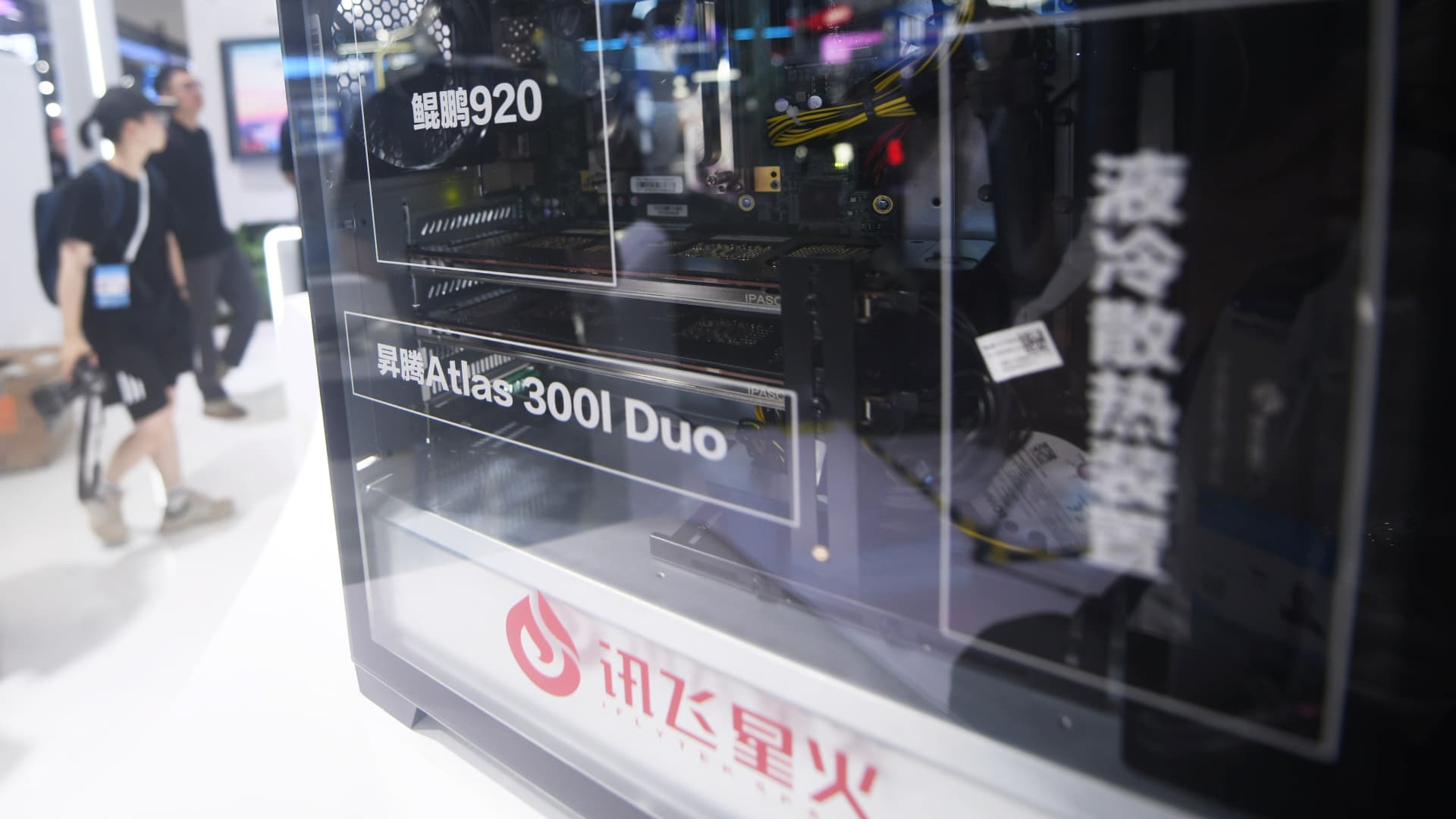
China's Tech Self-Sufficiency Accelerates


- Diversified Chip Supply: Zelostech plans to utilize multiple chip suppliers from China and abroad over the next year, moving away from reliance on Nvidia chips, which will significantly reduce costs for its self-driving systems and enhance market competitiveness.
- Vehicle Scale Expansion: Currently operating over 25,000 vehicles across more than 20 countries primarily for logistics, Zelostech aims for rapid expansion, which will greatly enhance its data collection capabilities in the autonomous driving sector and strengthen its industry influence.
- Domestic Chip Adoption: Chinese EV manufacturers like Nio and BYD are increasing investments in their own semiconductors, with Nio planning a fivefold increase in computing power spending, indicating a strong push to reduce dependence on Nvidia and promote local technology development.
- Technological Collaboration and Innovation: Huawei is adopting new scientific methods for chip development and plans to incorporate them into future products, signaling a resurgence for Chinese tech giants under U.S. restrictions, potentially accelerating the application and development of domestic chips.
See More

SpaceX IPO to Reserve Shares for Employees
- Employee Share Program: SpaceX reserves up to 5% of its IPO stock for 'certain employees and persons,' aiming to enhance employee engagement and loyalty, which could positively impact overall company morale and market performance.
- Fundraising Target: The IPO is expected to raise up to $75 billion, reflecting strong market demand and investor confidence, potentially making it the largest tech IPO in history, following SpaceX's earlier valuation of $1.25 trillion.
- Underwriter Role: Morgan Stanley, as the underwriter for the IPO, will manage SpaceX's direct share program, allowing employees and select individuals to participate without lock-up restrictions, thereby strengthening the relationship between the company and its investors.
- Market Expectations: SpaceX's roadshow could commence this week, with a potential Nasdaq debut around June 12, positioning it to become the third tech company to exceed a $100 billion valuation on its first day of trading in the U.S., following Facebook and Alibaba.
See More
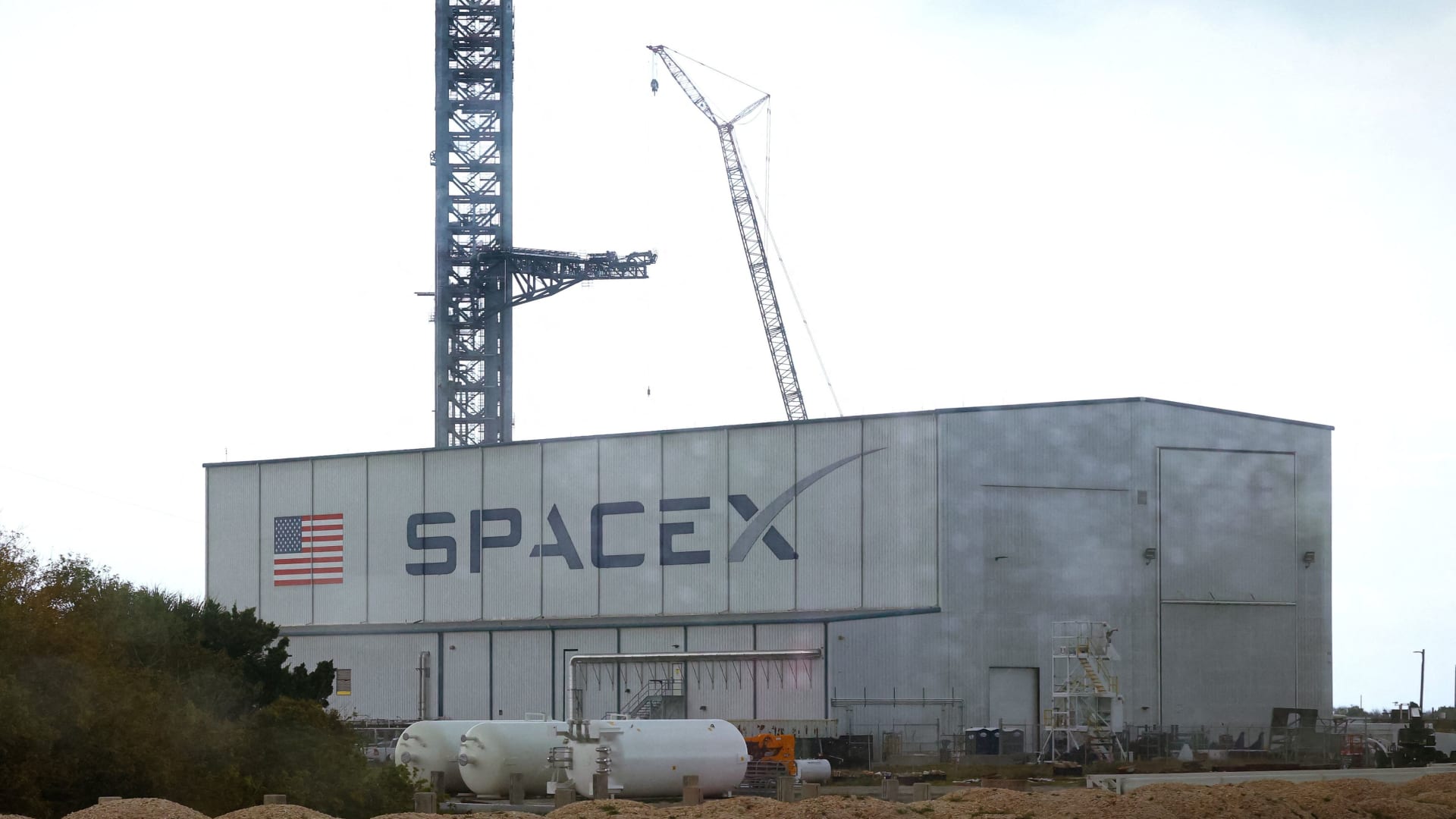
SpaceX Reveals IPO Details with Direct Share Program

- IPO Scale: SpaceX aims to raise up to $75 billion through its IPO, potentially setting a record, reflecting strong market confidence after its valuation reached $1.25 trillion post-merger with xAI, indicating robust growth prospects.
- Direct Share Program: The company reserves up to 5% of shares for 'certain employees and persons' in a direct share program, allowing employees to benefit from the IPO, breaking the traditional investor monopoly and enhancing employee engagement and loyalty.
- Partnership with Anthropic: SpaceX's agreement with Anthropic involves $1.25 billion monthly payments, with the potential for termination after six months, which could impact revenue stability and requires close monitoring of future developments.
- Market Expectations and Competition: SpaceX's roadshow may start this week, with a potential Nasdaq debut on June 12, and Morgan Stanley managing the direct share program, highlighting significant market interest while facing competition from other tech firms.
See More
Alibaba's Qwen Platform Launches Custom AI Agents for Enhanced Shopping Experience
- Custom AI Agents Launch: Alibaba's Qwen platform now enables companies to create custom AI agents, allowing users to browse, order, and pay through natural language, aiming to enhance user experience and retain over 140 million AI shopping users, thereby driving revenue growth.
- Major Brands Onboard: Well-known brands like KFC, Luckin Coffee, and Mixue are among the first to participate in Qwen's rollout, enabling users to complete transactions directly within the Qwen app, reducing the hassle of switching between apps and enhancing shopping convenience.
- Beyond Traditional Chatbots: Qwen goes beyond providing AI-generated answers by remembering user preferences and offering personalized suggestions, such as recommending travel itineraries based on history, deepening user interaction with brands.
- Building a Connected Commerce Ecosystem: Alibaba aims to integrate Qwen more deeply into its digital network, including Taobao and Tmall, by consolidating shopping, payments, and customer interactions into a single AI system, helping merchants and partners increase revenue.
See More
AI Momentum Drives Wall Street to New Heights
- Market Milestones: The S&P 500 reached another record close as traders absorbed tech headlines from the Computex conference in Taipei, reflecting strong investor confidence in the AI sector and signaling a potential influx of capital into major tech firms.
- Nvidia's Influence: CEO Jensen Huang's announcement of new PC processors developed with Microsoft at the conference led to a 32% surge in Marvell's stock, highlighting Huang's market influence and the potential for guiding future tech investments.
- Geopolitical Risks: Despite ongoing optimism in the AI space, geopolitical tensions, particularly the unresolved conflict between the U.S. and Iran, pose a risk to market sentiment, necessitating vigilance among investors.
- Oil Price Fluctuations: West Texas Intermediate futures rose over 1% to $94.81 per barrel due to potential disruptions in the Strait of Hormuz, indicating market sensitivity to geopolitical risks that could impact future energy investment strategies.
See More
Goldman Sachs Prefers Mainland Stocks, Downgrades H Shares
- Investment Strategy Shift: Goldman Sachs downgraded its rating on H shares to market-weight while maintaining an overweight stance on mainland A shares, reflecting its preference for investments in artificial intelligence hardware, which is expected to enhance its competitive edge in the AI sector.
- Target Index Increase: The firm raised its 12-month target for the CSI 300 from 5,300 to 5,500, indicating nearly a 12% upside from Tuesday's close, showcasing optimism towards the mainland market.
- Market Performance Discrepancy: So far this year, the Hang Seng Index has risen about 1.5%, while the CSI 300 has gained over 6%, highlighting the relative strength of the mainland market, particularly in the AI hardware sector.
- IPO Dynamics Shift: Anticipated Chinese chip and humanoid robot IPOs are set to launch directly in the mainland market, with H-share AI model companies also planning A-share listings, indicating an increasing attractiveness of the mainland market for tech innovation.
See More
China's Tech Self-Sufficiency Accelerates
- Diversified Chip Supply: Zelostech plans to utilize multiple chip suppliers from China and abroad over the next year, moving away from reliance on Nvidia chips, which will significantly reduce costs for its self-driving systems and enhance market competitiveness.
- Vehicle Scale Expansion: Currently operating over 25,000 vehicles across more than 20 countries primarily for logistics, Zelostech aims for rapid expansion, which will greatly enhance its data collection capabilities in the autonomous driving sector and strengthen its industry influence.
- Domestic Chip Adoption: Chinese EV manufacturers like Nio and BYD are increasing investments in their own semiconductors, with Nio planning a fivefold increase in computing power spending, indicating a strong push to reduce dependence on Nvidia and promote local technology development.
- Technological Collaboration and Innovation: Huawei is adopting new scientific methods for chip development and plans to incorporate them into future products, signaling a resurgence for Chinese tech giants under U.S. restrictions, potentially accelerating the application and development of domestic chips.
See More
SpaceX IPO to Reserve Shares for Employees
- Employee Share Program: SpaceX reserves up to 5% of its IPO stock for 'certain employees and persons,' aiming to enhance employee engagement and loyalty, which could positively impact overall company morale and market performance.
- Fundraising Target: The IPO is expected to raise up to $75 billion, reflecting strong market demand and investor confidence, potentially making it the largest tech IPO in history, following SpaceX's earlier valuation of $1.25 trillion.
- Underwriter Role: Morgan Stanley, as the underwriter for the IPO, will manage SpaceX's direct share program, allowing employees and select individuals to participate without lock-up restrictions, thereby strengthening the relationship between the company and its investors.
- Market Expectations: SpaceX's roadshow could commence this week, with a potential Nasdaq debut around June 12, positioning it to become the third tech company to exceed a $100 billion valuation on its first day of trading in the U.S., following Facebook and Alibaba.
See More
SpaceX Reveals IPO Details with Direct Share Program
- IPO Scale: SpaceX aims to raise up to $75 billion through its IPO, potentially setting a record, reflecting strong market confidence after its valuation reached $1.25 trillion post-merger with xAI, indicating robust growth prospects.
- Direct Share Program: The company reserves up to 5% of shares for 'certain employees and persons' in a direct share program, allowing employees to benefit from the IPO, breaking the traditional investor monopoly and enhancing employee engagement and loyalty.
- Partnership with Anthropic: SpaceX's agreement with Anthropic involves $1.25 billion monthly payments, with the potential for termination after six months, which could impact revenue stability and requires close monitoring of future developments.
- Market Expectations and Competition: SpaceX's roadshow may start this week, with a potential Nasdaq debut on June 12, and Morgan Stanley managing the direct share program, highlighting significant market interest while facing competition from other tech firms.
See More