

China Tech ETFs in Upbeat Momentum: Here's Why
Written by Emily J. Thompson, Senior Investment Analyst
Updated: May 02 2024
0mins


Source: NASDAQ.COM
China's Tech Investing Landscape:
- Shift in investor sentiment towards China's tech giants impacting AI development and EV industry.
- China tech ETFs like KTEC, CQQQ, KFVG, KWEB, and TCHI have shown significant growth recently.
- Analysts anticipate a potential rebound in these ETFs due to a shift towards new technologies.
Foreign Carmakers' Partnerships in China:
- Toyota partnering with Tencent, Nissan with Baidu, and Volkswagen with XPeng for AI and smart car technology.
- Renault engaging with Li Auto and Xiaomi for electric vehicle and smart-vehicle technologies.
- Tesla making progress in driver-assistance technology and forming a partnership with Baidu for mapping and navigation functions.
China's Commitment to AI:
- Despite a decline in investor interest, China remains committed to AI development.
- New AI rules introduced in 2024 aim to streamline growth and address regulatory concerns for a stable trajectory.
Chinese Technology Stocks:
- Chinese tech stocks are now considered value stocks with increased dividends, buybacks, and cash balances.
- Alibaba and Baidu experiencing slower growth rates compared to their industries, while Tencent shows higher growth rates and stock premiums.
Challenges in the Tech Sector:
- Tech sector's stability is at risk due to reliance on government policies and geopolitical landscape.
- Most Chinese tech companies have growth rates below their operating industries, posing inherent weaknesses.
Trade with 70% Backtested Accuracy
Stop guessing "Should I Buy TM?" and start using high-conviction signals backed by rigorous historical data.
Sign up today to access powerful investing tools and make smarter, data-driven decisions.
Analyst Views on TM
About TM
Toyota Motor Corp is a Japan-based company mainly engaged in the automotive business, as well as financial services and other businesses. It operates through three business segments. The Automotive segment designs, manufactures, and sells automobiles, including sedans, minivans, compact cars, sport utility vehicles (SUVs), and trucks, as well as related parts and accessories. The Financial Services segment provides financing and vehicle leasing services to complement the sales of automobiles and other products manufactured by itself and its affiliates. The Other segment engages in information and communications services. It also oversees manufacturing and sales companies, conducts public relations and research activities, oversees financial companies, and develops various mobility products, primarily software.
About the author

Emily J. Thompson
Emily J. Thompson, a Chartered Financial Analyst (CFA) with 12 years in investment research, graduated with honors from the Wharton School. Specializing in industrial and technology stocks, she provides in-depth analysis for Intellectia’s earnings and market brief reports.
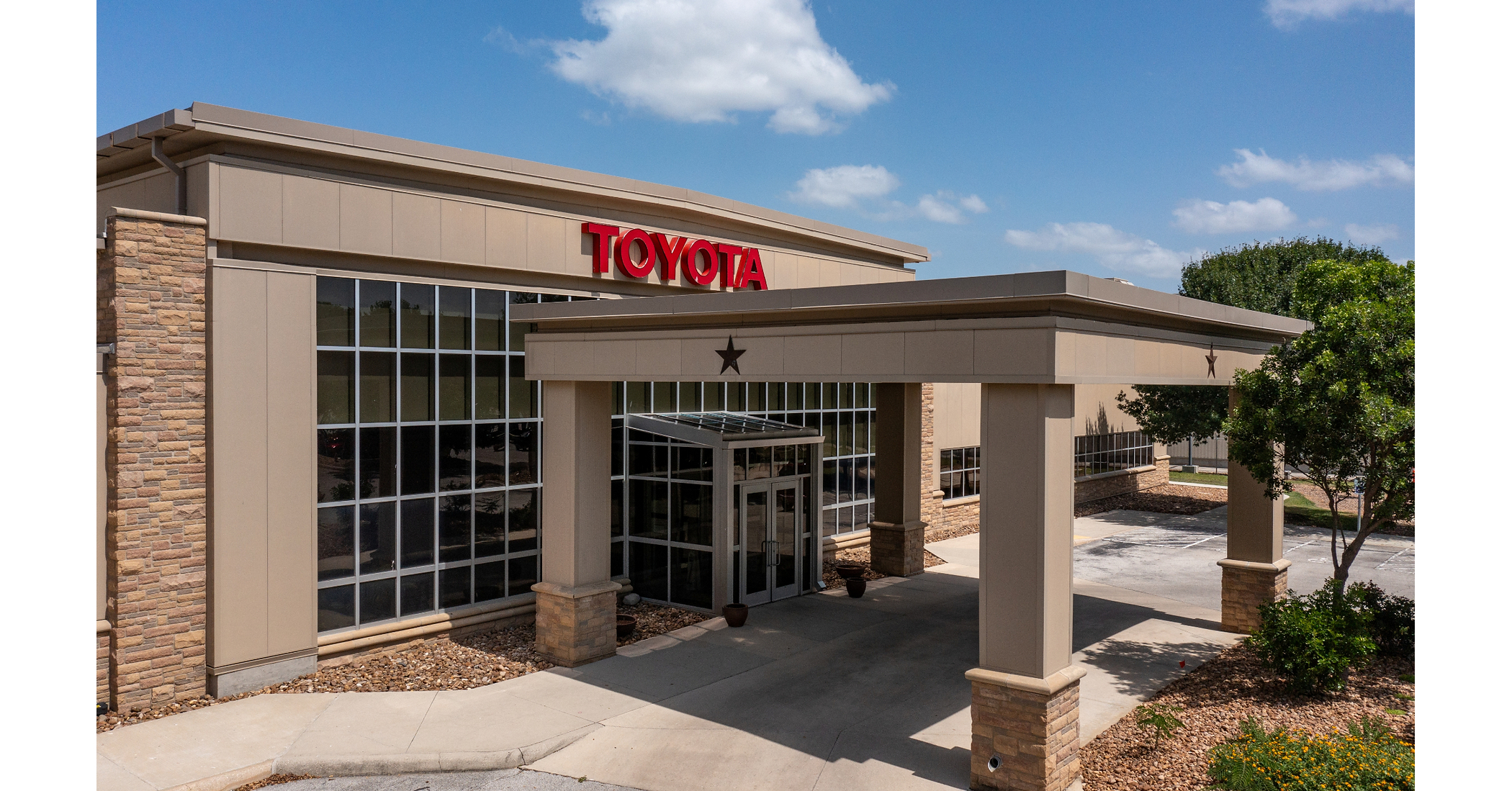
Toyota Invests $3.6 Billion to Expand Texas Manufacturing Facility

- Massive Investment: Toyota announced a $3.6 billion investment to expand its San Antonio manufacturing campus with a new Tacoma assembly line, expected to double the facility's size by 2030 and create 2,000 high-quality jobs, reflecting strong confidence in the North American market.
- Production Transition Plan: The production of Tacoma will shift from Toyota Motor Manufacturing Baja California to the expanded Texas plant over an approximate four-year period, aimed at enhancing production flexibility and meeting increasing market demand.
- Significant Economic Impact: This expansion will bring Toyota's total investment in San Antonio to $8.3 billion, projected to generate over $3.6 billion in economic activity for the local economy, further solidifying Texas's position as a hub for automotive manufacturing.
- Community Support and Collaboration: The expansion is supported by the Texas Enterprise Fund and JETI program, with state and local officials stating that this investment will provide long-term economic opportunities for local families, highlighting Toyota's strong partnership with the community.
See More

Archer Aviation Stock Experiences Significant Pullback

- Stock Pullback: Archer Aviation's stock fell 30.5% in June, contrasting with the S&P 500's 1.1% decline, indicating a significant loss of investor confidence in high-valuation growth stocks, leading to a market cap of approximately $4.1 billion being heavily impacted.
- Macroeconomic Concerns: Investor fears regarding potential interest rate hikes by the Federal Reserve, exacerbated by rising energy prices linked to the Iran conflict, have negatively influenced market expectations for Archer's future performance, contributing to the stock's decline.
- Signs of Market Recovery: In July, Archer's stock rebounded over 9%, contrasting with slight increases in the S&P 500 and Nasdaq, suggesting a renewed optimism in the electric vertical take-off and landing (eVTOL) industry.
- Industry Collaboration Outlook: Joby Aviation's partnership with Toyota is seen as a positive signal for the eVTOL sector, and Archer's similar collaboration with Stellantis may bolster investor confidence in the industry's future profitability, despite ongoing competitive pressures.
See More

Archer Aviation Stock Rebounds Amid eVTOL Industry Optimism
- Stock Recovery: Archer Aviation's stock rebounded over 9% in early July after a significant 30.5% drop in June, indicating a resurgence of market optimism surrounding the electric vertical take-off and landing (eVTOL) industry.
- Market Environment Impact: Despite a market capitalization of approximately $4.1 billion, Archer's stock has declined about 47% over the past year due to investor concerns over potential interest rate hikes by the Federal Reserve, highlighting the vulnerability of high-growth-dependent stocks in rising rate environments.
- Industry Developments: Joby Aviation's joint venture with Toyota is viewed as a positive signal for the eVTOL sector, and while Joby is a major competitor, this partnership could enhance the industry's outlook; Archer's collaboration with Stellantis is similarly seen as a strategic advantage.
- Investor Sentiment: The stock's recovery aligns with broader market improvements and positive news in the electric aviation sector, although the analyst team did not include Archer in their current top investment recommendations, the market remains optimistic about its future potential.
See More

Toyota to Invest $3.6 Billion to Expand Texas Manufacturing Plant
- Significant Investment: Toyota announced a $3.6 billion investment to expand its San Antonio facility with a second assembly line for the Tacoma truck, aiming to double the plant's size to 2.5 million square feet by 2030 and create 2,000 high-quality jobs, thereby reinforcing its position in the North American market.
- Employee Growth: The expansion will increase Toyota's local workforce to approximately 6,000, supported by 23 on-site suppliers and their employees, enhancing overall production efficiency and strengthening the stability and flexibility of the supply chain.
- Production Capacity Enhancement: The new facility is expected to increase plant flexibility through advanced manufacturing technologies, transitioning Tacoma production from Toyota Motor Manufacturing Baja California to the expanded Texas plant, optimizing production layout to meet market demands.
- Long-term Commitment: Total investment in San Antonio since 2003 will reach $8.3 billion, with TMNA President Ted Ogawa stating that this investment reflects confidence in the North American market, aiming to create sustainable jobs while meeting the evolving needs of customers.
See More
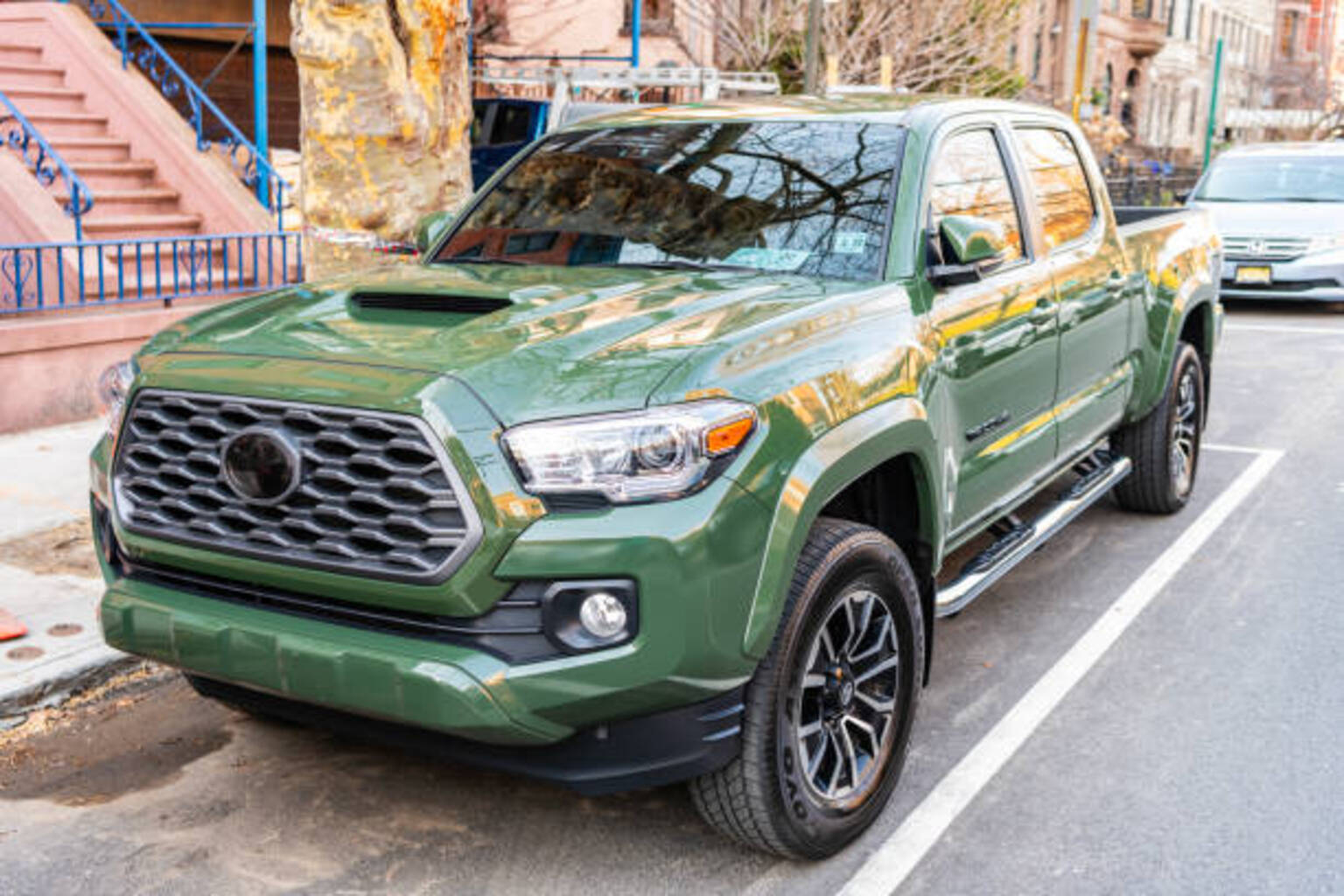
Toyota Moves Tacoma Production Back to Texas Amid USMCA Changes
- Production Relocation Decision: Toyota's decision to move Tacoma production back to Texas from Baja California, Mexico, comes in response to the Trump administration's announcement of not extending the USMCA, reflecting the company's strong commitment to American manufacturing.
- Investment Expansion Plan: The $3.6 billion investment will expand the San Antonio plant to 2.5 million square feet and create 2,000 new jobs, increasing Toyota's total investment in Texas to $8.3 billion, thereby solidifying its position in the U.S. market.
- Production Capacity Increase: The expansion will boost Tacoma's annual production capacity from 200,000 to 350,000 units, not only meeting rising market demand but also enhancing Toyota's competitiveness in the fiercely contested pickup truck market.
- Tax Incentive Policies: This expansion will unlock performance-based cash grants from the Texas Enterprise Fund and a 10-year, 50% reduction in school and property taxes, further lowering operational costs and improving profitability.
See More
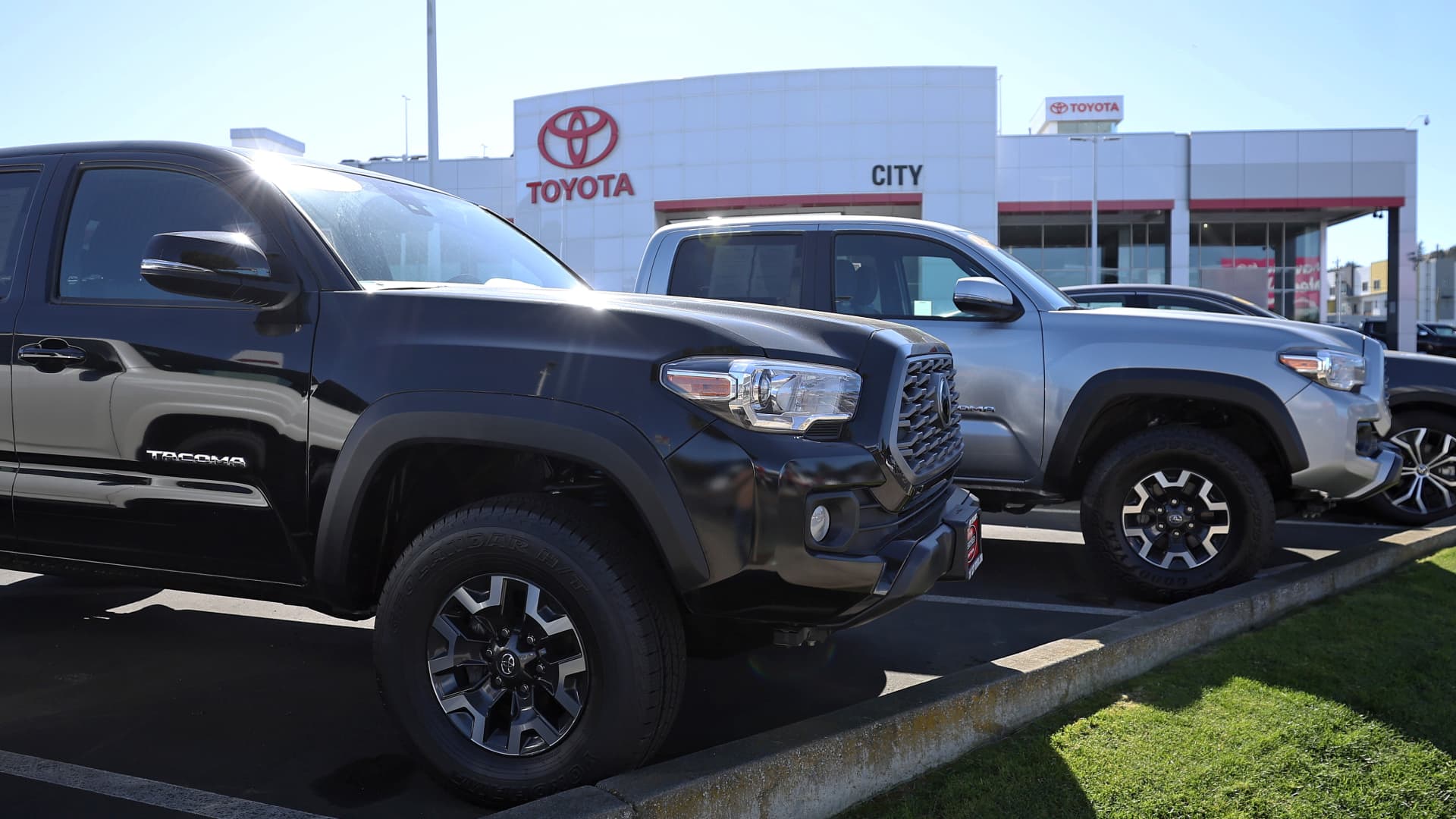
Toyota Invests $3.6 Billion to Move Tacoma Production to Texas

- Significant Investment: Toyota announced a $3.6 billion investment to relocate Tacoma production from Mexico to its San Antonio, Texas plant, which is expected to create 2,000 U.S. jobs, demonstrating strong confidence in the American market.
- Capacity Expansion: This investment will increase the San Antonio plant's annual capacity from 200,000 to 350,000 units, adding a second assembly line and roughly doubling the plant's size by 2030, further solidifying Toyota's manufacturing capabilities in North America.
- Competitive Market Advantage: This move aims to narrow the sales gap with America's largest automaker, General Motors, with forecasts suggesting that Toyota's sales will rise in 2024 due to the popularity of hybrid models, thereby enhancing its market position.
- Long-term Strategic Commitment: Toyota's total investment in the U.S. is expected to reach $10 billion, reflecting its long-term commitment to the North American market while showcasing its ongoing innovation and adaptability in the electric and hybrid vehicle sectors.
See More
Toyota Invests $3.6 Billion to Expand Texas Manufacturing Facility
- Massive Investment: Toyota announced a $3.6 billion investment to expand its San Antonio manufacturing campus with a new Tacoma assembly line, expected to double the facility's size by 2030 and create 2,000 high-quality jobs, reflecting strong confidence in the North American market.
- Production Transition Plan: The production of Tacoma will shift from Toyota Motor Manufacturing Baja California to the expanded Texas plant over an approximate four-year period, aimed at enhancing production flexibility and meeting increasing market demand.
- Significant Economic Impact: This expansion will bring Toyota's total investment in San Antonio to $8.3 billion, projected to generate over $3.6 billion in economic activity for the local economy, further solidifying Texas's position as a hub for automotive manufacturing.
- Community Support and Collaboration: The expansion is supported by the Texas Enterprise Fund and JETI program, with state and local officials stating that this investment will provide long-term economic opportunities for local families, highlighting Toyota's strong partnership with the community.
See More
Archer Aviation Stock Experiences Significant Pullback
- Stock Pullback: Archer Aviation's stock fell 30.5% in June, contrasting with the S&P 500's 1.1% decline, indicating a significant loss of investor confidence in high-valuation growth stocks, leading to a market cap of approximately $4.1 billion being heavily impacted.
- Macroeconomic Concerns: Investor fears regarding potential interest rate hikes by the Federal Reserve, exacerbated by rising energy prices linked to the Iran conflict, have negatively influenced market expectations for Archer's future performance, contributing to the stock's decline.
- Signs of Market Recovery: In July, Archer's stock rebounded over 9%, contrasting with slight increases in the S&P 500 and Nasdaq, suggesting a renewed optimism in the electric vertical take-off and landing (eVTOL) industry.
- Industry Collaboration Outlook: Joby Aviation's partnership with Toyota is seen as a positive signal for the eVTOL sector, and Archer's similar collaboration with Stellantis may bolster investor confidence in the industry's future profitability, despite ongoing competitive pressures.
See More
Archer Aviation Stock Rebounds Amid eVTOL Industry Optimism
- Stock Recovery: Archer Aviation's stock rebounded over 9% in early July after a significant 30.5% drop in June, indicating a resurgence of market optimism surrounding the electric vertical take-off and landing (eVTOL) industry.
- Market Environment Impact: Despite a market capitalization of approximately $4.1 billion, Archer's stock has declined about 47% over the past year due to investor concerns over potential interest rate hikes by the Federal Reserve, highlighting the vulnerability of high-growth-dependent stocks in rising rate environments.
- Industry Developments: Joby Aviation's joint venture with Toyota is viewed as a positive signal for the eVTOL sector, and while Joby is a major competitor, this partnership could enhance the industry's outlook; Archer's collaboration with Stellantis is similarly seen as a strategic advantage.
- Investor Sentiment: The stock's recovery aligns with broader market improvements and positive news in the electric aviation sector, although the analyst team did not include Archer in their current top investment recommendations, the market remains optimistic about its future potential.
See More
Toyota to Invest $3.6 Billion to Expand Texas Manufacturing Plant
- Significant Investment: Toyota announced a $3.6 billion investment to expand its San Antonio facility with a second assembly line for the Tacoma truck, aiming to double the plant's size to 2.5 million square feet by 2030 and create 2,000 high-quality jobs, thereby reinforcing its position in the North American market.
- Employee Growth: The expansion will increase Toyota's local workforce to approximately 6,000, supported by 23 on-site suppliers and their employees, enhancing overall production efficiency and strengthening the stability and flexibility of the supply chain.
- Production Capacity Enhancement: The new facility is expected to increase plant flexibility through advanced manufacturing technologies, transitioning Tacoma production from Toyota Motor Manufacturing Baja California to the expanded Texas plant, optimizing production layout to meet market demands.
- Long-term Commitment: Total investment in San Antonio since 2003 will reach $8.3 billion, with TMNA President Ted Ogawa stating that this investment reflects confidence in the North American market, aiming to create sustainable jobs while meeting the evolving needs of customers.
See More
Toyota Moves Tacoma Production Back to Texas Amid USMCA Changes
- Production Relocation Decision: Toyota's decision to move Tacoma production back to Texas from Baja California, Mexico, comes in response to the Trump administration's announcement of not extending the USMCA, reflecting the company's strong commitment to American manufacturing.
- Investment Expansion Plan: The $3.6 billion investment will expand the San Antonio plant to 2.5 million square feet and create 2,000 new jobs, increasing Toyota's total investment in Texas to $8.3 billion, thereby solidifying its position in the U.S. market.
- Production Capacity Increase: The expansion will boost Tacoma's annual production capacity from 200,000 to 350,000 units, not only meeting rising market demand but also enhancing Toyota's competitiveness in the fiercely contested pickup truck market.
- Tax Incentive Policies: This expansion will unlock performance-based cash grants from the Texas Enterprise Fund and a 10-year, 50% reduction in school and property taxes, further lowering operational costs and improving profitability.
See More
Toyota Invests $3.6 Billion to Move Tacoma Production to Texas
- Significant Investment: Toyota announced a $3.6 billion investment to relocate Tacoma production from Mexico to its San Antonio, Texas plant, which is expected to create 2,000 U.S. jobs, demonstrating strong confidence in the American market.
- Capacity Expansion: This investment will increase the San Antonio plant's annual capacity from 200,000 to 350,000 units, adding a second assembly line and roughly doubling the plant's size by 2030, further solidifying Toyota's manufacturing capabilities in North America.
- Competitive Market Advantage: This move aims to narrow the sales gap with America's largest automaker, General Motors, with forecasts suggesting that Toyota's sales will rise in 2024 due to the popularity of hybrid models, thereby enhancing its market position.
- Long-term Strategic Commitment: Toyota's total investment in the U.S. is expected to reach $10 billion, reflecting its long-term commitment to the North American market while showcasing its ongoing innovation and adaptability in the electric and hybrid vehicle sectors.
See More





