China Sets Lowest Growth Target in Decades
Written by Emily J. Thompson, Senior Investment Analyst
Updated: Mar 06 2026
0mins

Should l Buy CAAS?
Source: CNBC
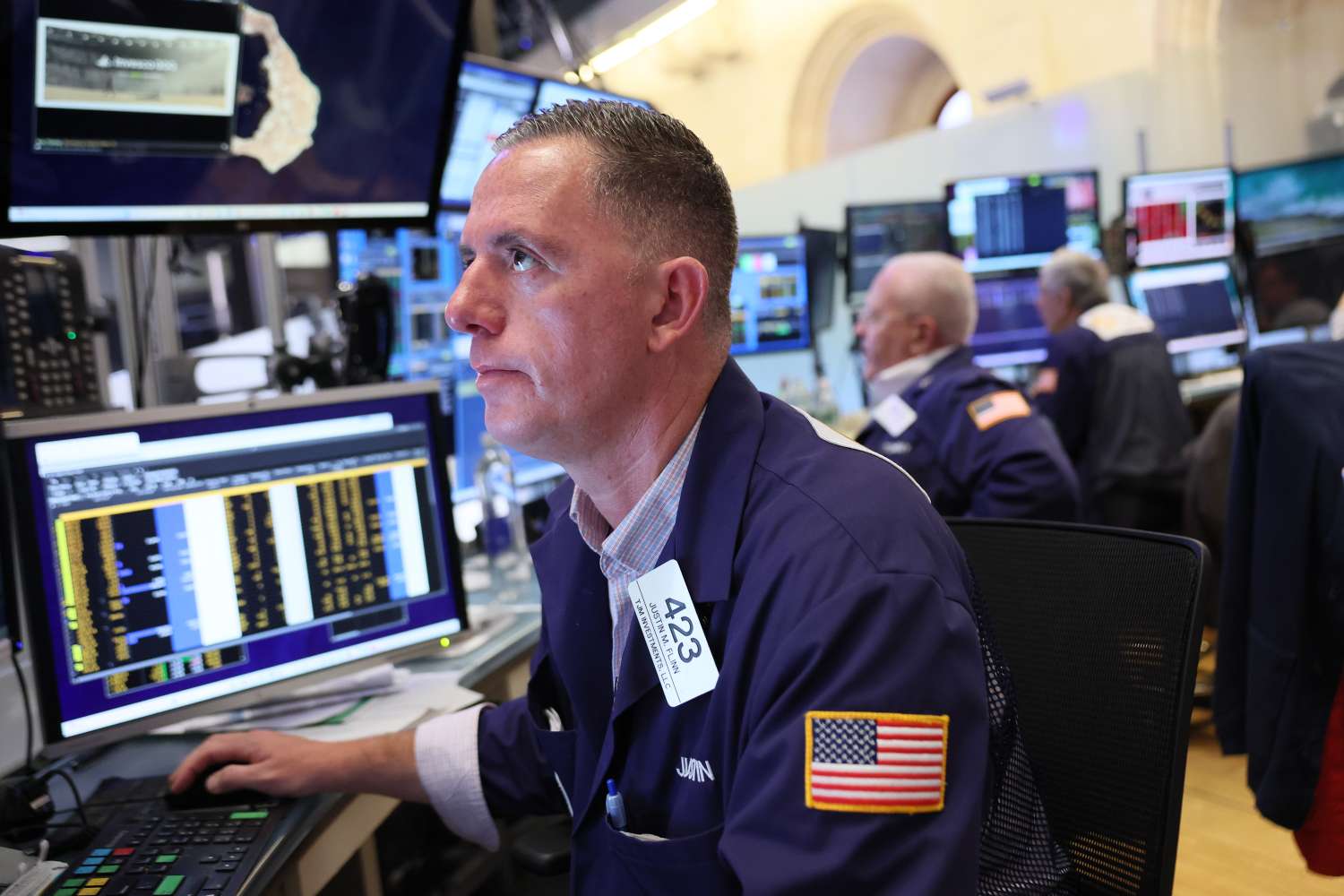
- Growth Target Announcement: The Chinese government has set its GDP growth target for 2026 at 4.5% to 5%, marking the least ambitious goal since the early 1990s, reflecting the serious domestic economic challenges and increasing global uncertainties.
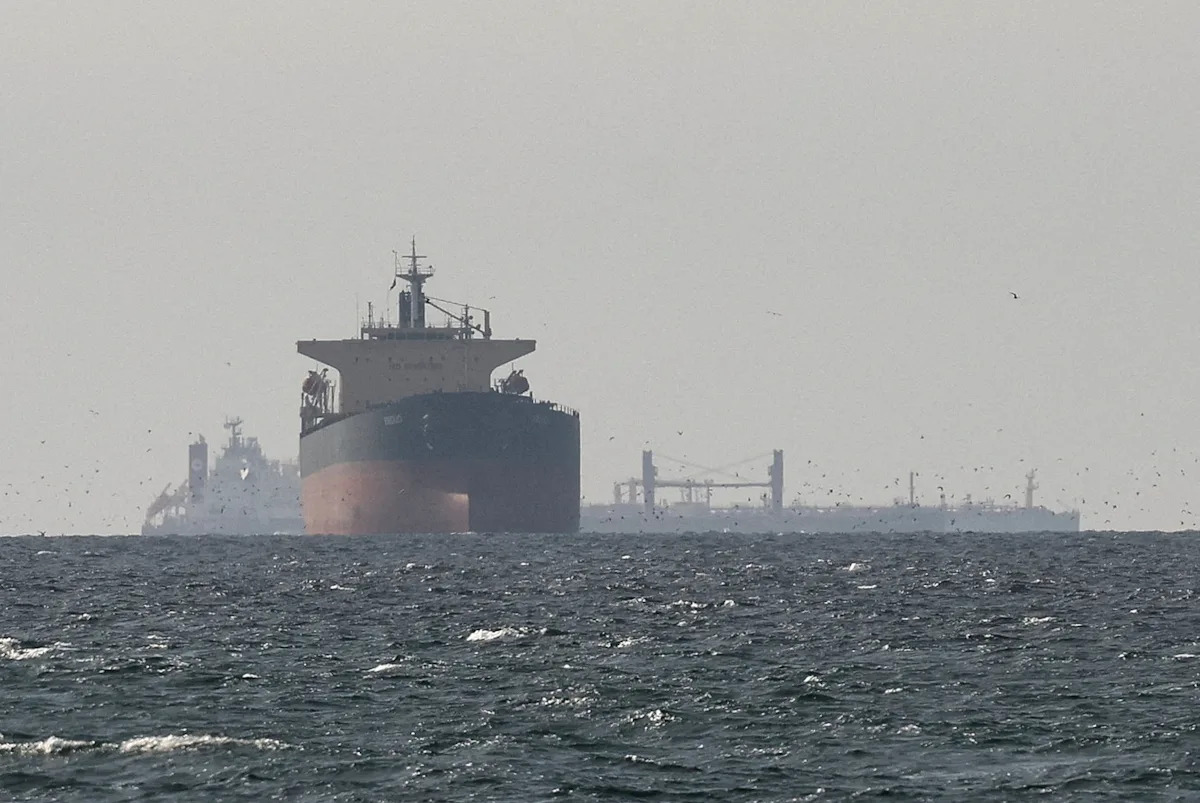
- External Risk Management: In response to potential disruptions in energy supply due to the U.S.-Iran conflict, the government has ordered major state oil refiners to suspend diesel and gasoline exports, highlighting the importance placed on energy security amid external shocks.
- Job Creation Commitment: The Chinese government pledged to create 12 million urban jobs, despite a youth unemployment rate of 16.3%, indicating the urgency of addressing economic slowdown and maintaining social stability in the face of rising joblessness.
- Focus on Tech Self-Sufficiency: Despite ongoing declines in the real estate market, Beijing plans to increase investment in scientific research over the next five years to foster a conducive environment for innovation, aiming for self-sufficiency in high-tech industries, although these efforts have yet to significantly boost economic growth.
Trade with 70% Backtested Accuracy
Stop guessing "Should I Buy CAAS?" and start using high-conviction signals backed by rigorous historical data.
Sign up today to access powerful investing tools and make smarter, data-driven decisions.
Analyst Views on CAAS
About CAAS
China Automotive Systems Inc is a holding company principally engaged in the manufacture and sale of automotive systems and components. The Company’s main products include rack and pinion power steering, integral power steering, electronic power steering and manual steering, steering columns, steering oil pumps and steering hoses. The Company's major customers include FAW Group, Dongfeng Auto Group Co., Ltd, BYD Auto Co., Ltd, as well as Stellar Group and Ford Motor Company in North America. The Company primarily operates its businesses in the domestic and overseas markets.
About the author

Emily J. Thompson
Emily J. Thompson, a Chartered Financial Analyst (CFA) with 12 years in investment research, graduated with honors from the Wharton School. Specializing in industrial and technology stocks, she provides in-depth analysis for Intellectia’s earnings and market brief reports.
Russia's Strategic Relationship with Iran Amid Conflict


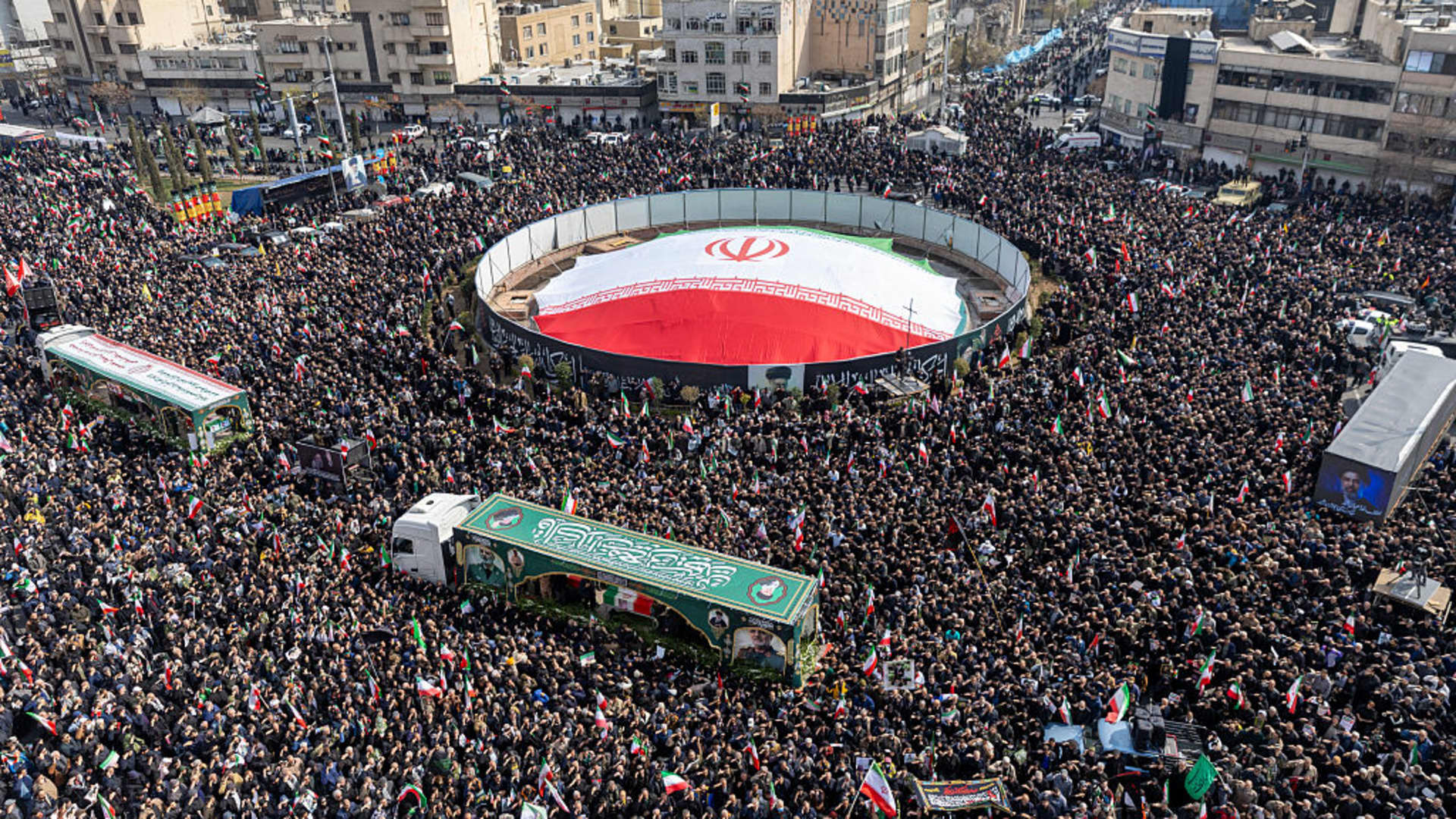
- Support for Iran: Russian Ambassador Andrey Kelin expressed strong sympathy for Iran, stating that Russia has a strategic partnership with Tehran, which may influence regional stability amid escalating Middle East tensions.
- Questioning U.S. Policy: Kelin raised doubts about the clarity of U.S. objectives and exit strategies in its military actions against Iran, suggesting that this ambiguity could undermine international trust in U.S. policies and diminish its influence in the Middle East.
- Impact of Ukraine Situation: Kelin noted that the ongoing tensions in Ukraine hinder U.S. efforts to mediate the Iran conflict, potentially allowing Russia's military actions in Ukraine to continue, which could exacerbate regional tensions further.
- Shifts in Energy Flows: As the war in Iran disrupts energy flows, Russia may gain a larger advantage in the global energy market, particularly through its cooperation with China, indicating an increasing significance of Russia in the global energy supply chain.
See More
US Launches Trade Investigations into 60 Economies for Forced Labor

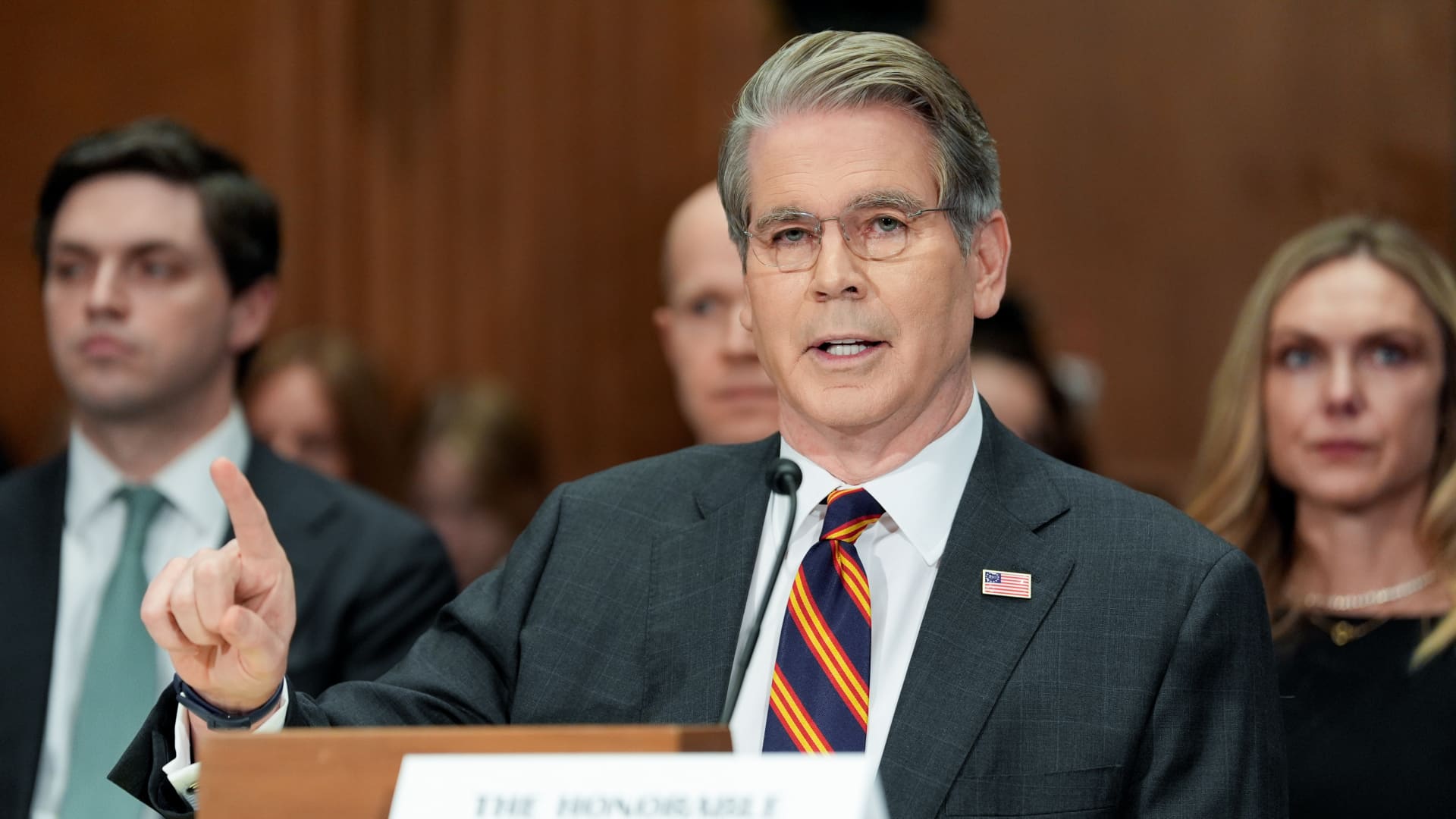
- Trade Investigations Launched: The U.S. initiated new trade investigations into 60 economies on Thursday to assess whether they have failed to curb imports of goods made with forced labor, a move that could impact trade relations with countries like China and the EU.
- Legal Basis: These investigations are conducted under Section 301(b) of the Trade Act of 1974, allowing the U.S. to impose tariffs on countries found engaging in unfair trade practices without congressional authorization, reflecting a tough stance in U.S. trade policy.
- International Response: The U.S. Trade Representative stated that despite international consensus against forced labor, governments have inadequately enforced bans on such goods, which could negatively affect U.S. workers and businesses.
- Impact on Future Negotiations: Launching these investigations just before the upcoming Trump-Xi meeting may affect the negotiation atmosphere, with experts suggesting that unilateral measures could hinder consensus, emphasizing the need for cooperative solutions.
See More
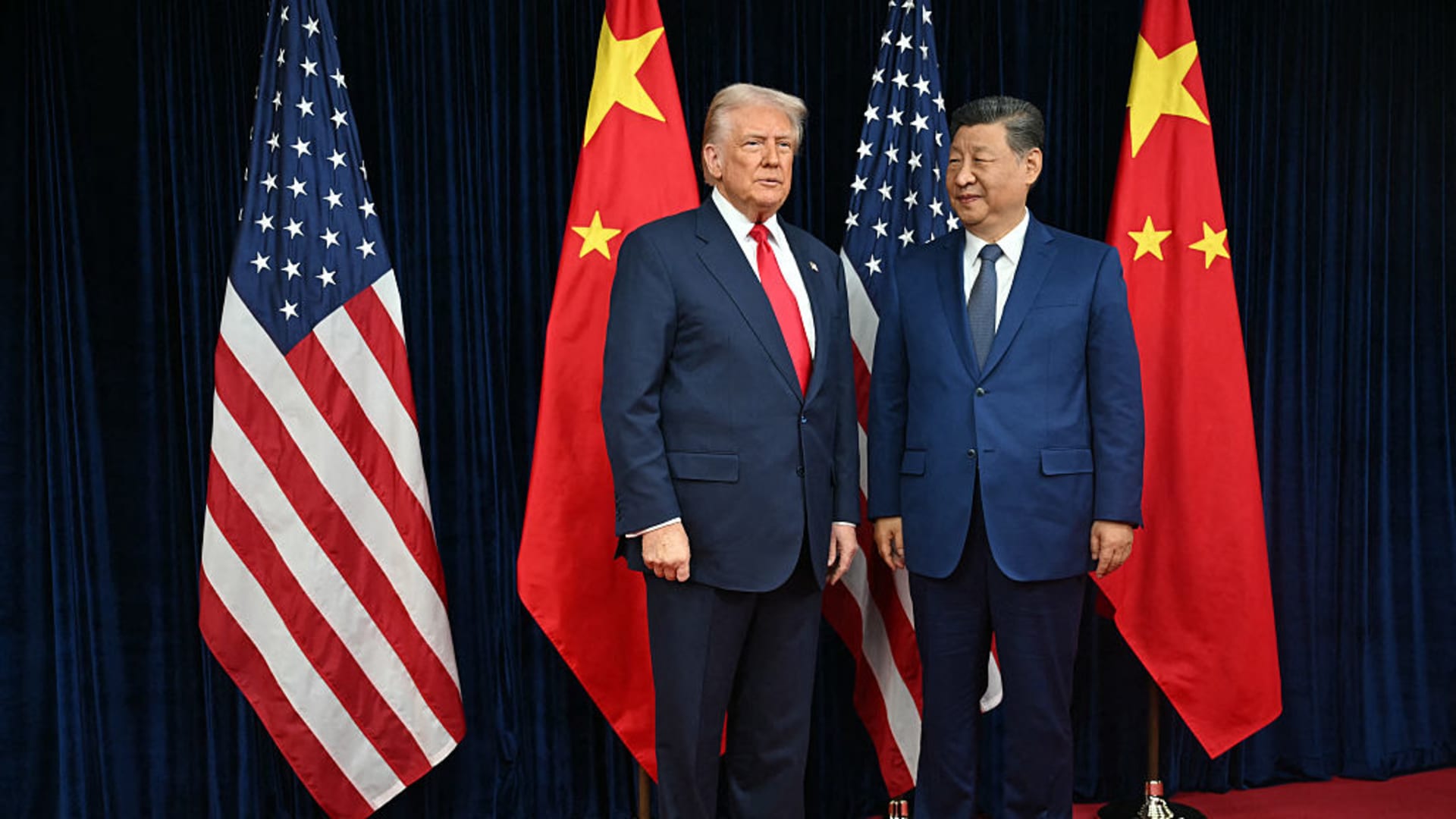
US-China Trade War Escalates as Section 301 Investigations Add New Tensions


- Launch of Section 301 Investigations: The U.S. has initiated trade investigations against China under Section 301 of the Trade Act of 1974, aiming to identify unfair trade practices, particularly in manufacturing sectors, which adds new layers of tension to the already strained U.S.-China relationship.
- Surge in Exports and Trade Surplus: Despite criticism from global trading partners, China's exports surged by 21.8% in the first two months, boosting its trade surplus to a record high of $213.6 billion, indicating a continued reliance on external demand.
- Uncertain Summit Outlook: With the summit approaching, the widening gap between both sides' agendas, especially regarding potential investigations into forced labor practices, adds uncertainty to negotiations and may hinder future trade agreements.
- Challenges in Maintaining Stability: While Chinese Foreign Minister Wang Yi calls for a suitable environment for the summit, the U.S. is likely to push for long-term commitments on agricultural purchases, and expectations for substantial breakthroughs have significantly diminished, suggesting limited outcomes from the upcoming meeting.
See More

US-China Trade Investigations Heighten Tensions Ahead of Summit
- Trade Investigations Launched: The U.S. has initiated Section 301 trade investigations targeting China to identify unfair trade practices, particularly structural excess capacity in manufacturing, which is likely to escalate trade tensions and impact future negotiation environments.
- Strong Export Growth: Despite criticism from global trading partners regarding China's over-reliance on external demand, Chinese exports surged 21.8% year-on-year in the first two months, boosting the trade surplus to a record $213.6 billion, indicating robust export machinery that may alleviate economic pressures in the short term.
- Dismal Summit Outlook: The upcoming U.S.-China summit is expected to yield limited breakthroughs, with widening gaps in agendas, particularly as investigations into forced labor may aggravate China's sentiments and affect future willingness to engage in deal-making.
- Geopolitical Complexity: U.S. military actions against Iran pose risks to China's energy supplies; while China is insulated by strategic oil and gas reserves, prolonged supply chain disruptions could negatively impact its economy, further complicating the bilateral talks ahead.
See More
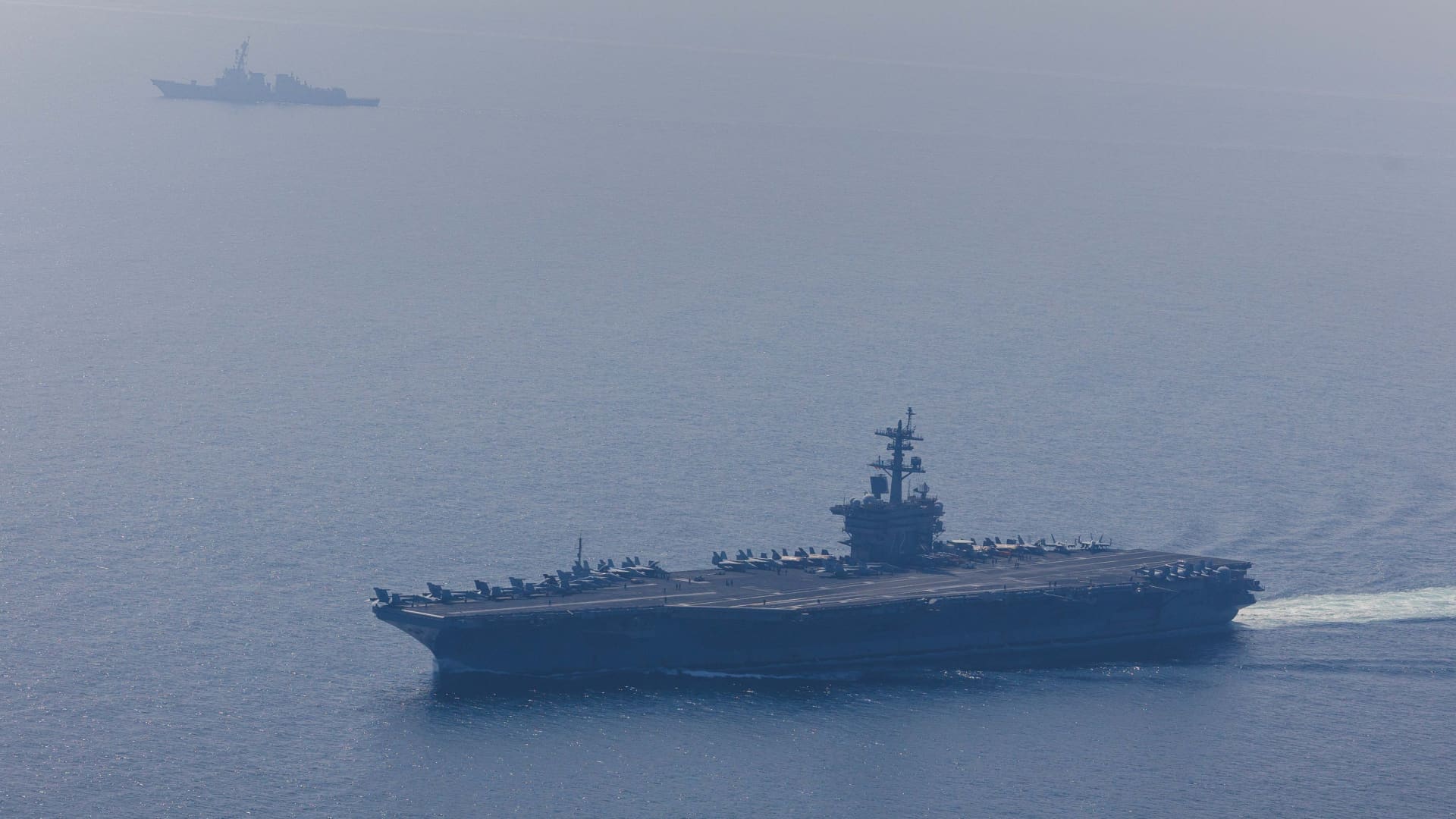
India Reassesses Trade Corridors Amid U.S.-Israel War


- Trade Corridor Reevaluation: In light of the U.S.-Israel war, India is reassessing its strategic trade corridors with Iran, particularly the International North-South Transport Corridor and the India-Middle East-Europe Economic Corridor, with the latter seen as having greater potential to support India's export ambitions.
- Support for IMEC: The IMEC corridor is backed by powerful allies, with former President Trump calling it 'one of the greatest trade routes in history' and Israeli Prime Minister Netanyahu describing it as 'the largest cooperation project in our history', highlighting its strategic significance.
- Cost and Time Advantages: IMEC is expected to reduce logistical costs by up to 30% and transportation time by 40% compared to traditional routes like the Suez Canal, which is particularly crucial given the current disruptions caused by the Middle East conflict.
- Challenges of Regional Stability: Despite the clear advantages of IMEC, experts warn that its success hinges on regional stability, which is currently in short supply, potentially impacting its future trajectory.
See More
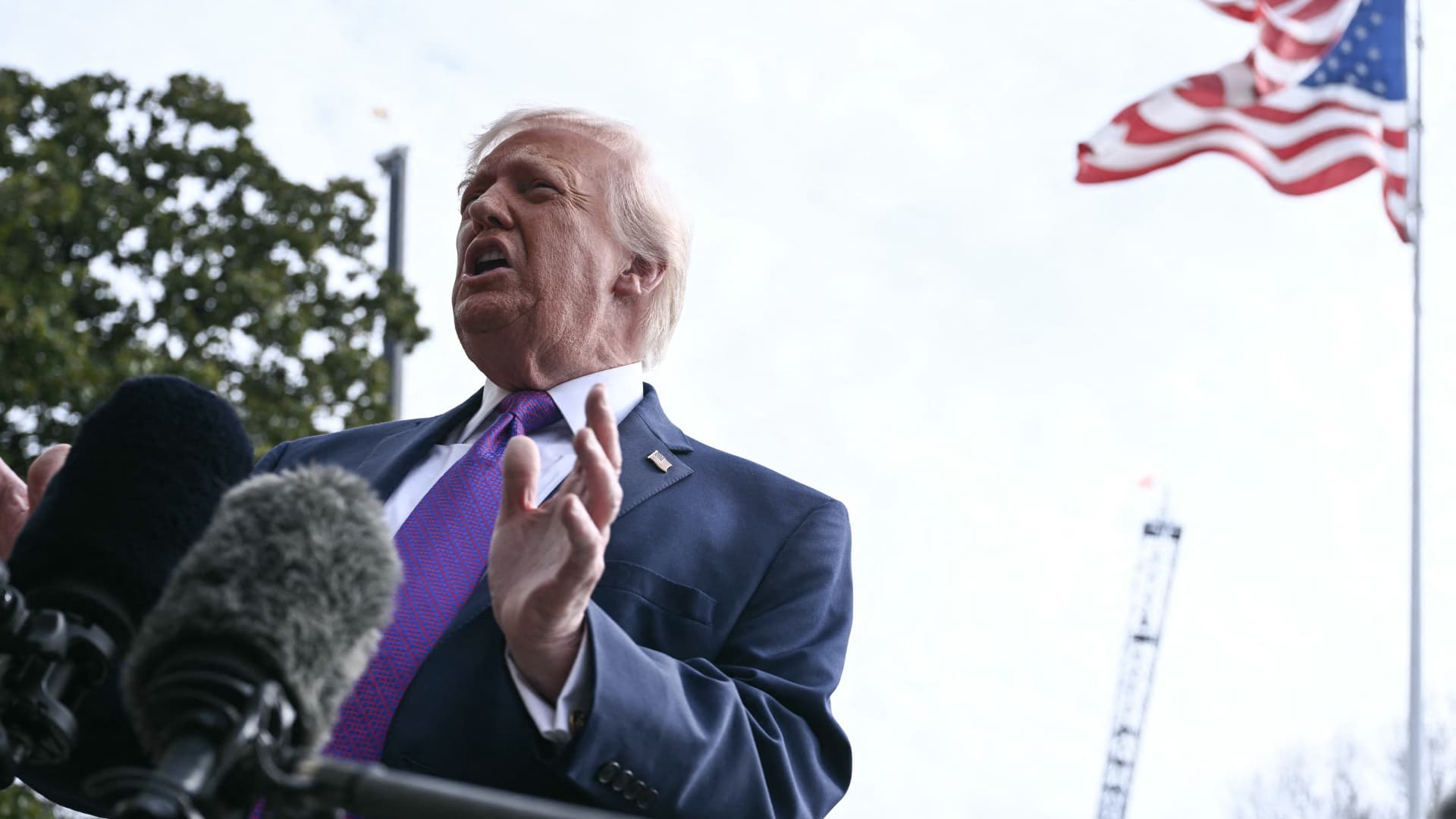
Trump Administration Launches New Trade Investigations
- Trade Investigations Launched: The Trump administration announced new trade investigations into China, Mexico, the EU, and other economies to replace reciprocal tariffs deemed illegal by the Supreme Court, potentially impacting global trade policies.
- Application of Section 301: The investigations will be conducted under Section 301 of the Trade Act of 1974, which allows the U.S. to impose tariffs on countries found to engage in unfair trade practices, indicating a significant shift in trade dynamics.
- Broad Investigation Scope: In addition to China, Mexico, and the EU, the probes will include Japan, India, Taiwan, and Vietnam, reflecting the U.S.'s aggressive stance in global trade and potentially escalating trade tensions.
- Future Tariff Expectations: The Treasury Secretary predicts that by August, U.S. tariffs will return to pre-Supreme Court ruling levels, demonstrating the government's commitment to its trade policy, which may exert pressure on exports from affected countries.
See More
Russia's Strategic Relationship with Iran Amid Conflict
- Support for Iran: Russian Ambassador Andrey Kelin expressed strong sympathy for Iran, stating that Russia has a strategic partnership with Tehran, which may influence regional stability amid escalating Middle East tensions.
- Questioning U.S. Policy: Kelin raised doubts about the clarity of U.S. objectives and exit strategies in its military actions against Iran, suggesting that this ambiguity could undermine international trust in U.S. policies and diminish its influence in the Middle East.
- Impact of Ukraine Situation: Kelin noted that the ongoing tensions in Ukraine hinder U.S. efforts to mediate the Iran conflict, potentially allowing Russia's military actions in Ukraine to continue, which could exacerbate regional tensions further.
- Shifts in Energy Flows: As the war in Iran disrupts energy flows, Russia may gain a larger advantage in the global energy market, particularly through its cooperation with China, indicating an increasing significance of Russia in the global energy supply chain.
See More
US Launches Trade Investigations into 60 Economies for Forced Labor
- Trade Investigations Launched: The U.S. initiated new trade investigations into 60 economies on Thursday to assess whether they have failed to curb imports of goods made with forced labor, a move that could impact trade relations with countries like China and the EU.
- Legal Basis: These investigations are conducted under Section 301(b) of the Trade Act of 1974, allowing the U.S. to impose tariffs on countries found engaging in unfair trade practices without congressional authorization, reflecting a tough stance in U.S. trade policy.
- International Response: The U.S. Trade Representative stated that despite international consensus against forced labor, governments have inadequately enforced bans on such goods, which could negatively affect U.S. workers and businesses.
- Impact on Future Negotiations: Launching these investigations just before the upcoming Trump-Xi meeting may affect the negotiation atmosphere, with experts suggesting that unilateral measures could hinder consensus, emphasizing the need for cooperative solutions.
See More
US-China Trade War Escalates as Section 301 Investigations Add New Tensions
- Launch of Section 301 Investigations: The U.S. has initiated trade investigations against China under Section 301 of the Trade Act of 1974, aiming to identify unfair trade practices, particularly in manufacturing sectors, which adds new layers of tension to the already strained U.S.-China relationship.
- Surge in Exports and Trade Surplus: Despite criticism from global trading partners, China's exports surged by 21.8% in the first two months, boosting its trade surplus to a record high of $213.6 billion, indicating a continued reliance on external demand.
- Uncertain Summit Outlook: With the summit approaching, the widening gap between both sides' agendas, especially regarding potential investigations into forced labor practices, adds uncertainty to negotiations and may hinder future trade agreements.
- Challenges in Maintaining Stability: While Chinese Foreign Minister Wang Yi calls for a suitable environment for the summit, the U.S. is likely to push for long-term commitments on agricultural purchases, and expectations for substantial breakthroughs have significantly diminished, suggesting limited outcomes from the upcoming meeting.
See More
US-China Trade Investigations Heighten Tensions Ahead of Summit
- Trade Investigations Launched: The U.S. has initiated Section 301 trade investigations targeting China to identify unfair trade practices, particularly structural excess capacity in manufacturing, which is likely to escalate trade tensions and impact future negotiation environments.
- Strong Export Growth: Despite criticism from global trading partners regarding China's over-reliance on external demand, Chinese exports surged 21.8% year-on-year in the first two months, boosting the trade surplus to a record $213.6 billion, indicating robust export machinery that may alleviate economic pressures in the short term.
- Dismal Summit Outlook: The upcoming U.S.-China summit is expected to yield limited breakthroughs, with widening gaps in agendas, particularly as investigations into forced labor may aggravate China's sentiments and affect future willingness to engage in deal-making.
- Geopolitical Complexity: U.S. military actions against Iran pose risks to China's energy supplies; while China is insulated by strategic oil and gas reserves, prolonged supply chain disruptions could negatively impact its economy, further complicating the bilateral talks ahead.
See More
India Reassesses Trade Corridors Amid U.S.-Israel War
- Trade Corridor Reevaluation: In light of the U.S.-Israel war, India is reassessing its strategic trade corridors with Iran, particularly the International North-South Transport Corridor and the India-Middle East-Europe Economic Corridor, with the latter seen as having greater potential to support India's export ambitions.
- Support for IMEC: The IMEC corridor is backed by powerful allies, with former President Trump calling it 'one of the greatest trade routes in history' and Israeli Prime Minister Netanyahu describing it as 'the largest cooperation project in our history', highlighting its strategic significance.
- Cost and Time Advantages: IMEC is expected to reduce logistical costs by up to 30% and transportation time by 40% compared to traditional routes like the Suez Canal, which is particularly crucial given the current disruptions caused by the Middle East conflict.
- Challenges of Regional Stability: Despite the clear advantages of IMEC, experts warn that its success hinges on regional stability, which is currently in short supply, potentially impacting its future trajectory.
See More
Trump Administration Launches New Trade Investigations
- Trade Investigations Launched: The Trump administration announced new trade investigations into China, Mexico, the EU, and other economies to replace reciprocal tariffs deemed illegal by the Supreme Court, potentially impacting global trade policies.
- Application of Section 301: The investigations will be conducted under Section 301 of the Trade Act of 1974, which allows the U.S. to impose tariffs on countries found to engage in unfair trade practices, indicating a significant shift in trade dynamics.
- Broad Investigation Scope: In addition to China, Mexico, and the EU, the probes will include Japan, India, Taiwan, and Vietnam, reflecting the U.S.'s aggressive stance in global trade and potentially escalating trade tensions.
- Future Tariff Expectations: The Treasury Secretary predicts that by August, U.S. tariffs will return to pre-Supreme Court ruling levels, demonstrating the government's commitment to its trade policy, which may exert pressure on exports from affected countries.
See More