Chevron Shares Drop as Oil Prices Decline Below $100
Written by Emily J. Thompson, Senior Investment Analyst
Updated: 1 hour ago
0mins
Should l Buy CVX?
Source: Fool
- Stock Movement: As of 11:30 a.m., Chevron (CVX) shares fell by 4.6% to $196.90, primarily due to oil prices dipping below $100 per barrel, prompting investors to sell off highly liquid energy stocks, indicating market sensitivity to oil price fluctuations.
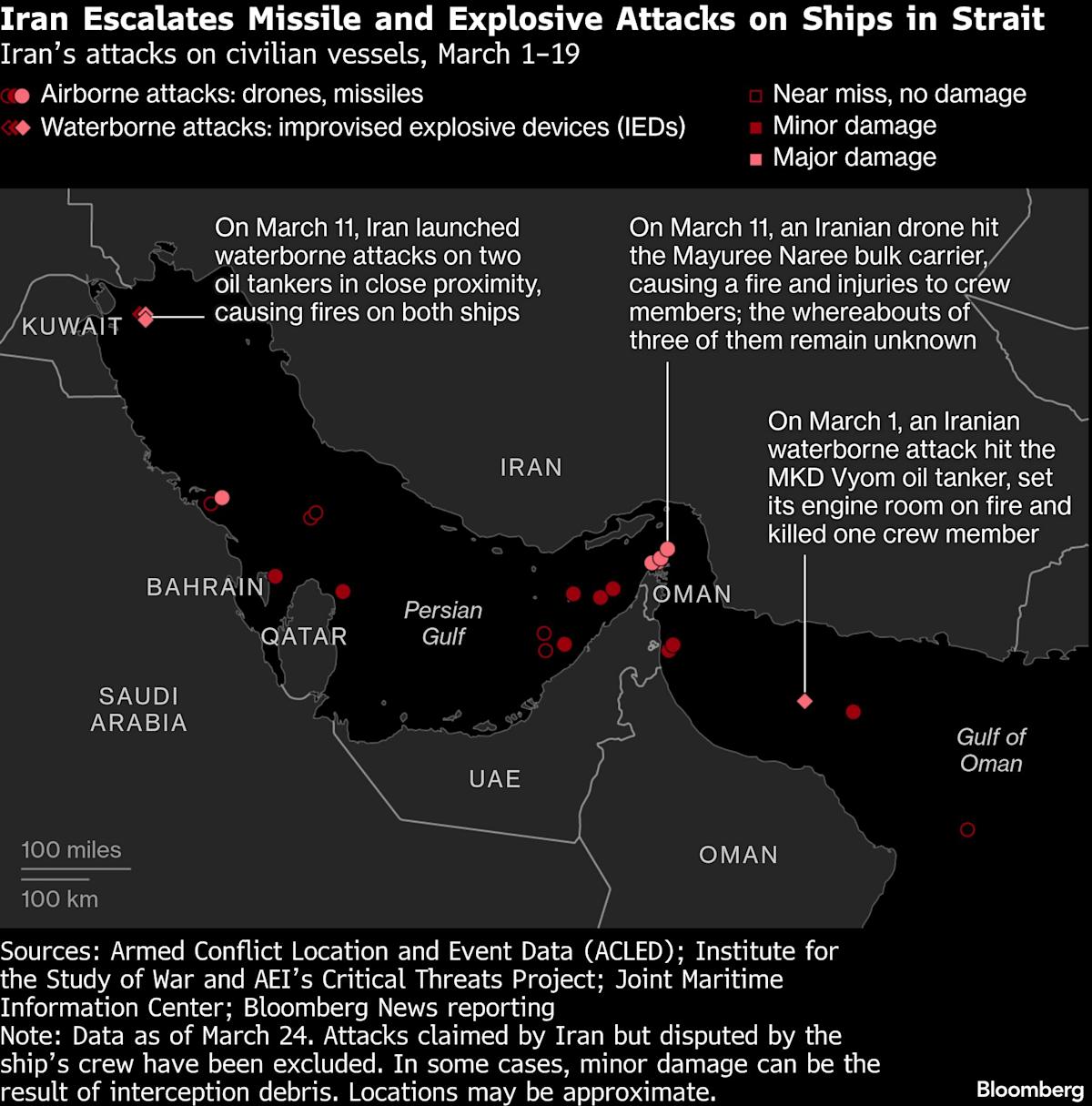
- Market Reaction: The decline in oil prices is perceived as a reaction to President Trump's suggestion that U.S. attacks on Iran may conclude in the coming weeks, despite the Strait of Hormuz being nearly entirely closed, leaving the timeline for restoring energy traffic uncertain and increasing market volatility.
- Global Energy Impact: The Strait of Hormuz accounts for 34% of global crude oil trade and 20% of liquefied natural gas trade, and its closure poses significant challenges to global energy supply, placing Chevron under ongoing market pressure as a major energy player.
- Investment Outlook: With the Strait of Hormuz closed, Chevron remains a strong investment choice, as it benefits not only from rising oil prices but also from increased crack spreads, allowing investors to expect sustained high oil prices amidst ongoing turmoil in the Persian Gulf.
Trade with 70% Backtested Accuracy
Stop guessing "Should I Buy CVX?" and start using high-conviction signals backed by rigorous historical data.
Sign up today to access powerful investing tools and make smarter, data-driven decisions.
Analyst Views on CVX
Wall Street analysts forecast CVX stock price to fall
19 Analyst Rating
15 Buy
4 Hold
0 Sell
Strong Buy
Current: 206.900

Low
158.00
Averages
176.95
High
206.00
Current: 206.900
Low
158.00
Averages
176.95
High
206.00
About CVX
Chevron Corporation is an integrated energy company. The Company produces crude oil and natural gas; manufactures transportation fuels, lubricants, petrochemicals and additives; and develops technologies that enhance its business and industry. The Company’s segments include Upstream and Downstream. Upstream operations consist primarily of exploring for, developing, producing and transporting crude oil and natural gas; liquefaction, transportation and regasification associated with LNG; transporting crude oil by major international oil export pipelines; processing, transporting, storage and marketing of natural gas; carbon capture and storage; and a gas-to-liquids plant. Downstream operations consist primarily of the refining of crude oil into petroleum products; marketing crude oil, refined products, and lubricants; manufacturing and marketing of renewable fuels, and transporting of crude oil and refined products by pipeline, marine vessel, motor equipment and rail car.
About the author

Emily J. Thompson
Emily J. Thompson, a Chartered Financial Analyst (CFA) with 12 years in investment research, graduated with honors from the Wharton School. Specializing in industrial and technology stocks, she provides in-depth analysis for Intellectia’s earnings and market brief reports.

Chevron Positioned to Profit from Rising Oil Prices

- Oil Price Surge: Brent crude oil prices have soared past $100 a barrel, reaching their highest level since 2022, with further increases expected, benefiting energy stocks like Chevron, which is well-positioned to capitalize on high oil prices.
- Cash Flow Growth: Chevron anticipates generating $10 billion in incremental free cash flow in 2023, assuming an average oil price of $70 per barrel, while the Hess merger will contribute an additional $2.5 billion, totaling $12.5 billion in cash flow that will significantly enhance the company's financial health.
- Increased Shareholder Returns: Last year, Chevron returned a record $27 billion to shareholders through dividends and stock buybacks, and it is expected to continue raising dividends this year while repurchasing shares within its $10 billion to $20 billion target range, further enhancing shareholder value.
- Market Advantage: Chevron's massive global scale and low-cost resources allow it to reap substantial benefits from rising energy prices, with every $1 change in oil prices impacting its annual earnings and cash flow by $600 million, demonstrating its strong resilience against future market fluctuations.
See More

Chevron's Acquisition of Hess Boosts Cash Flow Significantly
- Impact of Hess Acquisition: Chevron's completion of the Hess acquisition in 2025 is expected to add $2.5 billion annually to its cash flow, further solidifying its market position in a high oil price environment.
- Free Cash Flow Expectations: The company anticipates generating $10 billion in incremental free cash flow in 2026, assuming Brent oil averages $70 per barrel, which will significantly enhance its financial health.
- Earnings Sensitivity to Oil Prices: A $1 change in Brent oil prices will increase Chevron's annual earnings and cash flow by $600 million, while a $1 change in LNG prices will add $150 million, demonstrating its high sensitivity to energy price fluctuations.
- Shareholder Return Strategy: Chevron returned a record $27 billion to shareholders last year through dividends and stock buybacks, and it is expected to continue repurchasing shares within its $10 billion to $20 billion annual target range, further boosting shareholder confidence.
See More

Chevron Shares Drop as Oil Prices Fall Below $100
- Stock Decline: As of 11:30 a.m., Chevron (NYSE: CVX) shares fell by 4.6% primarily due to oil prices dipping below $100 per barrel, prompting investor sell-offs and reflecting diminished expectations for rising energy prices.
- Geopolitical Impact: The Strait of Hormuz remains almost entirely closed, and despite President Trump's suggestion that U.S. attacks on Iran may conclude in the coming weeks, the timeline for repairing energy infrastructure is uncertain, potentially leading to long-term impacts on global energy supply.
- Market Outlook: With the Strait closed, Chevron stands to benefit not only from rising oil prices but also from increased crack spreads, positioning the company favorably in the energy sector, where investors can expect sustained high oil prices.
- Investment Advice: While Chevron is considered one of the top 10 stocks to buy, analysts have identified another set of 10 stocks that may yield higher returns, suggesting that investors should carefully evaluate their options before making investment decisions.
See More
Chevron Shares Drop as Oil Prices Decline Below $100
- Stock Movement: As of 11:30 a.m., Chevron (CVX) shares fell by 4.6% to $196.90, primarily due to oil prices dipping below $100 per barrel, prompting investors to sell off highly liquid energy stocks, indicating market sensitivity to oil price fluctuations.
- Market Reaction: The decline in oil prices is perceived as a reaction to President Trump's suggestion that U.S. attacks on Iran may conclude in the coming weeks, despite the Strait of Hormuz being nearly entirely closed, leaving the timeline for restoring energy traffic uncertain and increasing market volatility.
- Global Energy Impact: The Strait of Hormuz accounts for 34% of global crude oil trade and 20% of liquefied natural gas trade, and its closure poses significant challenges to global energy supply, placing Chevron under ongoing market pressure as a major energy player.
- Investment Outlook: With the Strait of Hormuz closed, Chevron remains a strong investment choice, as it benefits not only from rising oil prices but also from increased crack spreads, allowing investors to expect sustained high oil prices amidst ongoing turmoil in the Persian Gulf.
See More
US Stocks Rise on Optimism Over Middle East Conflict Resolution

- Market Rally: The S&P 500 Index rose by 0.97%, the Dow Jones Industrial Average by 0.86%, and the Nasdaq 100 by 1.45%, reflecting growing investor confidence amid optimism that the Middle East conflict may soon conclude, which could stabilize global markets.
- Strong Economic Data: The US ADP employment change for March increased by 62,000, surpassing expectations of 40,000, while February retail sales rose by 0.6% month-over-month, indicating robust economic recovery that may influence Federal Reserve policy decisions.
- Interest Rate Outlook: Despite a mere 1% chance of a 25 basis point rate hike at the upcoming FOMC meeting, hawkish comments from St. Louis Fed President raised concerns about inflation and employment risks, potentially affecting investor sentiment and market dynamics.
- Divergent Stock Performances: Target Hospitality surged by over 37% after securing a multi-year contract worth over $550 million, while Nike fell by more than 13% due to revenue forecasts indicating a decline, highlighting varied market reactions to company-specific news.
See More

Eli Lilly Gains FDA Approval, Shares Rise


- FDA Drug Approval: Eli Lilly's once-daily GLP-1 pill Foundayo received FDA approval, leading to a 4% rise in shares, which will enhance the company's competitive edge in the obesity treatment market and drive future sales growth.
- Cybersecurity Incident Impact: Hasbro's shares fell over 4% due to a cybersecurity incident involving unauthorized network access, with the company investigating the full impact and implementing protective measures, potentially increasing operational costs in the short term.
- Tobacco Product Delay: Philip Morris International's shares dropped more than 5% after the FDA delayed authorization for nicotine pouch sales, which may hinder the company's future market expansion plans, particularly among new user demographics.
- Semiconductor Buyback Plan: Intel announced a $14.2 billion buyback of a 49% stake in its Ireland Fab 34 joint venture, resulting in a 9% increase in shares, with funding sourced from cash on hand and approximately $6.5 billion in new debt, expected to strengthen its position in the global semiconductor market.
See More
Chevron Positioned to Profit from Rising Oil Prices
- Oil Price Surge: Brent crude oil prices have soared past $100 a barrel, reaching their highest level since 2022, with further increases expected, benefiting energy stocks like Chevron, which is well-positioned to capitalize on high oil prices.
- Cash Flow Growth: Chevron anticipates generating $10 billion in incremental free cash flow in 2023, assuming an average oil price of $70 per barrel, while the Hess merger will contribute an additional $2.5 billion, totaling $12.5 billion in cash flow that will significantly enhance the company's financial health.
- Increased Shareholder Returns: Last year, Chevron returned a record $27 billion to shareholders through dividends and stock buybacks, and it is expected to continue raising dividends this year while repurchasing shares within its $10 billion to $20 billion target range, further enhancing shareholder value.
- Market Advantage: Chevron's massive global scale and low-cost resources allow it to reap substantial benefits from rising energy prices, with every $1 change in oil prices impacting its annual earnings and cash flow by $600 million, demonstrating its strong resilience against future market fluctuations.
See More
Chevron's Acquisition of Hess Boosts Cash Flow Significantly
- Impact of Hess Acquisition: Chevron's completion of the Hess acquisition in 2025 is expected to add $2.5 billion annually to its cash flow, further solidifying its market position in a high oil price environment.
- Free Cash Flow Expectations: The company anticipates generating $10 billion in incremental free cash flow in 2026, assuming Brent oil averages $70 per barrel, which will significantly enhance its financial health.
- Earnings Sensitivity to Oil Prices: A $1 change in Brent oil prices will increase Chevron's annual earnings and cash flow by $600 million, while a $1 change in LNG prices will add $150 million, demonstrating its high sensitivity to energy price fluctuations.
- Shareholder Return Strategy: Chevron returned a record $27 billion to shareholders last year through dividends and stock buybacks, and it is expected to continue repurchasing shares within its $10 billion to $20 billion annual target range, further boosting shareholder confidence.
See More
Chevron Shares Drop as Oil Prices Fall Below $100
- Stock Decline: As of 11:30 a.m., Chevron (NYSE: CVX) shares fell by 4.6% primarily due to oil prices dipping below $100 per barrel, prompting investor sell-offs and reflecting diminished expectations for rising energy prices.
- Geopolitical Impact: The Strait of Hormuz remains almost entirely closed, and despite President Trump's suggestion that U.S. attacks on Iran may conclude in the coming weeks, the timeline for repairing energy infrastructure is uncertain, potentially leading to long-term impacts on global energy supply.
- Market Outlook: With the Strait closed, Chevron stands to benefit not only from rising oil prices but also from increased crack spreads, positioning the company favorably in the energy sector, where investors can expect sustained high oil prices.
- Investment Advice: While Chevron is considered one of the top 10 stocks to buy, analysts have identified another set of 10 stocks that may yield higher returns, suggesting that investors should carefully evaluate their options before making investment decisions.
See More
Chevron Shares Drop as Oil Prices Decline Below $100
- Stock Movement: As of 11:30 a.m., Chevron (CVX) shares fell by 4.6% to $196.90, primarily due to oil prices dipping below $100 per barrel, prompting investors to sell off highly liquid energy stocks, indicating market sensitivity to oil price fluctuations.
- Market Reaction: The decline in oil prices is perceived as a reaction to President Trump's suggestion that U.S. attacks on Iran may conclude in the coming weeks, despite the Strait of Hormuz being nearly entirely closed, leaving the timeline for restoring energy traffic uncertain and increasing market volatility.
- Global Energy Impact: The Strait of Hormuz accounts for 34% of global crude oil trade and 20% of liquefied natural gas trade, and its closure poses significant challenges to global energy supply, placing Chevron under ongoing market pressure as a major energy player.
- Investment Outlook: With the Strait of Hormuz closed, Chevron remains a strong investment choice, as it benefits not only from rising oil prices but also from increased crack spreads, allowing investors to expect sustained high oil prices amidst ongoing turmoil in the Persian Gulf.
See More
US Stocks Rise on Optimism Over Middle East Conflict Resolution
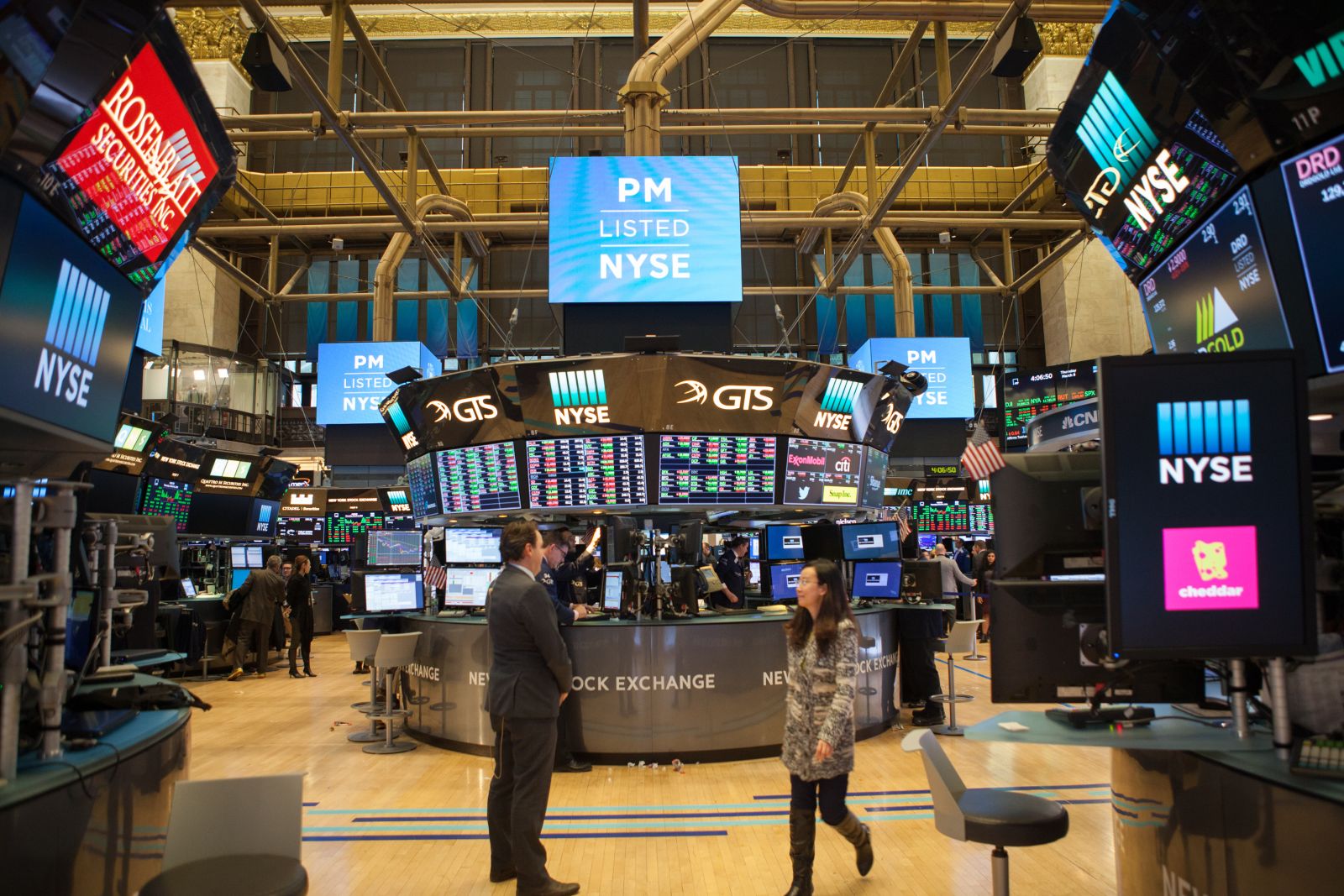
- Market Rally: The S&P 500 Index rose by 0.97%, the Dow Jones Industrial Average by 0.86%, and the Nasdaq 100 by 1.45%, reflecting growing investor confidence amid optimism that the Middle East conflict may soon conclude, which could stabilize global markets.
- Strong Economic Data: The US ADP employment change for March increased by 62,000, surpassing expectations of 40,000, while February retail sales rose by 0.6% month-over-month, indicating robust economic recovery that may influence Federal Reserve policy decisions.
- Interest Rate Outlook: Despite a mere 1% chance of a 25 basis point rate hike at the upcoming FOMC meeting, hawkish comments from St. Louis Fed President raised concerns about inflation and employment risks, potentially affecting investor sentiment and market dynamics.
- Divergent Stock Performances: Target Hospitality surged by over 37% after securing a multi-year contract worth over $550 million, while Nike fell by more than 13% due to revenue forecasts indicating a decline, highlighting varied market reactions to company-specific news.
See More
Eli Lilly Gains FDA Approval, Shares Rise
- FDA Drug Approval: Eli Lilly's once-daily GLP-1 pill Foundayo received FDA approval, leading to a 4% rise in shares, which will enhance the company's competitive edge in the obesity treatment market and drive future sales growth.
- Cybersecurity Incident Impact: Hasbro's shares fell over 4% due to a cybersecurity incident involving unauthorized network access, with the company investigating the full impact and implementing protective measures, potentially increasing operational costs in the short term.
- Tobacco Product Delay: Philip Morris International's shares dropped more than 5% after the FDA delayed authorization for nicotine pouch sales, which may hinder the company's future market expansion plans, particularly among new user demographics.
- Semiconductor Buyback Plan: Intel announced a $14.2 billion buyback of a 49% stake in its Ireland Fab 34 joint venture, resulting in a 9% increase in shares, with funding sourced from cash on hand and approximately $6.5 billion in new debt, expected to strengthen its position in the global semiconductor market.
See More