Cathie Wood Says Palantir, Tesla, Coinbase And This Amazon Rival Are 'Tip Of The Spear' As Innovation Disrupts Old World In Equity Benchmarks
Written by Emily J. Thompson, Senior Investment Analyst
Updated: May 15 2025
0mins


Source: Benzinga
Cathie Wood's Investment Focus: Cathie Wood, CEO of Ark Invest, emphasized her confidence in innovative stocks like Tesla, Palantir, Coinbase, and Shopify, which she believes will disrupt traditional industries and lead equity benchmarks.
Coinbase's S&P 500 Inclusion: Following Coinbase's recent inclusion in the S&P 500 as the first crypto company, Wood suggests that this will influence other fund managers to consider its stock, while also maintaining a bullish outlook on Bitcoin's future value.
Trade with 70% Backtested Accuracy
Stop guessing "Should I Buy TSLA?" and start using high-conviction signals backed by rigorous historical data.
Sign up today to access powerful investing tools and make smarter, data-driven decisions.
Analyst Views on TSLA
Wall Street analysts forecast TSLA stock price to fall
30 Analyst Rating
12 Buy
11 Hold
7 Sell
Hold
Current: 420.600

Low
25.28
Averages
401.93
High
600.00
Current: 420.600
Low
25.28
Averages
401.93
High
600.00
About TSLA
Tesla, Inc. designs, develops, manufactures, sells and leases high-performance fully electric vehicles and energy generation and storage systems, and offers services related to its products. Its segments include automotive, and energy generation and storage. The automotive segment includes the design, development, manufacturing, sales and leasing of high-performance fully electric vehicles, and sales of automotive regulatory credits. It also includes sales of used vehicles, non-warranty maintenance services and collisions, part sales, paid supercharging, insurance services revenue and retail merchandise sales. The energy generation and storage segment include the design, manufacture, installation, sales and leasing of solar energy generation and energy storage products and related services and sales of solar energy systems incentives. Its consumer vehicles include the Model 3, Y, S, X and Cybertruck. Its lithium-ion battery energy storage products include Powerwall and Megapack.
About the author

Emily J. Thompson
Emily J. Thompson, a Chartered Financial Analyst (CFA) with 12 years in investment research, graduated with honors from the Wharton School. Specializing in industrial and technology stocks, she provides in-depth analysis for Intellectia’s earnings and market brief reports.

Munster Predicts Tesla Deliveries Exceed Expectations

- Delivery Forecast: Gene Munster of Deepwater Asset Management predicts Tesla will deliver 420,000 vehicles in Q2, slightly above Wall Street's consensus of 406,000, indicating an improvement in underlying demand trends with an expected 9% year-over-year growth.
- Core Demand Growth: Adjusting for the absence of Model S and X deliveries last year, the 406,000 consensus implies an 8% year-over-year growth in Model 3 and Y deliveries, while Munster's estimate suggests this could rise to approximately 12%, marking Tesla's strongest underlying delivery growth since December 2023.
- Focus on Autonomy: Munster emphasizes that Full Self-Driving (FSD) adoption and the path to unsupervised autonomy are more critical than quarterly delivery numbers, noting that active FSD subscriptions reached 1.28 million in March, up 51% year-over-year.
- Market Sentiment Shift: On Stocktwits, retail sentiment around TSLA stock shifted from 'neutral' to 'bullish' in the past 24 hours, although some users expressed doubts about the upcoming delivery report, reflecting heightened market attention on Tesla's future performance.
See More
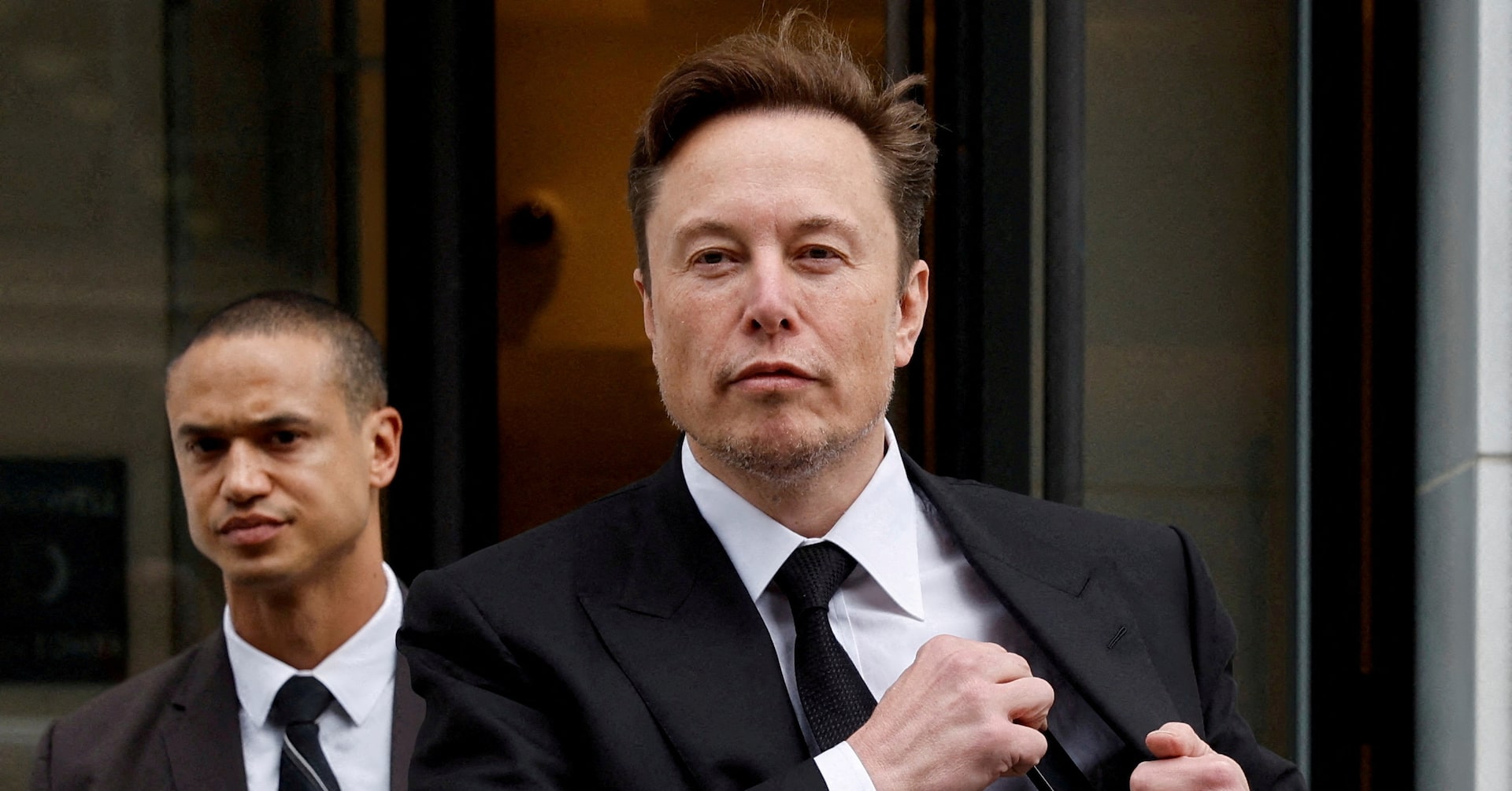
Market Comparison Between SpaceX and Tesla
- Valuation Discrepancy: SpaceX's IPO price was $135 per share, with a market cap exceeding $2 trillion, while Tesla went public in 2010 at $17 per share, highlighting a significant difference in market positioning between the two companies.
- Stock Split Potential: SpaceX briefly surged 50% post-IPO, and if its market cap reaches $10 trillion, a stock split could be considered, contrasting with Tesla's decade-long wait for its first split, indicating SpaceX's rapid growth potential.
- Technical Challenges and Opportunities: SpaceX aims to launch AI data center satellites by 2027, targeting 1 terawatt of computing power by 2030; if successful, it could become a key player in global AI infrastructure, significantly boosting the company's value.
- Investor Caution: Despite SpaceX's ambitious vision, a reported net loss in 2025 and potential technical and market challenges suggest investors should be cautious, recommending monitoring progress rather than investing blindly.
See More
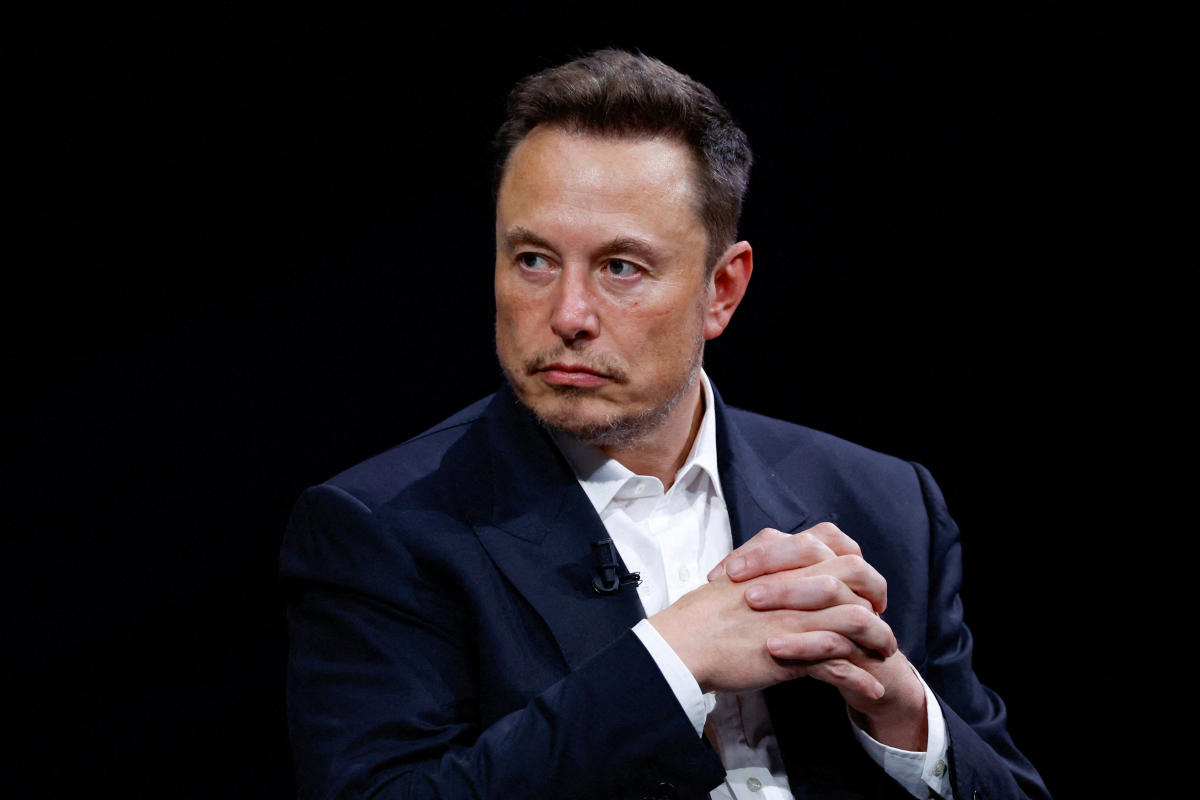
Tesla Model Y L Launch Imminent Amid Speculation
- Delivery Expectations Rise: Analyst Troy Teslike estimates Q2 deliveries at 466,000, significantly above the consensus of 406,024, indicating a potential boost in investor confidence if these numbers materialize.
- Model Y L Anticipation: Tesla fans speculate about the imminent launch of the Model Y L, which is expected to meet the growing demand for a roomier SUV in the U.S. market, especially following the discontinuation of the Model X, highlighting a strategic gap in Tesla's lineup.
- Stock Price Fluctuation: Despite a 12% increase in TSLA shares this week, the stock slipped 0.3% ahead of the delivery report, reflecting cautious investor sentiment regarding the upcoming delivery figures, which could impact short-term trading strategies.
- Retail Sentiment Shift: Retail sentiment for TSLA has flipped from bearish to bullish over the past week, as indicated by Stocktwits data, suggesting that investors are optimistic about the upcoming delivery numbers, which could further drive stock price increases.
See More
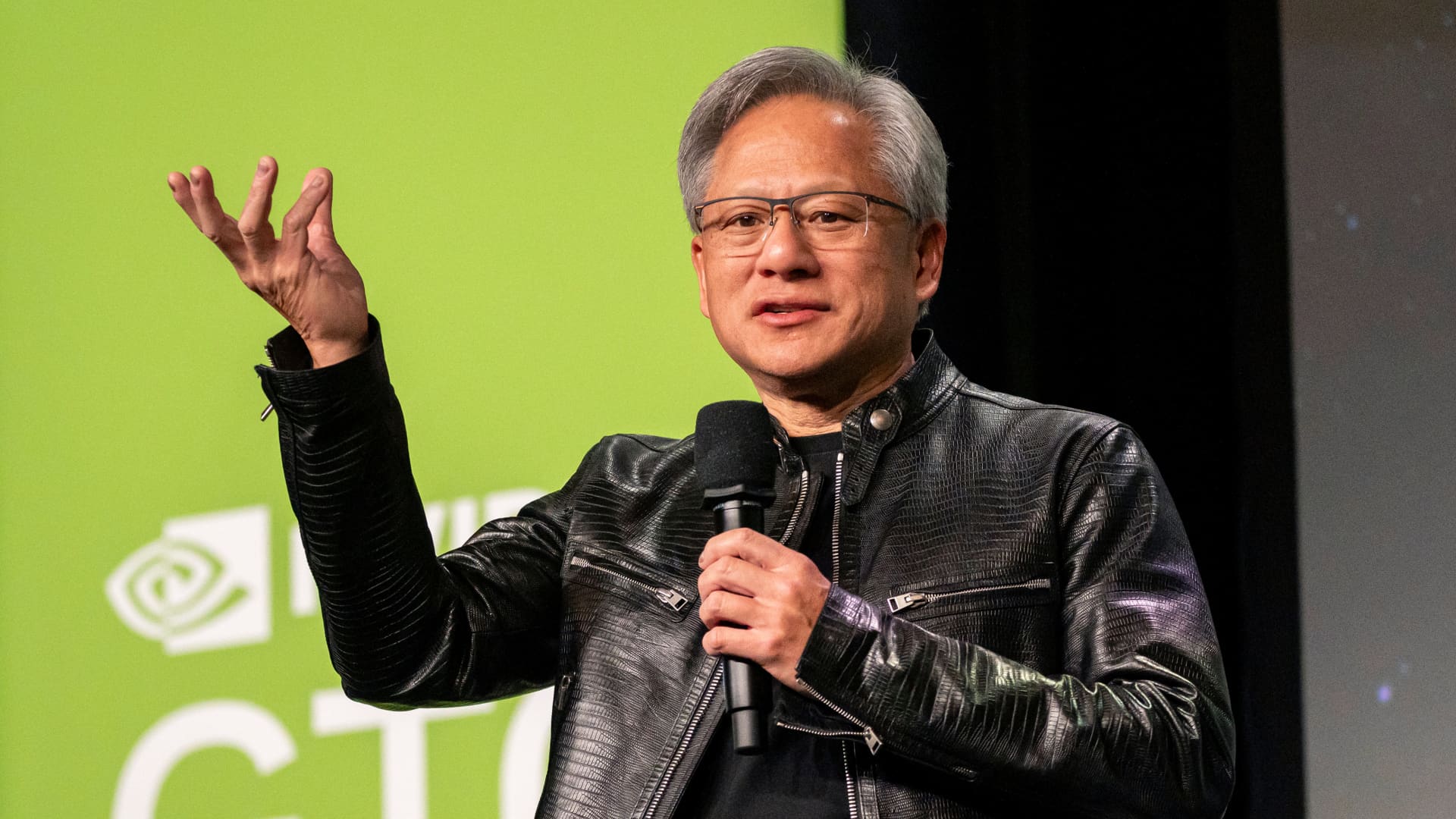
Trump and Vance Show Stark Investment Differences

- Investment Disclosure Comparison: Trump's financial disclosure spans 927 pages with 21,285 trades across numerous companies, while Vance's is only 17 pages long, showing a stark contrast in their investment strategies with Vance focusing on just 10 transactions in market-linked ETFs.
- Income Source Analysis: In 2025, Vance's income of $7.4 million primarily came from royalties of his bestselling memoir 'Hillbilly Elegy', whereas Trump generated at least $2.24 billion, highlighting the significant differences in their income sources.
- Cryptocurrency Investments: Both leaders are actively investing in digital currencies, with Vance holding between $250,001 and $500,000 in Bitcoin in a Coinbase account, while Trump reported about $1.2 billion in crypto-related income, indicating their alignment in emerging asset classes.
- Market Impact and Policy: Trump's policies aim to position the U.S. as a global hub for digital assets, with a White House spokesperson stating that his initiatives are designed to drive innovation and economic opportunities, reflecting his strategic intent in the digital economy.
See More
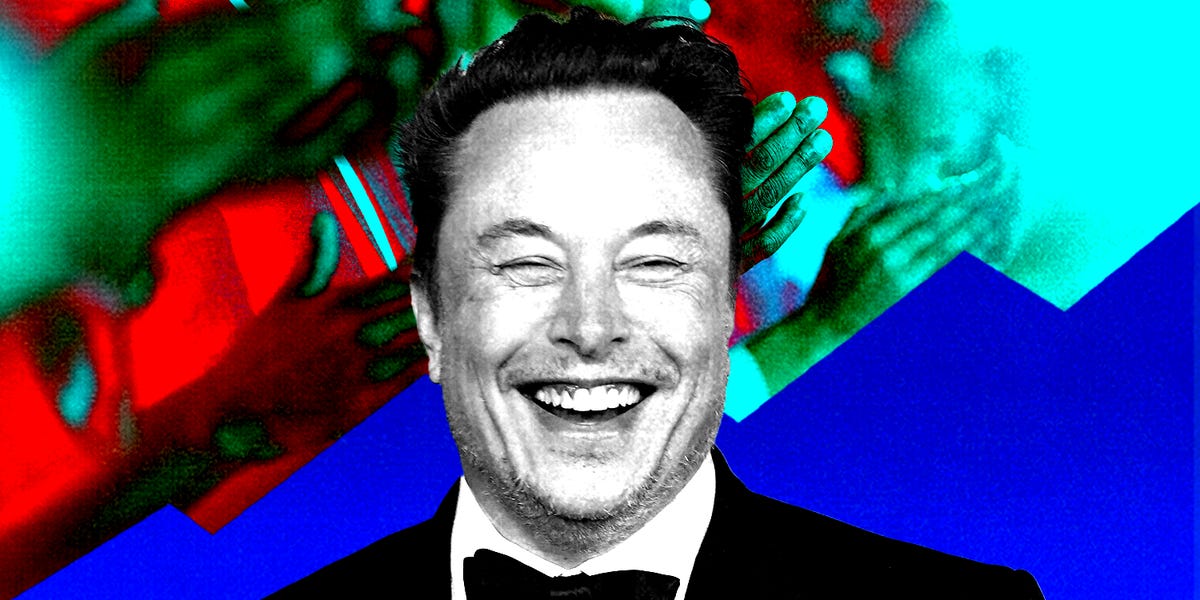
Judge Appoints Mediator to Resolve AI Dispute Between Musk and Altman
- Mediator Appointment: U.S. District Judge Yvonne Gonzalez Rogers has appointed R. David Proctor, a senior federal judge from Alabama, to mediate the legal dispute between Elon Musk and Sam Altman, aiming for a 'just, speedy, and inexpensive resolution,' highlighting the court's emphasis on resolving the conflict efficiently.
- Lawsuit Failure Impact: Musk's $150 billion lawsuit against OpenAI and Altman was dismissed by a federal jury in May, which took less than two hours to deliberate in Oakland, California, indicating Musk's failure to file within the legally required timeframe, significantly undermining his credibility in the AI race.
- Consequences of Judge's Ruling: Following the jury's decision, Judge Gonzalez Rogers dismissed all of Musk's claims, a ruling that not only tarnishes Musk's reputation but also raises doubts about his competitive position in AI, potentially diminishing investor confidence in his future projects.
- Market Reaction: The legal battle between Musk and Altman has drawn market attention to the competitive landscape of the AI industry, particularly as Musk attempts to establish himself as a significant player, leading investors to express concerns over execution risks and market potential.
See More
Magnificent Seven Lose $2.3 Trillion in Market Value

- Market Value Decline: In June 2026, the 'Magnificent Seven' collectively lost about $2.3 trillion in market value, indicating a significant decline in investor confidence and reflecting concerns over future returns from these tech giants.
- ETF Outflows: The Roundhill Magnificent Seven ETF experienced over $700 million in outflows in June, marking its worst monthly performance since its launch in 2023, suggesting a waning enthusiasm among investors for tech stocks.
- Surge in AI Spending: The five largest hyperscalers are projected to spend over $700 billion on AI infrastructure in 2026, with Microsoft alone nearing $190 billion, leading to capital expenditures rising from 70% of operating cash flow in 2025 to nearly 100%, which could impact future shareholder returns.
- Divergent Market Performance: While the 'Magnificent Seven' struggled, the remaining 493 companies in the S&P 500 saw earnings growth of 17.5% in Q1, highlighting a broad market divergence as investors shift focus to non-tech investment opportunities.
See More
Munster Predicts Tesla Deliveries Exceed Expectations
- Delivery Forecast: Gene Munster of Deepwater Asset Management predicts Tesla will deliver 420,000 vehicles in Q2, slightly above Wall Street's consensus of 406,000, indicating an improvement in underlying demand trends with an expected 9% year-over-year growth.
- Core Demand Growth: Adjusting for the absence of Model S and X deliveries last year, the 406,000 consensus implies an 8% year-over-year growth in Model 3 and Y deliveries, while Munster's estimate suggests this could rise to approximately 12%, marking Tesla's strongest underlying delivery growth since December 2023.
- Focus on Autonomy: Munster emphasizes that Full Self-Driving (FSD) adoption and the path to unsupervised autonomy are more critical than quarterly delivery numbers, noting that active FSD subscriptions reached 1.28 million in March, up 51% year-over-year.
- Market Sentiment Shift: On Stocktwits, retail sentiment around TSLA stock shifted from 'neutral' to 'bullish' in the past 24 hours, although some users expressed doubts about the upcoming delivery report, reflecting heightened market attention on Tesla's future performance.
See More
Market Comparison Between SpaceX and Tesla
- Valuation Discrepancy: SpaceX's IPO price was $135 per share, with a market cap exceeding $2 trillion, while Tesla went public in 2010 at $17 per share, highlighting a significant difference in market positioning between the two companies.
- Stock Split Potential: SpaceX briefly surged 50% post-IPO, and if its market cap reaches $10 trillion, a stock split could be considered, contrasting with Tesla's decade-long wait for its first split, indicating SpaceX's rapid growth potential.
- Technical Challenges and Opportunities: SpaceX aims to launch AI data center satellites by 2027, targeting 1 terawatt of computing power by 2030; if successful, it could become a key player in global AI infrastructure, significantly boosting the company's value.
- Investor Caution: Despite SpaceX's ambitious vision, a reported net loss in 2025 and potential technical and market challenges suggest investors should be cautious, recommending monitoring progress rather than investing blindly.
See More
Tesla Model Y L Launch Imminent Amid Speculation
- Delivery Expectations Rise: Analyst Troy Teslike estimates Q2 deliveries at 466,000, significantly above the consensus of 406,024, indicating a potential boost in investor confidence if these numbers materialize.
- Model Y L Anticipation: Tesla fans speculate about the imminent launch of the Model Y L, which is expected to meet the growing demand for a roomier SUV in the U.S. market, especially following the discontinuation of the Model X, highlighting a strategic gap in Tesla's lineup.
- Stock Price Fluctuation: Despite a 12% increase in TSLA shares this week, the stock slipped 0.3% ahead of the delivery report, reflecting cautious investor sentiment regarding the upcoming delivery figures, which could impact short-term trading strategies.
- Retail Sentiment Shift: Retail sentiment for TSLA has flipped from bearish to bullish over the past week, as indicated by Stocktwits data, suggesting that investors are optimistic about the upcoming delivery numbers, which could further drive stock price increases.
See More
Trump and Vance Show Stark Investment Differences
- Investment Disclosure Comparison: Trump's financial disclosure spans 927 pages with 21,285 trades across numerous companies, while Vance's is only 17 pages long, showing a stark contrast in their investment strategies with Vance focusing on just 10 transactions in market-linked ETFs.
- Income Source Analysis: In 2025, Vance's income of $7.4 million primarily came from royalties of his bestselling memoir 'Hillbilly Elegy', whereas Trump generated at least $2.24 billion, highlighting the significant differences in their income sources.
- Cryptocurrency Investments: Both leaders are actively investing in digital currencies, with Vance holding between $250,001 and $500,000 in Bitcoin in a Coinbase account, while Trump reported about $1.2 billion in crypto-related income, indicating their alignment in emerging asset classes.
- Market Impact and Policy: Trump's policies aim to position the U.S. as a global hub for digital assets, with a White House spokesperson stating that his initiatives are designed to drive innovation and economic opportunities, reflecting his strategic intent in the digital economy.
See More
Judge Appoints Mediator to Resolve AI Dispute Between Musk and Altman
- Mediator Appointment: U.S. District Judge Yvonne Gonzalez Rogers has appointed R. David Proctor, a senior federal judge from Alabama, to mediate the legal dispute between Elon Musk and Sam Altman, aiming for a 'just, speedy, and inexpensive resolution,' highlighting the court's emphasis on resolving the conflict efficiently.
- Lawsuit Failure Impact: Musk's $150 billion lawsuit against OpenAI and Altman was dismissed by a federal jury in May, which took less than two hours to deliberate in Oakland, California, indicating Musk's failure to file within the legally required timeframe, significantly undermining his credibility in the AI race.
- Consequences of Judge's Ruling: Following the jury's decision, Judge Gonzalez Rogers dismissed all of Musk's claims, a ruling that not only tarnishes Musk's reputation but also raises doubts about his competitive position in AI, potentially diminishing investor confidence in his future projects.
- Market Reaction: The legal battle between Musk and Altman has drawn market attention to the competitive landscape of the AI industry, particularly as Musk attempts to establish himself as a significant player, leading investors to express concerns over execution risks and market potential.
See More
Magnificent Seven Lose $2.3 Trillion in Market Value
- Market Value Decline: In June 2026, the 'Magnificent Seven' collectively lost about $2.3 trillion in market value, indicating a significant decline in investor confidence and reflecting concerns over future returns from these tech giants.
- ETF Outflows: The Roundhill Magnificent Seven ETF experienced over $700 million in outflows in June, marking its worst monthly performance since its launch in 2023, suggesting a waning enthusiasm among investors for tech stocks.
- Surge in AI Spending: The five largest hyperscalers are projected to spend over $700 billion on AI infrastructure in 2026, with Microsoft alone nearing $190 billion, leading to capital expenditures rising from 70% of operating cash flow in 2025 to nearly 100%, which could impact future shareholder returns.
- Divergent Market Performance: While the 'Magnificent Seven' struggled, the remaining 493 companies in the S&P 500 saw earnings growth of 17.5% in Q1, highlighting a broad market divergence as investors shift focus to non-tech investment opportunities.
See More