Capital One Financial Stock Plummets Amid Recession Fears
Written by Emily J. Thompson, Senior Investment Analyst
Updated: Mar 12 2026
0mins
Source: Fool
- Stock Underperformance: As of 2026, Capital One's stock has dropped over 20%, contrasting sharply with the S&P 500's 1% decline, indicating significant investor concerns regarding its future profitability amidst economic uncertainty.
- Rising Recession Risks: Capital One's focus on extending credit to lower-credit-score customers makes it vulnerable during recessions, as these customers tend to default more frequently, especially with rising energy prices and consumer financial strain.
- Impact of Discover Acquisition: The $35.3 billion acquisition of Discover is still being integrated, which is currently impacting Capital One's income statement; however, successfully transitioning customers to Discover-branded cards could provide a more stable revenue stream in the long run.
- Capital Adequacy Advantage: With a tier one capital ratio of 14.3% at the end of 2025, exceeding Bank of America's 12.8%, Capital One is potentially better positioned to navigate economic downturns, which may enhance investor confidence in its resilience.
Trade with 70% Backtested Accuracy
Stop guessing "Should I Buy COF?" and start using high-conviction signals backed by rigorous historical data.
Sign up today to access powerful investing tools and make smarter, data-driven decisions.
Analyst Views on COF
Wall Street analysts forecast COF stock price to rise
19 Analyst Rating
16 Buy
3 Hold
0 Sell
Strong Buy
Current: 186.660

Low
256.00
Averages
280.42
High
310.00
Current: 186.660
Low
256.00
Averages
280.42
High
310.00
About COF
Capital One Financial Corporation is a diversified financial services holding company with banking and non-banking subsidiaries. The Company offers a broad spectrum of financial products and services to consumers, small businesses and commercial clients through a variety of channels. It operates through three segments: Credit Card, Consumer Banking and Commercial Banking. The Credit Card segment consists of its domestic consumer and small business card lending, and international card businesses in the United Kingdom and Canada. The Consumer Banking segment consists of its deposit gathering and lending activities for consumers and small businesses, and national auto lending. The Commercial Banking segment consists of its lending, deposit gathering, capital markets and treasury management services to commercial real estate and commercial and industrial customers. Its principal operating subsidiary is Capital One, National Association, which offers banking products and financial services.
About the author

Emily J. Thompson
Emily J. Thompson, a Chartered Financial Analyst (CFA) with 12 years in investment research, graduated with honors from the Wharton School. Specializing in industrial and technology stocks, she provides in-depth analysis for Intellectia’s earnings and market brief reports.
Friday Market Watch: Earnings Reports and Stock Movements

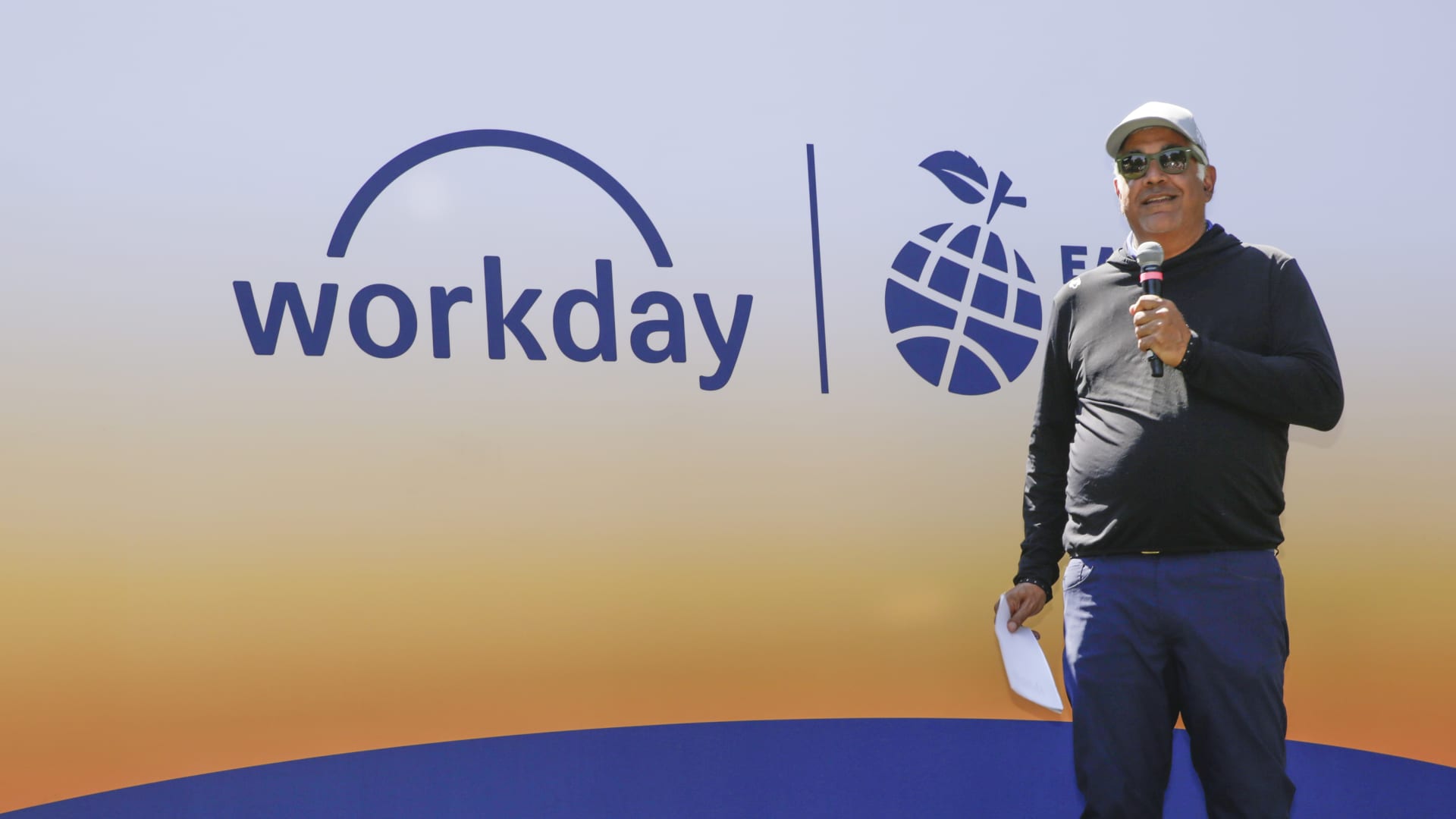
- Workday Earnings Beat: Workday reported earnings that exceeded expectations on both revenue and profit, leading to a stock price increase of over 7%, while also raising its full-year margin outlook, indicating the effectiveness of its AI strategy and potentially attracting more investor interest.
- Deckers Sales Growth: Deckers Outdoor reported a 14.5% increase in Hoka sales and a 9.2% increase in Ugg sales, although its stock fell about 2.5%, the company provided full-year guidance above Wall Street expectations, indicating strong market demand.
- Take-Two Stock Rally: Take-Two Interactive shares rose over 3% after reaffirming that Grand Theft Auto VI will be released in November, despite facing multiple delays, this news may restore market confidence in its future revenues.
- Zoom Guidance Raised: Zoom Communication's earnings beat expectations, with a stock price increase of over 7% and an upgraded full-year guidance, leading KeyBanc to raise its rating from sell to hold, reflecting improved profitability and steady market performance.
See More

Capital One Approves Quarterly Dividend Amid Strong Earnings

- Quarterly Dividend Approval: Capital One Financial Corporation's board approved a $0.80 per share quarterly dividend, set to be paid on June 1, 2026, reflecting the company's commitment to shareholder returns and its stable financial condition.
- Annual Dividend Yield: This dividend translates to an annualized payout of $3.2 per share and a yield of 1.7%, indicating the company's ability to provide consistent cash flow to investors while maintaining profitability.
- Strong Financial Performance: In Q1 2026, Capital One reported a net income of $2.2 billion, or $3.34 per share, an increase from $2.1 billion and $3.26 per share in Q4 2025, showcasing the company's competitive edge and profitability in the market.
- Acquisition Integration Benefits: Capital One continues to benefit from the integration of the Discover acquisition, driving growth momentum and demonstrating the company's success in merging new business operations, further solidifying its position in the financial services industry.
See More
Capital One Sues Operators of Scam Campaigns for Trademark Infringement

- Trademark Infringement Lawsuit: Capital One filed a lawsuit in the U.S. District Court for the Eastern District of Virginia against ten unidentified defendants, accusing them of using automated robocalls and telemarketing campaigns that infringe on its trademarks, misleading consumers and damaging the company's reputation and customer trust.
- Surge in Scam Calls: According to 2025 data from the Federal Trade Commission, imposter scams received over 1 million complaints last year, resulting in losses exceeding $3.5 billion, highlighting the prevalence and serious threat of such fraud, with Capital One's lawsuit aiming to combat this alarming trend through legal action.
- Strategic Legal Action: The vice president of Capital One stated that the lawsuit seeks not only damages but also aims to expose and deter bad actors, attempting to disrupt their infrastructure and protect consumers and the company's interests through legal means.
- Industry Collaboration Initiative: The Global Anti-Scam Alliance encourages more companies to take legal action against scammers, with Capital One as a member, demonstrating its commitment to fostering collaboration and legal initiatives within the industry to tackle the increasingly complex issue of fraud.
See More
Market Outlook: Inflation Pressures and Tech Stock Dynamics

- Inflation Data Surprises: April's Consumer Price Index (CPI) rose 3.8% year-over-year, exceeding the 3.7% expectation, while core CPI also slightly surpassed forecasts at 2.8%, putting pressure on Fed rate cut hopes and potentially affecting market sentiment.
- Nvidia's Earnings Outlook Positive: Despite Nvidia's stock hitting a record high with a 16% gain over the past month, analysts maintain a bullish stance, believing the stock, trading at under 20 times 2028 earnings estimates, is worth buying, with price targets raised from $265 to $315.
- AMD and Super Micro Price Target Increases: Mizuho raised AMD's price target from $414 to $515, citing agentic AI driving server demand, while Super Micro's target was increased to $36 due to strong AI server demand, although concerns linger about the company's ties to China.
- Qnity Electronics Strong Performance: Qnity Electronics reported better-than-expected earnings with a 17% organic sales growth driven by the AI boom, leading to a more than 3% stock increase, indicating strong market demand and future growth potential.
See More

Pharmaceutical Stocks Rise Amid Hantavirus Outbreak


- Pharmaceutical Stocks Rise: Pharmaceutical stocks are climbing amid the recent hantavirus outbreak, although officials state that the public health risk is low, indicating strong market confidence in the pharmaceutical sector, which may drive stock prices higher for related companies.
- Oil Price Fluctuations: Oil futures rose overnight following Trump's rejection of Iran's peace proposal, as investors worry that prolonged conflict will further strain crude supply, potentially leading to instability in the energy market and impacting the profitability of related firms.
- Google Stock Surge: Alphabet's stock has climbed over 160% in the past 12 months, making it the best-performing trillion-dollar U.S. tech company, reflecting strong market confidence in its artificial intelligence capabilities, which may attract more investor interest.
- Target's New Strategy: Target has rolled out
See More
Pharmaceutical Stocks Rise Amid Hantavirus Outbreak
- Pharmaceutical Stocks Rise: Pharmaceutical stocks are climbing due to the recent hantavirus outbreak, although officials state that the public health risk is low, indicating increased market confidence in the pharmaceutical sector, which may drive stock prices higher.
- Oil Price Fluctuations: Oil prices rose overnight following Trump's rejection of Iran's peace proposal, as investors worry that prolonged conflict will further strain crude supply, potentially leading to instability in the energy market and affecting operational costs for related companies.
- Tech Stock Performance: Alphabet's stock has surged over 160% in the past 12 months, making it the best-performing trillion-dollar U.S. tech company, reflecting strong market confidence in its artificial intelligence capabilities, which may attract more investor interest in its future growth.
- Retail Strategy Adjustment: Target has opened
See More
Friday Market Watch: Earnings Reports and Stock Movements
- Workday Earnings Beat: Workday reported earnings that exceeded expectations on both revenue and profit, leading to a stock price increase of over 7%, while also raising its full-year margin outlook, indicating the effectiveness of its AI strategy and potentially attracting more investor interest.
- Deckers Sales Growth: Deckers Outdoor reported a 14.5% increase in Hoka sales and a 9.2% increase in Ugg sales, although its stock fell about 2.5%, the company provided full-year guidance above Wall Street expectations, indicating strong market demand.
- Take-Two Stock Rally: Take-Two Interactive shares rose over 3% after reaffirming that Grand Theft Auto VI will be released in November, despite facing multiple delays, this news may restore market confidence in its future revenues.
- Zoom Guidance Raised: Zoom Communication's earnings beat expectations, with a stock price increase of over 7% and an upgraded full-year guidance, leading KeyBanc to raise its rating from sell to hold, reflecting improved profitability and steady market performance.
See More
Capital One Approves Quarterly Dividend Amid Strong Earnings
- Quarterly Dividend Approval: Capital One Financial Corporation's board approved a $0.80 per share quarterly dividend, set to be paid on June 1, 2026, reflecting the company's commitment to shareholder returns and its stable financial condition.
- Annual Dividend Yield: This dividend translates to an annualized payout of $3.2 per share and a yield of 1.7%, indicating the company's ability to provide consistent cash flow to investors while maintaining profitability.
- Strong Financial Performance: In Q1 2026, Capital One reported a net income of $2.2 billion, or $3.34 per share, an increase from $2.1 billion and $3.26 per share in Q4 2025, showcasing the company's competitive edge and profitability in the market.
- Acquisition Integration Benefits: Capital One continues to benefit from the integration of the Discover acquisition, driving growth momentum and demonstrating the company's success in merging new business operations, further solidifying its position in the financial services industry.
See More
Capital One Sues Operators of Scam Campaigns for Trademark Infringement
- Trademark Infringement Lawsuit: Capital One filed a lawsuit in the U.S. District Court for the Eastern District of Virginia against ten unidentified defendants, accusing them of using automated robocalls and telemarketing campaigns that infringe on its trademarks, misleading consumers and damaging the company's reputation and customer trust.
- Surge in Scam Calls: According to 2025 data from the Federal Trade Commission, imposter scams received over 1 million complaints last year, resulting in losses exceeding $3.5 billion, highlighting the prevalence and serious threat of such fraud, with Capital One's lawsuit aiming to combat this alarming trend through legal action.
- Strategic Legal Action: The vice president of Capital One stated that the lawsuit seeks not only damages but also aims to expose and deter bad actors, attempting to disrupt their infrastructure and protect consumers and the company's interests through legal means.
- Industry Collaboration Initiative: The Global Anti-Scam Alliance encourages more companies to take legal action against scammers, with Capital One as a member, demonstrating its commitment to fostering collaboration and legal initiatives within the industry to tackle the increasingly complex issue of fraud.
See More
Market Outlook: Inflation Pressures and Tech Stock Dynamics
- Inflation Data Surprises: April's Consumer Price Index (CPI) rose 3.8% year-over-year, exceeding the 3.7% expectation, while core CPI also slightly surpassed forecasts at 2.8%, putting pressure on Fed rate cut hopes and potentially affecting market sentiment.
- Nvidia's Earnings Outlook Positive: Despite Nvidia's stock hitting a record high with a 16% gain over the past month, analysts maintain a bullish stance, believing the stock, trading at under 20 times 2028 earnings estimates, is worth buying, with price targets raised from $265 to $315.
- AMD and Super Micro Price Target Increases: Mizuho raised AMD's price target from $414 to $515, citing agentic AI driving server demand, while Super Micro's target was increased to $36 due to strong AI server demand, although concerns linger about the company's ties to China.
- Qnity Electronics Strong Performance: Qnity Electronics reported better-than-expected earnings with a 17% organic sales growth driven by the AI boom, leading to a more than 3% stock increase, indicating strong market demand and future growth potential.
See More
Pharmaceutical Stocks Rise Amid Hantavirus Outbreak
- Pharmaceutical Stocks Rise: Pharmaceutical stocks are climbing amid the recent hantavirus outbreak, although officials state that the public health risk is low, indicating strong market confidence in the pharmaceutical sector, which may drive stock prices higher for related companies.
- Oil Price Fluctuations: Oil futures rose overnight following Trump's rejection of Iran's peace proposal, as investors worry that prolonged conflict will further strain crude supply, potentially leading to instability in the energy market and impacting the profitability of related firms.
- Google Stock Surge: Alphabet's stock has climbed over 160% in the past 12 months, making it the best-performing trillion-dollar U.S. tech company, reflecting strong market confidence in its artificial intelligence capabilities, which may attract more investor interest.
- Target's New Strategy: Target has rolled out
See More
Pharmaceutical Stocks Rise Amid Hantavirus Outbreak
- Pharmaceutical Stocks Rise: Pharmaceutical stocks are climbing due to the recent hantavirus outbreak, although officials state that the public health risk is low, indicating increased market confidence in the pharmaceutical sector, which may drive stock prices higher.
- Oil Price Fluctuations: Oil prices rose overnight following Trump's rejection of Iran's peace proposal, as investors worry that prolonged conflict will further strain crude supply, potentially leading to instability in the energy market and affecting operational costs for related companies.
- Tech Stock Performance: Alphabet's stock has surged over 160% in the past 12 months, making it the best-performing trillion-dollar U.S. tech company, reflecting strong market confidence in its artificial intelligence capabilities, which may attract more investor interest in its future growth.
- Retail Strategy Adjustment: Target has opened
See More