Cadence Expands Partnership with TSMC to Drive AI Innovation
- Partnership Expansion: Cadence's collaboration with TSMC has been expanded to accelerate AI-driven semiconductor innovation, delivering end-to-end design infrastructure and advanced certified flows that help customers achieve more efficient designs on advanced nodes like N3 and N2.
- Customer Momentum: An increasing number of customers are successfully designing on TSMC's 3nm and 2nm technologies, reflecting broad adoption across the AI and high-performance computing ecosystem, further emphasizing the importance of certified flows and silicon-proven IP in accelerating next-generation AI silicon delivery.
- Intelligent Design Flows: Cadence is developing 'agent-ready' design flows that combine physics-based analysis with domain reasoning, enhancing design PPA (performance, power, area) and reliability to meet the growing demands of AI compute workloads.
- Market Impact: Through collaboration with TSMC, Cadence not only enhances the efficiency of its EDA tools but also provides silicon-validated solutions with high-bandwidth connectivity, facilitating the rapid market delivery of AI inference accelerator chips.
Trade with 70% Backtested Accuracy
Analyst Views on CDNS

About CDNS
About the author

Cadence Expands Partnership with TSMC to Enhance AI Chip Development

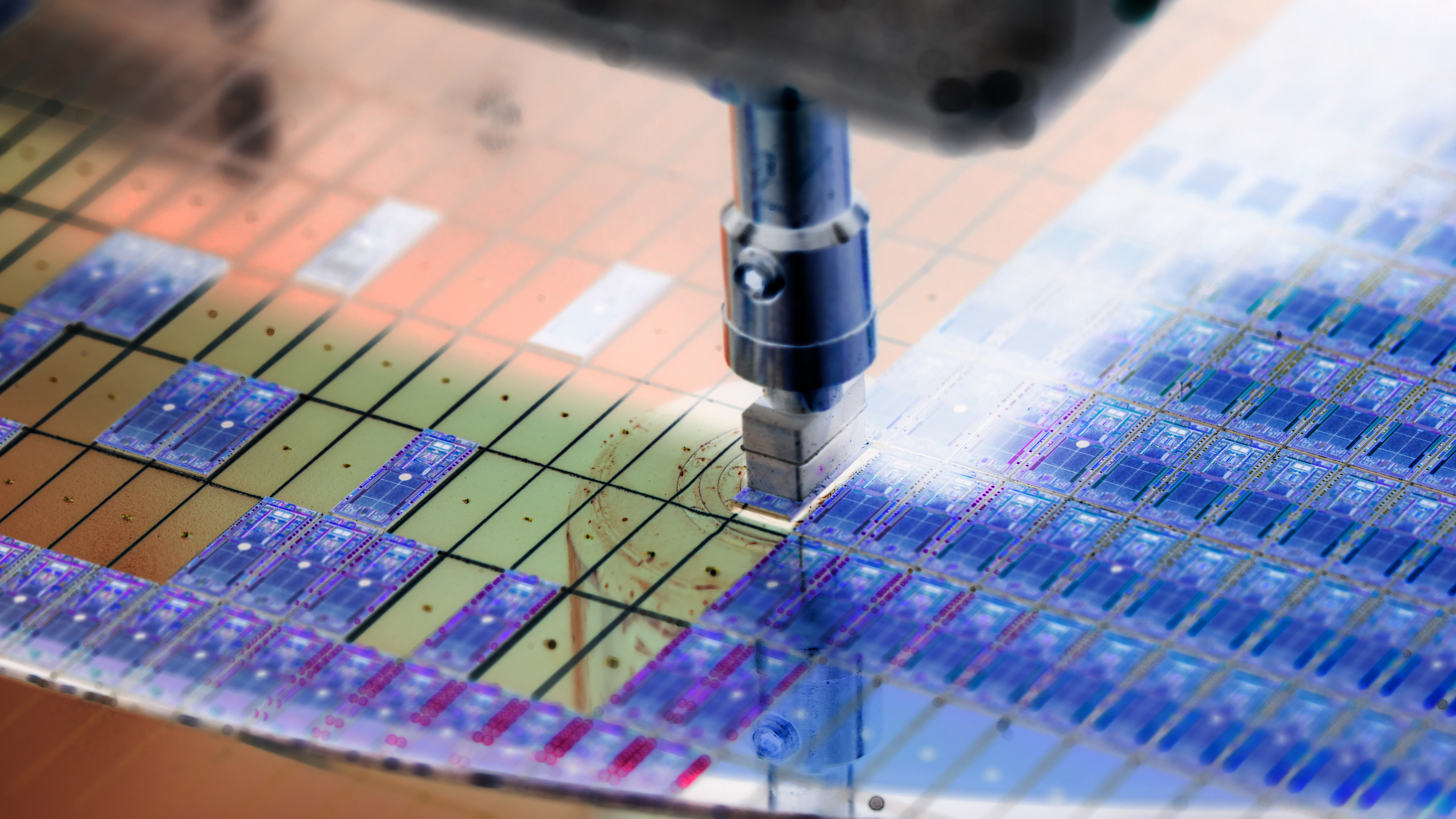
- Partnership Expansion: Cadence Design Systems has expanded its partnership with Taiwan Semiconductor Manufacturing Company (TSMC) to enhance the efficiency of AI chip development, which is expected to significantly accelerate the chipmaking process and reduce iterations.
- Technology Integration: The collaboration will deliver end-to-end design infrastructure and advanced certified flows covering TSMC's N3, N2, A16, and A14 process technologies, further advancing the design and production of AI silicon.
- Market Reaction: Cadence shares rose 1.6% during Wednesday's trading, reflecting positive market expectations regarding its collaboration with TSMC, indicating investor confidence in the company's future growth.
- Industry Impact: Chipmakers like Nvidia and Arm are leveraging these new technologies, highlighting that Cadence's innovations will have a profound impact on the global semiconductor ecosystem, driving the development of next-generation AI and high-performance computing infrastructure.

Cadence Expands Partnership with TSMC to Drive AI Innovation
- Partnership Expansion: Cadence's collaboration with TSMC has been expanded to accelerate AI-driven semiconductor innovation, delivering end-to-end design infrastructure and advanced certified flows that help customers achieve more efficient designs on advanced nodes like N3 and N2.
- Customer Momentum: An increasing number of customers are successfully designing on TSMC's 3nm and 2nm technologies, reflecting broad adoption across the AI and high-performance computing ecosystem, further emphasizing the importance of certified flows and silicon-proven IP in accelerating next-generation AI silicon delivery.
- Intelligent Design Flows: Cadence is developing 'agent-ready' design flows that combine physics-based analysis with domain reasoning, enhancing design PPA (performance, power, area) and reliability to meet the growing demands of AI compute workloads.
- Market Impact: Through collaboration with TSMC, Cadence not only enhances the efficiency of its EDA tools but also provides silicon-validated solutions with high-bandwidth connectivity, facilitating the rapid market delivery of AI inference accelerator chips.

CADENCE DESIGN SYSTEMS INC - PARTNERSHIP PROVIDES IP AND CERTIFIED FLOWS FOR TSMC N3, N2, A16, AND A14 PROCESS TECHNOLOGIES
Collaboration in Design: The article discusses the importance of collaboration in design systems, emphasizing how teamwork enhances creativity and innovation.
Certified Flows for Technologies: It highlights the delivery of certified flows for various technologies, specifically mentioning TS MC N3, N2, A16, and A14 processes.
Focus on Systematic Approaches: The piece underscores the need for systematic approaches in design to ensure efficiency and effectiveness in project execution.
Impact on Industry Standards: The article suggests that these collaborative efforts and certified processes could significantly influence industry standards and practices.
CADENCE PARTNERS WITH TSMC TO SPEED UP DEVELOPMENT OF NEXT-GEN AI CHIPS
Collaboration Announcement: Cadence collaborates with TSMC to enhance the design of next-generation AI silicon.
Focus on Acceleration: The partnership aims to accelerate the development and deployment of advanced AI technologies.

U.S. Stocks Mixed as Oil Prices Rebound


- Market Performance: The S&P 500 Index fell by 0.13%, and the Dow Jones Industrial Average also declined by 0.13%, while the Nasdaq 100 saw a slight increase of 0.02%, reflecting market volatility influenced by oil price rebounds and economic data.
- Strong Economic Data: March retail sales rose by 1.7% month-over-month, exceeding expectations of 1.4%, marking the largest increase in a year, indicating robust consumer spending that may support stock prices.
- Oil Price Recovery: WTI crude oil prices rebounded by over 2% as market speculation intensified regarding Iran's participation in upcoming peace talks, potentially exacerbating the global energy crisis.
- Impressive Earnings Reports: UnitedHealth Group reported Q1 adjusted EPS of $9.23, significantly above the consensus of $6.57, leading to a stock price increase of over 7% and raising its full-year earnings forecast, showcasing strong performance in the health insurance sector.

Stock Markets Decline Amid Soaring Oil Prices and Geopolitical Tensions

- Oil Price Surge Impacts Markets: The S&P 500 index fell 0.24%, the Dow Jones Industrial Average dropped 0.01%, and the Nasdaq 100 index declined 0.31% on Monday as WTI crude prices surged over 6%, indicating market sensitivity to rising energy costs amid geopolitical tensions.
- Geopolitical Risks Escalate: The closure of the Strait of Hormuz by Iran has raised market concerns, especially following U.S. Navy actions against Iranian tankers, which could exacerbate global oil and fuel shortages, further unsettling investor sentiment.
- Earnings Season Continues: So far, 81% of the 48 S&P 500 companies that reported earnings exceeded expectations, with Q1 earnings projected to rise 12% year-over-year; however, excluding the tech sector, growth is only expected at 3%, highlighting signs of economic weakness.
- Airline Stocks Under Pressure: Airline stocks retreated as rising oil prices weighed on profits, with American Airlines and Alaska Air both down over 4%, reflecting the direct impact of fuel costs on company earnings and potential downward revisions in future profit expectations.
Cadence Expands Partnership with TSMC to Enhance AI Chip Development
- Partnership Expansion: Cadence Design Systems has expanded its partnership with Taiwan Semiconductor Manufacturing Company (TSMC) to enhance the efficiency of AI chip development, which is expected to significantly accelerate the chipmaking process and reduce iterations.
- Technology Integration: The collaboration will deliver end-to-end design infrastructure and advanced certified flows covering TSMC's N3, N2, A16, and A14 process technologies, further advancing the design and production of AI silicon.
- Market Reaction: Cadence shares rose 1.6% during Wednesday's trading, reflecting positive market expectations regarding its collaboration with TSMC, indicating investor confidence in the company's future growth.
- Industry Impact: Chipmakers like Nvidia and Arm are leveraging these new technologies, highlighting that Cadence's innovations will have a profound impact on the global semiconductor ecosystem, driving the development of next-generation AI and high-performance computing infrastructure.
Cadence Expands Partnership with TSMC to Drive AI Innovation
- Partnership Expansion: Cadence's collaboration with TSMC has been expanded to accelerate AI-driven semiconductor innovation, delivering end-to-end design infrastructure and advanced certified flows that help customers achieve more efficient designs on advanced nodes like N3 and N2.
- Customer Momentum: An increasing number of customers are successfully designing on TSMC's 3nm and 2nm technologies, reflecting broad adoption across the AI and high-performance computing ecosystem, further emphasizing the importance of certified flows and silicon-proven IP in accelerating next-generation AI silicon delivery.
- Intelligent Design Flows: Cadence is developing 'agent-ready' design flows that combine physics-based analysis with domain reasoning, enhancing design PPA (performance, power, area) and reliability to meet the growing demands of AI compute workloads.
- Market Impact: Through collaboration with TSMC, Cadence not only enhances the efficiency of its EDA tools but also provides silicon-validated solutions with high-bandwidth connectivity, facilitating the rapid market delivery of AI inference accelerator chips.
CADENCE DESIGN SYSTEMS INC - PARTNERSHIP PROVIDES IP AND CERTIFIED FLOWS FOR TSMC N3, N2, A16, AND A14 PROCESS TECHNOLOGIES
Collaboration in Design: The article discusses the importance of collaboration in design systems, emphasizing how teamwork enhances creativity and innovation.
Certified Flows for Technologies: It highlights the delivery of certified flows for various technologies, specifically mentioning TS MC N3, N2, A16, and A14 processes.
Focus on Systematic Approaches: The piece underscores the need for systematic approaches in design to ensure efficiency and effectiveness in project execution.
Impact on Industry Standards: The article suggests that these collaborative efforts and certified processes could significantly influence industry standards and practices.
CADENCE PARTNERS WITH TSMC TO SPEED UP DEVELOPMENT OF NEXT-GEN AI CHIPS
Collaboration Announcement: Cadence collaborates with TSMC to enhance the design of next-generation AI silicon.
Focus on Acceleration: The partnership aims to accelerate the development and deployment of advanced AI technologies.
U.S. Stocks Mixed as Oil Prices Rebound
- Market Performance: The S&P 500 Index fell by 0.13%, and the Dow Jones Industrial Average also declined by 0.13%, while the Nasdaq 100 saw a slight increase of 0.02%, reflecting market volatility influenced by oil price rebounds and economic data.
- Strong Economic Data: March retail sales rose by 1.7% month-over-month, exceeding expectations of 1.4%, marking the largest increase in a year, indicating robust consumer spending that may support stock prices.
- Oil Price Recovery: WTI crude oil prices rebounded by over 2% as market speculation intensified regarding Iran's participation in upcoming peace talks, potentially exacerbating the global energy crisis.
- Impressive Earnings Reports: UnitedHealth Group reported Q1 adjusted EPS of $9.23, significantly above the consensus of $6.57, leading to a stock price increase of over 7% and raising its full-year earnings forecast, showcasing strong performance in the health insurance sector.
Stock Markets Decline Amid Soaring Oil Prices and Geopolitical Tensions
- Oil Price Surge Impacts Markets: The S&P 500 index fell 0.24%, the Dow Jones Industrial Average dropped 0.01%, and the Nasdaq 100 index declined 0.31% on Monday as WTI crude prices surged over 6%, indicating market sensitivity to rising energy costs amid geopolitical tensions.
- Geopolitical Risks Escalate: The closure of the Strait of Hormuz by Iran has raised market concerns, especially following U.S. Navy actions against Iranian tankers, which could exacerbate global oil and fuel shortages, further unsettling investor sentiment.
- Earnings Season Continues: So far, 81% of the 48 S&P 500 companies that reported earnings exceeded expectations, with Q1 earnings projected to rise 12% year-over-year; however, excluding the tech sector, growth is only expected at 3%, highlighting signs of economic weakness.
- Airline Stocks Under Pressure: Airline stocks retreated as rising oil prices weighed on profits, with American Airlines and Alaska Air both down over 4%, reflecting the direct impact of fuel costs on company earnings and potential downward revisions in future profit expectations.