Bunge Receives Upgrade, While ADM Faces Downgrade at Morgan Stanley Due to Company-Specific Factors
Morgan Stanley's Upgrade and Downgrade: Morgan Stanley upgraded Bunge Global to Overweight and downgraded Archer Daniels Midland to Underweight, citing a shift in agribusiness focus from macro factors to company-specific performance and earnings trajectories.
Bunge's Positive Outlook: The bank raised Bunge's price target significantly, attributing its favorable outlook to the acquisition of Viterra, which is expected to enhance operational and commercial synergies, potentially increasing mid-cycle earnings to around $12 per share.
Challenges for ADM: Morgan Stanley expressed concerns about ADM's Carbohydrate Solutions segment, noting downside risks due to a weakening operating environment and lowered earnings estimates for 2026 by about 10%.
Valuation Insights: The firm maintained valuation multiples for both companies but highlighted that Bunge's risk-reward profile appears more attractive than ADM's, suggesting a strategic shift towards Bunge amid growing risks associated with ADM.
Trade with 70% Backtested Accuracy
Analyst Views on ADM

About ADM
About the author

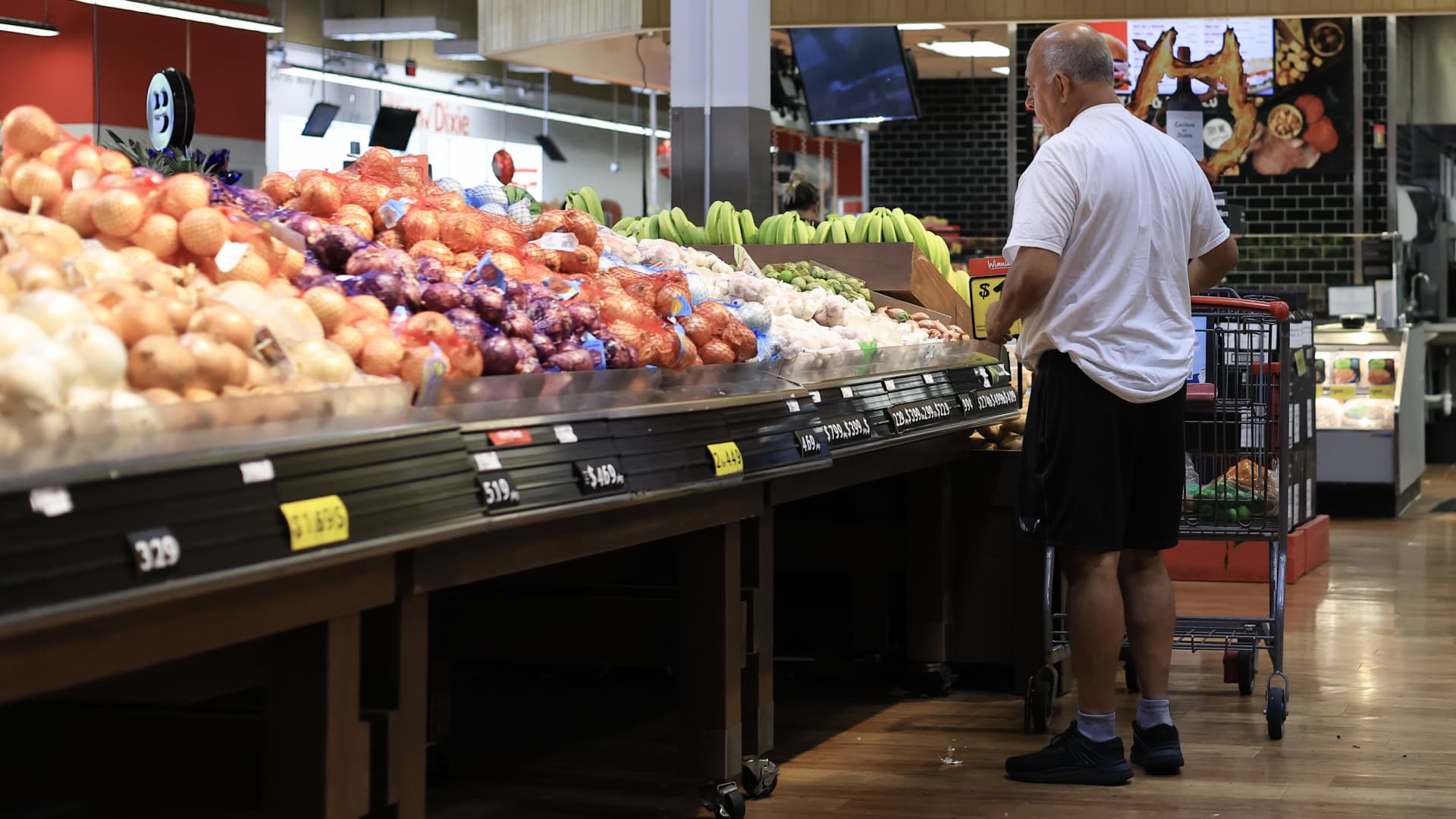
Iran War Triggers Surge in U.S. Food Prices Ahead of Elections


- Food Price Surge: The Iran war has led to soaring oil prices, which are expected to significantly increase food prices in the U.S., impacting voter perceptions ahead of the midterm elections, particularly as the Trump administration faces economic pressures.
- Voter Reaction: Democrats are capitalizing on rising food prices by blaming Trump's war decisions, believing this will affect voter support for Republicans, especially as economic burdens increase.
- Supply Chain Challenges: The costs of food production and transportation are rising due to increased oil and fertilizer prices, with new crops planted this season likely to see higher market prices at harvest time in the fall, exacerbating consumer economic pressures.
- Rising Plastic Costs: The price of plastics needed for food packaging is increasing due to tight natural gas supplies, leading to higher transportation and storage costs for fresh produce, which may drive consumer prices up further in the coming months.
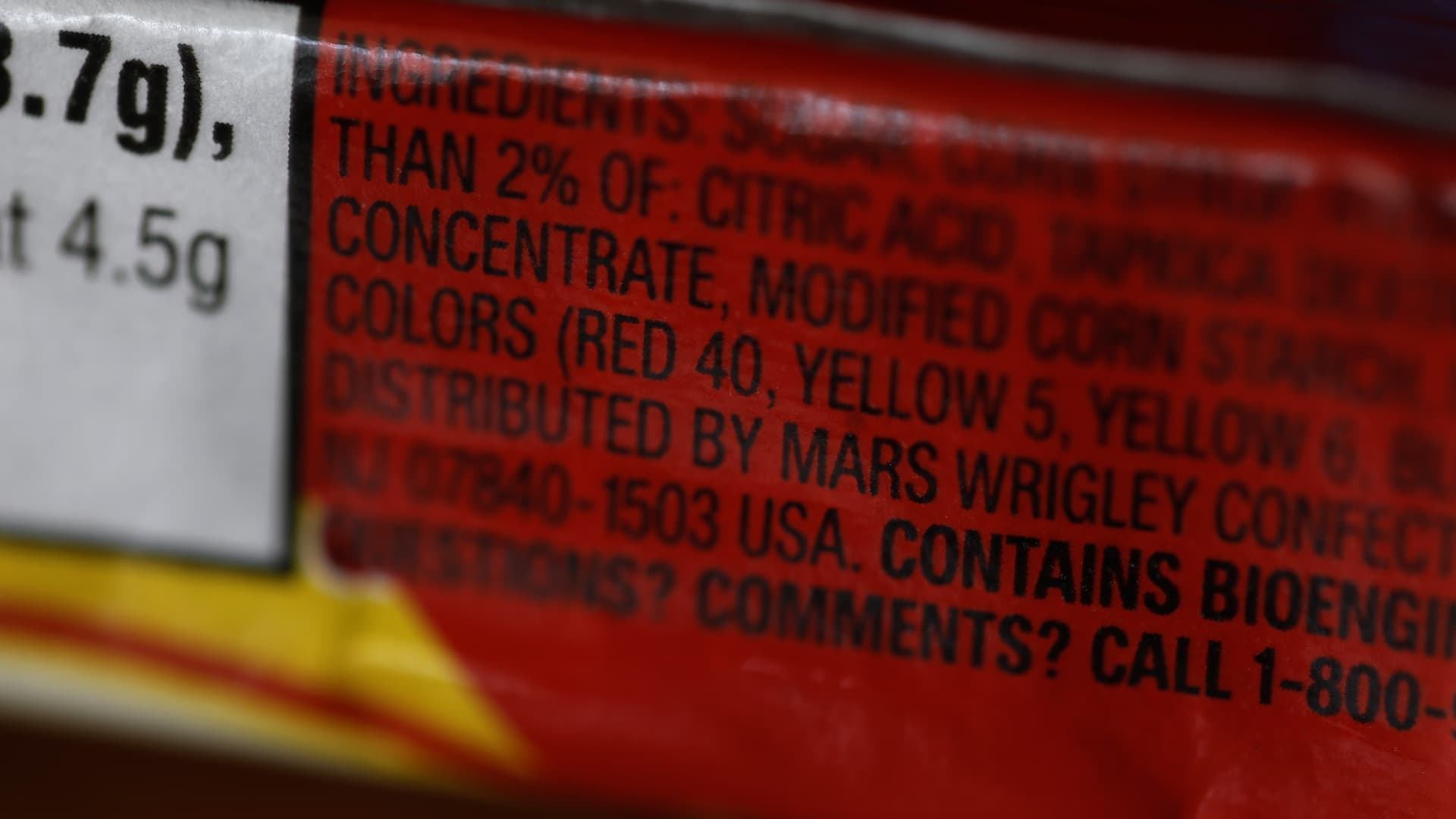
Sensient Technologies Set for Growth as Shift to Natural Dyes Accelerates


- Market Transformation Opportunity: According to UBS, U.S. food producers and grocers are transitioning from synthetic dyes to natural colorants, which is expected to create significant growth opportunities for Sensient Technologies, with analyst Joshua Spector noting this shift will act as a positive catalyst for the company's stock.
- Price Target Increase: UBS initiated coverage with a buy rating on Sensient, setting a price target of $115, implying a 33% upside from Tuesday's close, reflecting confidence in the company's future growth potential.
- Sales Growth Expectations: By 2030, Sensient's color group sales are projected to increase by over 200% due to the growing adoption of natural food colorings, significantly enhancing the company's market share and profitability, particularly in North America.
- Analyst Consensus: Among the three analysts covering Sensient, two have assigned strong buy or buy ratings, indicating a general optimism about the company's future performance, despite its shares having fallen nearly 3% year-to-date.

U.S. Biofuel Blending Standards Increased Amid Economic Challenges

- Increased Biofuel Blending: The EPA's new rule mandates refiners to blend a record 25.82 billion gallons of biofuels into gasoline and diesel for 2023 and 2024, representing nearly an 8% increase from last year's projections, aimed at supporting farmers facing low crop prices and high input costs.
- Impact on Diesel and Gasoline Demand: The new regulations raise biomass-based diesel blending by over 60%, which will directly affect refiners' production costs and could lead to higher fuel prices for consumers, particularly amid escalating tensions in Iran.
- Industry Pushback: The American Fuel and Petrochemical Manufacturers criticized the new regulations, arguing that they exacerbate consumer burdens at a time when fuel prices are already rising, highlighting a disconnect between policy intentions and market realities.
- Future Policy Implications: The EPA also announced that starting in 2028, foreign fuels and feedstocks will receive only half of the Renewable Identification Numbers (RINs) compared to U.S.-made products, a measure intended to bolster the domestic biofuel industry, potentially reshaping future market dynamics.

EPA Issues Temporary Waiver for E15 Gasoline Sales Amid Price Surge

- Gas Price Relief Measure: The EPA issued a temporary waiver allowing nationwide sales of E15 ethanol gasoline to address surging prices due to the Middle East conflict, expected to provide consumers with cheaper fuel options and alleviate economic pressure.
- Waiver Duration and Extension: Effective May 1 for 20 days, the waiver can be extended if necessary, enabling retailers to sell typically prohibited 15% ethanol blends during warmer months, thereby increasing market supply.
- E10 Gasoline Sales Loosened: The EPA's action removes all federal barriers to E10 gasoline sales, particularly in seven Midwestern states that previously required mixing with more expensive blendstocks, thus reducing costs for retailers.
- Price Expectations and Market Impact: Analysts suggest this move could lower retail prices by several cents per gallon, with the current U.S. average for regular gasoline exceeding $3.98 per gallon, up over a dollar from a month ago, highlighting the policy's direct impact on consumers.

Trump Administration Temporarily Waives Gasoline Sales Regulations Amid Iran War

- Surging Gas Prices: Gasoline prices have surged over 30% to $3.98 per gallon since the onset of the U.S. war against Iran, marking the highest levels since 2022, indicative of significant disruptions in global energy markets and supply chains.
- E15 and E10 Fuel Waivers: The EPA announced a temporary waiver starting May 1 to lift restrictions on the sale of E15 (15% ethanol blend) and E10 (10% ethanol blend) fuels, aimed at increasing fuel options in the market and alleviating supply constraints.
- Rising Diesel Prices: Diesel prices have soared over 40% to $5.37 per gallon, impacting the transportation sector, with the Energy Secretary indicating plans to boost diesel supply to meet market demand.
- Regulatory Flexibility: The EPA has also suspended certain state fuel requirements, allowing the production and distribution of gasoline with ethanol content between 9% and 15%, demonstrating the government's adaptability and responsiveness in addressing the energy crisis.

Archer-Daniels-Midland Marks 53 Years of Dividend Increases

- Dividend Growth Milestone: Archer-Daniels-Midland has achieved 53 consecutive years of dividend increases, with a current yield of 2.9%, solidifying its status as a 'Dividend King' and attracting income-focused investors.
- 2026 Earnings Forecast: The company projects earnings per share for 2026 to be between $3.60 and $4.25, representing a 30% to 35% increase from 2025's $2.23, indicating management's confidence in future profitability, which could further drive stock price appreciation.
- Hershey's Brand Integration: Hershey announced the integration of its Sweet, Salty, and Protein brands into a single portfolio to enhance marketing efficiency, with expected sales growth of 4% to 5% in 2026, which will help strengthen its competitive position in the market.
- Strong Market Performance: Hershey's stock has risen nearly 15% this year, while Archer-Daniels-Midland's stock is up 24%, demonstrating the resilience of consumer staples stocks amid economic uncertainty and attracting increased investor interest.
Iran War Triggers Surge in U.S. Food Prices Ahead of Elections
- Food Price Surge: The Iran war has led to soaring oil prices, which are expected to significantly increase food prices in the U.S., impacting voter perceptions ahead of the midterm elections, particularly as the Trump administration faces economic pressures.
- Voter Reaction: Democrats are capitalizing on rising food prices by blaming Trump's war decisions, believing this will affect voter support for Republicans, especially as economic burdens increase.
- Supply Chain Challenges: The costs of food production and transportation are rising due to increased oil and fertilizer prices, with new crops planted this season likely to see higher market prices at harvest time in the fall, exacerbating consumer economic pressures.
- Rising Plastic Costs: The price of plastics needed for food packaging is increasing due to tight natural gas supplies, leading to higher transportation and storage costs for fresh produce, which may drive consumer prices up further in the coming months.
Sensient Technologies Set for Growth as Shift to Natural Dyes Accelerates
- Market Transformation Opportunity: According to UBS, U.S. food producers and grocers are transitioning from synthetic dyes to natural colorants, which is expected to create significant growth opportunities for Sensient Technologies, with analyst Joshua Spector noting this shift will act as a positive catalyst for the company's stock.
- Price Target Increase: UBS initiated coverage with a buy rating on Sensient, setting a price target of $115, implying a 33% upside from Tuesday's close, reflecting confidence in the company's future growth potential.
- Sales Growth Expectations: By 2030, Sensient's color group sales are projected to increase by over 200% due to the growing adoption of natural food colorings, significantly enhancing the company's market share and profitability, particularly in North America.
- Analyst Consensus: Among the three analysts covering Sensient, two have assigned strong buy or buy ratings, indicating a general optimism about the company's future performance, despite its shares having fallen nearly 3% year-to-date.
U.S. Biofuel Blending Standards Increased Amid Economic Challenges
- Increased Biofuel Blending: The EPA's new rule mandates refiners to blend a record 25.82 billion gallons of biofuels into gasoline and diesel for 2023 and 2024, representing nearly an 8% increase from last year's projections, aimed at supporting farmers facing low crop prices and high input costs.
- Impact on Diesel and Gasoline Demand: The new regulations raise biomass-based diesel blending by over 60%, which will directly affect refiners' production costs and could lead to higher fuel prices for consumers, particularly amid escalating tensions in Iran.
- Industry Pushback: The American Fuel and Petrochemical Manufacturers criticized the new regulations, arguing that they exacerbate consumer burdens at a time when fuel prices are already rising, highlighting a disconnect between policy intentions and market realities.
- Future Policy Implications: The EPA also announced that starting in 2028, foreign fuels and feedstocks will receive only half of the Renewable Identification Numbers (RINs) compared to U.S.-made products, a measure intended to bolster the domestic biofuel industry, potentially reshaping future market dynamics.
EPA Issues Temporary Waiver for E15 Gasoline Sales Amid Price Surge
- Gas Price Relief Measure: The EPA issued a temporary waiver allowing nationwide sales of E15 ethanol gasoline to address surging prices due to the Middle East conflict, expected to provide consumers with cheaper fuel options and alleviate economic pressure.
- Waiver Duration and Extension: Effective May 1 for 20 days, the waiver can be extended if necessary, enabling retailers to sell typically prohibited 15% ethanol blends during warmer months, thereby increasing market supply.
- E10 Gasoline Sales Loosened: The EPA's action removes all federal barriers to E10 gasoline sales, particularly in seven Midwestern states that previously required mixing with more expensive blendstocks, thus reducing costs for retailers.
- Price Expectations and Market Impact: Analysts suggest this move could lower retail prices by several cents per gallon, with the current U.S. average for regular gasoline exceeding $3.98 per gallon, up over a dollar from a month ago, highlighting the policy's direct impact on consumers.
Trump Administration Temporarily Waives Gasoline Sales Regulations Amid Iran War
- Surging Gas Prices: Gasoline prices have surged over 30% to $3.98 per gallon since the onset of the U.S. war against Iran, marking the highest levels since 2022, indicative of significant disruptions in global energy markets and supply chains.
- E15 and E10 Fuel Waivers: The EPA announced a temporary waiver starting May 1 to lift restrictions on the sale of E15 (15% ethanol blend) and E10 (10% ethanol blend) fuels, aimed at increasing fuel options in the market and alleviating supply constraints.
- Rising Diesel Prices: Diesel prices have soared over 40% to $5.37 per gallon, impacting the transportation sector, with the Energy Secretary indicating plans to boost diesel supply to meet market demand.
- Regulatory Flexibility: The EPA has also suspended certain state fuel requirements, allowing the production and distribution of gasoline with ethanol content between 9% and 15%, demonstrating the government's adaptability and responsiveness in addressing the energy crisis.
Archer-Daniels-Midland Marks 53 Years of Dividend Increases
- Dividend Growth Milestone: Archer-Daniels-Midland has achieved 53 consecutive years of dividend increases, with a current yield of 2.9%, solidifying its status as a 'Dividend King' and attracting income-focused investors.
- 2026 Earnings Forecast: The company projects earnings per share for 2026 to be between $3.60 and $4.25, representing a 30% to 35% increase from 2025's $2.23, indicating management's confidence in future profitability, which could further drive stock price appreciation.
- Hershey's Brand Integration: Hershey announced the integration of its Sweet, Salty, and Protein brands into a single portfolio to enhance marketing efficiency, with expected sales growth of 4% to 5% in 2026, which will help strengthen its competitive position in the market.
- Strong Market Performance: Hershey's stock has risen nearly 15% this year, while Archer-Daniels-Midland's stock is up 24%, demonstrating the resilience of consumer staples stocks amid economic uncertainty and attracting increased investor interest.