Broadcast Rights Deadlock for World Cup in India and China
Written by Emily J. Thompson, Senior Investment Analyst
Updated: May 04 2026
0mins
Should l Buy DIS?
Source: Newsfilter
- Stalemate in Negotiations: Reliance-Disney's joint venture in India has offered $20 million for the 2026 World Cup broadcast rights, significantly lower than FIFA's $100 million demand, resulting in a deadlock that may prevent millions of fans from watching the tournament.
- Lack of Agreement in China: Despite accounting for 49.8% of global digital viewing hours during the 2022 World Cup, China has yet to secure a broadcast deal, with CCTV failing to obtain rights as it has in previous tournaments, potentially impacting promotional efforts and advertising revenue.
- Viewer Base and Economic Considerations: The 2022 World Cup attracted over 110 million digital viewers in India, but Reliance believes viewership will be lower this time due to matches airing past midnight, which has influenced their bid for the rights.
- Football's Market Position in India: Football commands far less commercial value than cricket in India, and an advertising slowdown linked to the Iranian war has further diminished revenue expectations, indicating that football remains a niche segment in the Indian market.
Trade with 70% Backtested Accuracy
Stop guessing "Should I Buy DIS?" and start using high-conviction signals backed by rigorous historical data.
Sign up today to access powerful investing tools and make smarter, data-driven decisions.
Analyst Views on DIS
Wall Street analysts forecast DIS stock price to rise
19 Analyst Rating
16 Buy
3 Hold
0 Sell
Strong Buy
Current: 108.020

Low
123.00
Averages
137.29
High
152.00
Current: 108.020
Low
123.00
Averages
137.29
High
152.00
About DIS
The Walt Disney Company is a diversified worldwide entertainment company. The Company's segments include Entertainment, Sports and Experiences. The Entertainment segment generally encompasses its non-sports focused global film and episodic content production and distribution activities. The lines of business within the Entertainment segment along with their business activities include Linear Networks, Direct-to-Consumer, and Content Sales/Licensing. The Sports segment encompasses its sports-focused global television and direct-to-consumer (DTC) video streaming content production and distribution activities. The lines of business within the Sports segment include ESPN and Star. The Experiences segment includes Parks and Experiences and Consumer Products. Parks and Experiences consists of Walt Disney World Resort in Florida, Disneyland Resort in California, Disney Cruise Line, and others. Consumer Products includes licensing of its trade names, characters, visual, literary and other IP.
About the author

Emily J. Thompson
Emily J. Thompson, a Chartered Financial Analyst (CFA) with 12 years in investment research, graduated with honors from the Wharton School. Specializing in industrial and technology stocks, she provides in-depth analysis for Intellectia’s earnings and market brief reports.
Disney Cruise Expansion Faces Mechanical Setback

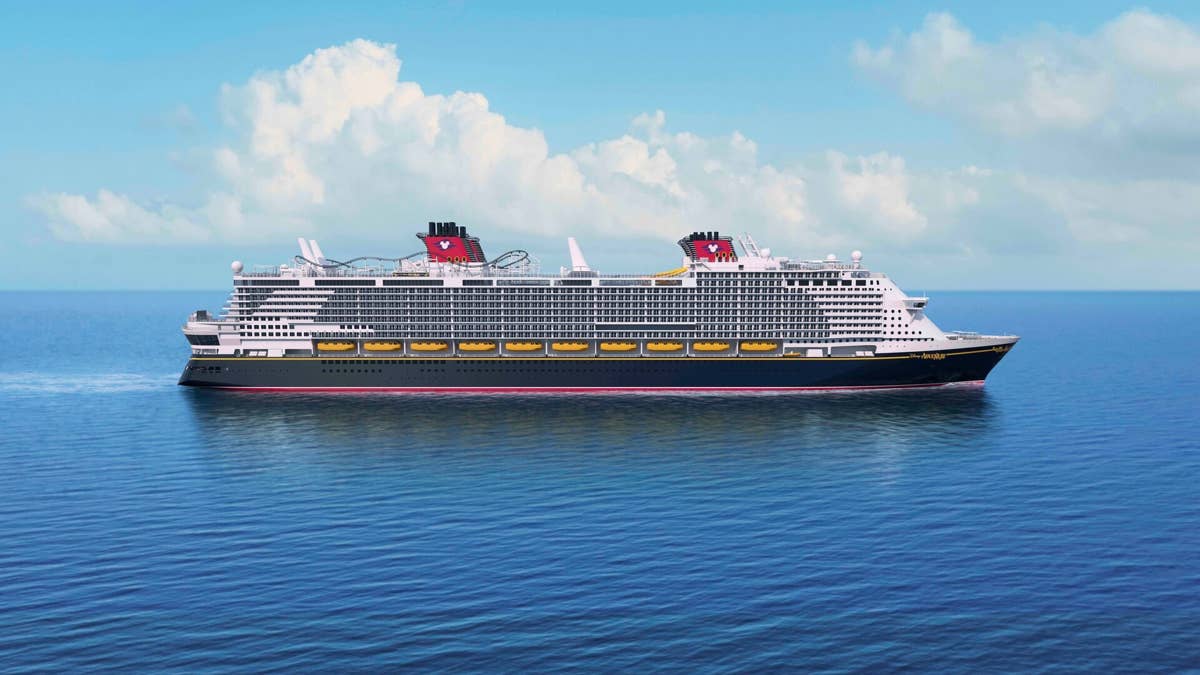
- Cruise Expansion Plan: Disney aims to expand its fleet from seven to 13 ships by 2031, reflecting its ambition in the global cruise market, although recent mechanical issues have impacted the maiden voyage of its new ship.
- New Ship Maiden Voyage Issues: The Disney Adventure set sail on May 7, 2026, but due to an engine failure, passengers were forced to disembark after just one night, significantly diminishing the customer experience and potentially harming the company's reputation.
- Passenger Compensation Measures: Affected passengers received full refunds, hotel stays in Singapore, $500 in expenses, and $500 in future cruise credits, demonstrating Disney's commitment to customer satisfaction, yet highlighting operational instability.
- Market Strategy Adjustment: This incident occurs against the backdrop of Disney's $12 billion investment to expand its cruise operations in the Asian market, indicating that despite challenges, Disney remains focused on enhancing its competitiveness in the global cruise sector.
See More

Media Companies Optimistic About Ad Sales Amid Industry Changes


- Ad Spending Recovery: Media companies report no significant pullbacks in ad spending during discussions with advertisers, indicating a strong recovery in market confidence despite previous economic uncertainties, which suggests a gradual return to pre-COVID levels of activity.
- Focus on Live Content: With fewer major sporting events, media firms are emphasizing live content, particularly NFL games, which are expected to draw larger audiences and boost ad revenues, reflecting a strategic shift towards high-value programming.
- Mergers and Consolidation: Warner Bros. Discovery's ongoing merger with Paramount, expected to close in Q3, aims to enhance content library depth and market competitiveness, which could drive advertising sales growth in a consolidating industry.
- AI Empowerment: Media companies are leveraging artificial intelligence to improve data analytics capabilities, enabling advertisers to better understand viewer behavior and optimize ad strategies, highlighting the growing importance and potential of technology in the advertising sector.
See More

Pharmaceutical Stocks Rise Amid Hantavirus Outbreak


- Pharmaceutical Stocks Rise: Pharmaceutical stocks are climbing amid the recent hantavirus outbreak, although officials state that the public health risk is low, indicating strong market confidence in the pharmaceutical sector, which may drive stock prices higher for related companies.
- Oil Price Fluctuations: Oil futures rose overnight following Trump's rejection of Iran's peace proposal, as investors worry that prolonged conflict will further strain crude supply, potentially leading to instability in the energy market and impacting the profitability of related firms.
- Google Stock Surge: Alphabet's stock has climbed over 160% in the past 12 months, making it the best-performing trillion-dollar U.S. tech company, reflecting strong market confidence in its artificial intelligence capabilities, which may attract more investor interest.
- Target's New Strategy: Target has rolled out
See More

Media Giants Pitch Advertisers with Focus on Sports and AI Integration
- Optimistic Ad Market: Despite ongoing global economic uncertainties, advertising executives report no significant pullback in overall ad spending, with a continued demand for sports and live content, indicating strong market confidence for the future.
- Attraction of Sports Content: Companies like NBC, Disney, and Warner Bros. are set to highlight their sports programming, particularly major events like the NFL, which are expected to draw larger audiences and boost ad revenues, reflecting the significance of sports content in advertising strategies.
- AI Technology Utilization: Media companies are leveraging artificial intelligence to enhance the ad buying experience by enabling faster data collection and analysis, helping advertisers more effectively assess ad performance and maintain competitiveness in an uncertain market environment.
- Industry Consolidation Trend: The ongoing merger talks between Warner Bros. and Paramount are indicative of accelerated industry consolidation, with content investment becoming a key driver that is expected to reshape the advertising market landscape and enhance overall content quality.
See More

Pharmaceutical Stocks Rise Amid Hantavirus Outbreak
- Pharmaceutical Stocks Rise: Pharmaceutical stocks are climbing due to the recent hantavirus outbreak, although officials state that the public health risk is low, indicating increased market confidence in the pharmaceutical sector, which may drive stock prices higher.
- Oil Price Fluctuations: Oil prices rose overnight following Trump's rejection of Iran's peace proposal, as investors worry that prolonged conflict will further strain crude supply, potentially leading to instability in the energy market and affecting operational costs for related companies.
- Tech Stock Performance: Alphabet's stock has surged over 160% in the past 12 months, making it the best-performing trillion-dollar U.S. tech company, reflecting strong market confidence in its artificial intelligence capabilities, which may attract more investor interest in its future growth.
- Retail Strategy Adjustment: Target has opened
See More

Singapore's Tourism Sector Faces Challenges

- Tourism Revenue Forecast Decline: The Singapore Tourism Board projects tourism receipts of SGD 31 billion to SGD 32.5 billion in 2026, down from SGD 32.8 billion last year, indicating potential impacts from Middle Eastern conflicts on consumer and business spending.
- Visitor Arrival Growth: While international arrivals are expected to rise to between 17 million and 18 million in 2026 from 16.9 million in 2025, tourism spending may soften due to muted demand in the coming months, highlighting market uncertainties.
- Government Investment Support: The Singapore government plans to inject SGD 740 million into the Tourism Development Fund over the next five years, aimed at supporting tourism businesses in expanding into new markets and mitigating expansion risks, demonstrating a long-term commitment to the sector.
- Cruise Tourism Expansion: Singapore is actively looking to attract more cruise tourists, with a new cruise and ferry terminal set to open on July 15, which is expected to further boost tourism despite ongoing challenges in air travel linked to Middle Eastern tensions and volatile fuel prices.
See More
Disney Cruise Expansion Faces Mechanical Setback
- Cruise Expansion Plan: Disney aims to expand its fleet from seven to 13 ships by 2031, reflecting its ambition in the global cruise market, although recent mechanical issues have impacted the maiden voyage of its new ship.
- New Ship Maiden Voyage Issues: The Disney Adventure set sail on May 7, 2026, but due to an engine failure, passengers were forced to disembark after just one night, significantly diminishing the customer experience and potentially harming the company's reputation.
- Passenger Compensation Measures: Affected passengers received full refunds, hotel stays in Singapore, $500 in expenses, and $500 in future cruise credits, demonstrating Disney's commitment to customer satisfaction, yet highlighting operational instability.
- Market Strategy Adjustment: This incident occurs against the backdrop of Disney's $12 billion investment to expand its cruise operations in the Asian market, indicating that despite challenges, Disney remains focused on enhancing its competitiveness in the global cruise sector.
See More
Media Companies Optimistic About Ad Sales Amid Industry Changes
- Ad Spending Recovery: Media companies report no significant pullbacks in ad spending during discussions with advertisers, indicating a strong recovery in market confidence despite previous economic uncertainties, which suggests a gradual return to pre-COVID levels of activity.
- Focus on Live Content: With fewer major sporting events, media firms are emphasizing live content, particularly NFL games, which are expected to draw larger audiences and boost ad revenues, reflecting a strategic shift towards high-value programming.
- Mergers and Consolidation: Warner Bros. Discovery's ongoing merger with Paramount, expected to close in Q3, aims to enhance content library depth and market competitiveness, which could drive advertising sales growth in a consolidating industry.
- AI Empowerment: Media companies are leveraging artificial intelligence to improve data analytics capabilities, enabling advertisers to better understand viewer behavior and optimize ad strategies, highlighting the growing importance and potential of technology in the advertising sector.
See More
Pharmaceutical Stocks Rise Amid Hantavirus Outbreak
- Pharmaceutical Stocks Rise: Pharmaceutical stocks are climbing amid the recent hantavirus outbreak, although officials state that the public health risk is low, indicating strong market confidence in the pharmaceutical sector, which may drive stock prices higher for related companies.
- Oil Price Fluctuations: Oil futures rose overnight following Trump's rejection of Iran's peace proposal, as investors worry that prolonged conflict will further strain crude supply, potentially leading to instability in the energy market and impacting the profitability of related firms.
- Google Stock Surge: Alphabet's stock has climbed over 160% in the past 12 months, making it the best-performing trillion-dollar U.S. tech company, reflecting strong market confidence in its artificial intelligence capabilities, which may attract more investor interest.
- Target's New Strategy: Target has rolled out
See More
Media Giants Pitch Advertisers with Focus on Sports and AI Integration
- Optimistic Ad Market: Despite ongoing global economic uncertainties, advertising executives report no significant pullback in overall ad spending, with a continued demand for sports and live content, indicating strong market confidence for the future.
- Attraction of Sports Content: Companies like NBC, Disney, and Warner Bros. are set to highlight their sports programming, particularly major events like the NFL, which are expected to draw larger audiences and boost ad revenues, reflecting the significance of sports content in advertising strategies.
- AI Technology Utilization: Media companies are leveraging artificial intelligence to enhance the ad buying experience by enabling faster data collection and analysis, helping advertisers more effectively assess ad performance and maintain competitiveness in an uncertain market environment.
- Industry Consolidation Trend: The ongoing merger talks between Warner Bros. and Paramount are indicative of accelerated industry consolidation, with content investment becoming a key driver that is expected to reshape the advertising market landscape and enhance overall content quality.
See More
Pharmaceutical Stocks Rise Amid Hantavirus Outbreak
- Pharmaceutical Stocks Rise: Pharmaceutical stocks are climbing due to the recent hantavirus outbreak, although officials state that the public health risk is low, indicating increased market confidence in the pharmaceutical sector, which may drive stock prices higher.
- Oil Price Fluctuations: Oil prices rose overnight following Trump's rejection of Iran's peace proposal, as investors worry that prolonged conflict will further strain crude supply, potentially leading to instability in the energy market and affecting operational costs for related companies.
- Tech Stock Performance: Alphabet's stock has surged over 160% in the past 12 months, making it the best-performing trillion-dollar U.S. tech company, reflecting strong market confidence in its artificial intelligence capabilities, which may attract more investor interest in its future growth.
- Retail Strategy Adjustment: Target has opened
See More
Singapore's Tourism Sector Faces Challenges
- Tourism Revenue Forecast Decline: The Singapore Tourism Board projects tourism receipts of SGD 31 billion to SGD 32.5 billion in 2026, down from SGD 32.8 billion last year, indicating potential impacts from Middle Eastern conflicts on consumer and business spending.
- Visitor Arrival Growth: While international arrivals are expected to rise to between 17 million and 18 million in 2026 from 16.9 million in 2025, tourism spending may soften due to muted demand in the coming months, highlighting market uncertainties.
- Government Investment Support: The Singapore government plans to inject SGD 740 million into the Tourism Development Fund over the next five years, aimed at supporting tourism businesses in expanding into new markets and mitigating expansion risks, demonstrating a long-term commitment to the sector.
- Cruise Tourism Expansion: Singapore is actively looking to attract more cruise tourists, with a new cruise and ferry terminal set to open on July 15, which is expected to further boost tourism despite ongoing challenges in air travel linked to Middle Eastern tensions and volatile fuel prices.
See More