Brazil Eliminates Federal Diesel Taxes Amid Oil Price Crisis
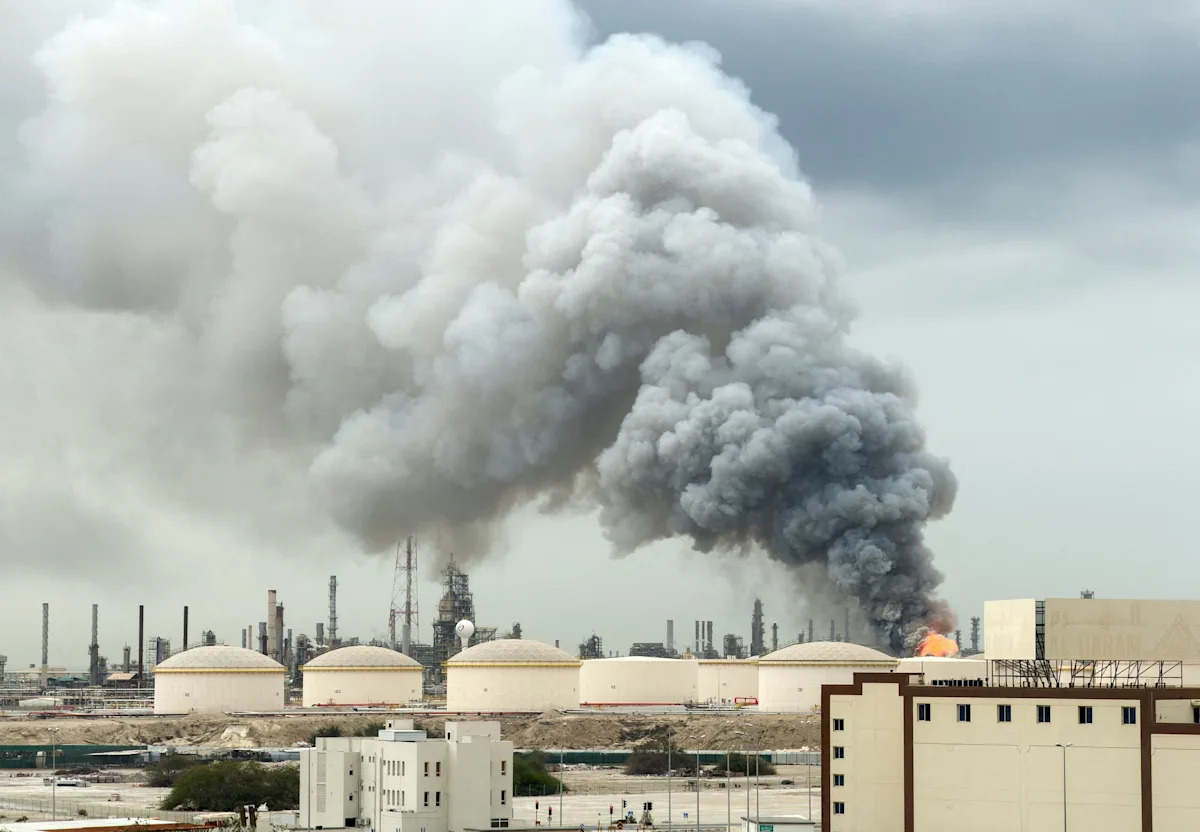
- Tax Policy Change: Brazil's government has announced the elimination of federal taxes on diesel imports and sales to mitigate the impact of the Iran war on oil prices, a move that could significantly affect state-run oil company Petrobras (PBR).
- Diesel Price Reduction: By cutting the PIS and Cofins tax rates to zero, diesel prices are expected to decrease by 0.64 reais/liter (~$0.122), directly alleviating fuel costs for consumers.
- New Export Taxes: The government has imposed a 12% tax on crude oil exports and a 50% levy on diesel shipments, aiming to balance supply and demand in both domestic and international markets.
- Cautious Market Response: Although Petrobras has not raised local fuel prices, distributors remain hesitant to sell diesel at Petrobras' prices due to reliance on imported diesel and concerns over potential future price hikes.
Trade with 70% Backtested Accuracy
Analyst Views on PBR

About PBR
About the author

Petrobras Announces Leadership Changes Amid Price Concerns
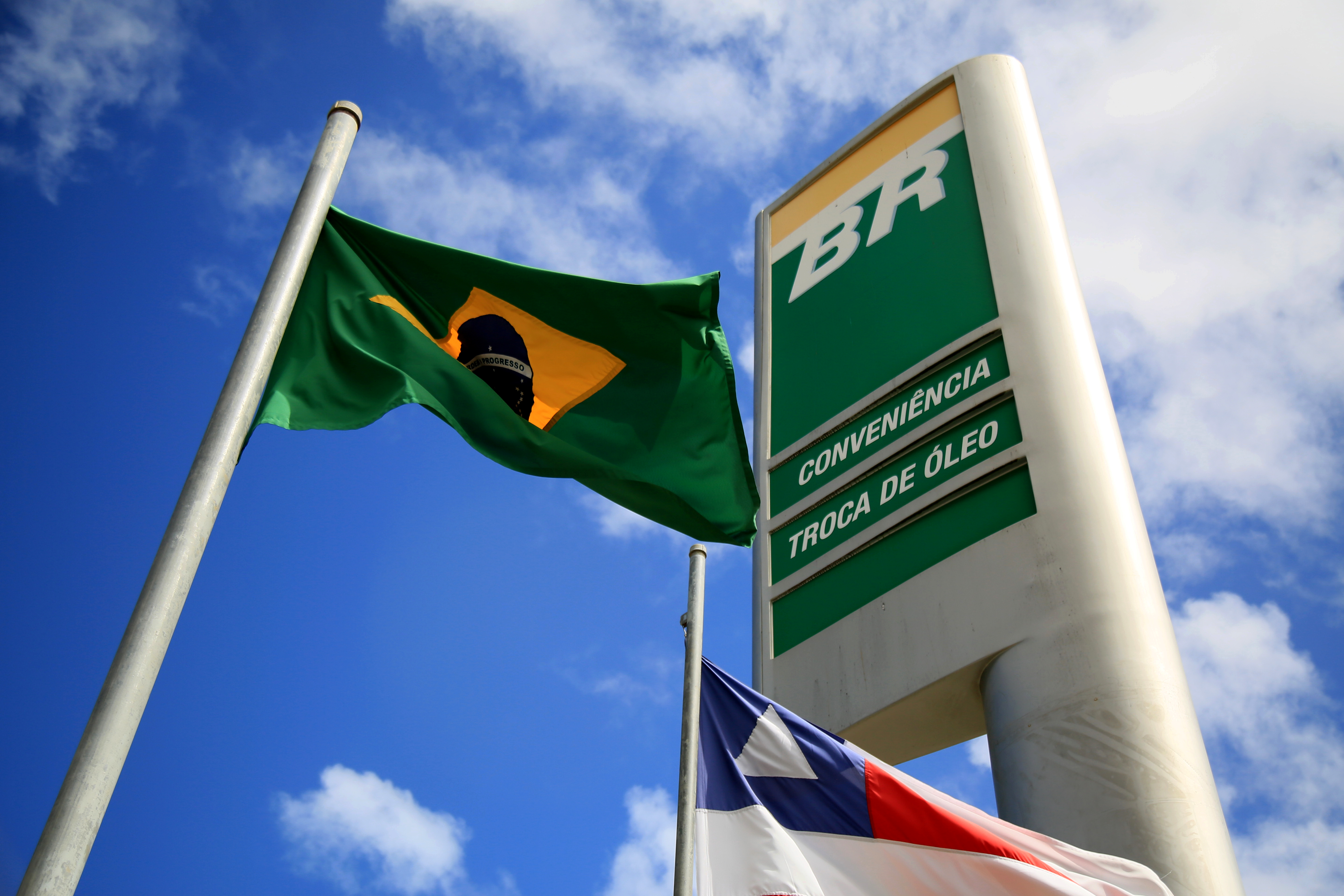
- New Chairman Elected: Petrobras (PBR) announced the election of Marcelo Weick Pogliese as the new chairman, replacing Bruno Moretti who resigned last month, indicating a swift leadership adjustment to address market challenges ahead of the next shareholders' meeting.
- Executive Changes: The company dismissed Claudio Schlosser from his role as Executive Director of Logistics, Commercialization, and Markets, appointing Angelica Laureano in his place, which reflects a strategic restructuring in key operational areas to enhance efficiency and market responsiveness.
- Temporary Role Adjustments: Following Laureano's appointment, William França, the current Executive Director of Industrial Processes and Products, will temporarily oversee Energy Transition and Sustainability, demonstrating the company's flexibility and adaptability in responding to changes in the energy market.
- Government Intervention Pressure: Brazilian President Lula expressed frustration over alleged fuel price gouging since the onset of the Iran war and threatened to cancel a Petrobras wholesale cooking gas auction, indicating increased government scrutiny on oil pricing that could impact the company's future market strategies.
Brazil's ANP Launches Inspection into Petrobras LPG Auctions Amid Price Gouging Suspicions
- Regulatory Investigation: Brazil's ANP has initiated an inspection into Petrobras' liquefied petroleum gas auctions due to suspicions of price gouging, highlighting the government's commitment to market transparency, which could impact Petrobras' market reputation.
- Presidential Intervention: President Lula announced intentions to annul an auction where Petrobras allegedly sold LPG at excessive prices, reflecting the government's strong focus on oil and gas pricing, which may lead to policy adjustments aimed at protecting consumer interests.
- Management Oversight Issues: Lula indicated that Petrobras staff conducted the auction without management's knowledge, suggesting internal governance issues that could undermine investor confidence in the company's management practices.
- Market Vulnerability: While Petrobras is a major producer of LPG and diesel, Brazil's reliance on imports exposes it to international price fluctuations, prompting the government to implement measures to lower consumer prices in response to market pressures.

Global Markets Hit by Brutal Selloff in Asia
- Asian Market Plunge: Japan's Nikkei and South Korea's Kospi indices recorded their worst monthly declines since the 2008 financial crisis, reflecting growing concerns over the global economic outlook, which may lead to decreased investor confidence and impact future capital flows.
- Foreign Stock Rankings: According to Seeking Alpha's Quant Ratings, Brazilian oil giant Petrobras (PBR) tops the list with a near-perfect rating of 4.98, indicating its strong performance in the global energy market and potentially attracting more foreign investment.
- Strong Buy Signals: All top ten stocks received a 'Strong Buy' quantitative recommendation, suggesting favorable conditions across multiple key metrics, which may draw investor attention to these stocks for potential profit growth.
- Global Diversity Representation: The ranking features companies from Brazil, Australia, Finland, Italy, and Switzerland, showcasing global market diversity, allowing investors to diversify risks and capitalize on growth opportunities across different markets.
Petrobras Discovers High-Quality Oil in Marlim Sul Field
- Major Discovery: Petrobras announced the discovery of high-quality oil in the Marlim Sul field located in Brazil's Campos Basin, with exploratory well 3-BRSA-1397-RJS confirming oil-bearing intervals at a water depth of 1,178 meters, indicating significant resource potential in the area.
- Technical Validation: The presence of oil layers was confirmed through wireline logs, gas shows, and fluid sampling, with initial indications suggesting high-quality crude, and samples are currently undergoing laboratory analysis to further characterize reservoir properties.
- Strategic Alignment: This discovery aligns with Petrobras's strategy to unlock additional resources in mature offshore basins, leveraging existing infrastructure and geological knowledge to accelerate development timelines and improve project economics.
- Market Implications: The find not only enhances Petrobras's competitive position in the oil and gas sector but may also drive an increase in the company's stock price, attracting more investor interest in its development potential in mature oil fields.

Petrobras Boosts Diesel Supply by 70 Million Liters and Gasoline by 95 Million Liters for Customers in April, According to Statement
Increase in Fuel Supply: Brazil's Petrobras has increased the supply of diesel to customers by 70 million liters and gasoline by 95 million liters.
April Statement: This increase in supply was detailed in a statement released in April.

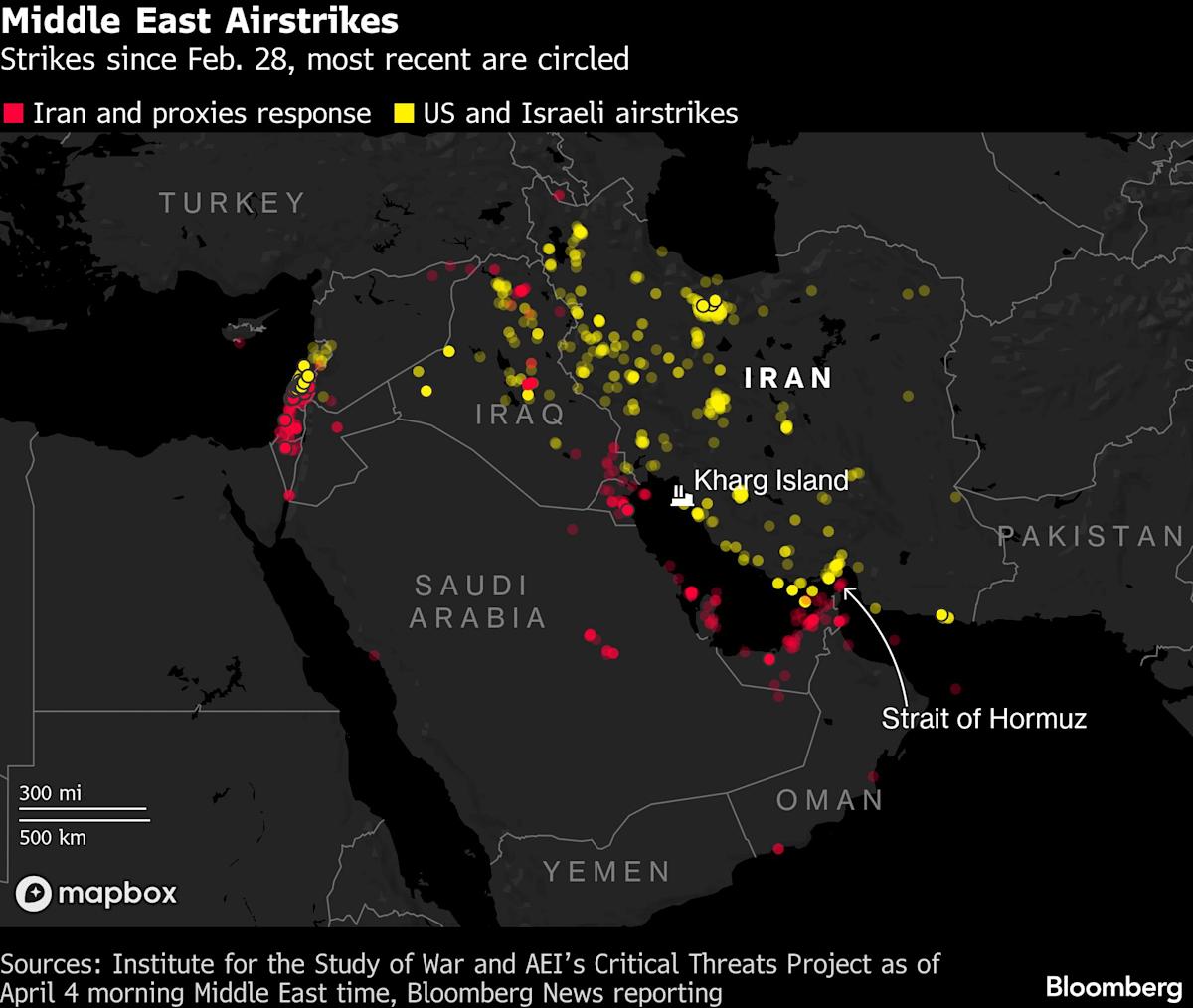
IRAN STICKS TO HARDLINE POSITION—WAR WILL PERSIST, DISMISSES U.S. TIMELINE, RESPONDS COLDLY TO PROPOSAL, AND ASSERTS SOVEREIGNTY OVER THE STRAIT OF HORMUZ.


Iran's Stance on War: Iran maintains a hardline stance regarding ongoing conflicts, indicating that war will continue despite external pressures.
Rejection of U.S. Proposals: The Iranian government has rejected the U.S. timeline for negotiations and proposals related to regional security.
Response to U.S. Actions: Iran's leadership has issued a lukewarm response to U.S. proposals, signaling a lack of interest in compromise.
Demand for Sovereignty: Iran emphasizes its demand for sovereignty over the Strait of Hormuz, asserting its rights in the region amidst international tensions.
Petrobras Announces Leadership Changes Amid Price Concerns
- New Chairman Elected: Petrobras (PBR) announced the election of Marcelo Weick Pogliese as the new chairman, replacing Bruno Moretti who resigned last month, indicating a swift leadership adjustment to address market challenges ahead of the next shareholders' meeting.
- Executive Changes: The company dismissed Claudio Schlosser from his role as Executive Director of Logistics, Commercialization, and Markets, appointing Angelica Laureano in his place, which reflects a strategic restructuring in key operational areas to enhance efficiency and market responsiveness.
- Temporary Role Adjustments: Following Laureano's appointment, William França, the current Executive Director of Industrial Processes and Products, will temporarily oversee Energy Transition and Sustainability, demonstrating the company's flexibility and adaptability in responding to changes in the energy market.
- Government Intervention Pressure: Brazilian President Lula expressed frustration over alleged fuel price gouging since the onset of the Iran war and threatened to cancel a Petrobras wholesale cooking gas auction, indicating increased government scrutiny on oil pricing that could impact the company's future market strategies.
Brazil's ANP Launches Inspection into Petrobras LPG Auctions Amid Price Gouging Suspicions
- Regulatory Investigation: Brazil's ANP has initiated an inspection into Petrobras' liquefied petroleum gas auctions due to suspicions of price gouging, highlighting the government's commitment to market transparency, which could impact Petrobras' market reputation.
- Presidential Intervention: President Lula announced intentions to annul an auction where Petrobras allegedly sold LPG at excessive prices, reflecting the government's strong focus on oil and gas pricing, which may lead to policy adjustments aimed at protecting consumer interests.
- Management Oversight Issues: Lula indicated that Petrobras staff conducted the auction without management's knowledge, suggesting internal governance issues that could undermine investor confidence in the company's management practices.
- Market Vulnerability: While Petrobras is a major producer of LPG and diesel, Brazil's reliance on imports exposes it to international price fluctuations, prompting the government to implement measures to lower consumer prices in response to market pressures.
Global Markets Hit by Brutal Selloff in Asia
- Asian Market Plunge: Japan's Nikkei and South Korea's Kospi indices recorded their worst monthly declines since the 2008 financial crisis, reflecting growing concerns over the global economic outlook, which may lead to decreased investor confidence and impact future capital flows.
- Foreign Stock Rankings: According to Seeking Alpha's Quant Ratings, Brazilian oil giant Petrobras (PBR) tops the list with a near-perfect rating of 4.98, indicating its strong performance in the global energy market and potentially attracting more foreign investment.
- Strong Buy Signals: All top ten stocks received a 'Strong Buy' quantitative recommendation, suggesting favorable conditions across multiple key metrics, which may draw investor attention to these stocks for potential profit growth.
- Global Diversity Representation: The ranking features companies from Brazil, Australia, Finland, Italy, and Switzerland, showcasing global market diversity, allowing investors to diversify risks and capitalize on growth opportunities across different markets.
Petrobras Discovers High-Quality Oil in Marlim Sul Field
- Major Discovery: Petrobras announced the discovery of high-quality oil in the Marlim Sul field located in Brazil's Campos Basin, with exploratory well 3-BRSA-1397-RJS confirming oil-bearing intervals at a water depth of 1,178 meters, indicating significant resource potential in the area.
- Technical Validation: The presence of oil layers was confirmed through wireline logs, gas shows, and fluid sampling, with initial indications suggesting high-quality crude, and samples are currently undergoing laboratory analysis to further characterize reservoir properties.
- Strategic Alignment: This discovery aligns with Petrobras's strategy to unlock additional resources in mature offshore basins, leveraging existing infrastructure and geological knowledge to accelerate development timelines and improve project economics.
- Market Implications: The find not only enhances Petrobras's competitive position in the oil and gas sector but may also drive an increase in the company's stock price, attracting more investor interest in its development potential in mature oil fields.
Petrobras Boosts Diesel Supply by 70 Million Liters and Gasoline by 95 Million Liters for Customers in April, According to Statement
Increase in Fuel Supply: Brazil's Petrobras has increased the supply of diesel to customers by 70 million liters and gasoline by 95 million liters.
April Statement: This increase in supply was detailed in a statement released in April.
IRAN STICKS TO HARDLINE POSITION—WAR WILL PERSIST, DISMISSES U.S. TIMELINE, RESPONDS COLDLY TO PROPOSAL, AND ASSERTS SOVEREIGNTY OVER THE STRAIT OF HORMUZ.
Iran's Stance on War: Iran maintains a hardline stance regarding ongoing conflicts, indicating that war will continue despite external pressures.
Rejection of U.S. Proposals: The Iranian government has rejected the U.S. timeline for negotiations and proposals related to regional security.
Response to U.S. Actions: Iran's leadership has issued a lukewarm response to U.S. proposals, signaling a lack of interest in compromise.
Demand for Sovereignty: Iran emphasizes its demand for sovereignty over the Strait of Hormuz, asserting its rights in the region amidst international tensions.