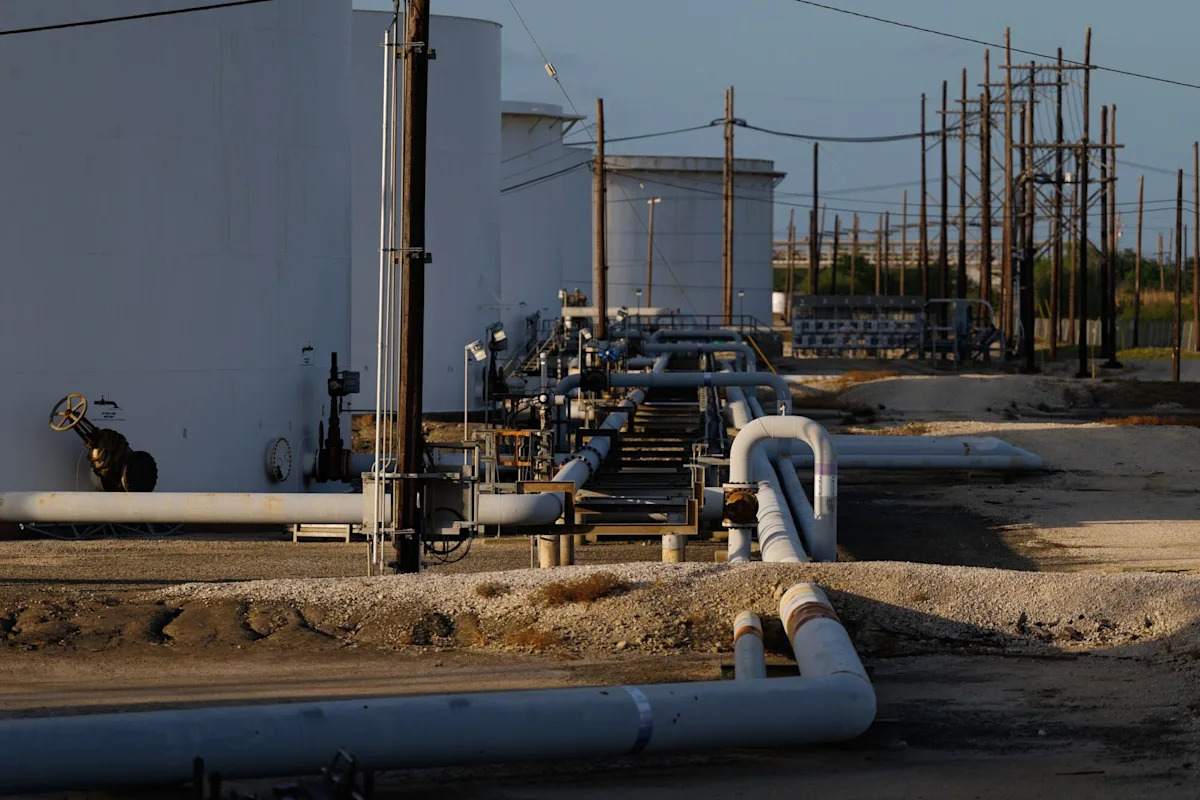
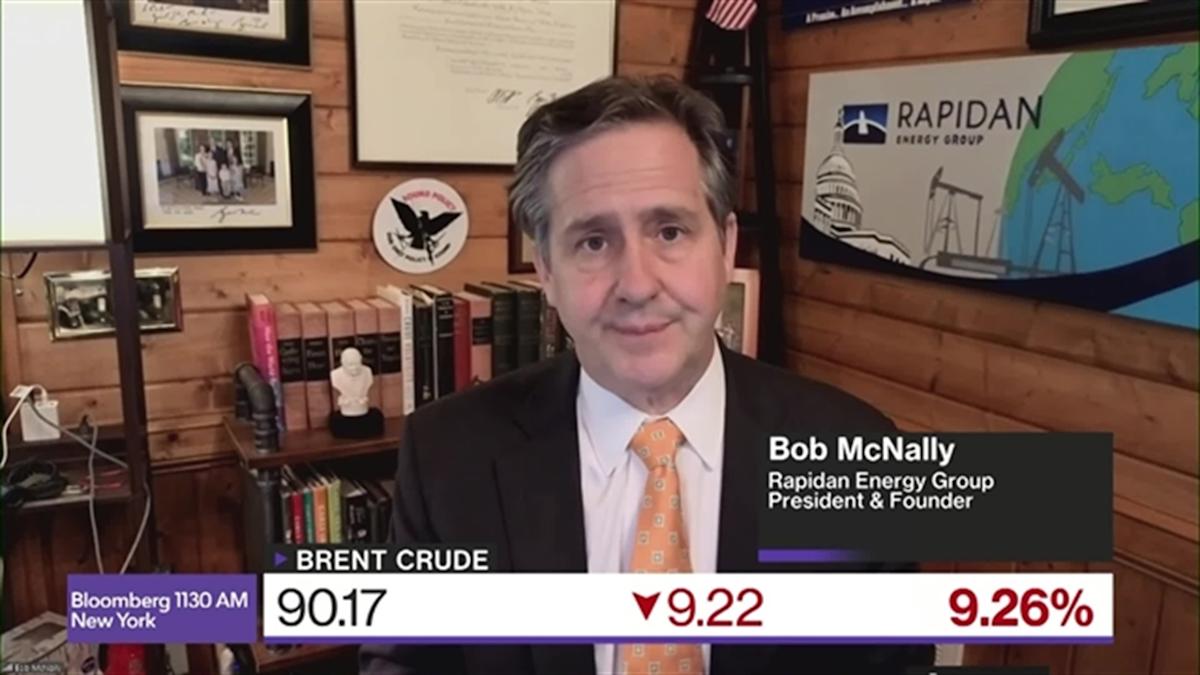
BP and others pulling staff from Iraq oilfields, output steady
Written by Emily J. Thompson, Senior Investment Analyst
Updated: Jun 23 2025
0mins
Should l Buy CVX?
Source: Reuters
Evacuation of Personnel: BP, Eni, and TotalEnergies have begun evacuating foreign personnel from Iraqi oilfields due to heightened tensions following U.S. military strikes on Iranian sites and threats from Iran-aligned groups, although oil production remains unaffected.
Operational Status: Despite the evacuations, operations at various oilfields, including those managed by Chinese companies and Lukoil, continue without disruption, with some companies reducing staff as a precautionary measure.
Trade with 70% Backtested Accuracy
Stop guessing "Should I Buy CVX?" and start using high-conviction signals backed by rigorous historical data.
Sign up today to access powerful investing tools and make smarter, data-driven decisions.
Analyst Views on CVX
Wall Street analysts forecast CVX stock price to fall
19 Analyst Rating
15 Buy
4 Hold
0 Sell
Strong Buy
Current: 183.250

Low
158.00
Averages
176.95
High
206.00
Current: 183.250
Low
158.00
Averages
176.95
High
206.00
About CVX
Chevron Corporation is an integrated energy company. The Company produces crude oil and natural gas; manufactures transportation fuels, lubricants, petrochemicals and additives; and develops technologies that enhance its business and industry. The Company’s segments include Upstream and Downstream. Upstream operations consist primarily of exploring for, developing, producing and transporting crude oil and natural gas; liquefaction, transportation and regasification associated with LNG; transporting crude oil by major international oil export pipelines; processing, transporting, storage and marketing of natural gas; carbon capture and storage; and a gas-to-liquids plant. Downstream operations consist primarily of the refining of crude oil into petroleum products; marketing crude oil, refined products, and lubricants; manufacturing and marketing of renewable fuels, and transporting of crude oil and refined products by pipeline, marine vessel, motor equipment and rail car.
About the author

Emily J. Thompson
Emily J. Thompson, a Chartered Financial Analyst (CFA) with 12 years in investment research, graduated with honors from the Wharton School. Specializing in industrial and technology stocks, she provides in-depth analysis for Intellectia’s earnings and market brief reports.

Oil Market Volatility Heightens, Investor Bets on Energy Stocks


- Pricing Discrepancy: Investor George Noble highlights a significant pricing difference between paper oil markets, which reflect peace deals, and physical oil markets, which account for war risks, indicating a severe divergence in market expectations for future trends.
- Transport Bottleneck: Currently, 230 oil tankers are stuck in the Persian Gulf, with traffic through the Strait of Hormuz dropping over 90%, while Saudi Arabia's East-West pipeline can only handle 9 million barrels per day, creating a massive supply gap that cannot be bridged with existing infrastructure.
- Energy Stock Volatility: The State Street Energy Select Sector SPDR ETF (XLE) has shown significant divergence from the S&P 500 since the war began, initially outperforming the benchmark due to the Hormuz crisis but underperforming after signs of a ceasefire, reflecting the market's sensitivity to energy stocks.
- Investor Sentiment: Despite the United States Oil Fund (USO) gaining nearly 86% year-to-date, market sentiment remains bearish, reflecting investor concerns about future oil price movements, particularly after Trump announced an extension of the ceasefire with Iran, leading to a pullback in oil prices.
See More

Trump Extends Iran Ceasefire Deadline Amid Market Uncertainty


- Ceasefire Extension: President Trump has extended the Iran ceasefire deadline by two weeks, a move that may exacerbate uncertainty in the Middle East conflict as Tehran shows reluctance to engage in diplomatic efforts, potentially impacting global market sentiment.
- Tariff Policy Impact: Trump expressed hope that U.S. companies that have not sought refunds for his tariffs will adhere to a 'no take back' policy, despite the Supreme Court ruling the tariffs illegal; major firms like Apple and Amazon have yet to file for refunds, which could affect their future financial performance.
- Market Reaction: Following Trump's announcement of the ceasefire extension, U.S. stock index futures rose, despite a lower close on Tuesday, while crude oil prices increased, indicating market sensitivity to developments in the Middle East.
- Aviation Industry Outlook: United Airlines has slashed its 2026 earnings outlook due to supply chain issues stemming from the Middle East conflict, reflecting the direct impact of soaring fuel prices on the airline industry and potentially leading to broader industry adjustments.
See More

Brent Crude Oil Price Fluctuations Impact Oil Companies' Outlook

- Price Decline Context: Brent crude oil prices have recently dipped below $100 a barrel, significantly lower than the $119.50 peak caused by Iran's attack, indicating a fragile de-escalation in the Middle East that could lead to future price volatility.
- War Impact Assessment: While the current ceasefire has temporarily lowered oil prices, a resumption of conflict could cause a significant spike in prices, further impacting oil infrastructure in the Gulf and leading to supply disruptions that affect the global market.
- Oil Company Earnings Outlook: With oil prices starting the year around $60, many oil companies budgeted for prices between $60 and $70, resulting in substantial profits now, particularly Chevron, which expects to generate $12.5 billion in free cash flow at $70 oil.
- Long-Term Growth Potential: Even if a peace deal is reached, oil prices are unlikely to quickly revert to the $60 range, with ongoing supply shortages expected, positioning companies like Exxon and Chevron to significantly exceed their growth expectations, making them compelling long-term investment opportunities.
See More
Halliburton Re-engages in Venezuela Oilfield Services Amid Sanction Easing

- Market Re-engagement: Halliburton is in discussions with customers regarding commercial terms in Venezuela, indicating strong confidence in re-entering the oilfield services market, particularly as U.S. sanctions are eased.
- Surge in Client Demand: Following the U.S. capture of former President Maduro, interest from oil producers and investors in Venezuela has surged, with CEO Jeff Miller noting a significant increase in inbound inquiries, reflecting robust market recovery.
- Facility Conditions Better Than Expected: Miller highlighted that many of Halliburton's bases and facilities in Venezuela are in better shape than anticipated, providing a solid foundation for the company's re-entry and expected acceleration of service capabilities.
- Recruitment Plans Initiated: Halliburton began seeking resumes for engineers and technicians in January, demonstrating a proactive approach to expanding operations in Venezuela, especially in light of the U.S. government's plans to restore oil output in the country.
See More

Three High-Yield Stocks for Long-Term Investment

- Chevron's Stable Returns: Chevron (CVX) currently offers a 3.9% dividend yield and has increased its dividend for 39 consecutive years, delivering over 180% total return in the past decade, with expectations of over 10% annual growth in free cash flow through 2030, highlighting its strong growth potential in energy transition.
- Clearway Energy's Robust Growth: Clearway Energy (CWEN) boasts a 4.7% dividend yield and a total return of 340% over the past decade, with projected annual cash flow growth of 7% to 8% through 2030, enhancing its dividend capacity through renewable asset acquisitions and increased existing asset capacity.
- Williams' Stability: Williams (WMB), a natural gas pipeline giant, offers a 3% dividend yield and has achieved a total return of 570% over the past decade, planning to invest heavily in new gas infrastructure to support over 10% annual earnings growth, ensuring continued dividend increases.
- Advantages of Automated Portfolios: These three companies possess strong dividend growth potential, making them ideal for investors to set up automatic dividend reinvestment plans, with long-term holdings likely to yield substantial returns, reflecting the strategic value of long-term investing.
See More

Middle East Tensions Impact Energy Stock Performance

- Chevron's Diversification Advantage: As one of the world's largest energy companies, Chevron's integrated business model spans production, transportation, refining, and chemicals, ensuring stability across different energy cycles, with a current dividend yield of 3.8% reflecting its strong financial resilience.
- Enterprise's Stable Income: Enterprise Products Partners focuses on midstream energy infrastructure, owning a vast portfolio of North American assets, and its fee-based model allows it to maintain robust transportation volumes amid strong energy demand, currently offering a distribution yield of 5.9% that has increased annually for 27 years, showcasing its reliable income potential.
- Brookfield Renewable's Future Potential: Brookfield Renewable Partners owns a global portfolio of clean energy assets with a current distribution yield of 4.5%, supported by long-term contracts that ensure stable distributions, and plans to invest up to $10 billion over the next five years to drive growth, indicating its proactive stance in the renewable energy sector.
- Dual Strategy of Compounding Investments: Investors can choose to take dividends for immediate expenses or reinvest them for compounding growth, with the latter potentially leading to significantly enhanced future income streams, thereby improving financial security over time.
See More
Oil Market Volatility Heightens, Investor Bets on Energy Stocks
- Pricing Discrepancy: Investor George Noble highlights a significant pricing difference between paper oil markets, which reflect peace deals, and physical oil markets, which account for war risks, indicating a severe divergence in market expectations for future trends.
- Transport Bottleneck: Currently, 230 oil tankers are stuck in the Persian Gulf, with traffic through the Strait of Hormuz dropping over 90%, while Saudi Arabia's East-West pipeline can only handle 9 million barrels per day, creating a massive supply gap that cannot be bridged with existing infrastructure.
- Energy Stock Volatility: The State Street Energy Select Sector SPDR ETF (XLE) has shown significant divergence from the S&P 500 since the war began, initially outperforming the benchmark due to the Hormuz crisis but underperforming after signs of a ceasefire, reflecting the market's sensitivity to energy stocks.
- Investor Sentiment: Despite the United States Oil Fund (USO) gaining nearly 86% year-to-date, market sentiment remains bearish, reflecting investor concerns about future oil price movements, particularly after Trump announced an extension of the ceasefire with Iran, leading to a pullback in oil prices.
See More
Trump Extends Iran Ceasefire Deadline Amid Market Uncertainty
- Ceasefire Extension: President Trump has extended the Iran ceasefire deadline by two weeks, a move that may exacerbate uncertainty in the Middle East conflict as Tehran shows reluctance to engage in diplomatic efforts, potentially impacting global market sentiment.
- Tariff Policy Impact: Trump expressed hope that U.S. companies that have not sought refunds for his tariffs will adhere to a 'no take back' policy, despite the Supreme Court ruling the tariffs illegal; major firms like Apple and Amazon have yet to file for refunds, which could affect their future financial performance.
- Market Reaction: Following Trump's announcement of the ceasefire extension, U.S. stock index futures rose, despite a lower close on Tuesday, while crude oil prices increased, indicating market sensitivity to developments in the Middle East.
- Aviation Industry Outlook: United Airlines has slashed its 2026 earnings outlook due to supply chain issues stemming from the Middle East conflict, reflecting the direct impact of soaring fuel prices on the airline industry and potentially leading to broader industry adjustments.
See More
Brent Crude Oil Price Fluctuations Impact Oil Companies' Outlook
- Price Decline Context: Brent crude oil prices have recently dipped below $100 a barrel, significantly lower than the $119.50 peak caused by Iran's attack, indicating a fragile de-escalation in the Middle East that could lead to future price volatility.
- War Impact Assessment: While the current ceasefire has temporarily lowered oil prices, a resumption of conflict could cause a significant spike in prices, further impacting oil infrastructure in the Gulf and leading to supply disruptions that affect the global market.
- Oil Company Earnings Outlook: With oil prices starting the year around $60, many oil companies budgeted for prices between $60 and $70, resulting in substantial profits now, particularly Chevron, which expects to generate $12.5 billion in free cash flow at $70 oil.
- Long-Term Growth Potential: Even if a peace deal is reached, oil prices are unlikely to quickly revert to the $60 range, with ongoing supply shortages expected, positioning companies like Exxon and Chevron to significantly exceed their growth expectations, making them compelling long-term investment opportunities.
See More
Halliburton Re-engages in Venezuela Oilfield Services Amid Sanction Easing
- Market Re-engagement: Halliburton is in discussions with customers regarding commercial terms in Venezuela, indicating strong confidence in re-entering the oilfield services market, particularly as U.S. sanctions are eased.
- Surge in Client Demand: Following the U.S. capture of former President Maduro, interest from oil producers and investors in Venezuela has surged, with CEO Jeff Miller noting a significant increase in inbound inquiries, reflecting robust market recovery.
- Facility Conditions Better Than Expected: Miller highlighted that many of Halliburton's bases and facilities in Venezuela are in better shape than anticipated, providing a solid foundation for the company's re-entry and expected acceleration of service capabilities.
- Recruitment Plans Initiated: Halliburton began seeking resumes for engineers and technicians in January, demonstrating a proactive approach to expanding operations in Venezuela, especially in light of the U.S. government's plans to restore oil output in the country.
See More
Three High-Yield Stocks for Long-Term Investment
- Chevron's Stable Returns: Chevron (CVX) currently offers a 3.9% dividend yield and has increased its dividend for 39 consecutive years, delivering over 180% total return in the past decade, with expectations of over 10% annual growth in free cash flow through 2030, highlighting its strong growth potential in energy transition.
- Clearway Energy's Robust Growth: Clearway Energy (CWEN) boasts a 4.7% dividend yield and a total return of 340% over the past decade, with projected annual cash flow growth of 7% to 8% through 2030, enhancing its dividend capacity through renewable asset acquisitions and increased existing asset capacity.
- Williams' Stability: Williams (WMB), a natural gas pipeline giant, offers a 3% dividend yield and has achieved a total return of 570% over the past decade, planning to invest heavily in new gas infrastructure to support over 10% annual earnings growth, ensuring continued dividend increases.
- Advantages of Automated Portfolios: These three companies possess strong dividend growth potential, making them ideal for investors to set up automatic dividend reinvestment plans, with long-term holdings likely to yield substantial returns, reflecting the strategic value of long-term investing.
See More
Middle East Tensions Impact Energy Stock Performance
- Chevron's Diversification Advantage: As one of the world's largest energy companies, Chevron's integrated business model spans production, transportation, refining, and chemicals, ensuring stability across different energy cycles, with a current dividend yield of 3.8% reflecting its strong financial resilience.
- Enterprise's Stable Income: Enterprise Products Partners focuses on midstream energy infrastructure, owning a vast portfolio of North American assets, and its fee-based model allows it to maintain robust transportation volumes amid strong energy demand, currently offering a distribution yield of 5.9% that has increased annually for 27 years, showcasing its reliable income potential.
- Brookfield Renewable's Future Potential: Brookfield Renewable Partners owns a global portfolio of clean energy assets with a current distribution yield of 4.5%, supported by long-term contracts that ensure stable distributions, and plans to invest up to $10 billion over the next five years to drive growth, indicating its proactive stance in the renewable energy sector.
- Dual Strategy of Compounding Investments: Investors can choose to take dividends for immediate expenses or reinvest them for compounding growth, with the latter potentially leading to significantly enhanced future income streams, thereby improving financial security over time.
See More