Boeing Delivery Delays Lead to Aircraft Order Backlog


- Aircraft Order Backlog: The global backlog of unfilled aircraft orders exceeds 17,000 jets, with Boeing's production delays extending delivery timelines, resulting in an average fleet age of 15 years, which hampers airlines' ability to renew their fleets.
- GE Aerospace Revenue Growth: GE Aerospace has an installed base of approximately 80,000 commercial and military engines, with service revenue reaching $24 billion in 2025, a 26% year-over-year increase, accounting for 53% of total revenue, showcasing the strength of its long-term service agreements.
- TransDigm's Market Advantage: TransDigm focuses on manufacturing critical small components, achieving an operating margin of 47.2% in fiscal 2025, significantly higher than GE's 21.4%, with its pricing power and cash flow performance setting it apart in the industry.
- Investor Choice Consideration: GE offers safety and stable cash flow, generating $7.3 billion in free cash flow in 2025, while TransDigm produced $1.8 billion, prompting investors to choose between platform or parts suppliers based on their risk preferences.
Trade with 70% Backtested Accuracy
Analyst Views on GE

About GE
About the author

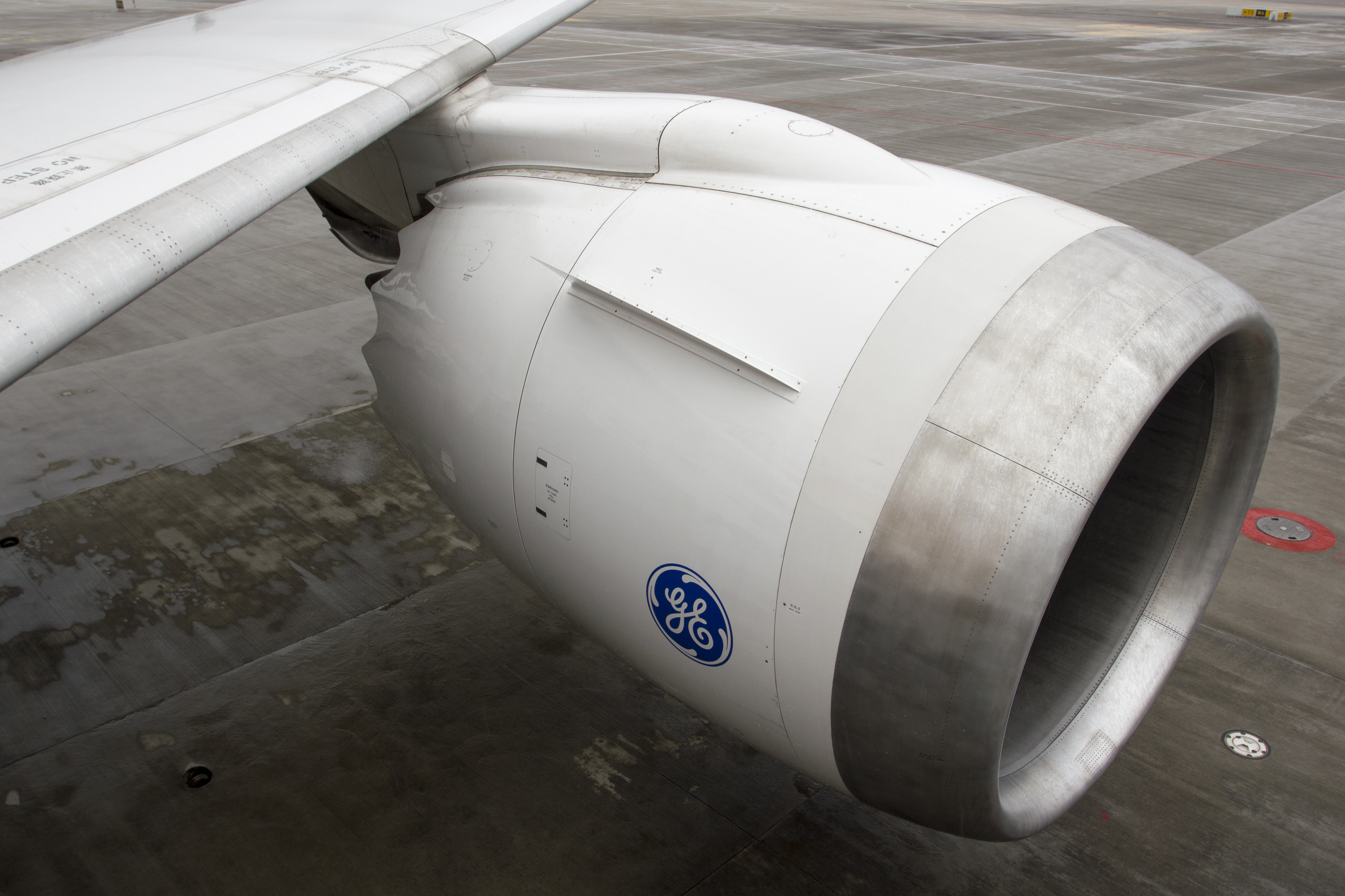
GE Aerospace to Invest Additional $1 Billion to Boost Manufacturing Capacity

- Investment Expansion: GE Aerospace announced an additional $1 billion investment in its U.S. manufacturing facilities and supplier network to increase jet engine output and accelerate parts production, reflecting strong demand in both commercial aviation and defense sectors.
- Job Creation: This investment is expected to support approximately 5,000 new jobs, further solidifying the U.S. aerospace leadership, with CEO Larry Culp emphasizing the importance of sustained investment for the future of flight technologies.
- Military Engine Upgrades: Over $275 million of the planned spending will be directed toward upgrading facilities that manufacture military engines and related components, ensuring the capacity to meet defense needs and enhance production efficiency.
- Supply Chain Stabilization: GE Aerospace plans to allocate more than $100 million to assist suppliers in purchasing tooling and equipment aimed at stabilizing production and reducing bottlenecks, thereby ensuring reliable delivery timelines.

ITA Stock Price Analysis and ETF Dynamics

- Price Fluctuation Analysis: ITA's 52-week low is $129.14 and high is $250.65, with the current trading price at $240.60, indicating that the stock is fluctuating near its high, which may influence investor buying decisions.
- Technical Analysis Tool: Comparing the current stock price to the 200-day moving average can provide investors with valuable insights for technical analysis, helping to assess market trends and potential buying opportunities.
- ETF Trading Mechanism: ETFs trade similarly to stocks, where investors are buying and selling 'units' that can be created or destroyed based on demand, impacting the liquidity and market performance of the ETF.
- Inflows and Outflows Monitoring: Weekly monitoring of changes in ETF shares outstanding focuses on notable inflows (new units created) or outflows (old units destroyed), which can directly affect the individual stocks held within the ETFs.

Reasons This Defense ETF May Continue to Rise Amid Escalating Iran Conflict

Military Costs and Incidents: The recent friendly fire incident in Kuwait, which resulted in the downing of three U.S. F-15 jets, has added to the estimated replacement costs of around $100 million each, highlighting unforeseen military expenses amid ongoing conflicts.
Stock Market Impact: The defense industry is experiencing a boost, with government contractors reporting a year-to-date gain of 9.55%, significantly outperforming the broader S&P 500 index, which has seen a loss of 2.22%.
Investment Trends: The iShares U.S. Aerospace & Defense ETF has amassed nearly $11 billion in market capitalization, attracting institutional investors due to its strong performance and the ongoing geopolitical tensions, particularly in the Middle East.
Top Defense Stocks: The ETF includes major defense contractors like Lockheed Martin and Boeing, which have seen varied year-to-date performances, with some stocks significantly outperforming others, indicating a selective investment landscape in the defense sector.

Challenging Stock Market Conditions, Yet These 5 Funds Are Thriving.


Positive Market News: Despite recent negative headlines regarding Iran, oil prices, market losses, and poor job numbers, there is encouraging news in the financial sector.
High-Performing Funds: Five investment funds are currently performing exceptionally well, providing a bright spot in an otherwise challenging economic landscape.

U.S. Payrolls Unexpectedly Decline by 92,000 in February


- Weak Job Market: The U.S. nonfarm payrolls unexpectedly fell by 92,000 in February, significantly below the forecast of 50,000 and down from the revised January total of 126,000, indicating ongoing economic pressure from severe winter weather and a strike in the healthcare sector.
- Rising Unemployment Rate: The unemployment rate increased to 4.4%, reflecting job losses across key sectors, although a broader measure of unemployment, which includes discouraged workers and part-time workers for economic reasons, decreased to 7.9%, suggesting some resilience in the labor market.
- Wage Growth Exceeds Expectations: Despite the weak job data, average hourly earnings rose by 0.4% for the month and 3.8% year-over-year, both exceeding forecasts by 0.1 percentage points, indicating persistent labor cost pressures that could influence future monetary policy decisions.
- Significant Industry Impact: The healthcare sector lost 28,000 jobs due to the Kaiser Permanente strike, while information services and manufacturing saw declines of 11,000 and 12,000 jobs respectively, highlighting structural challenges within industries that may lead policymakers to adopt a more cautious approach in response to economic slowdown.

Tensions Rise Ahead of US-China Trade Talks


- High-Level Talks: On October 30, 2025, US President Donald Trump and Chinese President Xi Jinping met in South Korea to seek a truce in their trade war, with Trump expressing optimism about the meeting while China remained cautious, highlighting the complexities in their trade relations.
- Impact of Iran War: The US military actions against Iran have heightened tensions between the US and China, particularly given China's status as the largest buyer of Iranian oil, suggesting that Trump's aggressive stance could influence the atmosphere of the upcoming summit.
- Market Reactions: The military conflict has disrupted shipments through the Strait of Hormuz, causing a rebound in international oil prices and creating visible ripples in the global economy, especially affecting China and other Asian economies reliant on oil from the region.
- China's Strategic Considerations: Despite facing US military pressure, China has responded with an unusually soft tone, indicating its desire to maintain dialogue with the US, particularly in light of its expanding investments in the Middle East, which may influence future bilateral relations.
GE Aerospace to Invest Additional $1 Billion to Boost Manufacturing Capacity
- Investment Expansion: GE Aerospace announced an additional $1 billion investment in its U.S. manufacturing facilities and supplier network to increase jet engine output and accelerate parts production, reflecting strong demand in both commercial aviation and defense sectors.
- Job Creation: This investment is expected to support approximately 5,000 new jobs, further solidifying the U.S. aerospace leadership, with CEO Larry Culp emphasizing the importance of sustained investment for the future of flight technologies.
- Military Engine Upgrades: Over $275 million of the planned spending will be directed toward upgrading facilities that manufacture military engines and related components, ensuring the capacity to meet defense needs and enhance production efficiency.
- Supply Chain Stabilization: GE Aerospace plans to allocate more than $100 million to assist suppliers in purchasing tooling and equipment aimed at stabilizing production and reducing bottlenecks, thereby ensuring reliable delivery timelines.
ITA Stock Price Analysis and ETF Dynamics
- Price Fluctuation Analysis: ITA's 52-week low is $129.14 and high is $250.65, with the current trading price at $240.60, indicating that the stock is fluctuating near its high, which may influence investor buying decisions.
- Technical Analysis Tool: Comparing the current stock price to the 200-day moving average can provide investors with valuable insights for technical analysis, helping to assess market trends and potential buying opportunities.
- ETF Trading Mechanism: ETFs trade similarly to stocks, where investors are buying and selling 'units' that can be created or destroyed based on demand, impacting the liquidity and market performance of the ETF.
- Inflows and Outflows Monitoring: Weekly monitoring of changes in ETF shares outstanding focuses on notable inflows (new units created) or outflows (old units destroyed), which can directly affect the individual stocks held within the ETFs.
Reasons This Defense ETF May Continue to Rise Amid Escalating Iran Conflict
Military Costs and Incidents: The recent friendly fire incident in Kuwait, which resulted in the downing of three U.S. F-15 jets, has added to the estimated replacement costs of around $100 million each, highlighting unforeseen military expenses amid ongoing conflicts.
Stock Market Impact: The defense industry is experiencing a boost, with government contractors reporting a year-to-date gain of 9.55%, significantly outperforming the broader S&P 500 index, which has seen a loss of 2.22%.
Investment Trends: The iShares U.S. Aerospace & Defense ETF has amassed nearly $11 billion in market capitalization, attracting institutional investors due to its strong performance and the ongoing geopolitical tensions, particularly in the Middle East.
Top Defense Stocks: The ETF includes major defense contractors like Lockheed Martin and Boeing, which have seen varied year-to-date performances, with some stocks significantly outperforming others, indicating a selective investment landscape in the defense sector.
Challenging Stock Market Conditions, Yet These 5 Funds Are Thriving.
Positive Market News: Despite recent negative headlines regarding Iran, oil prices, market losses, and poor job numbers, there is encouraging news in the financial sector.
High-Performing Funds: Five investment funds are currently performing exceptionally well, providing a bright spot in an otherwise challenging economic landscape.
U.S. Payrolls Unexpectedly Decline by 92,000 in February
- Weak Job Market: The U.S. nonfarm payrolls unexpectedly fell by 92,000 in February, significantly below the forecast of 50,000 and down from the revised January total of 126,000, indicating ongoing economic pressure from severe winter weather and a strike in the healthcare sector.
- Rising Unemployment Rate: The unemployment rate increased to 4.4%, reflecting job losses across key sectors, although a broader measure of unemployment, which includes discouraged workers and part-time workers for economic reasons, decreased to 7.9%, suggesting some resilience in the labor market.
- Wage Growth Exceeds Expectations: Despite the weak job data, average hourly earnings rose by 0.4% for the month and 3.8% year-over-year, both exceeding forecasts by 0.1 percentage points, indicating persistent labor cost pressures that could influence future monetary policy decisions.
- Significant Industry Impact: The healthcare sector lost 28,000 jobs due to the Kaiser Permanente strike, while information services and manufacturing saw declines of 11,000 and 12,000 jobs respectively, highlighting structural challenges within industries that may lead policymakers to adopt a more cautious approach in response to economic slowdown.
Tensions Rise Ahead of US-China Trade Talks
- High-Level Talks: On October 30, 2025, US President Donald Trump and Chinese President Xi Jinping met in South Korea to seek a truce in their trade war, with Trump expressing optimism about the meeting while China remained cautious, highlighting the complexities in their trade relations.
- Impact of Iran War: The US military actions against Iran have heightened tensions between the US and China, particularly given China's status as the largest buyer of Iranian oil, suggesting that Trump's aggressive stance could influence the atmosphere of the upcoming summit.
- Market Reactions: The military conflict has disrupted shipments through the Strait of Hormuz, causing a rebound in international oil prices and creating visible ripples in the global economy, especially affecting China and other Asian economies reliant on oil from the region.
- China's Strategic Considerations: Despite facing US military pressure, China has responded with an unusually soft tone, indicating its desire to maintain dialogue with the US, particularly in light of its expanding investments in the Middle East, which may influence future bilateral relations.