Boeing 737 Max Deliveries Delayed Due to Wiring Defect
Written by Emily J. Thompson, Senior Investment Analyst
Updated: Mar 10 2026
0mins
Should l Buy BA?
Source: seekingalpha
- Delivery Delays: Boeing (BA) announced that a wiring defect on some 737 Max aircraft will delay a portion of deliveries, although the company expects to meet its full-year delivery goal, with the issue stemming from minor scratches caused by a machining error affecting quality standards.
- Production Continues: Despite the defect, production of the 737 Max continues at the current pace, with affected aircraft undergoing rework expected to take only a few days, thereby minimizing the impact on delivery schedules.
- Orders and Deliveries: Boeing delivered 51 commercial aircraft in February, marking its strongest monthly result since 2017, and secured 21 gross aircraft orders, although six were cancellations, resulting in six net orders, indicating resilience in market demand.
- Potential Major Sale: Boeing is nearing a significant potential sale of about 500 737 Max jets, which could be announced during Donald Trump's planned visit to Beijing, although the agreement has not yet been finalized, potentially providing crucial support for the company's financial recovery.
Trade with 70% Backtested Accuracy
Stop guessing "Should I Buy BA?" and start using high-conviction signals backed by rigorous historical data.
Sign up today to access powerful investing tools and make smarter, data-driven decisions.
Analyst Views on BA
Wall Street analysts forecast BA stock price to rise
16 Analyst Rating
14 Buy
1 Hold
1 Sell
Strong Buy
Current: 207.320

Low
150.00
Averages
269.14
High
298.00
Current: 207.320
Low
150.00
Averages
269.14
High
298.00
About BA
The Boeing Company is an aerospace company. Its segments include Commercial Airplanes (BCA), Defense, Space & Security (BDS), and Global Services (BGS). Its BCA segment develops, produces and markets commercial jet aircraft principally for the commercial airline industry worldwide. Its family of commercial jet aircraft in production includes the 737 narrow-body model and the 767, 777 and 787 wide-body models. Its BDS segment is engaged in the research, development, production and modification of manned and unmanned military aircraft and weapons systems for strike, surveillance and mobility. Its BGS segment provides services to its commercial and defense customers worldwide. It sustains aerospace platforms and systems with a range of products and services, including supply chain and logistics management, engineering, maintenance and modifications, upgrades and conversions, spare parts, pilot and maintenance training systems and services, technical and maintenance documents, and others.
About the author

Emily J. Thompson
Emily J. Thompson, a Chartered Financial Analyst (CFA) with 12 years in investment research, graduated with honors from the Wharton School. Specializing in industrial and technology stocks, she provides in-depth analysis for Intellectia’s earnings and market brief reports.

Boeing Faces Challenges in Restoring Reputation

- Market Confidence Lacking: Despite analysts generally rating Boeing (NYSE: BA) as a strong buy, investor confidence is notably low due to the company's damaged reputation, with the current stock price significantly below the consensus target of $275.30, indicating a potential upside of over 32%.
- Order Backlog Recovery: Boeing's order backlog reached a new record in 2022, showing signs of recovery despite a decline in orders since 2019 due to the 737 MAX crashes and the COVID-19 pandemic, reflecting a gradual restoration of market confidence in the company's future revenue.
- Efficiency Improvements: Boeing has made progress in improving its margins but still needs to minimize interest payments on its $52.6 billion long-term debt and restore profitability in its defense and space unit to enhance overall operational efficiency.
- Certification Progress Critical: The certification of Boeing's 737 MAX 10 and 777X widebody aircraft is crucial, with the former expected to be certified by the end of this year and the latter aiming for commercial deliveries in 2027, directly impacting the company's competitive position and margin expansion.
See More
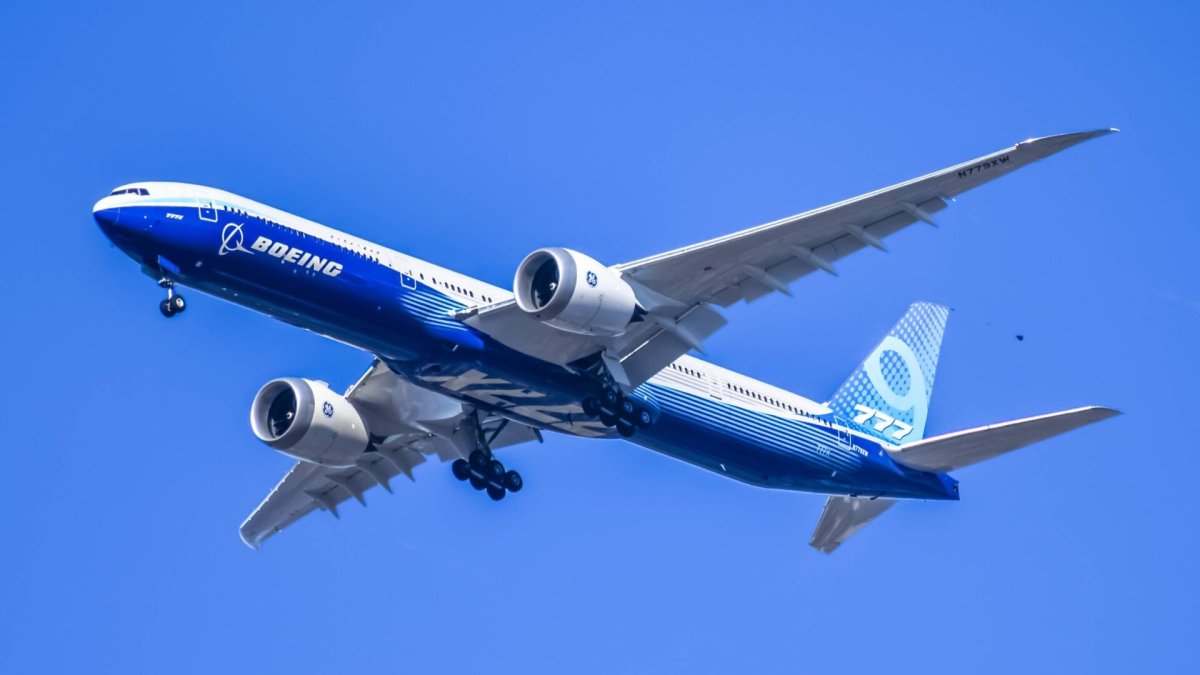
Boeing Faces New Challenges and Opportunities Amidst Recovery
- Significant Order Value: Korean Air's plan to purchase 103 Boeing aircraft by 2039, valued at approximately $36.2 billion, not only boosts Boeing's market confidence but also provides an opportunity to rebuild its reputation after years of safety issues and delivery delays.
- Regulatory Relationship Improvement: The European Aviation Safety Agency (EASA) has indicated that relations with the FAA and Boeing are improving, which is a positive signal that could help Boeing rebuild trust with regulators post-737 MAX crisis, potentially facilitating future compliance and collaboration.
- Fuel Cost Pressure: Korean Air announced it would enter emergency management mode due to expected fuel costs rising from 220 cents to 450 cents per gallon because of the Iran war, posing challenges to the economics of Boeing's order and potentially impacting future deliveries and growth plans.
- Defense Business Potential: Boeing's $289 million contract with Israel provides a new growth avenue for its defense business, and while the Iran war introduces uncertainty, the rising defense demand may offer some buffer, helping Boeing navigate pressures in its commercial aviation sector.
See More
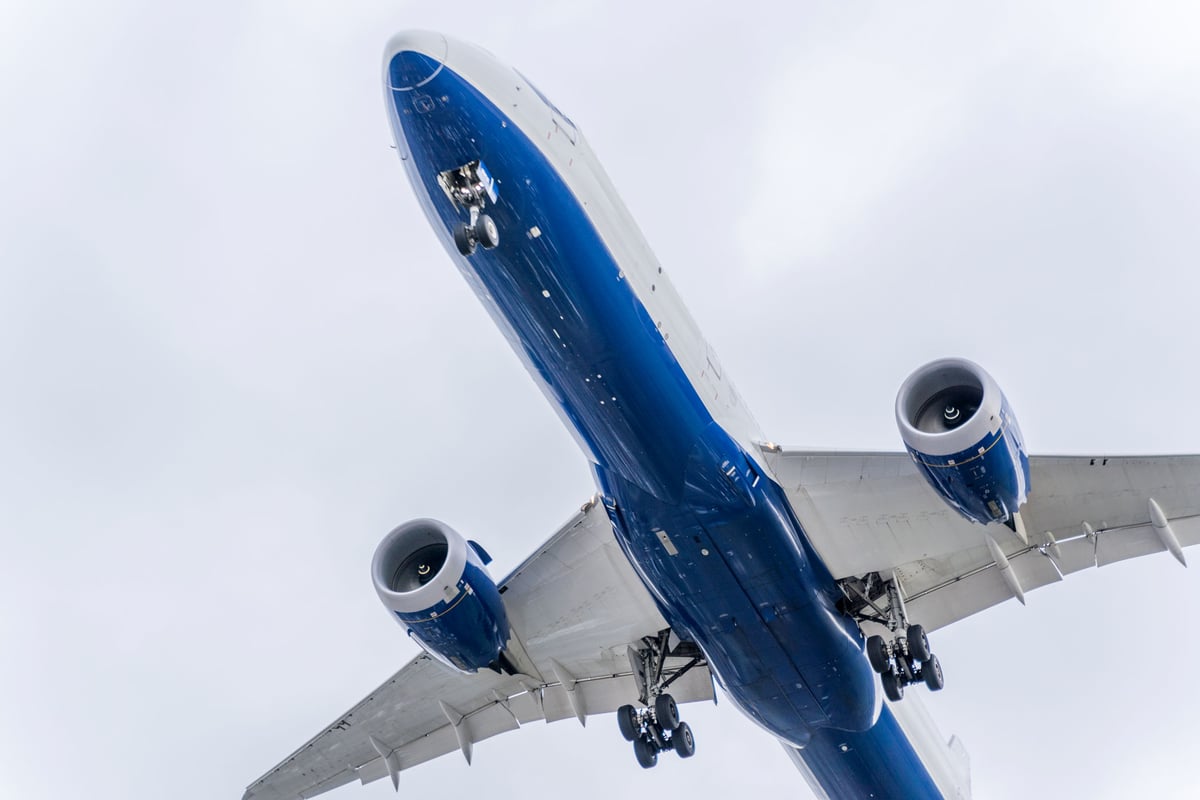
Boeing Stock Outlook: Key Challenges Ahead
- Artemis Mission Success: Boeing's role in the Artemis moon mission involves manufacturing the critical 212-foot rocket, and any failure could reignite concerns about Boeing's design and manufacturing reliability, negatively impacting its reputation and stock price.
- Growing Order Backlog: After a slump post-737 MAX incidents, Boeing's order backlog reached a new record in 2022, indicating potential future revenue; continued growth in this backlog will bolster investor confidence in the company's prospects.
- Widening Profit Margins: Boeing must continue to improve its profit margins to restore operational efficiency, particularly in managing its $52.6 billion long-term debt; reducing costs will positively affect shareholder returns and overall financial health.
- Critical Certifications Approval: The certification of Boeing's 737 MAX 10 and 777X aircraft is essential for competing with Airbus; delays in these approvals could hinder production capacity and margin expansion, impacting the company's long-term growth trajectory.
See More
Boeing Stock Outlook: Key Challenges Ahead

- Critical Role in Artemis: Boeing's responsibility for the 212-foot rocket in the Artemis moon mission is crucial, as any failure could reignite concerns about its design and manufacturing capabilities, thereby impacting investor confidence significantly.
- Growing Order Backlog: Despite a slump in orders following the 737 MAX incidents in 2019, Boeing's order backlog has reached a new record since 2022, indicating a recovery in market confidence about future revenues, although orders are not guaranteed.
- Profit Margin Improvement Needed: Boeing must continue to widen its profit margins to restore operational efficiency, with long-term debt of $52.6 billion necessitating careful management of interest expenses; improving production costs is essential for profitability.
- Certification Approvals Required: The 737 MAX 10 and 777X aircraft need certification in the near future, with the former expected by year-end and the latter by 2027; delays in these approvals could hinder Boeing's competitive position and profit growth.
See More

Oracle's Dubai Office Damaged Amid Rising Tensions in the Middle East


- Incident Overview: Oracle's office in Dubai was damaged by debris from an aerial interception, although no injuries were reported, highlighting the escalating tensions in the Middle East.
- Escalating Security Threats: Iran's Revolutionary Guard has designated 18 tech companies, including Oracle, as 'legitimate targets' in retaliation for U.S. and Israeli strikes, indicating the increasing significance of tech assets in conflicts.
- Industry Impact: James Henderson, CEO of risk management firm Healix, noted that the threats against tech companies are part of a sustained pattern, suggesting that future crises may target data centers and cloud platforms as much as traditional strategic sites.
- Historical Context: In March, Iran attacked Amazon Web Services data centers, causing outages in several apps and digital services in the UAE, underscoring the serious cybersecurity landscape in the region.
See More

Iran Threatens Attacks on U.S. Tech Firms Including Oracle
- Incident Overview: Oracle's building in Dubai sustained minor damage from debris due to an aerial interception, with no injuries reported; however, this incident highlights escalating tensions in the Middle East that could impact Oracle's operational safety in the region.
- Threats to Tech Companies: Iran's Revolutionary Guard has designated 18 U.S. tech firms, including Oracle, as 'legitimate targets' in retaliation for U.S. and Israeli strikes, which raises the operational risks for these companies in the Middle East.
- Rising Cybersecurity Risks: As threats against tech companies escalate, risk management expert James Henderson notes that tech assets are now viewed as integral to the conflict, suggesting future attacks may target data centers and cloud platforms, increasing security vulnerabilities in the industry.
- Historical Context: Iran previously attacked Amazon Web Services data centers in early March, causing outages in various apps and digital services in the UAE, and a repeat of such incidents could severely impact Oracle and other tech firms' operations.
See More
Boeing Faces Challenges in Restoring Reputation
- Market Confidence Lacking: Despite analysts generally rating Boeing (NYSE: BA) as a strong buy, investor confidence is notably low due to the company's damaged reputation, with the current stock price significantly below the consensus target of $275.30, indicating a potential upside of over 32%.
- Order Backlog Recovery: Boeing's order backlog reached a new record in 2022, showing signs of recovery despite a decline in orders since 2019 due to the 737 MAX crashes and the COVID-19 pandemic, reflecting a gradual restoration of market confidence in the company's future revenue.
- Efficiency Improvements: Boeing has made progress in improving its margins but still needs to minimize interest payments on its $52.6 billion long-term debt and restore profitability in its defense and space unit to enhance overall operational efficiency.
- Certification Progress Critical: The certification of Boeing's 737 MAX 10 and 777X widebody aircraft is crucial, with the former expected to be certified by the end of this year and the latter aiming for commercial deliveries in 2027, directly impacting the company's competitive position and margin expansion.
See More
Boeing Faces New Challenges and Opportunities Amidst Recovery
- Significant Order Value: Korean Air's plan to purchase 103 Boeing aircraft by 2039, valued at approximately $36.2 billion, not only boosts Boeing's market confidence but also provides an opportunity to rebuild its reputation after years of safety issues and delivery delays.
- Regulatory Relationship Improvement: The European Aviation Safety Agency (EASA) has indicated that relations with the FAA and Boeing are improving, which is a positive signal that could help Boeing rebuild trust with regulators post-737 MAX crisis, potentially facilitating future compliance and collaboration.
- Fuel Cost Pressure: Korean Air announced it would enter emergency management mode due to expected fuel costs rising from 220 cents to 450 cents per gallon because of the Iran war, posing challenges to the economics of Boeing's order and potentially impacting future deliveries and growth plans.
- Defense Business Potential: Boeing's $289 million contract with Israel provides a new growth avenue for its defense business, and while the Iran war introduces uncertainty, the rising defense demand may offer some buffer, helping Boeing navigate pressures in its commercial aviation sector.
See More
Boeing Stock Outlook: Key Challenges Ahead
- Artemis Mission Success: Boeing's role in the Artemis moon mission involves manufacturing the critical 212-foot rocket, and any failure could reignite concerns about Boeing's design and manufacturing reliability, negatively impacting its reputation and stock price.
- Growing Order Backlog: After a slump post-737 MAX incidents, Boeing's order backlog reached a new record in 2022, indicating potential future revenue; continued growth in this backlog will bolster investor confidence in the company's prospects.
- Widening Profit Margins: Boeing must continue to improve its profit margins to restore operational efficiency, particularly in managing its $52.6 billion long-term debt; reducing costs will positively affect shareholder returns and overall financial health.
- Critical Certifications Approval: The certification of Boeing's 737 MAX 10 and 777X aircraft is essential for competing with Airbus; delays in these approvals could hinder production capacity and margin expansion, impacting the company's long-term growth trajectory.
See More
Boeing Stock Outlook: Key Challenges Ahead
- Critical Role in Artemis: Boeing's responsibility for the 212-foot rocket in the Artemis moon mission is crucial, as any failure could reignite concerns about its design and manufacturing capabilities, thereby impacting investor confidence significantly.
- Growing Order Backlog: Despite a slump in orders following the 737 MAX incidents in 2019, Boeing's order backlog has reached a new record since 2022, indicating a recovery in market confidence about future revenues, although orders are not guaranteed.
- Profit Margin Improvement Needed: Boeing must continue to widen its profit margins to restore operational efficiency, with long-term debt of $52.6 billion necessitating careful management of interest expenses; improving production costs is essential for profitability.
- Certification Approvals Required: The 737 MAX 10 and 777X aircraft need certification in the near future, with the former expected by year-end and the latter by 2027; delays in these approvals could hinder Boeing's competitive position and profit growth.
See More
Oracle's Dubai Office Damaged Amid Rising Tensions in the Middle East
- Incident Overview: Oracle's office in Dubai was damaged by debris from an aerial interception, although no injuries were reported, highlighting the escalating tensions in the Middle East.
- Escalating Security Threats: Iran's Revolutionary Guard has designated 18 tech companies, including Oracle, as 'legitimate targets' in retaliation for U.S. and Israeli strikes, indicating the increasing significance of tech assets in conflicts.
- Industry Impact: James Henderson, CEO of risk management firm Healix, noted that the threats against tech companies are part of a sustained pattern, suggesting that future crises may target data centers and cloud platforms as much as traditional strategic sites.
- Historical Context: In March, Iran attacked Amazon Web Services data centers, causing outages in several apps and digital services in the UAE, underscoring the serious cybersecurity landscape in the region.
See More
Iran Threatens Attacks on U.S. Tech Firms Including Oracle
- Incident Overview: Oracle's building in Dubai sustained minor damage from debris due to an aerial interception, with no injuries reported; however, this incident highlights escalating tensions in the Middle East that could impact Oracle's operational safety in the region.
- Threats to Tech Companies: Iran's Revolutionary Guard has designated 18 U.S. tech firms, including Oracle, as 'legitimate targets' in retaliation for U.S. and Israeli strikes, which raises the operational risks for these companies in the Middle East.
- Rising Cybersecurity Risks: As threats against tech companies escalate, risk management expert James Henderson notes that tech assets are now viewed as integral to the conflict, suggesting future attacks may target data centers and cloud platforms, increasing security vulnerabilities in the industry.
- Historical Context: Iran previously attacked Amazon Web Services data centers in early March, causing outages in various apps and digital services in the UAE, and a repeat of such incidents could severely impact Oracle and other tech firms' operations.
See More