Bloom Energy Appoints New CFO Simon Edwards Effective April 2026
Written by Emily J. Thompson, Senior Investment Analyst
Updated: 4 days ago
0mins
Should l Buy BE?
Source: seekingalpha
- Executive Appointment: Bloom Energy has named Simon Edwards as Chief Financial Officer effective April 13, 2026, bringing extensive financial and management experience from his previous role as CEO at Groq, which is expected to provide new strategic insights for the company.
- Leadership Background: Edwards' experience at Groq equips him with knowledge of the fast-evolving tech sector, particularly in the data center space, aligning well with Bloom Energy's current market positioning and potentially driving further expansion in this area.
- Market Reaction: Bloom Energy's stock surged to an all-time high following a strong Q4 earnings report, and although Citi maintains a neutral rating, investor confidence in the company's future growth potential remains robust, reflecting recognition of its strategic direction.
- Growth Outlook: With the urgent demand for renewable energy in data centers, Bloom Energy's market positioning allows it to respond swiftly to this trend, and Edwards' appointment may further accelerate the company's business development in this critical sector.
Trade with 70% Backtested Accuracy
Stop guessing "Should I Buy BE?" and start using high-conviction signals backed by rigorous historical data.
Sign up today to access powerful investing tools and make smarter, data-driven decisions.
Analyst Views on BE
Wall Street analysts forecast BE stock price to rise
19 Analyst Rating
8 Buy
9 Hold
2 Sell
Moderate Buy
Current: 119.510

Low
71.00
Averages
142.89
High
184.00
Current: 119.510
Low
71.00
Averages
142.89
High
184.00
About BE
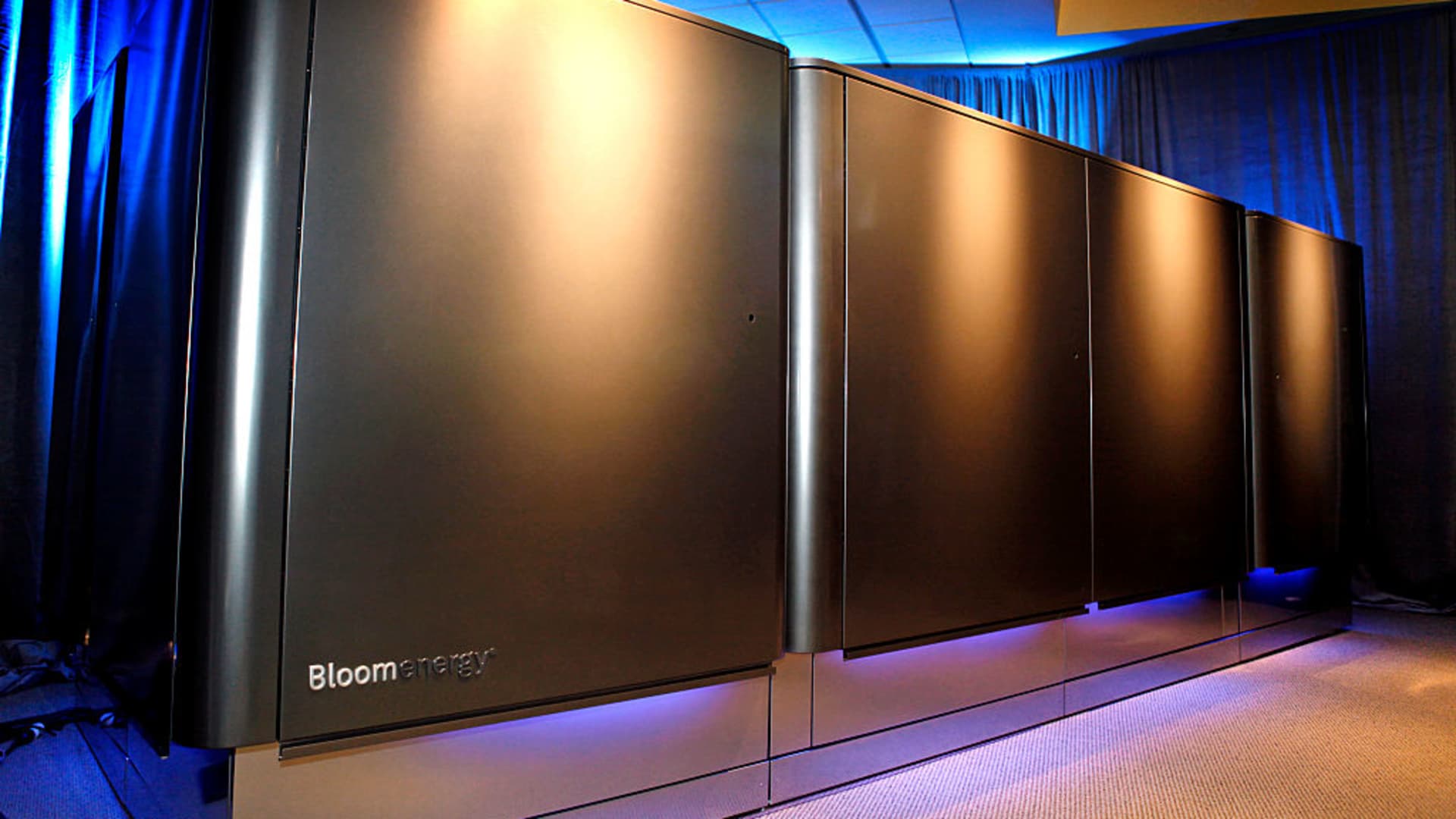
Bloom Energy Corporation is engaged in stationary fuel cell power generation by market share. The Company provides distributed energy technology solutions to customers. The Company manufactures advanced and versatile fuel cell energy platforms, supporting the commercial availability of two products: the Bloom Energy Server for generating electricity and the Bloom Electrolyzer for producing hydrogen. With approximately 1.4 gigawatts (GW) of Energy Server systems deployed in more than 1,000 locations and nine countries. Its solid oxide fuel cell technology platform is the foundation for its Energy Server system and Bloom Electrolyzer. The Bloom Energy Server system is designed to deliver reliable, resilient, clean and affordable energy for utilities and organizations alike. Its Energy Server system is designed to deliver reliable electricity. The Bloom Electrolyzer is designed to provide hydrogen solutions based on the same solid oxide platform as its Energy Server systems.
About the author

Emily J. Thompson
Emily J. Thompson, a Chartered Financial Analyst (CFA) with 12 years in investment research, graduated with honors from the Wharton School. Specializing in industrial and technology stocks, she provides in-depth analysis for Intellectia’s earnings and market brief reports.

Small-Cap ETF Defies Market Downturn Amid Geopolitical Tensions


- Market Performance Comparison: As of 2026, the S&P 500, Nasdaq-100, and Dow Jones Industrial Average have each declined over 5%, while the Russell 2000 small-cap index remains flat, demonstrating its relative resilience amid geopolitical tensions, potentially attracting risk-averse investors.
- ETF Performance Potential: The Vanguard Russell 2000 ETF (NASDAQ: VTWO) is expected to continue outperforming major indices in 2026 by tracking the small-cap index and holding similar stocks and weightings, benefiting from its diversified sector exposure that reduces volatility.
- Small-Cap Returns: Bloom Energy's stock has surged by 500% over the past year, while Credo Technology's stock has increased by over 700% in the last five years, highlighting the strong performance of small-cap stocks driven by surging demand in specific sectors, which may draw more investor attention.
- Policy Support Impact: The Trump administration's tariff policies and regulatory rollbacks benefit domestic companies, further enhancing the Russell 2000 index's performance; although large firms excel in rapid growth, small businesses exhibit stronger resilience in the current environment.
See More

Small-Cap ETF Outperforms Amid Market Turmoil
- Market Performance Divergence: At the start of 2026, the U.S. stock market faces declines over 5% in major indices like the S&P 500 and Nasdaq-100 due to geopolitical tensions in the Middle East driving oil prices up, while the Russell 2000 index remains flat, showcasing the resilience of small-cap stocks.
- Small-Cap Advantages: The Russell 2000 index includes approximately 2,000 small companies across 11 economic sectors, with healthcare, industrials, and financials being the largest, offering a more balanced portfolio compared to the S&P 500, which is heavily concentrated, thus providing steadier returns with lower volatility.
- Impressive Individual Stock Performance: Stocks like Bloom Energy have surged 500% in the past year, and Credo Technology has increased over 700% in five years, indicating that small-cap stocks can deliver remarkable returns driven by specific market demands, attracting investor interest.
- Favorable Policies: Tariff policies and reduced regulatory burdens from the Trump administration benefit domestic companies, enhancing the competitiveness of small-cap stocks, and 2026 is expected to be a strong year for the Vanguard Russell 2000 ETF as a result.
See More

Bloom Energy Shares Plunge 12% Amid Market Sell-Off


- Significant Stock Drop: Bloom Energy shares plummeted 12% on Monday, as of 2:30 p.m. ET, reflecting a broader market trend where investors are pulling out of high-valuation growth stocks due to geopolitical turmoil, despite the stock's impressive nearly 480% increase over the past year.
- Analyst Price Target Cut: Jefferies analysts lowered their price target for Bloom Energy from $102 to $97 per share last Friday, citing rising competition and limited visibility beyond 2026 as risks, indicating over a 25% downside from the stock's closing price of $133.24 on Friday.
- New CFO Appointment: On March 26, Bloom Energy announced Simon Edwards as the new Chief Financial Officer effective April 13, previously CEO of Groq, which secured a $20 billion licensing deal with Nvidia in December 2025, raising investor questions about his fit for Bloom Energy.
- Long-Term Investment Outlook: Despite recent stock volatility, Bloom Energy's solid-oxide fuel cell energy servers provide essential onsite power for data centers, supported by a strong customer base and a backlog of $20 billion, indicating potential for long-term investment growth.
See More
Bloom Energy Appoints New CFO Simon Edwards Effective April 2026
- Executive Appointment: Bloom Energy has named Simon Edwards as Chief Financial Officer effective April 13, 2026, bringing extensive financial and management experience from his previous role as CEO at Groq, which is expected to provide new strategic insights for the company.
- Leadership Background: Edwards' experience at Groq equips him with knowledge of the fast-evolving tech sector, particularly in the data center space, aligning well with Bloom Energy's current market positioning and potentially driving further expansion in this area.
- Market Reaction: Bloom Energy's stock surged to an all-time high following a strong Q4 earnings report, and although Citi maintains a neutral rating, investor confidence in the company's future growth potential remains robust, reflecting recognition of its strategic direction.
- Growth Outlook: With the urgent demand for renewable energy in data centers, Bloom Energy's market positioning allows it to respond swiftly to this trend, and Edwards' appointment may further accelerate the company's business development in this critical sector.
See More

BLOOM ENERGY NAMES SIMON EDWARDS AS NEW CFO
- Appointment Announcement: Bloom Energy has appointed Simon Edwards as its new Chief Financial Officer.
- Role and Responsibilities: Edwards will oversee the company's financial operations and strategy, contributing to its growth and sustainability initiatives.
See More

Retirees Must Beware of AI Bubble Risks

- AI Bubble Risks: As the AI frenzy cools, retirees must be cautious with their AI stock holdings, particularly those with poor profitability and increasing losses, such as SentinelOne, a $5 billion company whose losses are widening despite revenue growth, posing greater risks for investors.
- Emerging Winners: The next phase of the AI revolution will reward companies providing cost-effective AI solutions, like data centers Equinix and Digital Realty, which generate stable monthly revenue and can offer reliable dividends, with Equinix's quarterly per-share dividend having grown nearly 80% over the past five years.
- Power Solutions Demand: With increasing electricity needs from data centers, onsite power solution providers like Bloom Energy are gaining attention, as their solid oxide fuel cells can provide electricity at lower costs than the national grid, with projections indicating that about one-third of data centers will use 100% onsite power by 2030.
- Transition Planning Necessity: Retirees should develop a transition plan to shift from popular AI stocks to lesser-known AI companies poised for future success, such as Nice, which reported 13% revenue growth in its cloud business last year and is expected to benefit from rising demand for autonomous customer service agents.
See More
Small-Cap ETF Defies Market Downturn Amid Geopolitical Tensions
- Market Performance Comparison: As of 2026, the S&P 500, Nasdaq-100, and Dow Jones Industrial Average have each declined over 5%, while the Russell 2000 small-cap index remains flat, demonstrating its relative resilience amid geopolitical tensions, potentially attracting risk-averse investors.
- ETF Performance Potential: The Vanguard Russell 2000 ETF (NASDAQ: VTWO) is expected to continue outperforming major indices in 2026 by tracking the small-cap index and holding similar stocks and weightings, benefiting from its diversified sector exposure that reduces volatility.
- Small-Cap Returns: Bloom Energy's stock has surged by 500% over the past year, while Credo Technology's stock has increased by over 700% in the last five years, highlighting the strong performance of small-cap stocks driven by surging demand in specific sectors, which may draw more investor attention.
- Policy Support Impact: The Trump administration's tariff policies and regulatory rollbacks benefit domestic companies, further enhancing the Russell 2000 index's performance; although large firms excel in rapid growth, small businesses exhibit stronger resilience in the current environment.
See More
Small-Cap ETF Outperforms Amid Market Turmoil
- Market Performance Divergence: At the start of 2026, the U.S. stock market faces declines over 5% in major indices like the S&P 500 and Nasdaq-100 due to geopolitical tensions in the Middle East driving oil prices up, while the Russell 2000 index remains flat, showcasing the resilience of small-cap stocks.
- Small-Cap Advantages: The Russell 2000 index includes approximately 2,000 small companies across 11 economic sectors, with healthcare, industrials, and financials being the largest, offering a more balanced portfolio compared to the S&P 500, which is heavily concentrated, thus providing steadier returns with lower volatility.
- Impressive Individual Stock Performance: Stocks like Bloom Energy have surged 500% in the past year, and Credo Technology has increased over 700% in five years, indicating that small-cap stocks can deliver remarkable returns driven by specific market demands, attracting investor interest.
- Favorable Policies: Tariff policies and reduced regulatory burdens from the Trump administration benefit domestic companies, enhancing the competitiveness of small-cap stocks, and 2026 is expected to be a strong year for the Vanguard Russell 2000 ETF as a result.
See More
Bloom Energy Shares Plunge 12% Amid Market Sell-Off
- Significant Stock Drop: Bloom Energy shares plummeted 12% on Monday, as of 2:30 p.m. ET, reflecting a broader market trend where investors are pulling out of high-valuation growth stocks due to geopolitical turmoil, despite the stock's impressive nearly 480% increase over the past year.
- Analyst Price Target Cut: Jefferies analysts lowered their price target for Bloom Energy from $102 to $97 per share last Friday, citing rising competition and limited visibility beyond 2026 as risks, indicating over a 25% downside from the stock's closing price of $133.24 on Friday.
- New CFO Appointment: On March 26, Bloom Energy announced Simon Edwards as the new Chief Financial Officer effective April 13, previously CEO of Groq, which secured a $20 billion licensing deal with Nvidia in December 2025, raising investor questions about his fit for Bloom Energy.
- Long-Term Investment Outlook: Despite recent stock volatility, Bloom Energy's solid-oxide fuel cell energy servers provide essential onsite power for data centers, supported by a strong customer base and a backlog of $20 billion, indicating potential for long-term investment growth.
See More
Bloom Energy Appoints New CFO Simon Edwards Effective April 2026
- Executive Appointment: Bloom Energy has named Simon Edwards as Chief Financial Officer effective April 13, 2026, bringing extensive financial and management experience from his previous role as CEO at Groq, which is expected to provide new strategic insights for the company.
- Leadership Background: Edwards' experience at Groq equips him with knowledge of the fast-evolving tech sector, particularly in the data center space, aligning well with Bloom Energy's current market positioning and potentially driving further expansion in this area.
- Market Reaction: Bloom Energy's stock surged to an all-time high following a strong Q4 earnings report, and although Citi maintains a neutral rating, investor confidence in the company's future growth potential remains robust, reflecting recognition of its strategic direction.
- Growth Outlook: With the urgent demand for renewable energy in data centers, Bloom Energy's market positioning allows it to respond swiftly to this trend, and Edwards' appointment may further accelerate the company's business development in this critical sector.
See More
BLOOM ENERGY NAMES SIMON EDWARDS AS NEW CFO
- Appointment Announcement: Bloom Energy has appointed Simon Edwards as its new Chief Financial Officer.
- Role and Responsibilities: Edwards will oversee the company's financial operations and strategy, contributing to its growth and sustainability initiatives.
See More
Retirees Must Beware of AI Bubble Risks
- AI Bubble Risks: As the AI frenzy cools, retirees must be cautious with their AI stock holdings, particularly those with poor profitability and increasing losses, such as SentinelOne, a $5 billion company whose losses are widening despite revenue growth, posing greater risks for investors.
- Emerging Winners: The next phase of the AI revolution will reward companies providing cost-effective AI solutions, like data centers Equinix and Digital Realty, which generate stable monthly revenue and can offer reliable dividends, with Equinix's quarterly per-share dividend having grown nearly 80% over the past five years.
- Power Solutions Demand: With increasing electricity needs from data centers, onsite power solution providers like Bloom Energy are gaining attention, as their solid oxide fuel cells can provide electricity at lower costs than the national grid, with projections indicating that about one-third of data centers will use 100% onsite power by 2030.
- Transition Planning Necessity: Retirees should develop a transition plan to shift from popular AI stocks to lesser-known AI companies poised for future success, such as Nice, which reported 13% revenue growth in its cloud business last year and is expected to benefit from rising demand for autonomous customer service agents.
See More