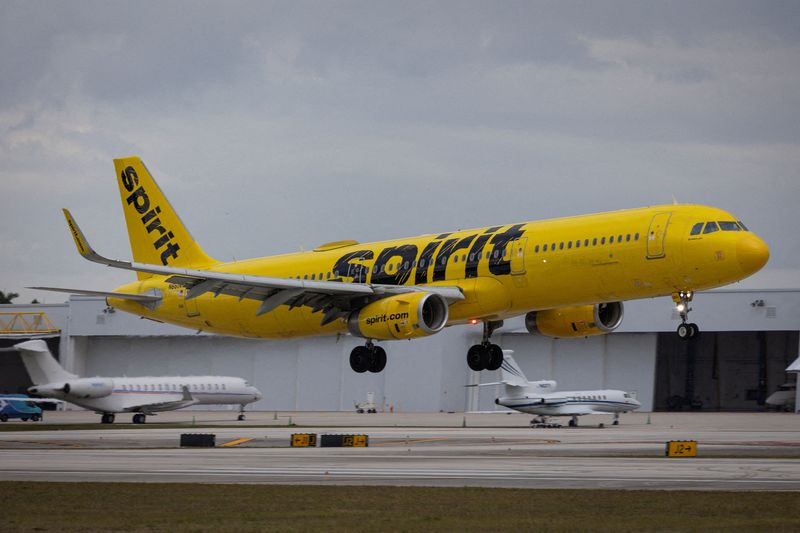
Blade Finalizes Sale of Passenger Division and Announces Name Change to Strata Critical Medical, Commences Trading as SRTA
Company Transition and Divestiture
Divestiture Details: Strata Critical Medical, Inc. has successfully completed the divestiture of its Passenger business to Joby Aviation, Inc. Joby will pay the initial consideration in stock and may provide up to an additional $35 million based on employee retention and financial performance targets over the next 18 and 12 months, respectively. There is also a potential release of up to $10 million in indemnity holdbacks, payable in cash or stock at Joby’s discretion.
Rebranding Announcement: The company has officially rebranded from Blade Air Mobility, Inc. to Strata Critical Medical, now trading under the ticker symbol SRTA. This change reflects a complete focus on organ logistics and medical services.
Strategic Focus and Growth Plans
Market Positioning: Strata aims to leverage its industry-leading organ transplant logistics platform, emphasizing rapid response times and cost efficiency through an asset-light aircraft network. The company is positioned to expand its services in the medical logistics sector.
Growth Strategy: Co-CEO Will Heyburn highlighted a unique 'one-call' logistics solution that allows Strata to procure various services from third parties, creating multiple growth opportunities through organic growth, strategic partnerships, and acquisitions.
Financial Outlook
2025 Revenue Projections: Strata has updated its financial guidance for 2025, projecting revenues between $160 million and $170 million, alongside a double-digit Adjusted EBITDA.
Cost Management: The company anticipates a reduction in adjusted unallocated corporate expenses and software development costs to approximately $3.5 million per quarter by Q4 2025.
Future Engagements
- Investor Day Announcement: Strata plans to hold an investor day in the fall, with further details to be provided in the coming weeks, indicating a commitment to transparency and engagement with stakeholders.
Company Overview
- Core Services: Strata Critical Medical specializes in time-critical logistics solutions and medical services for healthcare providers across the U.S., with its subsidiary, Trinity Medical Solutions, leading in the transportation of human organs for transplant.
Forward-Looking Statements
- Caution on Predictions: The press release includes forward-looking statements that involve risks and uncertainties, emphasizing that actual results may differ significantly from projections due to various factors, including market conditions and operational challenges.
Trade with 70% Backtested Accuracy
Analyst Views on JOBY

About JOBY
About the author


Joby Aviation Q1 Earnings Beat Expectations with Revenue Growth

- Earnings Highlights: Joby Aviation reported a Q1 GAAP EPS of -$0.12, beating expectations by $0.09, indicating an improvement in financial performance despite still being in the red.
- Revenue Growth: The company achieved revenue of $24 million, exceeding market expectations by $3.8 million, suggesting a rising demand in the electric air taxi market that could lay the groundwork for future profitability.
- Stock Price Reaction: Following the earnings release, Joby Aviation's shares rose by 1%, reflecting investor confidence in the company's future growth prospects, although the overall market environment remains uncertain.
- Market Outlook: Despite challenges, Joby Aviation's potential in the eVTOL sector is still viewed positively, with execution being a critical factor in determining the company's success.

Analysis of the Flying Taxi Market Potential

- Massive Market Potential: JP Morgan estimates that the urban air mobility market could reach $1 trillion in the future, although in the short term, the market size is only in the tens of billions, highlighting a significant gap between potential and reality.
- Limited Technological Progress: Joby Aviation and Archer Aviation have made some advancements in certification and early manufacturing, but market adoption remains unproven, with future success dependent on regular customer usage and sustainable pricing strategies.
- Infrastructure Development Lagging: The operation of flying taxis requires a robust infrastructure, including vertiports, charging systems, and air traffic coordination, all of which demand time and capital investment, compounded by regulatory constraints.
- Significant Investment Risks: While the market outlook for flying taxis is enticing, investors must pay attention to timing; if market adoption progresses slowly, it could lead to increased stock price volatility and heightened investment risks.

Uber and Lyft Ride Predictions Ahead of Earnings Reports


- Lyft Prediction Analysis: Traders predict Lyft's total rides in Q1 will exceed 245 million, despite only recording 243.5 million in Q4, which was 10 million below expectations and caused a nearly 17% stock drop, indicating market caution regarding its growth potential.
- Market Expansion Dynamics: Lyft aims to enhance its user base and market share through new strategies like acquiring a global chauffeuring service and launching teen accounts, although its growth rate still faces challenges.
- Uber Earnings Outlook: Data shows Uber is expected to report over 3.6 billion rides in Q1, falling short of the 3.8 billion in Q4 and the StreetAccount consensus of 3.69 billion, reflecting cautious market expectations for its growth.
- Diversification Strategy: Uber is expanding its service offerings to include hotel bookings and shopping, while partnering with Joby Aviation to provide electric air rides, showcasing its strategic transformation in a competitive rideshare market.

Joby Aviation's Air Taxis Show Potential and Risks
- Industry Milestone: Joby Aviation's recent flight demonstration in New York City highlights the potential of its electric vertical take-off and landing (eVTOL) air taxis, marking significant progress in the industry; however, with a valuation nearing $9 billion and no certification yet, the business model carries high risks.
- Competitive Strategy Challenges: CEO JoeBen Bevirt's ambition to compete with ground transportation may compress profit margins, as the capital-intensive nature of Joby's business model could hinder profitability, prompting investors to carefully assess the implications of this strategy.
- Market Potential and Risks: Despite Joby's stock falling over 30% this year, its high valuation reflects market expectations for the future of the eVTOL industry; if successful in achieving widespread operations in the next decade, the stock could soar, but significant losses could lead to adverse outcomes for shareholders.
- Investor Strategy Recommendations: For investors with a high risk tolerance, Joby's stock may be a worthy consideration, while those averse to risk might prefer a wait-and-see approach, monitoring market and technological developments before committing.

Archer Aviation: Prospects in the Electric VTOL Market


- Market Potential: Morgan Stanley analyst Adam Jonas estimates that the urban air mobility market could reach $1 trillion by 2040 and scale up to $9 trillion by 2050, highlighting the revolutionary potential of electric vertical takeoff and landing (eVTOL) aircraft across multiple industries.
- Stock Volatility: Since going public in 2021, Archer's stock has experienced extreme volatility, surging on FAA certification milestones and new airline orders, but crashing due to concerns over manufacturing costs and revenue recognition timelines, reflecting market anxiety about its profitability.
- High Cash Burn: Archer's elevated cash burn rate may necessitate additional capital raises to sustain operations, which, coupled with a broader risk-off sentiment, adds downward pressure on its stock price, prompting investors to carefully assess the associated risks.
- Shift in Investor Sentiment: As market focus shifts towards sustainable growth, investors' expectations for Archer have transitioned from visionary aspirations to demands for quantifiable metrics around cost discipline and manufacturing scale, making its current stock price potentially appealing for long-term investors while remaining cautious of further dilution risks.
Joby Aviation's eVTOL Aircraft Demonstrates Advanced Air Mobility in NYC
- eVTOL Demonstration: Joby Aviation's all-electric vertical takeoff and landing aircraft successfully demonstrated at East 34th Street Heliport in New York City, marking a significant milestone in advanced air mobility and showcasing how electric aircraft can operate safely and efficiently within urban aviation infrastructure.
- Infrastructure Support: The demonstration illustrated that existing aviation infrastructure can support eVTOL operations for takeoff, ground handling, and passenger service, enhancing urban transportation sustainability and convenience while hinting at the potential for future air taxi services.
- Importance of Public-Private Partnerships: The event underscored the critical role of public-private partnerships in achieving the expected benefits of advanced air mobility, including reduced travel times and improved connectivity, thereby promoting economic development in New York City.
- Vision for Future Development: VertiPorts by Atlantic is committed to developing safe and scalable vertiport infrastructure to support advanced air mobility, demonstrating the company's strategic determination to drive the future of urban and regional air transportation.
Joby Aviation Q1 Earnings Beat Expectations with Revenue Growth
- Earnings Highlights: Joby Aviation reported a Q1 GAAP EPS of -$0.12, beating expectations by $0.09, indicating an improvement in financial performance despite still being in the red.
- Revenue Growth: The company achieved revenue of $24 million, exceeding market expectations by $3.8 million, suggesting a rising demand in the electric air taxi market that could lay the groundwork for future profitability.
- Stock Price Reaction: Following the earnings release, Joby Aviation's shares rose by 1%, reflecting investor confidence in the company's future growth prospects, although the overall market environment remains uncertain.
- Market Outlook: Despite challenges, Joby Aviation's potential in the eVTOL sector is still viewed positively, with execution being a critical factor in determining the company's success.
Analysis of the Flying Taxi Market Potential
- Massive Market Potential: JP Morgan estimates that the urban air mobility market could reach $1 trillion in the future, although in the short term, the market size is only in the tens of billions, highlighting a significant gap between potential and reality.
- Limited Technological Progress: Joby Aviation and Archer Aviation have made some advancements in certification and early manufacturing, but market adoption remains unproven, with future success dependent on regular customer usage and sustainable pricing strategies.
- Infrastructure Development Lagging: The operation of flying taxis requires a robust infrastructure, including vertiports, charging systems, and air traffic coordination, all of which demand time and capital investment, compounded by regulatory constraints.
- Significant Investment Risks: While the market outlook for flying taxis is enticing, investors must pay attention to timing; if market adoption progresses slowly, it could lead to increased stock price volatility and heightened investment risks.
Uber and Lyft Ride Predictions Ahead of Earnings Reports
- Lyft Prediction Analysis: Traders predict Lyft's total rides in Q1 will exceed 245 million, despite only recording 243.5 million in Q4, which was 10 million below expectations and caused a nearly 17% stock drop, indicating market caution regarding its growth potential.
- Market Expansion Dynamics: Lyft aims to enhance its user base and market share through new strategies like acquiring a global chauffeuring service and launching teen accounts, although its growth rate still faces challenges.
- Uber Earnings Outlook: Data shows Uber is expected to report over 3.6 billion rides in Q1, falling short of the 3.8 billion in Q4 and the StreetAccount consensus of 3.69 billion, reflecting cautious market expectations for its growth.
- Diversification Strategy: Uber is expanding its service offerings to include hotel bookings and shopping, while partnering with Joby Aviation to provide electric air rides, showcasing its strategic transformation in a competitive rideshare market.
Joby Aviation's Air Taxis Show Potential and Risks
- Industry Milestone: Joby Aviation's recent flight demonstration in New York City highlights the potential of its electric vertical take-off and landing (eVTOL) air taxis, marking significant progress in the industry; however, with a valuation nearing $9 billion and no certification yet, the business model carries high risks.
- Competitive Strategy Challenges: CEO JoeBen Bevirt's ambition to compete with ground transportation may compress profit margins, as the capital-intensive nature of Joby's business model could hinder profitability, prompting investors to carefully assess the implications of this strategy.
- Market Potential and Risks: Despite Joby's stock falling over 30% this year, its high valuation reflects market expectations for the future of the eVTOL industry; if successful in achieving widespread operations in the next decade, the stock could soar, but significant losses could lead to adverse outcomes for shareholders.
- Investor Strategy Recommendations: For investors with a high risk tolerance, Joby's stock may be a worthy consideration, while those averse to risk might prefer a wait-and-see approach, monitoring market and technological developments before committing.
Archer Aviation: Prospects in the Electric VTOL Market
- Market Potential: Morgan Stanley analyst Adam Jonas estimates that the urban air mobility market could reach $1 trillion by 2040 and scale up to $9 trillion by 2050, highlighting the revolutionary potential of electric vertical takeoff and landing (eVTOL) aircraft across multiple industries.
- Stock Volatility: Since going public in 2021, Archer's stock has experienced extreme volatility, surging on FAA certification milestones and new airline orders, but crashing due to concerns over manufacturing costs and revenue recognition timelines, reflecting market anxiety about its profitability.
- High Cash Burn: Archer's elevated cash burn rate may necessitate additional capital raises to sustain operations, which, coupled with a broader risk-off sentiment, adds downward pressure on its stock price, prompting investors to carefully assess the associated risks.
- Shift in Investor Sentiment: As market focus shifts towards sustainable growth, investors' expectations for Archer have transitioned from visionary aspirations to demands for quantifiable metrics around cost discipline and manufacturing scale, making its current stock price potentially appealing for long-term investors while remaining cautious of further dilution risks.
Joby Aviation's eVTOL Aircraft Demonstrates Advanced Air Mobility in NYC
- eVTOL Demonstration: Joby Aviation's all-electric vertical takeoff and landing aircraft successfully demonstrated at East 34th Street Heliport in New York City, marking a significant milestone in advanced air mobility and showcasing how electric aircraft can operate safely and efficiently within urban aviation infrastructure.
- Infrastructure Support: The demonstration illustrated that existing aviation infrastructure can support eVTOL operations for takeoff, ground handling, and passenger service, enhancing urban transportation sustainability and convenience while hinting at the potential for future air taxi services.
- Importance of Public-Private Partnerships: The event underscored the critical role of public-private partnerships in achieving the expected benefits of advanced air mobility, including reduced travel times and improved connectivity, thereby promoting economic development in New York City.
- Vision for Future Development: VertiPorts by Atlantic is committed to developing safe and scalable vertiport infrastructure to support advanced air mobility, demonstrating the company's strategic determination to drive the future of urban and regional air transportation.