BlackRock Launches Ethereum Trust ETF for Income Generation

- New Product Launch: BlackRock has introduced the iShares Staked Ethereum Trust ETF (ETHB), which combines exposure to spot Ethereum with income potential through staking a portion of its holdings, thereby enriching its digital asset product lineup.
- Market Expansion: The launch of ETHB increases BlackRock's digital asset management to approximately $130 billion, encompassing cryptoasset ETPs, tokenized liquidity funds, and stablecoin reserve management, underscoring its leadership in the digital asset space.
- Fee Structure Optimization: ETHB carries a 0.25% management fee, waived to 0.12% for the first 12 months, which not only lowers the investment threshold but may also attract more investors, potentially driving asset growth.
- Strategic Implications: As Ethereum solidifies its position as the world's second-largest digital asset, the introduction of ETHB not only meets investor demand for digital assets but also establishes a foundation for BlackRock's long-term growth in blockchain technology and decentralized applications.
Trade with 70% Backtested Accuracy
Analyst Views on BLK

About BLK
About the author

Vanguard's Brokerage Division Launches Crypto ETFs Despite Poor Performance.

Bogle's Investment Philosophy: John Bogle, the founder of Vanguard, emphasized the importance of low-cost index investing and long-term strategies over active trading.
Market Trends and Predictions: Bogle would likely caution against market speculation and encourage investors to focus on fundamentals and the overall economic environment.
Impact of Fees on Returns: He consistently highlighted how high fees can erode investment returns, advocating for transparency and cost-effectiveness in investment products.
Investor Behavior and Discipline: Bogle believed in the necessity of investor discipline, urging individuals to stay the course during market volatility and avoid emotional decision-making.

Analysis and Outlook: Shaken Confidence


- Market Volatility: Stocks fluctuated throughout the day, alternating between gains and losses.
- Diplomatic Uncertainty: Investors were reacting to conflicting statements from the Trump administration and Iranian officials regarding potential back-channel diplomacy aimed at resolving the ongoing conflict.

US Stocks Decline Amid Ongoing Iran Conflict

- Market Decline: The S&P 500 Index fell by 0.80%, the Dow Jones Industrial Average by 0.83%, and the Nasdaq 100 by 0.98%, reflecting investor concerns over the ongoing Iran conflict, which may dampen market sentiment and affect short-term investment decisions.
- Rising Oil Prices: WTI crude oil prices surged over 4% due to Iran's missile strikes on Israel and US bases, exacerbating global supply chain tensions and potentially raising inflation expectations in the coming months, which could influence the Fed's monetary policy.
- Mixed Economic Data: Q4 nonfarm productivity remained unchanged at 1.8%, but unit labor costs were revised up to 4.4% from 2.8%, exceeding market expectations, indicating rising labor costs that may pressure corporate profits and subsequently impact stock market performance.
- International Tensions: Saudi Arabia and the UAE have taken steps toward joining the Iran war, potentially escalating the conflict, and the high uncertainty surrounding future developments will continue to affect investor confidence and market volatility.

Senate Bill Expands Charitable Donation Options for Retirees' IRAs


- Legislative Background: The newly proposed bipartisan Senate bill allows IRA owners aged 70½ and older to direct Qualified Charitable Distributions (QCDs) to Donor-Advised Funds (DAFs), marking a significant shift in current law aimed at enhancing the flexibility and efficiency of charitable giving.
- Donation Advantages: By utilizing QCDs, donors can exclude up to $111,000 from their taxable income annually, providing substantial tax benefits, particularly appealing to taxpayers opting for the standard deduction, making this method more attractive than cash donations.
- DAF Asset Growth: According to the 2025 DAF annual report, total assets in Donor-Advised Funds reached $326.45 billion in 2024, a 27.5% increase from 2023, indicating strong demand for this flexible giving option, although critics argue it may lead to wealth hoarding.
- Tax Implications: QCDs are considered a superior tax move compared to cash donations as they satisfy Required Minimum Distributions (RMDs) without increasing taxable income, thus avoiding potential tax burdens and rising Medicare premiums for higher earners.
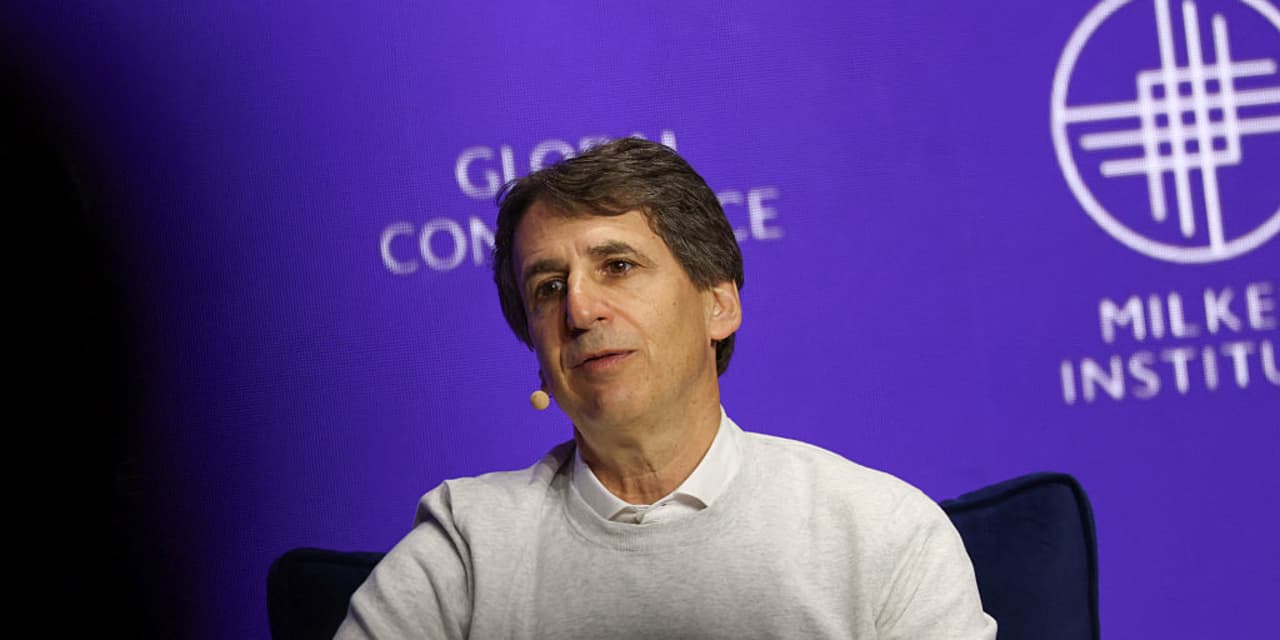
Apollo Limits Withdrawals from Private Credit Fund: The Rush for Exits Explained.

- Private Debt Fund Limitation: The Apollo Debt Solutions fund, valued at $25 billion, has recently imposed restrictions on redemptions for its wealthy investors.
- Market Impact: This move reflects broader trends in the private debt market, where funds are increasingly limiting investor withdrawals amid economic uncertainties.
- Investor Response: Wealthy investors may face challenges in accessing their capital due to these new redemption limits.
- Industry Trends: The decision by Apollo highlights a growing caution among private debt funds in managing liquidity and investor expectations.

BlackRock Declares 60/40 Portfolio Dead, What’s Next?


- Portfolio Strategy Shift: BlackRock's recent investor note declares the traditional 60/40 portfolio obsolete, as stocks and bonds often move in tandem, exposing investors to heightened risks and uncertainties.
- Rising Bond Yields: With 10-year U.S. Treasury yields climbing to 4.28%, bond prices are falling, and BlackRock notes that the demand for risk compensation in long-term bonds has increased due to persistent inflation and high debt levels, further diminishing bonds' safe-haven appeal.
- Attractive Quality Stocks: Despite the failure of the 60/40 model, BlackRock remains bullish on U.S. equities, particularly AI-focused tech stocks like Alphabet, which benefit from ongoing earnings growth and robust financial health, positioning them favorably in the market.
- Emerging Market Debt Investment: BlackRock recommends emerging-market hard-currency debt, especially from commodity-exporting countries like Brazil, viewing this as a diversification opportunity for investors, particularly through its managed iShares J.P. Morgan USD Emerging Markets Bond ETF.
Vanguard's Brokerage Division Launches Crypto ETFs Despite Poor Performance.
Bogle's Investment Philosophy: John Bogle, the founder of Vanguard, emphasized the importance of low-cost index investing and long-term strategies over active trading.
Market Trends and Predictions: Bogle would likely caution against market speculation and encourage investors to focus on fundamentals and the overall economic environment.
Impact of Fees on Returns: He consistently highlighted how high fees can erode investment returns, advocating for transparency and cost-effectiveness in investment products.
Investor Behavior and Discipline: Bogle believed in the necessity of investor discipline, urging individuals to stay the course during market volatility and avoid emotional decision-making.
Analysis and Outlook: Shaken Confidence
- Market Volatility: Stocks fluctuated throughout the day, alternating between gains and losses.
- Diplomatic Uncertainty: Investors were reacting to conflicting statements from the Trump administration and Iranian officials regarding potential back-channel diplomacy aimed at resolving the ongoing conflict.
US Stocks Decline Amid Ongoing Iran Conflict
- Market Decline: The S&P 500 Index fell by 0.80%, the Dow Jones Industrial Average by 0.83%, and the Nasdaq 100 by 0.98%, reflecting investor concerns over the ongoing Iran conflict, which may dampen market sentiment and affect short-term investment decisions.
- Rising Oil Prices: WTI crude oil prices surged over 4% due to Iran's missile strikes on Israel and US bases, exacerbating global supply chain tensions and potentially raising inflation expectations in the coming months, which could influence the Fed's monetary policy.
- Mixed Economic Data: Q4 nonfarm productivity remained unchanged at 1.8%, but unit labor costs were revised up to 4.4% from 2.8%, exceeding market expectations, indicating rising labor costs that may pressure corporate profits and subsequently impact stock market performance.
- International Tensions: Saudi Arabia and the UAE have taken steps toward joining the Iran war, potentially escalating the conflict, and the high uncertainty surrounding future developments will continue to affect investor confidence and market volatility.
Senate Bill Expands Charitable Donation Options for Retirees' IRAs
- Legislative Background: The newly proposed bipartisan Senate bill allows IRA owners aged 70½ and older to direct Qualified Charitable Distributions (QCDs) to Donor-Advised Funds (DAFs), marking a significant shift in current law aimed at enhancing the flexibility and efficiency of charitable giving.
- Donation Advantages: By utilizing QCDs, donors can exclude up to $111,000 from their taxable income annually, providing substantial tax benefits, particularly appealing to taxpayers opting for the standard deduction, making this method more attractive than cash donations.
- DAF Asset Growth: According to the 2025 DAF annual report, total assets in Donor-Advised Funds reached $326.45 billion in 2024, a 27.5% increase from 2023, indicating strong demand for this flexible giving option, although critics argue it may lead to wealth hoarding.
- Tax Implications: QCDs are considered a superior tax move compared to cash donations as they satisfy Required Minimum Distributions (RMDs) without increasing taxable income, thus avoiding potential tax burdens and rising Medicare premiums for higher earners.
Apollo Limits Withdrawals from Private Credit Fund: The Rush for Exits Explained.
- Private Debt Fund Limitation: The Apollo Debt Solutions fund, valued at $25 billion, has recently imposed restrictions on redemptions for its wealthy investors.
- Market Impact: This move reflects broader trends in the private debt market, where funds are increasingly limiting investor withdrawals amid economic uncertainties.
- Investor Response: Wealthy investors may face challenges in accessing their capital due to these new redemption limits.
- Industry Trends: The decision by Apollo highlights a growing caution among private debt funds in managing liquidity and investor expectations.
BlackRock Declares 60/40 Portfolio Dead, What’s Next?
- Portfolio Strategy Shift: BlackRock's recent investor note declares the traditional 60/40 portfolio obsolete, as stocks and bonds often move in tandem, exposing investors to heightened risks and uncertainties.
- Rising Bond Yields: With 10-year U.S. Treasury yields climbing to 4.28%, bond prices are falling, and BlackRock notes that the demand for risk compensation in long-term bonds has increased due to persistent inflation and high debt levels, further diminishing bonds' safe-haven appeal.
- Attractive Quality Stocks: Despite the failure of the 60/40 model, BlackRock remains bullish on U.S. equities, particularly AI-focused tech stocks like Alphabet, which benefit from ongoing earnings growth and robust financial health, positioning them favorably in the market.
- Emerging Market Debt Investment: BlackRock recommends emerging-market hard-currency debt, especially from commodity-exporting countries like Brazil, viewing this as a diversification opportunity for investors, particularly through its managed iShares J.P. Morgan USD Emerging Markets Bond ETF.