Bipartisan Support Grows for Right-to-Repair Movement in the U.S.
Written by Emily J. Thompson, Senior Investment Analyst
Updated: 1 hour ago
0mins

Should l Buy DE?
Source: CNBC
- Legislative Progress: Since the passage of right-to-repair legislation in New York in 2022, states like California and Colorado have enacted similar laws, with 57 right-to-repair bills tracked across 22 states, indicating strong consumer demand and political backing for repair rights.
- Economic Impact: New York's right-to-repair law has led to an increase in independent repair shops, with families saving an average of $400 annually, and the cost of screen repairs dropping from $250 to more affordable levels, enhancing consumer economic power and choice.
- Bipartisan Collaboration: The REPAIR Act, co-sponsored by Senators Luján and Hawley, mandates automakers to provide access to repair data, aiming to dismantle manufacturers' monopolies on repair markets and reflecting a broad consensus on the importance of repair rights.
- Industry Response Divergence: While some tech companies like Apple have softened their stance, Deere faces criticism over its repair options, with the FTC filing a lawsuit against it, highlighting the controversies and implications of the right-to-repair movement within the industry.
Trade with 70% Backtested Accuracy
Stop guessing "Should I Buy DE?" and start using high-conviction signals backed by rigorous historical data.
Sign up today to access powerful investing tools and make smarter, data-driven decisions.
Analyst Views on DE
Wall Street analysts forecast DE stock price to fall
15 Analyst Rating
8 Buy
7 Hold
0 Sell
Moderate Buy
Current: 591.950

Low
458.00
Averages
514.25
High
560.00
Current: 591.950
Low
458.00
Averages
514.25
High
560.00
About DE
Deere & Company is engaged in the delivery of agricultural, construction and forestry equipment. Its segments include production and precision agriculture (PPA), small agriculture and turf (SAT), construction and forestry (CF), and financial services (FS). PPA segment defines, develops and delivers global equipment and technology solutions for production-scale growers of large grains, small grains, cotton and sugarcane. SAT segment defines, develops and delivers global equipment and technology solutions for dairy and livestock producers, high-value and small acreage crop producers, and turf and utility customers. CF segment defines, develops and delivers a range of machines and technology solutions organized along the earthmoving, forestry and roadbuilding production systems. FS segment finances sales and leases by John Deere dealers of new and used production and precision agriculture equipment and others. Its products include John Deere Autonomous 8R Tractor and E-Power Backhoe.
About the author

Emily J. Thompson
Emily J. Thompson, a Chartered Financial Analyst (CFA) with 12 years in investment research, graduated with honors from the Wharton School. Specializing in industrial and technology stocks, she provides in-depth analysis for Intellectia’s earnings and market brief reports.
Bipartisan Support Grows for Right-to-Repair Movement in the U.S.


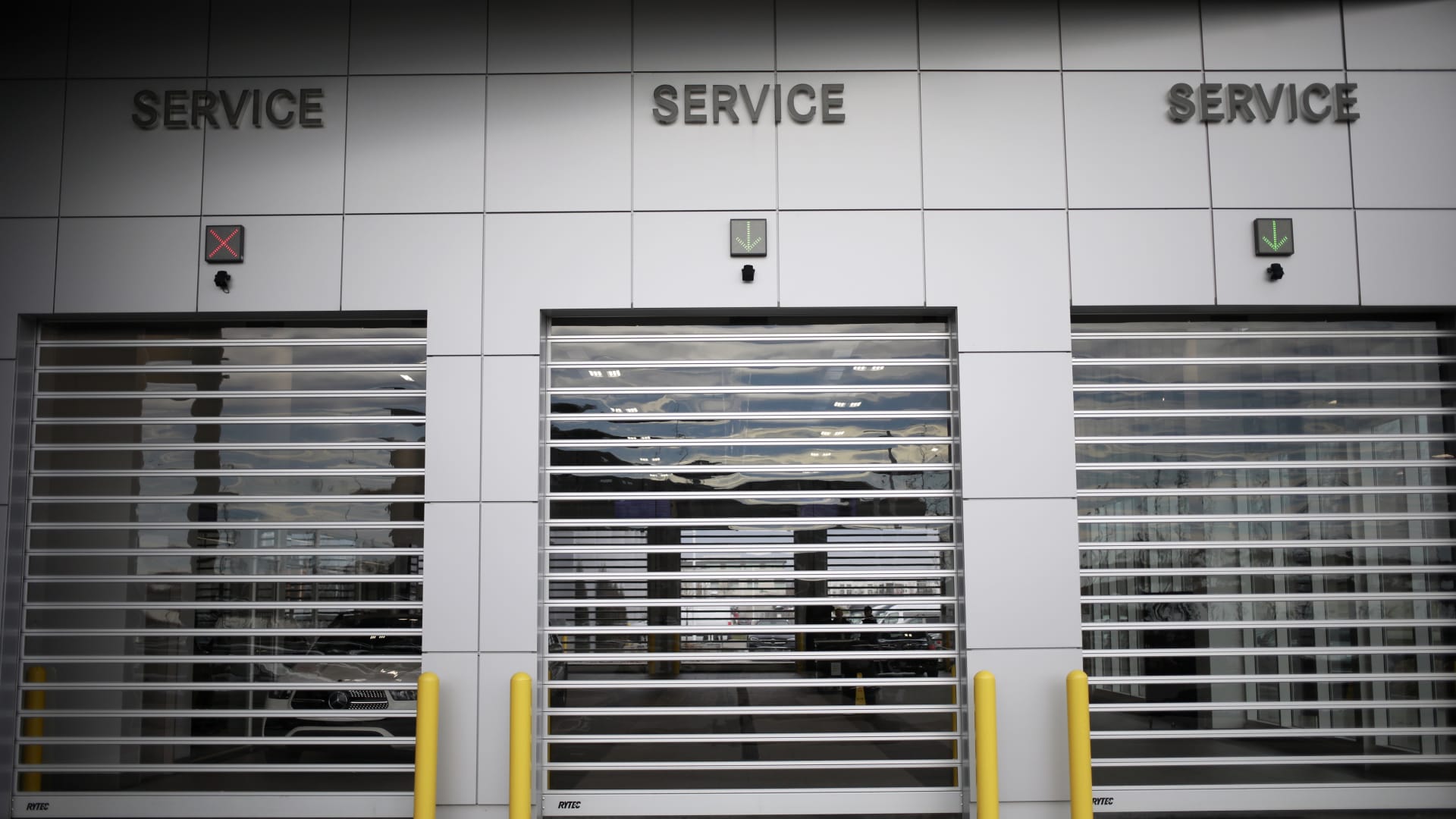
- Legislative Progress: Since the passage of right-to-repair legislation in New York in 2022, states like California and Colorado have enacted similar laws, with 57 right-to-repair bills tracked across 22 states, indicating strong consumer demand and political backing for repair rights.
- Economic Impact: New York's right-to-repair law has led to an increase in independent repair shops, with families saving an average of $400 annually, and the cost of screen repairs dropping from $250 to more affordable levels, enhancing consumer economic power and choice.
- Bipartisan Collaboration: The REPAIR Act, co-sponsored by Senators Luján and Hawley, mandates automakers to provide access to repair data, aiming to dismantle manufacturers' monopolies on repair markets and reflecting a broad consensus on the importance of repair rights.
- Industry Response Divergence: While some tech companies like Apple have softened their stance, Deere faces criticism over its repair options, with the FTC filing a lawsuit against it, highlighting the controversies and implications of the right-to-repair movement within the industry.
See More

Multiple U.S. States Pass Right-to-Repair Laws
- Right-to-Repair Legislation: States like California, Colorado, Minnesota, and New York have enacted comprehensive right-to-repair laws covering consumer electronics and agricultural equipment, which are expected to lower repair costs for consumers and enhance market competitiveness.
- Industry Backlash: John Deere settled a $99 million lawsuit with farmers over right-to-repair issues, highlighting corporate compromises under legal pressure while sparking widespread controversy over its repair policies.
- Bipartisan Support: The right-to-repair movement has garnered bipartisan backing, with federal senators jointly introducing the REPAIR Act aimed at ensuring consumers and independent repair shops have secure access to vehicle repair data, thereby enhancing consumer choice.
- Consumer Savings: New York's right-to-repair law is projected to save families approximately $400 annually on repair costs, with an expected 15% increase in independent repair shops, further promoting sustainable economic growth.
See More

Industrial Stocks Lead Market Growth Amid Electrification Push


- Strong Industry Performance: Industrial stocks are performing robustly in the U.S. market, benefiting from the push for electrification and infrastructure development, showcasing the adaptability of century-old companies and further solidifying their market positions.
- PACCAR's Financial Stability: PACCAR has achieved a cash flow and dividend growth rate of 7-11% over the past decade and has reported 87 consecutive years of profitability, with a target of $3.5 billion in incremental parts sales by 2030, indicating strong market expansion potential.
- Westinghouse Air Brake Technologies Growth: Westinghouse is guiding for adjusted EPS of $10.05-$10.45 in 2026, reflecting a year-over-year growth of approximately 14%, and ended 2025 with a record $27.4 billion in orders, indicating strong demand in the rail equipment market.
- John Deere's Market Challenges: After raising profit expectations, John Deere's stock has fallen from $650 to $595, reflecting market caution regarding its future performance, with investors needing to monitor the support level at the 200-day moving average.
See More
U.S. Farmers Face Repair Strain Despite Deere Settlement
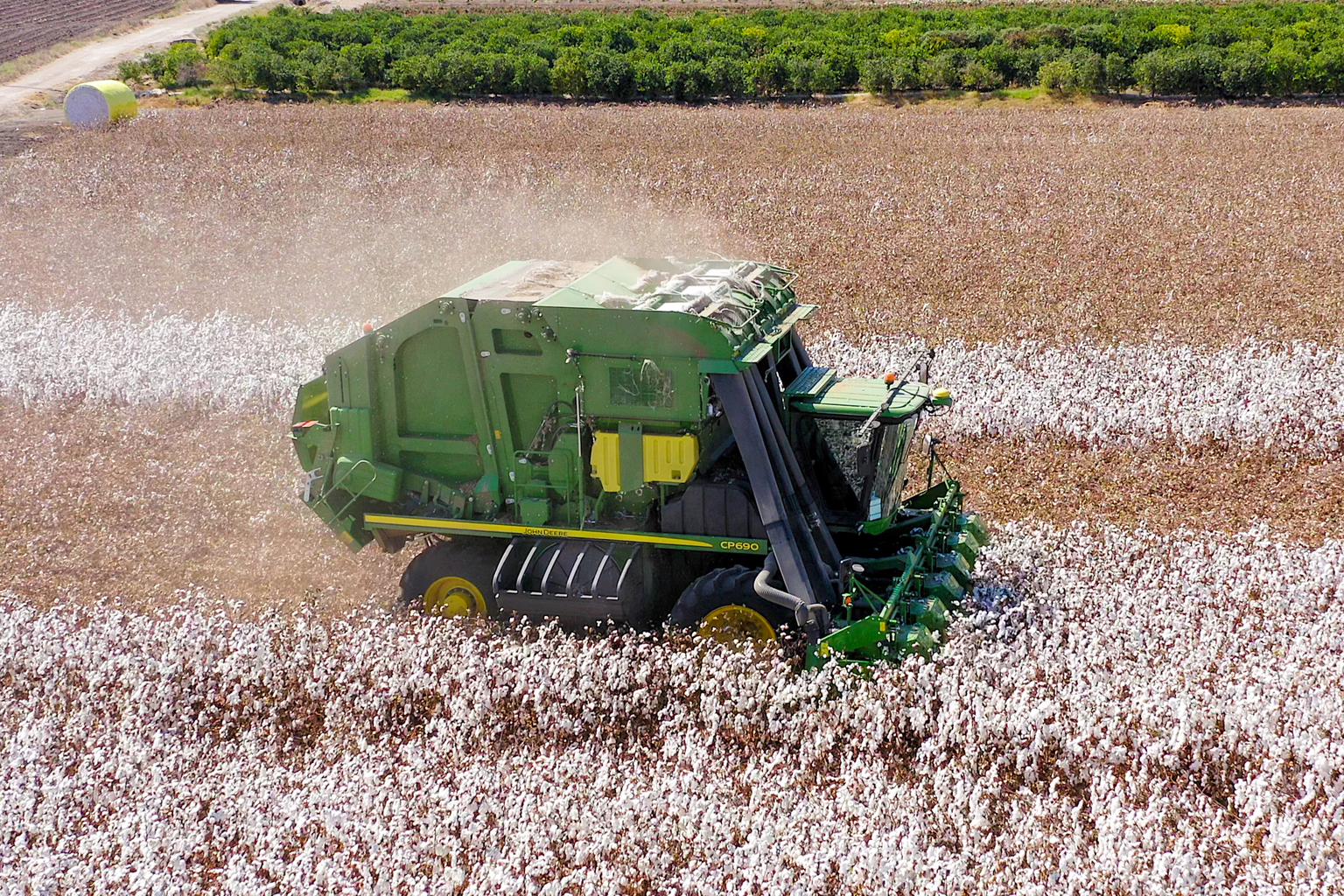
- Rising Repair Costs: U.S. farmers report that despite Deere's $99 million settlement, ongoing increases in repair bills and limited access to independent service options continue to impose significant financial strain, highlighting the challenges farmers face in equipment maintenance.
- Software Access Restrictions: Deere has been accused of monopolizing repairs by restricting access to software tools necessary for modern tractors and combines, leading to estimated excess repair charges of $190 million to $387 million, reflecting a lack of competition in the industry.
- Farmers' Skepticism: Although Deere has promised to expand software access, the National Farmers Union expresses skepticism, suggesting that these changes may not adequately address the high dealer repair costs farmers face, indicating a lack of trust in the company's commitments.
- Ongoing Legal Challenges: The Federal Trade Commission has sued Deere, alleging illegal monopoly over repair services, with Deere stating it will contest the case, indicating the company's ongoing legal and competitive challenges in the market.
See More
Caterpillar Stock Shows Strong Performance
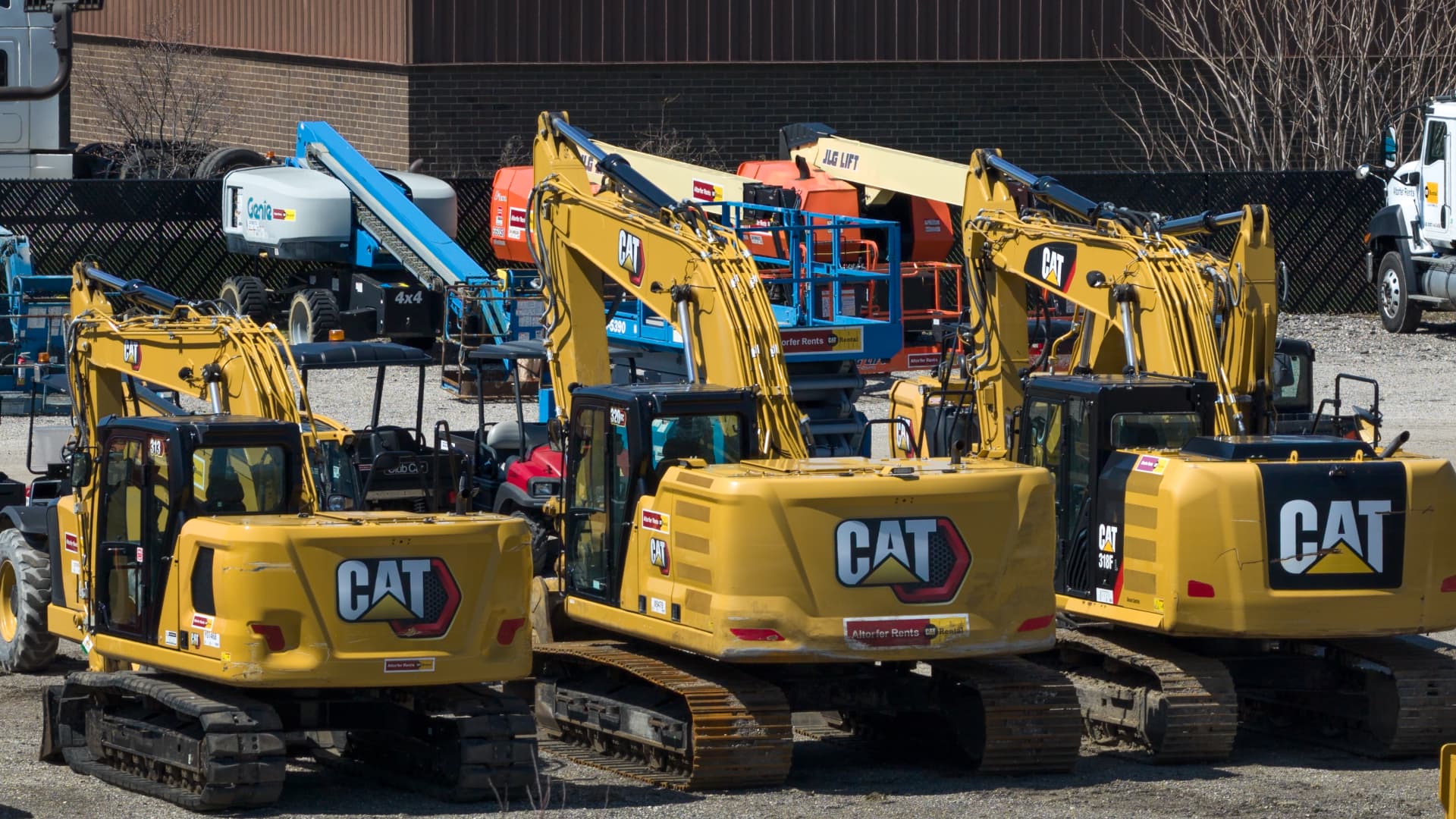
- Breakout Growth: Caterpillar (CAT) has surged 120% since breaking out of a multi-year consolidation last July, showcasing its strong performance in the AI bull market and becoming a focal point for investors.
- Industry Leadership: Within the machinery sector, Caterpillar leads with a 33% annual return, significantly outperforming the S&P 500's 2%, highlighting its competitive edge and robust market demand in the heavy industrial space.
- Power & Energy Growth: Caterpillar's Power & Energy segment achieved $32.2 billion in sales for 2025, up 12%, with the power generation sub-segment surging 32% to $10.3 billion, primarily driven by data center demand, indicating strong future growth potential.
- Risk Management Strategy: Although Caterpillar's stock is currently well above its 200-day moving average at around $770, investors should wait for the next consolidation period to find a more attractive entry point, avoiding chasing the stock at elevated levels.
See More
U.S. Stocks Edge Up as PepsiCo and TSMC Shine


- PepsiCo's Quarter Performance: PepsiCo achieved its first volume growth in North American food business in two years, with CEO Ramon Laguarta addressing the industry's threat from GLP-1 weight-loss drugs, leading to a 1% rise in shares, demonstrating the company's resilience and adaptability in a competitive consumer goods market.
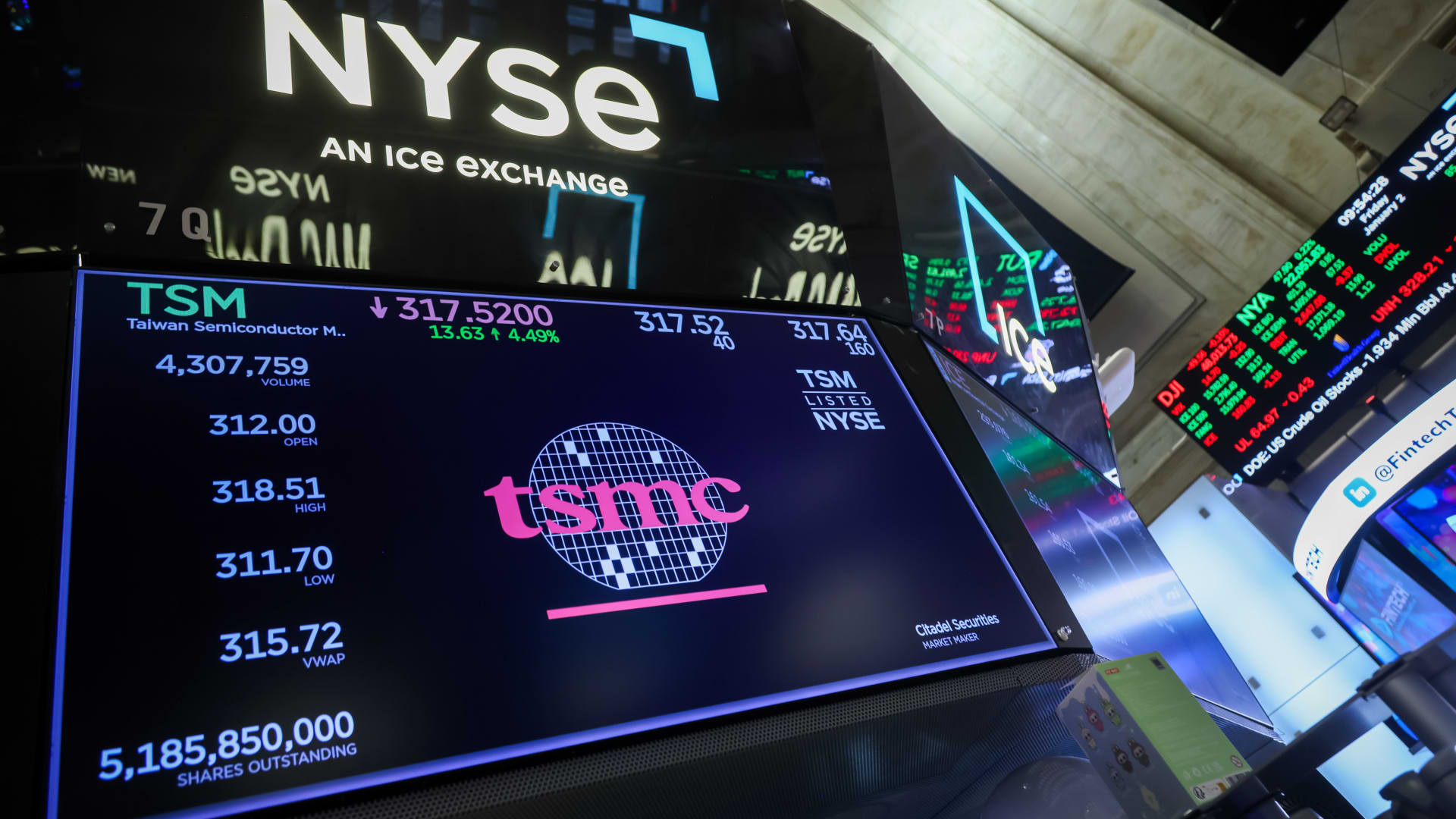
- TSMC Profit Surge: TSMC reported a 58% year-over-year profit increase, despite facing challenges with shortages of industrial gases; management noted a 'little bit softer' memory pricing, indicating ongoing demand and competitive pressures in advanced chip manufacturing that could impact future profitability.
- J.B. Hunt Transport Services: J.B. Hunt indicated the start of a new cycle with positive demand signals, reporting a first-quarter earnings beat and a 1% premarket share increase, reflecting potential growth opportunities in the transportation sector.
- Analyst Rating Changes: JPMorgan downgraded Corning to hold and cut its price target from $175 to $115, citing the need for greater earnings visibility to support stock upside, indicating a cautious market outlook on the company's future performance.
See More
Bipartisan Support Grows for Right-to-Repair Movement in the U.S.
- Legislative Progress: Since the passage of right-to-repair legislation in New York in 2022, states like California and Colorado have enacted similar laws, with 57 right-to-repair bills tracked across 22 states, indicating strong consumer demand and political backing for repair rights.
- Economic Impact: New York's right-to-repair law has led to an increase in independent repair shops, with families saving an average of $400 annually, and the cost of screen repairs dropping from $250 to more affordable levels, enhancing consumer economic power and choice.
- Bipartisan Collaboration: The REPAIR Act, co-sponsored by Senators Luján and Hawley, mandates automakers to provide access to repair data, aiming to dismantle manufacturers' monopolies on repair markets and reflecting a broad consensus on the importance of repair rights.
- Industry Response Divergence: While some tech companies like Apple have softened their stance, Deere faces criticism over its repair options, with the FTC filing a lawsuit against it, highlighting the controversies and implications of the right-to-repair movement within the industry.
See More
Multiple U.S. States Pass Right-to-Repair Laws
- Right-to-Repair Legislation: States like California, Colorado, Minnesota, and New York have enacted comprehensive right-to-repair laws covering consumer electronics and agricultural equipment, which are expected to lower repair costs for consumers and enhance market competitiveness.
- Industry Backlash: John Deere settled a $99 million lawsuit with farmers over right-to-repair issues, highlighting corporate compromises under legal pressure while sparking widespread controversy over its repair policies.
- Bipartisan Support: The right-to-repair movement has garnered bipartisan backing, with federal senators jointly introducing the REPAIR Act aimed at ensuring consumers and independent repair shops have secure access to vehicle repair data, thereby enhancing consumer choice.
- Consumer Savings: New York's right-to-repair law is projected to save families approximately $400 annually on repair costs, with an expected 15% increase in independent repair shops, further promoting sustainable economic growth.
See More
Industrial Stocks Lead Market Growth Amid Electrification Push
- Strong Industry Performance: Industrial stocks are performing robustly in the U.S. market, benefiting from the push for electrification and infrastructure development, showcasing the adaptability of century-old companies and further solidifying their market positions.
- PACCAR's Financial Stability: PACCAR has achieved a cash flow and dividend growth rate of 7-11% over the past decade and has reported 87 consecutive years of profitability, with a target of $3.5 billion in incremental parts sales by 2030, indicating strong market expansion potential.
- Westinghouse Air Brake Technologies Growth: Westinghouse is guiding for adjusted EPS of $10.05-$10.45 in 2026, reflecting a year-over-year growth of approximately 14%, and ended 2025 with a record $27.4 billion in orders, indicating strong demand in the rail equipment market.
- John Deere's Market Challenges: After raising profit expectations, John Deere's stock has fallen from $650 to $595, reflecting market caution regarding its future performance, with investors needing to monitor the support level at the 200-day moving average.
See More
U.S. Farmers Face Repair Strain Despite Deere Settlement
- Rising Repair Costs: U.S. farmers report that despite Deere's $99 million settlement, ongoing increases in repair bills and limited access to independent service options continue to impose significant financial strain, highlighting the challenges farmers face in equipment maintenance.
- Software Access Restrictions: Deere has been accused of monopolizing repairs by restricting access to software tools necessary for modern tractors and combines, leading to estimated excess repair charges of $190 million to $387 million, reflecting a lack of competition in the industry.
- Farmers' Skepticism: Although Deere has promised to expand software access, the National Farmers Union expresses skepticism, suggesting that these changes may not adequately address the high dealer repair costs farmers face, indicating a lack of trust in the company's commitments.
- Ongoing Legal Challenges: The Federal Trade Commission has sued Deere, alleging illegal monopoly over repair services, with Deere stating it will contest the case, indicating the company's ongoing legal and competitive challenges in the market.
See More
Caterpillar Stock Shows Strong Performance
- Breakout Growth: Caterpillar (CAT) has surged 120% since breaking out of a multi-year consolidation last July, showcasing its strong performance in the AI bull market and becoming a focal point for investors.
- Industry Leadership: Within the machinery sector, Caterpillar leads with a 33% annual return, significantly outperforming the S&P 500's 2%, highlighting its competitive edge and robust market demand in the heavy industrial space.
- Power & Energy Growth: Caterpillar's Power & Energy segment achieved $32.2 billion in sales for 2025, up 12%, with the power generation sub-segment surging 32% to $10.3 billion, primarily driven by data center demand, indicating strong future growth potential.
- Risk Management Strategy: Although Caterpillar's stock is currently well above its 200-day moving average at around $770, investors should wait for the next consolidation period to find a more attractive entry point, avoiding chasing the stock at elevated levels.
See More
U.S. Stocks Edge Up as PepsiCo and TSMC Shine
- PepsiCo's Quarter Performance: PepsiCo achieved its first volume growth in North American food business in two years, with CEO Ramon Laguarta addressing the industry's threat from GLP-1 weight-loss drugs, leading to a 1% rise in shares, demonstrating the company's resilience and adaptability in a competitive consumer goods market.
- TSMC Profit Surge: TSMC reported a 58% year-over-year profit increase, despite facing challenges with shortages of industrial gases; management noted a 'little bit softer' memory pricing, indicating ongoing demand and competitive pressures in advanced chip manufacturing that could impact future profitability.
- J.B. Hunt Transport Services: J.B. Hunt indicated the start of a new cycle with positive demand signals, reporting a first-quarter earnings beat and a 1% premarket share increase, reflecting potential growth opportunities in the transportation sector.
- Analyst Rating Changes: JPMorgan downgraded Corning to hold and cut its price target from $175 to $115, citing the need for greater earnings visibility to support stock upside, indicating a cautious market outlook on the company's future performance.
See More