Bezos Discusses the Truth Behind Wealthy Tax Strategies
Written by Emily J. Thompson, Senior Investment Analyst
Updated: 5 days ago
0mins

Source: CNBC
- Tax Strategy Controversy: Bezos stated in an interview that the wealthy's strategy of borrowing against assets to lower tax burdens, termed 'buy, borrow, die', is largely a 'myth', reflecting skepticism towards current tax systems.
- Tax Transparency: He emphasized that he pays taxes on Amazon stock sales, indicating he does not rely on tax avoidance strategies, which may influence public perception of wealthy tax behaviors.
- Support for Tax Reform: Bezos expressed support for tax reforms targeting this strategy, although he remains skeptical about whether it constitutes a true loophole, showcasing his nuanced understanding of tax policy.
- Socioeconomic Issues: He cautioned that closing this loophole would not address fundamental issues like government spending and income inequality, highlighting the need for comprehensive solutions to assist lower-income groups.
Trade with 70% Backtested Accuracy
Stop guessing "Should I Buy AMZN?" and start using high-conviction signals backed by rigorous historical data.
Sign up today to access powerful investing tools and make smarter, data-driven decisions.
Analyst Views on AMZN
Wall Street analysts forecast AMZN stock price to rise
44 Analyst Rating
41 Buy
3 Hold
0 Sell
Strong Buy
Current: 268.460

Low
175.00
Averages
280.01
High
325.00
Current: 268.460
Low
175.00
Averages
280.01
High
325.00
About AMZN
Amazon.com, Inc. provides a range of products and services to customers. The products offered through its stores include merchandise and content it has purchased for resale and products offered by third-party sellers. The Company’s segments include North America, International and Amazon Web Services (AWS). It serves consumers through its online and physical stores and focuses on selection, price, and convenience. Customers access its offerings through its websites, mobile apps, Alexa, devices, streaming, and physically visiting its stores. It also manufactures and sells electronic devices, including Kindle, Fire tablet, Fire TV, Echo, Ring, Blink, and eero, and develops and produces media content. It serves developers and enterprises of all sizes, including start-ups, government agencies, and academic institutions, through AWS, which offers a set of on-demand technology services, including compute, storage, database, analytics, and machine learning, and other services.
About the author

Emily J. Thompson
Emily J. Thompson, a Chartered Financial Analyst (CFA) with 12 years in investment research, graduated with honors from the Wharton School. Specializing in industrial and technology stocks, she provides in-depth analysis for Intellectia’s earnings and market brief reports.

Altman: AI Will Not Lead to Job Apocalypse

- Employment Impact Assessment: OpenAI CEO Sam Altman stated at the CBA conference in Australia that despite his initial concerns about AI's significant impact on global employment, the actual situation has not been as severe as he anticipated, indicating a gap between technological advancements and social-economic implications.
- Industry Layoff Trends: Although Altman did not provide specific job numbers, he noted that an increasing number of companies, including HSBC, Amazon, and CBA, are replacing some positions with AI, reflecting ongoing concerns within the industry regarding AI advancements and their potential impact on the job market.
- Irreplaceable Human Role: Altman emphasized that even as AI takes on more active roles in various industries, there remains a 'human part' of employment that cannot be replaced, highlighting the importance of interpersonal interactions in jobs and potentially affecting companies' reliance on AI.
- IPO Plans: OpenAI is preparing to confidentially file for a U.S. initial public offering in the coming weeks, with a potential valuation of $1 trillion and plans to raise at least $60 billion, a move that could have profound implications for the company's future growth and market positioning.
See More

Amazon's Infrastructure Role in Quantum Computing
- Quantum Computing Potential: Quantum computing could solve problems in minutes that would take conventional computers 1,000 years, highlighting its vast market potential and attracting investor interest in this emerging field.
- Amazon's Infrastructure Investment: By launching the Amazon Braket platform, Amazon allows researchers and developers to build and test quantum computing algorithms, positioning itself as a provider of essential infrastructure and reducing investment risks.
- Ocelot Chip Development: Amazon is developing the Ocelot quantum chip, which is expected to cost only one-fifth of current methods, and this innovation could accelerate the timeline for practical quantum computers by up to five years, enhancing its competitive edge.
- Optimistic Market Outlook: According to McKinsey, the quantum computing industry is projected to generate $4.4 billion in revenue by 2028 and could create $2.7 trillion in global economic value by 2035, underscoring Amazon's strategic significance in this sector.
See More
Dow Jones Index Celebrates 130th Anniversary with Key Stock Insights


- Dow Component Changes: Since its establishment in 1896, the Dow Jones Index has seen significant changes in its components, with recent additions like Nvidia and Amazon reflecting economic evolution, shifting investor perception from traditional low-growth stocks to a modern blend of growth and value stocks.
- Nvidia's Dividend Surge: On May 20, Nvidia raised its quarterly dividend from $0.01 to $1 per share, a staggering 2400% increase, which, despite a current yield of only 0.5%, attracts investors seeking passive income and indicates a shift towards a more stable earnings model amid surging AI demand.
- Visa's Strong Financial Performance: Despite economic uncertainties, Visa achieved a 9% increase in payment volume in its latest quarter, with valuations at 30 times free cash flow and 29 times earnings, showcasing the resilience of its business model and providing a compelling buying opportunity for investors despite stock price declines.
- Procter & Gamble's Rising Dividend Yield: Procter & Gamble raised its dividend for the 70th consecutive year in April, with a current yield of 3%, and despite challenges in volume growth, its strong brand portfolio positions it as an ideal choice for risk-averse investors, trading at a P/E of just 21, below its 10-year average of 25.4.
See More

Nvidia Makes Significant Dividend Increase
- Dividend Surge: Nvidia raised its quarterly dividend from $0.01 to $1 per share on May 20, marking a staggering 2,400% increase, which, despite a low yield of 0.5%, makes it more attractive for investors seeking passive income.
- Market Share Expansion: Nvidia has broadened its market share in data centers by delivering new rack-scale solutions, including multi-chip systems to Anthropic, OpenAI, Oracle, and SpaceX on May 18, indicating strong growth potential amid surging AI demand.
- Visa Investment Opportunity: Despite a 6.2% decline in Visa's stock year-to-date, its reasonable valuation at 30 times free cash flow and 29 times earnings presents an excellent buying opportunity, with double-digit revenue and earnings growth reflecting its robust business model.
- Procter & Gamble Stability: Procter & Gamble raised its dividend for the 70th consecutive year in April, and despite sluggish volume growth leading to a mere 4.7% stock price increase over five years, its 21 times earnings valuation remains attractive for risk-averse investors.
See More

Musk's Business Empire Set for Consolidation

- Business Consolidation Expected: Elon Musk is anticipated to consolidate his various businesses into a single entity, having already merged SpaceX with xAI, which acquired social media company X, indicating a strategic push that could enhance overall operational efficiency.
- Amazon's Valuation Challenge: With a current market cap of $2.85 trillion, Amazon is projected to surpass $3 trillion next year, thereby exceeding the combined valuations of SpaceX and Tesla, reflecting its robust growth potential in retail and cloud computing.
- Accelerating Cloud Growth: Amazon's cloud computing division, AWS, has seen revenue growth accelerate over the past three quarters, primarily driven by increased capital expenditure, which is expected to continue propelling revenue growth and solidifying its market leadership.
- Tesla Faces Competitive Pressure: Tesla's valuation is heavily reliant on its robotaxi business, yet it faces significant competition from rivals like Waymo, which may impact its market performance and valuation stability in the future.
See More

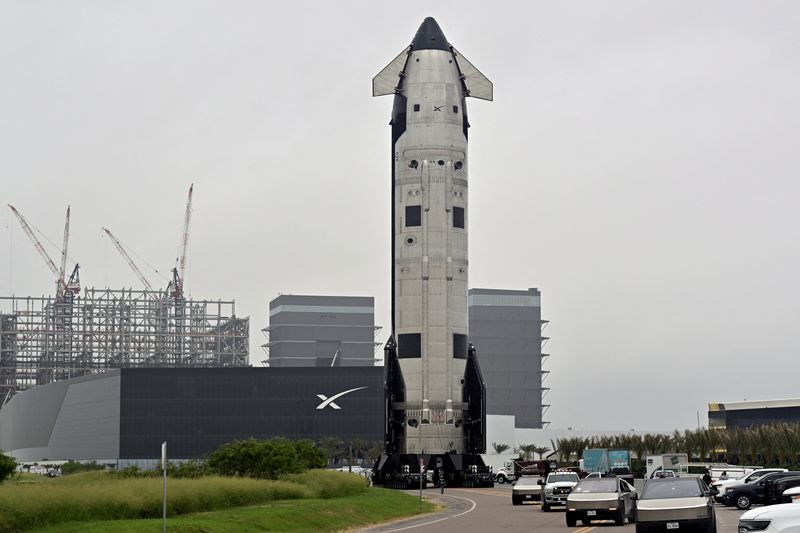
SpaceX Plans IPO with $1.75 Trillion Valuation
- IPO Valuation: SpaceX is set to go public with a valuation of $1.75 trillion, positioning it as one of the most valuable companies globally and further solidifying Elon Musk's leadership in the aerospace and technology sectors.
- Tesla Market Performance: Tesla's market cap stands at approximately $1.6 trillion, and despite facing fierce competition, its potential in the electric vehicle and robotaxi markets continues to attract investors, indicating strong growth expectations.
- Amazon's Competitiveness: Amazon, currently valued at $2.85 trillion, must exceed $3 trillion to surpass the combined valuation of SpaceX and Tesla; however, its robust growth in retail and cloud computing, coupled with high margins, positions it well for this challenge.
- Future Outlook: While the valuations of SpaceX and Tesla are based on anticipated future earnings, the market's optimism regarding their potential market shares may influence their stock performance in the coming years, especially as competition intensifies in technology and innovation sectors.
See More
Altman: AI Will Not Lead to Job Apocalypse
- Employment Impact Assessment: OpenAI CEO Sam Altman stated at the CBA conference in Australia that despite his initial concerns about AI's significant impact on global employment, the actual situation has not been as severe as he anticipated, indicating a gap between technological advancements and social-economic implications.
- Industry Layoff Trends: Although Altman did not provide specific job numbers, he noted that an increasing number of companies, including HSBC, Amazon, and CBA, are replacing some positions with AI, reflecting ongoing concerns within the industry regarding AI advancements and their potential impact on the job market.
- Irreplaceable Human Role: Altman emphasized that even as AI takes on more active roles in various industries, there remains a 'human part' of employment that cannot be replaced, highlighting the importance of interpersonal interactions in jobs and potentially affecting companies' reliance on AI.
- IPO Plans: OpenAI is preparing to confidentially file for a U.S. initial public offering in the coming weeks, with a potential valuation of $1 trillion and plans to raise at least $60 billion, a move that could have profound implications for the company's future growth and market positioning.
See More
Amazon's Infrastructure Role in Quantum Computing
- Quantum Computing Potential: Quantum computing could solve problems in minutes that would take conventional computers 1,000 years, highlighting its vast market potential and attracting investor interest in this emerging field.
- Amazon's Infrastructure Investment: By launching the Amazon Braket platform, Amazon allows researchers and developers to build and test quantum computing algorithms, positioning itself as a provider of essential infrastructure and reducing investment risks.
- Ocelot Chip Development: Amazon is developing the Ocelot quantum chip, which is expected to cost only one-fifth of current methods, and this innovation could accelerate the timeline for practical quantum computers by up to five years, enhancing its competitive edge.
- Optimistic Market Outlook: According to McKinsey, the quantum computing industry is projected to generate $4.4 billion in revenue by 2028 and could create $2.7 trillion in global economic value by 2035, underscoring Amazon's strategic significance in this sector.
See More
Dow Jones Index Celebrates 130th Anniversary with Key Stock Insights
- Dow Component Changes: Since its establishment in 1896, the Dow Jones Index has seen significant changes in its components, with recent additions like Nvidia and Amazon reflecting economic evolution, shifting investor perception from traditional low-growth stocks to a modern blend of growth and value stocks.
- Nvidia's Dividend Surge: On May 20, Nvidia raised its quarterly dividend from $0.01 to $1 per share, a staggering 2400% increase, which, despite a current yield of only 0.5%, attracts investors seeking passive income and indicates a shift towards a more stable earnings model amid surging AI demand.
- Visa's Strong Financial Performance: Despite economic uncertainties, Visa achieved a 9% increase in payment volume in its latest quarter, with valuations at 30 times free cash flow and 29 times earnings, showcasing the resilience of its business model and providing a compelling buying opportunity for investors despite stock price declines.
- Procter & Gamble's Rising Dividend Yield: Procter & Gamble raised its dividend for the 70th consecutive year in April, with a current yield of 3%, and despite challenges in volume growth, its strong brand portfolio positions it as an ideal choice for risk-averse investors, trading at a P/E of just 21, below its 10-year average of 25.4.
See More
Nvidia Makes Significant Dividend Increase
- Dividend Surge: Nvidia raised its quarterly dividend from $0.01 to $1 per share on May 20, marking a staggering 2,400% increase, which, despite a low yield of 0.5%, makes it more attractive for investors seeking passive income.
- Market Share Expansion: Nvidia has broadened its market share in data centers by delivering new rack-scale solutions, including multi-chip systems to Anthropic, OpenAI, Oracle, and SpaceX on May 18, indicating strong growth potential amid surging AI demand.
- Visa Investment Opportunity: Despite a 6.2% decline in Visa's stock year-to-date, its reasonable valuation at 30 times free cash flow and 29 times earnings presents an excellent buying opportunity, with double-digit revenue and earnings growth reflecting its robust business model.
- Procter & Gamble Stability: Procter & Gamble raised its dividend for the 70th consecutive year in April, and despite sluggish volume growth leading to a mere 4.7% stock price increase over five years, its 21 times earnings valuation remains attractive for risk-averse investors.
See More
Musk's Business Empire Set for Consolidation
- Business Consolidation Expected: Elon Musk is anticipated to consolidate his various businesses into a single entity, having already merged SpaceX with xAI, which acquired social media company X, indicating a strategic push that could enhance overall operational efficiency.
- Amazon's Valuation Challenge: With a current market cap of $2.85 trillion, Amazon is projected to surpass $3 trillion next year, thereby exceeding the combined valuations of SpaceX and Tesla, reflecting its robust growth potential in retail and cloud computing.
- Accelerating Cloud Growth: Amazon's cloud computing division, AWS, has seen revenue growth accelerate over the past three quarters, primarily driven by increased capital expenditure, which is expected to continue propelling revenue growth and solidifying its market leadership.
- Tesla Faces Competitive Pressure: Tesla's valuation is heavily reliant on its robotaxi business, yet it faces significant competition from rivals like Waymo, which may impact its market performance and valuation stability in the future.
See More
SpaceX Plans IPO with $1.75 Trillion Valuation
- IPO Valuation: SpaceX is set to go public with a valuation of $1.75 trillion, positioning it as one of the most valuable companies globally and further solidifying Elon Musk's leadership in the aerospace and technology sectors.
- Tesla Market Performance: Tesla's market cap stands at approximately $1.6 trillion, and despite facing fierce competition, its potential in the electric vehicle and robotaxi markets continues to attract investors, indicating strong growth expectations.
- Amazon's Competitiveness: Amazon, currently valued at $2.85 trillion, must exceed $3 trillion to surpass the combined valuation of SpaceX and Tesla; however, its robust growth in retail and cloud computing, coupled with high margins, positions it well for this challenge.
- Future Outlook: While the valuations of SpaceX and Tesla are based on anticipated future earnings, the market's optimism regarding their potential market shares may influence their stock performance in the coming years, especially as competition intensifies in technology and innovation sectors.
See More