Barrière Launches Vitamin Patches to Disrupt Supplement Market
Written by Emily J. Thompson, Senior Investment Analyst
Updated: May 06 2026
0mins


Source: CNBC
- Market Growth Potential: Barrière projects to double its revenue to $10 million by 2026, with a current valuation of $19 million, indicating strong performance in the rapidly growing supplement market.
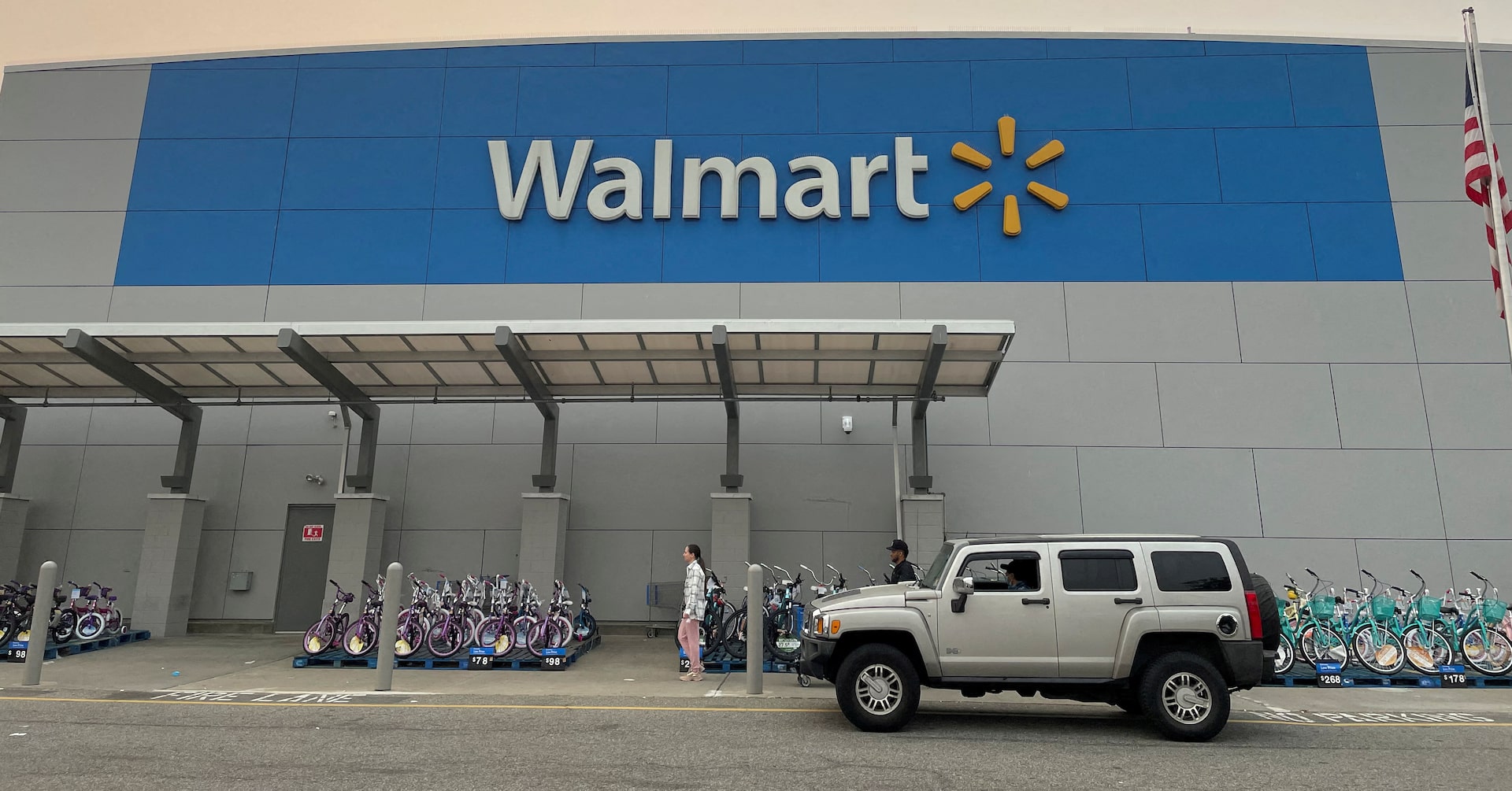
- Retail Expansion Plans: The company is set to launch its motion sickness patch and the first-ever lactose intolerance patch in 1,700 Walmart stores, which is expected to enhance brand visibility and market coverage.
- Product Innovation Advantage: Barrière's vitamin patches utilize ultrasmall vitamin particles that deliver ingredients directly into the bloodstream for up to 12 hours, aiming to address absorption and efficacy issues associated with traditional oral supplements.
- Target Customer Demographics: While younger generations are a key market, Barrière's target demographic spans ages 25 to 65, demonstrating broad appeal across different age groups and further driving sales growth.
Trade with 70% Backtested Accuracy
Stop guessing "Should I Buy WMT?" and start using high-conviction signals backed by rigorous historical data.
Sign up today to access powerful investing tools and make smarter, data-driven decisions.
Analyst Views on WMT
Wall Street analysts forecast WMT stock price to rise
26 Analyst Rating
25 Buy
1 Hold
0 Sell
Strong Buy
Current: 118.900

Low
119.00
Averages
125.75
High
136.00
Current: 118.900
Low
119.00
Averages
125.75
High
136.00
About WMT
Walmart Inc. is a technology-powered omnichannel retailer. The Company is engaged in the operation of retail and wholesale stores and clubs, as well as eCommerce Websites and mobile applications, located throughout the United States (U.S.), Africa, Canada, Central America, Chile, China, India and Mexico. It operates in three reportable segments: Walmart U.S., Walmart International and Sam's Club U.S. The Walmart U.S. segment includes the Company's mass merchandising concept in the U.S., as well as eCommerce, which includes omni-channel initiatives and certain other business offerings such as advertising services. The Walmart International segment consists of the Company's operations outside of the U.S. through its subsidiaries, as well as eCommerce and omni-channel initiatives. The Sam's Club U.S. segment includes the warehouse membership clubs in the U.S., as well as samsclub.com and omni-channel initiatives.
About the author

Emily J. Thompson
Emily J. Thompson, a Chartered Financial Analyst (CFA) with 12 years in investment research, graduated with honors from the Wharton School. Specializing in industrial and technology stocks, she provides in-depth analysis for Intellectia’s earnings and market brief reports.
Asda Supermarket Reports Continued Sales Decline

- Sales Decline Eases: Asda reported a 0.8% year-on-year decline in like-for-like sales for Q1, or a 1.3% drop adjusted for Easter timing, which is an improvement from the 4.2% decline in Q4 2025, indicating a slowing pace of sales decline despite ongoing market share pressures.
- Total Revenue Decline: The supermarket's total revenue for the first quarter was £5.0 billion ($6.7 billion), down 1.5% year-on-year, reflecting the challenges in achieving revenue growth amid fierce competition, which impacts profitability and market positioning.
- Tech Partnership for Online Revamp: Asda has partnered with technology firm Ocado to overhaul its online business, aiming to counter market share losses to Tesco, Sainsbury's, and discount retailers, demonstrating the company's strategic commitment to digital transformation.
- Debt Burden Affects Operations: Analysts highlight that the debt incurred during the £6.8 billion acquisition in 2021 has pressured Asda's operations, although the company claims all debt maturities are managed through 2028, raising concerns about its financial health.
See More
U.S. Stocks Over $10B Market Cap Valuation Rankings

- Valuation Overview: Among U.S. stocks with market capitalizations exceeding $10 billion, Alphabet (GOOG), Apple (AAPL), and Microsoft (MSFT) are identified as the most expensive, indicating their high valuation relative to peers.
- Valuation Scoring Mechanism: The valuation grade is based on a combination of metrics such as P/E, PEG, price to sales, and price to cash flow, utilizing both current and forward estimates to provide a comprehensive assessment of stock value.
- Industry Comparison: The overall valuation grade reflects a comparison of all underlying metrics, demonstrating the attractiveness of these stocks within their sectors, although high valuations may impact investor purchasing decisions.
- Market Impact: Given these companies' elevated valuations, investors may adopt a cautious stance regarding their future growth potential, particularly amid increasing economic uncertainty, which could lead to capital outflows and stock price volatility.
See More
Costco Reports Better-Than-Expected Q3 Earnings Amid Rising Fuel Prices
- Significant Revenue Growth: Costco reported revenue of $70.52 billion for the fiscal third quarter ending May 10, reflecting an 11.5% year-over-year increase that surpassed analysts' expectations of $69.81 billion, indicating strong performance amid economic uncertainty.
- Strong Membership Growth: Paid memberships grew by 4.1% in the quarter, generating $1.37 billion in membership fees, up 10.7% from last year, which not only provides a stable income source but also enhances customer loyalty, likely driving future sales growth.
- Record Fuel Sales: With fuel prices rising to an average of $4.42 per gallon, Costco's gas station volumes hit record highs, as CEO Ron Vachris noted that many members used the gas stations for the first time, which is expected to further boost customer loyalty and overall spending.
- Declining Gross Margin: Despite revenue growth, Costco's gross margin fell from 11.25% last year to 11.04% this quarter, primarily due to rising costs of fresh food and transportation, highlighting the pressure on profitability while maintaining a low-price strategy.
See More

Costco Reports Better-Than-Expected Q3 Earnings Amid Rising Fuel Prices
- Strong Performance: Costco reported revenue of $70.52 billion for the fiscal third quarter ending May 10, reflecting an 11.5% year-over-year increase that surpassed analysts' expectations of $69.81 billion, demonstrating the company's resilience amid economic uncertainty.
- Record Fuel Sales: Rising fuel prices led to record-breaking gas volumes at Costco's stations, with CEO Ron Vachris noting that many members used the gas stations for the first time, which is expected to enhance customer loyalty and drive future spending growth.
- Membership Revenue Growth: Membership fees increased by 10.7% to $1.37 billion, with paid memberships growing by 4.1% in the quarter, providing a stable income source and encouraging repeat purchases from customers who are incentivized to utilize their memberships.
- Digital Transformation Success: Costco's digital operations thrived, with website and app traffic up 37% year-over-year, and personalized e-commerce recommendation tools achieving conversion rates three times higher than site averages, resulting in nearly $5 billion in e-commerce sales, showcasing the effectiveness of the company's digital strategy.
See More
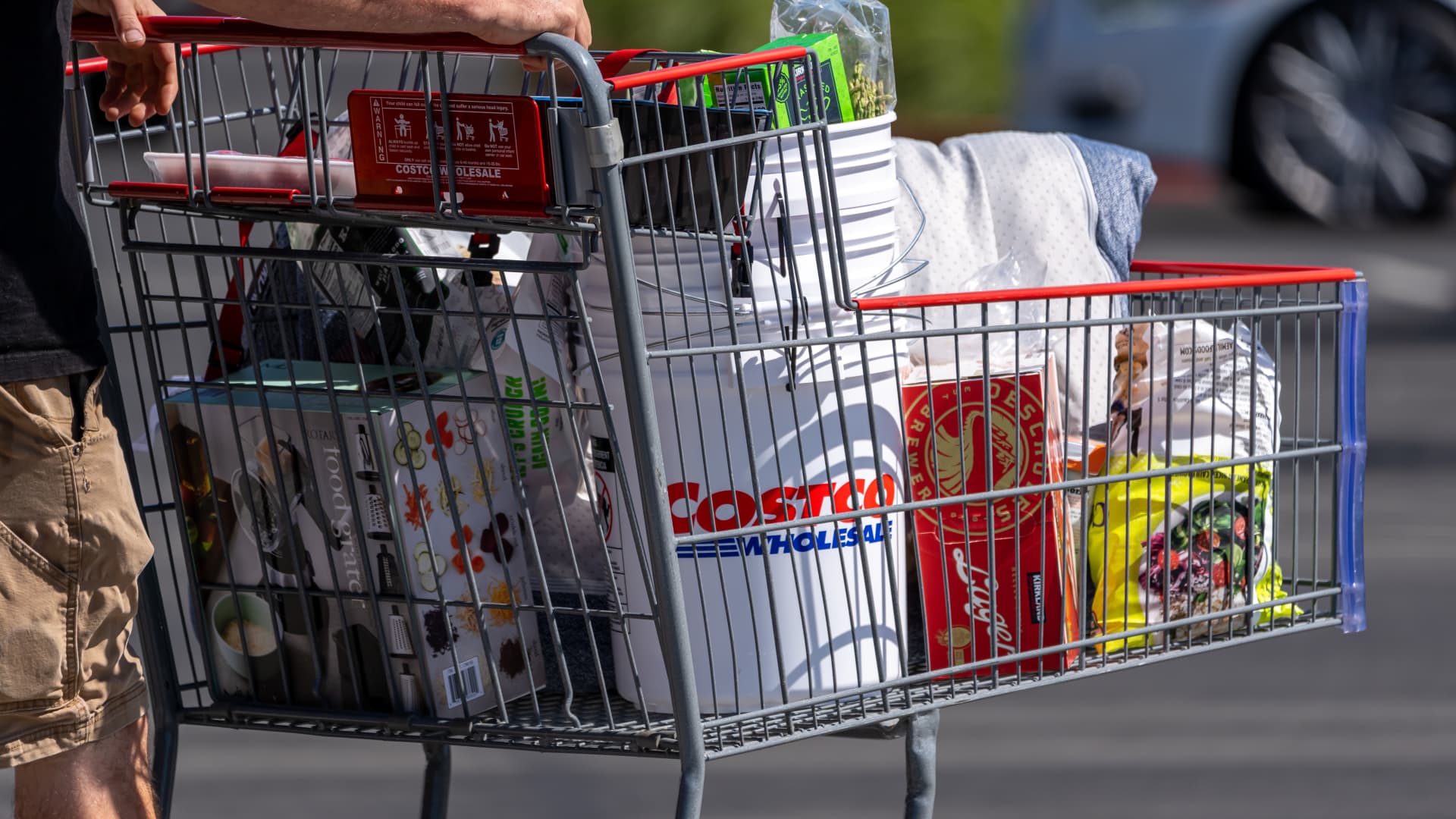
Costco Reports Strong Q3 Results Exceeding Expectations


- Significant Revenue Growth: Costco's total revenue for Q3 of fiscal 2026 increased by 11.6% year-over-year to $70.53 billion, surpassing Wall Street's expectations of $69.81 billion, demonstrating the company's robust performance in a high-inflation environment and further solidifying its market position.
- Steady Membership Income: Membership fee income grew by 10.7% to $1.37 billion, slightly exceeding FactSet's estimate of $1.36 billion, reflecting effective strategies in attracting and retaining members, which strengthens the revenue base for the future.
- Accelerated Sales Growth: Comparable sales rose by 9.8% in Q3, a significant acceleration from 7.4% in the previous quarter, driven by a 2.4% increase in traffic and a 7.3% rise in ticket size, indicating growing consumer recognition of Costco's value proposition.
- Warehouse Expansion Plans: Costco opened four new warehouses this quarter and plans to open 12 more in the final quarter of fiscal 2026; although the total planned openings of 26 this year are down from 28 previously targeted, the company aims to increase openings to over 30 annually in the future, demonstrating its commitment to expansion.
See More
Walmart Launches 30-Minute Delivery Service Across 33 US Markets
- Fast Delivery Service: Walmart has launched a 30-minute delivery service across 33 US markets, allowing customers to choose from over 100,000 items, including fresh groceries and prescriptions, aimed at enhancing customer shopping experience and competing with Amazon.
- Diverse Delivery Options: In addition to the 30-minute service, Walmart offers express delivery within one hour and on-demand delivery within three hours, catering to varying customer needs, thereby increasing customer loyalty and market share.
- Market Expansion Plans: Walmart plans to expand its fast delivery service to more cities, leveraging its extensive store network and proximity to customers, further solidifying its position in the rapid delivery market segment.
- Market Reaction: Although Walmart's stock rose by 0.30% on Thursday, it fell by 0.17% in after-hours trading, indicating a cautious market response to its new service and reflecting investor concerns over intensifying competition in the retail sector.
See More
Asda Supermarket Reports Continued Sales Decline
- Sales Decline Eases: Asda reported a 0.8% year-on-year decline in like-for-like sales for Q1, or a 1.3% drop adjusted for Easter timing, which is an improvement from the 4.2% decline in Q4 2025, indicating a slowing pace of sales decline despite ongoing market share pressures.
- Total Revenue Decline: The supermarket's total revenue for the first quarter was £5.0 billion ($6.7 billion), down 1.5% year-on-year, reflecting the challenges in achieving revenue growth amid fierce competition, which impacts profitability and market positioning.
- Tech Partnership for Online Revamp: Asda has partnered with technology firm Ocado to overhaul its online business, aiming to counter market share losses to Tesco, Sainsbury's, and discount retailers, demonstrating the company's strategic commitment to digital transformation.
- Debt Burden Affects Operations: Analysts highlight that the debt incurred during the £6.8 billion acquisition in 2021 has pressured Asda's operations, although the company claims all debt maturities are managed through 2028, raising concerns about its financial health.
See More
U.S. Stocks Over $10B Market Cap Valuation Rankings
- Valuation Overview: Among U.S. stocks with market capitalizations exceeding $10 billion, Alphabet (GOOG), Apple (AAPL), and Microsoft (MSFT) are identified as the most expensive, indicating their high valuation relative to peers.
- Valuation Scoring Mechanism: The valuation grade is based on a combination of metrics such as P/E, PEG, price to sales, and price to cash flow, utilizing both current and forward estimates to provide a comprehensive assessment of stock value.
- Industry Comparison: The overall valuation grade reflects a comparison of all underlying metrics, demonstrating the attractiveness of these stocks within their sectors, although high valuations may impact investor purchasing decisions.
- Market Impact: Given these companies' elevated valuations, investors may adopt a cautious stance regarding their future growth potential, particularly amid increasing economic uncertainty, which could lead to capital outflows and stock price volatility.
See More
Costco Reports Better-Than-Expected Q3 Earnings Amid Rising Fuel Prices
- Significant Revenue Growth: Costco reported revenue of $70.52 billion for the fiscal third quarter ending May 10, reflecting an 11.5% year-over-year increase that surpassed analysts' expectations of $69.81 billion, indicating strong performance amid economic uncertainty.
- Strong Membership Growth: Paid memberships grew by 4.1% in the quarter, generating $1.37 billion in membership fees, up 10.7% from last year, which not only provides a stable income source but also enhances customer loyalty, likely driving future sales growth.
- Record Fuel Sales: With fuel prices rising to an average of $4.42 per gallon, Costco's gas station volumes hit record highs, as CEO Ron Vachris noted that many members used the gas stations for the first time, which is expected to further boost customer loyalty and overall spending.
- Declining Gross Margin: Despite revenue growth, Costco's gross margin fell from 11.25% last year to 11.04% this quarter, primarily due to rising costs of fresh food and transportation, highlighting the pressure on profitability while maintaining a low-price strategy.
See More
Costco Reports Better-Than-Expected Q3 Earnings Amid Rising Fuel Prices
- Strong Performance: Costco reported revenue of $70.52 billion for the fiscal third quarter ending May 10, reflecting an 11.5% year-over-year increase that surpassed analysts' expectations of $69.81 billion, demonstrating the company's resilience amid economic uncertainty.
- Record Fuel Sales: Rising fuel prices led to record-breaking gas volumes at Costco's stations, with CEO Ron Vachris noting that many members used the gas stations for the first time, which is expected to enhance customer loyalty and drive future spending growth.
- Membership Revenue Growth: Membership fees increased by 10.7% to $1.37 billion, with paid memberships growing by 4.1% in the quarter, providing a stable income source and encouraging repeat purchases from customers who are incentivized to utilize their memberships.
- Digital Transformation Success: Costco's digital operations thrived, with website and app traffic up 37% year-over-year, and personalized e-commerce recommendation tools achieving conversion rates three times higher than site averages, resulting in nearly $5 billion in e-commerce sales, showcasing the effectiveness of the company's digital strategy.
See More
Costco Reports Strong Q3 Results Exceeding Expectations
- Significant Revenue Growth: Costco's total revenue for Q3 of fiscal 2026 increased by 11.6% year-over-year to $70.53 billion, surpassing Wall Street's expectations of $69.81 billion, demonstrating the company's robust performance in a high-inflation environment and further solidifying its market position.
- Steady Membership Income: Membership fee income grew by 10.7% to $1.37 billion, slightly exceeding FactSet's estimate of $1.36 billion, reflecting effective strategies in attracting and retaining members, which strengthens the revenue base for the future.
- Accelerated Sales Growth: Comparable sales rose by 9.8% in Q3, a significant acceleration from 7.4% in the previous quarter, driven by a 2.4% increase in traffic and a 7.3% rise in ticket size, indicating growing consumer recognition of Costco's value proposition.
- Warehouse Expansion Plans: Costco opened four new warehouses this quarter and plans to open 12 more in the final quarter of fiscal 2026; although the total planned openings of 26 this year are down from 28 previously targeted, the company aims to increase openings to over 30 annually in the future, demonstrating its commitment to expansion.
See More
Walmart Launches 30-Minute Delivery Service Across 33 US Markets
- Fast Delivery Service: Walmart has launched a 30-minute delivery service across 33 US markets, allowing customers to choose from over 100,000 items, including fresh groceries and prescriptions, aimed at enhancing customer shopping experience and competing with Amazon.
- Diverse Delivery Options: In addition to the 30-minute service, Walmart offers express delivery within one hour and on-demand delivery within three hours, catering to varying customer needs, thereby increasing customer loyalty and market share.
- Market Expansion Plans: Walmart plans to expand its fast delivery service to more cities, leveraging its extensive store network and proximity to customers, further solidifying its position in the rapid delivery market segment.
- Market Reaction: Although Walmart's stock rose by 0.30% on Thursday, it fell by 0.17% in after-hours trading, indicating a cautious market response to its new service and reflecting investor concerns over intensifying competition in the retail sector.
See More