Baker Hughes Reports Q3 Earnings and Revenues Exceed Expectations, Show Year-over-Year Growth

Baker Hughes Q3 2025 Earnings: Baker Hughes reported adjusted earnings of 68 cents per share, surpassing estimates, with total revenues of $7,010 million, also exceeding expectations and showing growth from the previous year.
Segment Performance: The Industrial & Energy Technology segment saw a 15% revenue increase to $3,374 million, while the Oilfield Services and Equipment segment experienced an 8% decline in revenue to $3,636 million, impacted by lower volume and inflation.
Financial Overview: Total costs and expenses rose to $6,189 million, and the company generated a free cash flow of $699 million, with a long-term debt of $5,988 million and a debt-to-capitalization ratio of 24.8%.
Market Position and Competitors: Baker Hughes holds a Zacks Rank #3 (Hold), while competitors like Cheniere Energy and Bloom Energy have stronger rankings, indicating a competitive landscape in the energy sector.
Trade with 70% Backtested Accuracy
Analyst Views on LNG

About LNG
About the author

Qatar's LNG Exports Halt for Five Days Amid Geopolitical Tensions


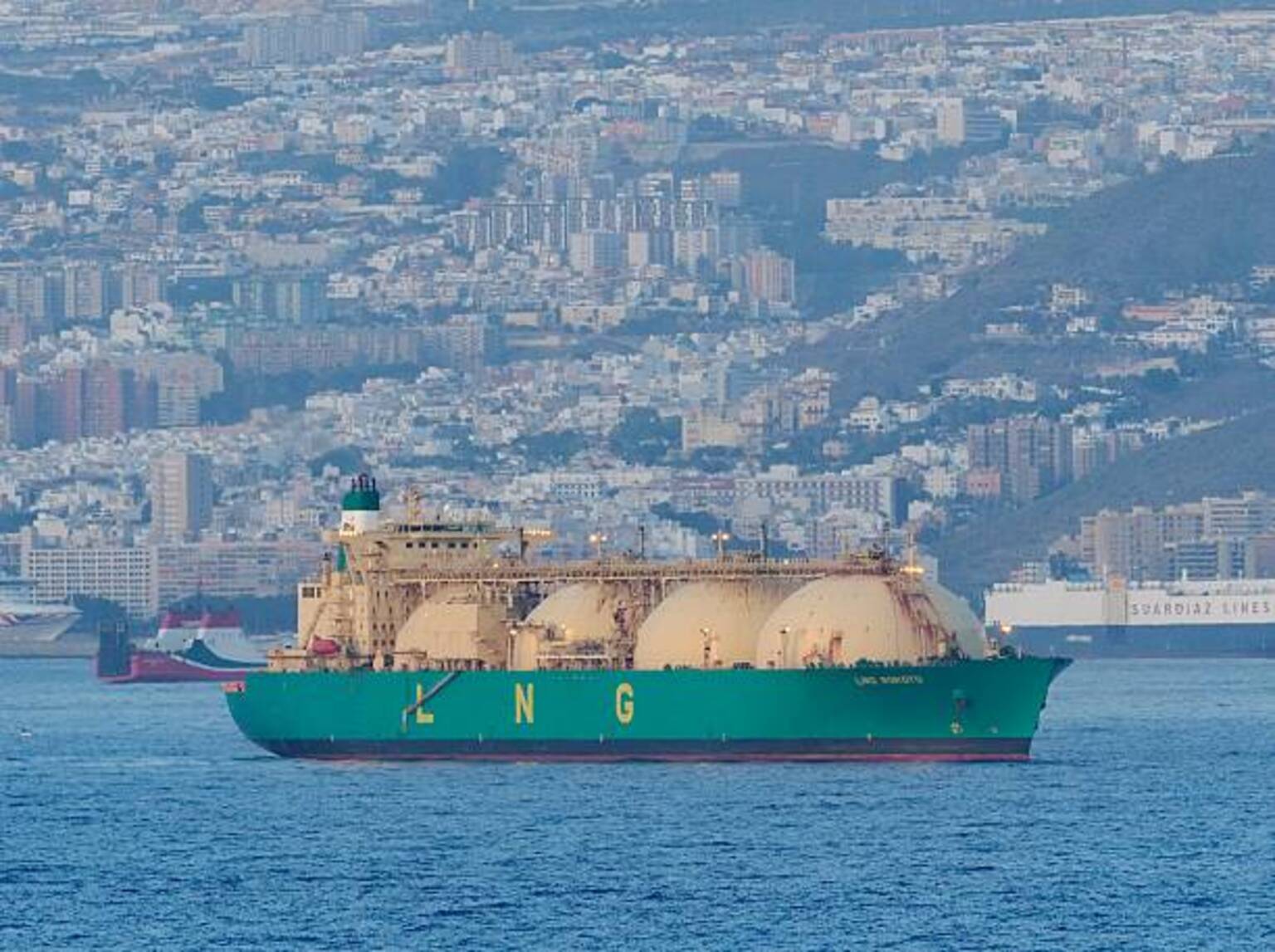
- LNG Export Halt: For the first time since 2008, Qatar has not exported LNG for five consecutive days due to shutdowns at the Ras Laffan LNG complex following Iranian strikes, which could significantly impact global energy supply chains.
- Focus on U.S. LNG Producers: Amid current geopolitical turmoil, Cheniere Energy (LNG) has emerged as a must-have energy stock for investors, while second-ranked Venture Global (VG) is highlighted for its ability to sell up to 4 billion cubic feet per day from its Plaquemines plant, showcasing its competitive edge in the market.
- Market Reaction: Dutch front-month gas futures rose by 6.1%, trading above €50 per megawatt, reflecting market concerns over LNG supply disruptions, which may lead to further volatility in energy prices.
- Force Majeure Declarations: Companies such as Shell (SHEL) and TotalEnergies (TTE) have declared force majeure to their customers, indicating the far-reaching implications of Qatar's LNG supply disruptions on global energy markets, potentially complicating customer relationships and contract fulfillments.
EU Sticks to Plan to Reject Russian Energy Supplies
- Energy Supply Crisis: The EU faces an energy crisis due to supply constraints from the Iran war, with Russian energy imports dropping to approximately 13% for LNG and pipeline gas and below 3% for oil in 2025, indicating a significant reduction in reliance on Russian energy.
- Strategic Decision: European Commission President Ursula von der Leyen emphasized that abandoning the long-term strategy to reject Russian energy would be a strategic blunder, as the EU prepares alternative measures to lower energy prices, including state aid and price caps.
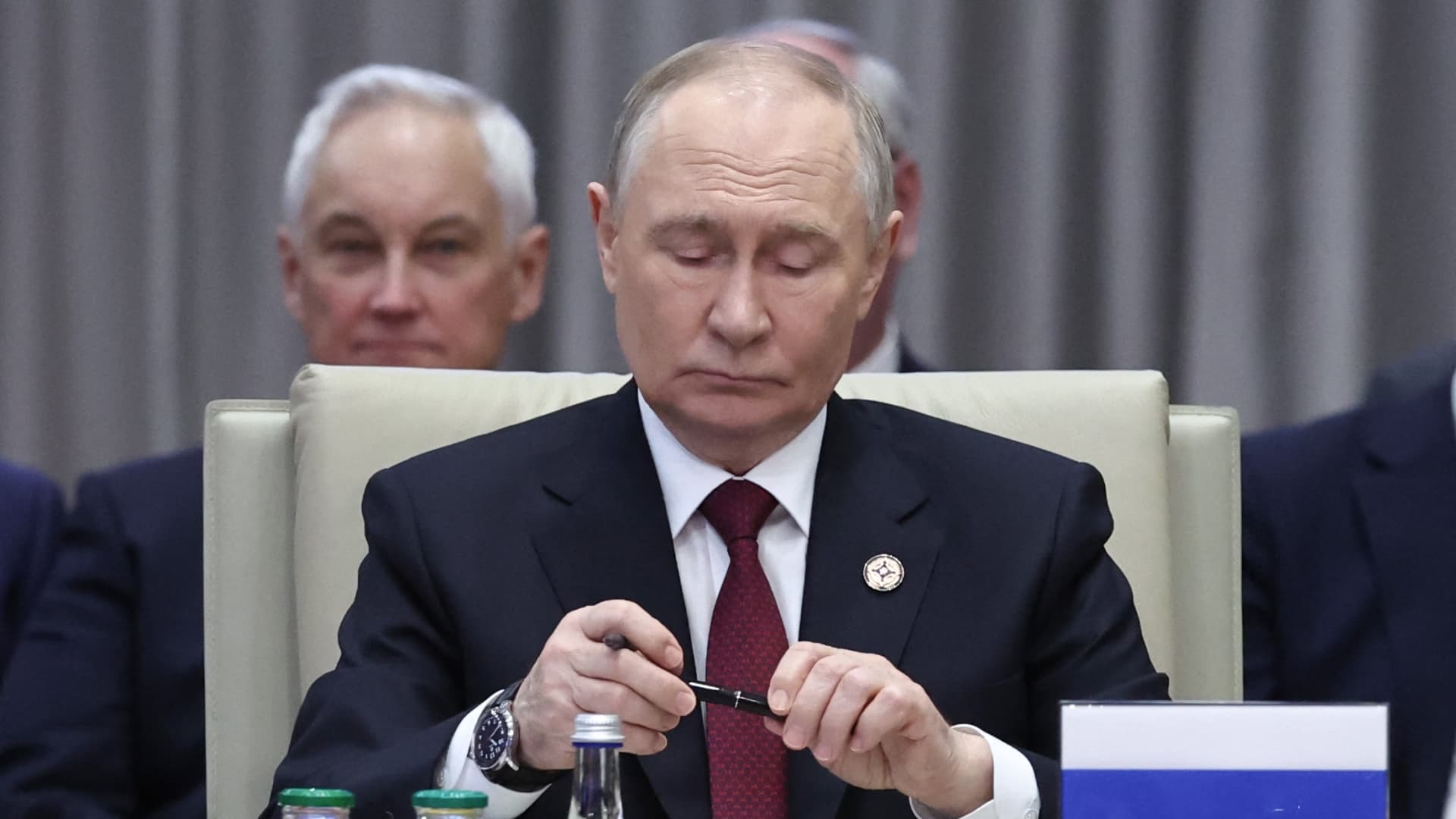
- Russian Countermeasures: President Putin indicated that Russia may preemptively halt energy supplies to Europe to redirect resources to more promising markets, showcasing Russia's leverage in energy supply dynamics.
- Market Dynamics Shift: Despite the EU's plan to fully ban Russian gas imports by the end of 2027, Russia continues to supply LNG to EU nations, highlighting the challenges in implementing a complete ban.

Oil Price Fluctuations and Semiconductor Demand Impact


- Oil Price Volatility: Oil prices plummeted over 11% on Tuesday due to supply concerns stemming from the Middle East conflict, although aggressive rhetoric from U.S. officials failed to stabilize the market, with West Texas Intermediate crude rebounding to $83.76 per barrel, indicating high uncertainty about future supplies.
- U.S. Military Actions: The U.S. Central Command confirmed the sinking of several Iranian ships, including 16 minelayers, on Tuesday, signaling an increased military presence in the Strait of Hormuz that could escalate regional tensions and impact global oil prices and supply chains.
- Semiconductor Industry Pressure: Analysts warned that the ongoing conflict in the Middle East could hinder access to critical materials for the semiconductor industry, while rising energy costs may suppress chip demand, leading to decreased investor confidence in related stocks.
- Oracle Earnings Boost: Oracle reported an earnings beat and issued strong guidance, with its stock rising nearly 10% in after-hours trading, alleviating investor concerns over its substantial debt load and showcasing its ongoing investment potential in the artificial intelligence sector.

Oil Prices Plunge Amid Middle East Tensions Impacting Markets
- Oil Price Volatility: Oil prices closed over 11% lower as traders anticipated that several countries would tap into emergency crude reserves to mitigate supply disruptions caused by the ongoing Middle East conflict, highlighting the market's sensitivity to geopolitical risks.
- Mixed U.S. Stock Market: Despite the significant drop in oil prices, U.S. stocks ended the day mixed as investors weighed the pullback against the risks of further escalation, reflecting the complex reactions to fluctuating energy prices.
- Semiconductor Industry Pressure: Analysts warned that the prolonged conflict in the Middle East could impact the semiconductor industry's access to key materials, while rising energy costs might suppress demand for chips, introducing uncertainty into the industry's outlook.
- Oracle's Strong Earnings: Oracle reported earnings that exceeded expectations and issued strong guidance, boosting its stock by nearly 10% in after-hours trading, alleviating investor concerns regarding the company's hefty debt load and showcasing its growth potential in the AI sector.

xAI Secures Approval for Power Plant in Mississippi


- Power Plant Approval: xAI's subsidiary MZX Tech LLC received authorization to build a power plant with 41 natural gas turbines in Southaven, Mississippi, aimed at supplying power to nearby data centers, a decision that has sparked significant local opposition due to environmental pollution concerns.
- Community Protests: Despite attempts by the NAACP and other civil rights organizations to delay the meeting to avoid conflicts with primary elections, the MDEQ proceeded with the vote on election day, leading to community dissatisfaction over the decision-making process and perceived neglect of local voices and environmental impacts.
- Legal Challenges Ahead: The NAACP and Southern Environmental Law Center plan to sue xAI for operating natural gas turbines without federal permits, alleging that the company understated emissions in its application, which could pose health risks to the community.
- Rising Energy Demands: As xAI plans to construct a new data center in Southaven, the anticipated increase in energy demand raises concerns about local environmental quality and residents' quality of life, particularly regarding noise and air pollution issues.

Oil Prices Decline Amid Geopolitical Tensions
- Oil Price Decline: Oil prices continued to fall on Tuesday as investors assessed President Trump's comments about a potential end to the war, indicating market sensitivity to geopolitical risks that could negatively impact the energy sector's profitability.
- Korean Market Recovery: The South Korean Kospi index surged over 5%, leading gains in the Asia-Pacific region, reflecting market optimism in response to Trump's remarks, although overall market uncertainty remains.
- Energy Price Controls: The South Korean government imposed a price cap on fuel products for the first time in 30 years to address soaring gasoline prices, a policy that may affect energy supply chains and consumer spending.
- Bank of England Policy Stalled: The outbreak of war in Iran has hindered the Bank of England's anticipated interest rate cut next week, demonstrating the direct impact of geopolitical events on monetary policy decisions.
Qatar's LNG Exports Halt for Five Days Amid Geopolitical Tensions
- LNG Export Halt: For the first time since 2008, Qatar has not exported LNG for five consecutive days due to shutdowns at the Ras Laffan LNG complex following Iranian strikes, which could significantly impact global energy supply chains.
- Focus on U.S. LNG Producers: Amid current geopolitical turmoil, Cheniere Energy (LNG) has emerged as a must-have energy stock for investors, while second-ranked Venture Global (VG) is highlighted for its ability to sell up to 4 billion cubic feet per day from its Plaquemines plant, showcasing its competitive edge in the market.
- Market Reaction: Dutch front-month gas futures rose by 6.1%, trading above €50 per megawatt, reflecting market concerns over LNG supply disruptions, which may lead to further volatility in energy prices.
- Force Majeure Declarations: Companies such as Shell (SHEL) and TotalEnergies (TTE) have declared force majeure to their customers, indicating the far-reaching implications of Qatar's LNG supply disruptions on global energy markets, potentially complicating customer relationships and contract fulfillments.
EU Sticks to Plan to Reject Russian Energy Supplies
- Energy Supply Crisis: The EU faces an energy crisis due to supply constraints from the Iran war, with Russian energy imports dropping to approximately 13% for LNG and pipeline gas and below 3% for oil in 2025, indicating a significant reduction in reliance on Russian energy.
- Strategic Decision: European Commission President Ursula von der Leyen emphasized that abandoning the long-term strategy to reject Russian energy would be a strategic blunder, as the EU prepares alternative measures to lower energy prices, including state aid and price caps.
- Russian Countermeasures: President Putin indicated that Russia may preemptively halt energy supplies to Europe to redirect resources to more promising markets, showcasing Russia's leverage in energy supply dynamics.
- Market Dynamics Shift: Despite the EU's plan to fully ban Russian gas imports by the end of 2027, Russia continues to supply LNG to EU nations, highlighting the challenges in implementing a complete ban.
Oil Price Fluctuations and Semiconductor Demand Impact
- Oil Price Volatility: Oil prices plummeted over 11% on Tuesday due to supply concerns stemming from the Middle East conflict, although aggressive rhetoric from U.S. officials failed to stabilize the market, with West Texas Intermediate crude rebounding to $83.76 per barrel, indicating high uncertainty about future supplies.
- U.S. Military Actions: The U.S. Central Command confirmed the sinking of several Iranian ships, including 16 minelayers, on Tuesday, signaling an increased military presence in the Strait of Hormuz that could escalate regional tensions and impact global oil prices and supply chains.
- Semiconductor Industry Pressure: Analysts warned that the ongoing conflict in the Middle East could hinder access to critical materials for the semiconductor industry, while rising energy costs may suppress chip demand, leading to decreased investor confidence in related stocks.
- Oracle Earnings Boost: Oracle reported an earnings beat and issued strong guidance, with its stock rising nearly 10% in after-hours trading, alleviating investor concerns over its substantial debt load and showcasing its ongoing investment potential in the artificial intelligence sector.
Oil Prices Plunge Amid Middle East Tensions Impacting Markets
- Oil Price Volatility: Oil prices closed over 11% lower as traders anticipated that several countries would tap into emergency crude reserves to mitigate supply disruptions caused by the ongoing Middle East conflict, highlighting the market's sensitivity to geopolitical risks.
- Mixed U.S. Stock Market: Despite the significant drop in oil prices, U.S. stocks ended the day mixed as investors weighed the pullback against the risks of further escalation, reflecting the complex reactions to fluctuating energy prices.
- Semiconductor Industry Pressure: Analysts warned that the prolonged conflict in the Middle East could impact the semiconductor industry's access to key materials, while rising energy costs might suppress demand for chips, introducing uncertainty into the industry's outlook.
- Oracle's Strong Earnings: Oracle reported earnings that exceeded expectations and issued strong guidance, boosting its stock by nearly 10% in after-hours trading, alleviating investor concerns regarding the company's hefty debt load and showcasing its growth potential in the AI sector.
xAI Secures Approval for Power Plant in Mississippi
- Power Plant Approval: xAI's subsidiary MZX Tech LLC received authorization to build a power plant with 41 natural gas turbines in Southaven, Mississippi, aimed at supplying power to nearby data centers, a decision that has sparked significant local opposition due to environmental pollution concerns.
- Community Protests: Despite attempts by the NAACP and other civil rights organizations to delay the meeting to avoid conflicts with primary elections, the MDEQ proceeded with the vote on election day, leading to community dissatisfaction over the decision-making process and perceived neglect of local voices and environmental impacts.
- Legal Challenges Ahead: The NAACP and Southern Environmental Law Center plan to sue xAI for operating natural gas turbines without federal permits, alleging that the company understated emissions in its application, which could pose health risks to the community.
- Rising Energy Demands: As xAI plans to construct a new data center in Southaven, the anticipated increase in energy demand raises concerns about local environmental quality and residents' quality of life, particularly regarding noise and air pollution issues.
Oil Prices Decline Amid Geopolitical Tensions
- Oil Price Decline: Oil prices continued to fall on Tuesday as investors assessed President Trump's comments about a potential end to the war, indicating market sensitivity to geopolitical risks that could negatively impact the energy sector's profitability.
- Korean Market Recovery: The South Korean Kospi index surged over 5%, leading gains in the Asia-Pacific region, reflecting market optimism in response to Trump's remarks, although overall market uncertainty remains.
- Energy Price Controls: The South Korean government imposed a price cap on fuel products for the first time in 30 years to address soaring gasoline prices, a policy that may affect energy supply chains and consumer spending.
- Bank of England Policy Stalled: The outbreak of war in Iran has hindered the Bank of England's anticipated interest rate cut next week, demonstrating the direct impact of geopolitical events on monetary policy decisions.