BAE Systems Wins $390 Million Contract for Bradley A4 Combat Vehicle Production

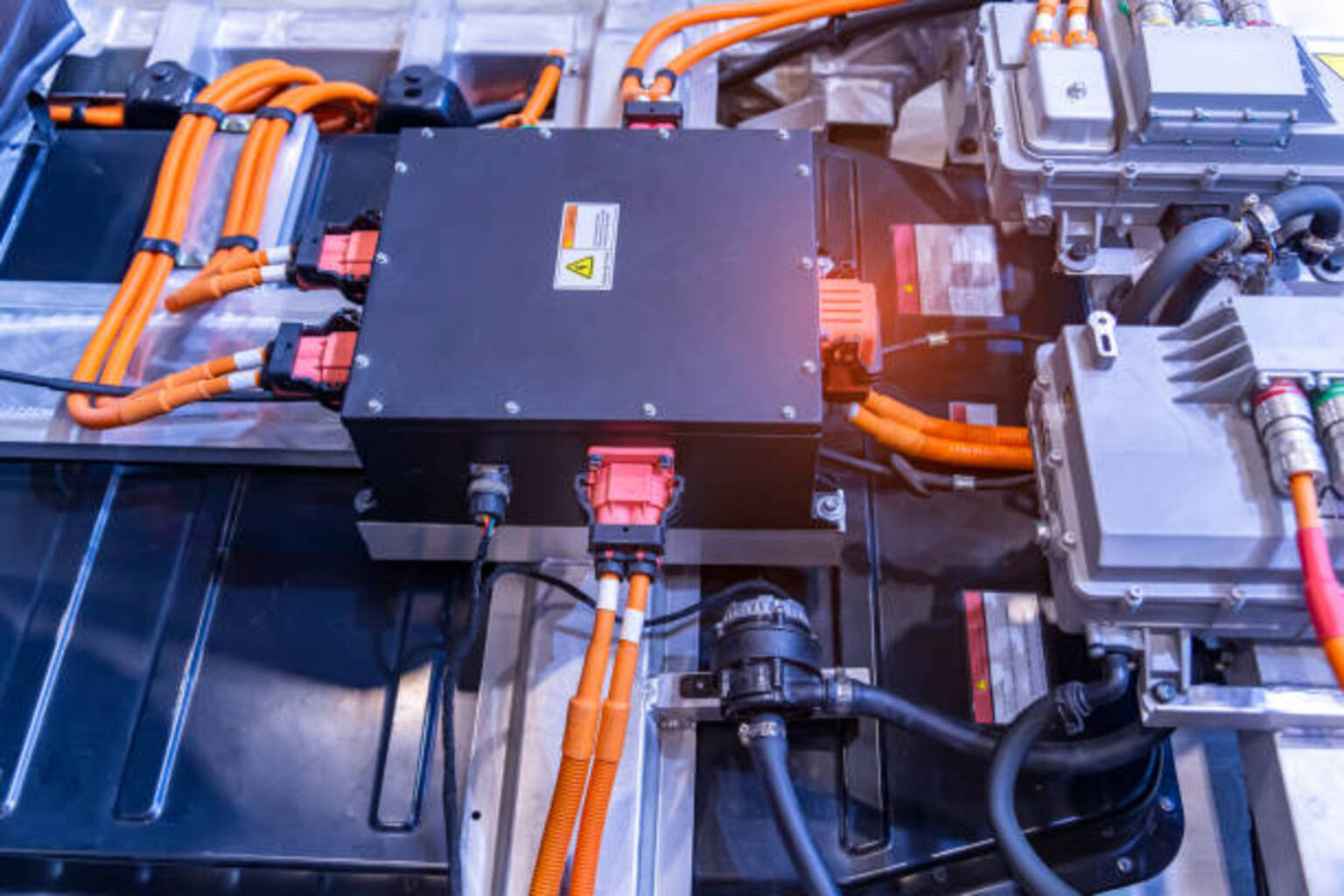
BAE Systems Contract: BAE Systems secured a $390 million deal to produce additional Bradley A4 fighting vehicles for the U.S. Army, enhancing combat capabilities with improved lethality, survivability, and safety, with deliveries expected by October 2026.
Market Growth Potential: The armored vehicle market is projected to grow at a CAGR of 5.66% from 2025 to 2030, presenting significant opportunities for BAE Systems and other defense companies like Textron, RTX Corporation, and General Dynamics.
Competitive Position: BAE Systems remains a leading supplier of armored vehicles, benefiting from its extensive experience and a diverse range of Bradley variants, which strengthens its market position amid rising global security threats.
Stock Performance: BAE Systems shares have increased by 32.7% over the past year, outperforming the industry average growth of 12.8%, and currently holds a Zacks Rank #3 (Hold).
Trade with 70% Backtested Accuracy
Analyst Views on RTX

About RTX
About the author

Raytheon Secures $2.01B Contract Modification

- Contract Value Increase: Raytheon has secured a modification contract worth approximately $2.01 billion for the U.S. Air Force's advanced extremely high-frequency terminal, raising the total contract value from $960 million to about $2.97 billion, indicating a significant increase in defense spending.
- Project Completion Timeline: The project is expected to be completed by August 9, 2031, demonstrating Raytheon's capability to meet long-term defense requirements and further solidifying its position in the defense industry.
- Funding Arrangement: No funds were set aside at the time of the award, reflecting the U.S. Air Force's trust in Raytheon, which may also impact future cash flow and project management strategies.
- Managing Agency: The contract is managed by the Air Force Nuclear Weapons Center, highlighting Raytheon's critical role in the U.S. defense framework and potentially paving the way for future contract opportunities.
RTX Initiates Testing of Electric Drive Systems for Clean Aviation
- Clean Aviation Initiative: RTX's Collins Aerospace has announced the commencement of early testing for electric motor drive systems as part of the EU's Clean Aviation SWITCH program, indicating the company's proactive approach in the clean aviation sector aimed at evaluating hybrid-electric propulsion for future commercial aircraft.
- Testing Facility Overview: Initial tests are being conducted at 'The Grid', the electric power systems laboratory in Rockford, Illinois, where engineers are assessing various components of the hybrid-electric powertrain, including motor generators, control electronics, and power distribution hardware, ensuring the system's reliability and efficiency.
- Future Integration Plans: This work is intended to support a later phase where the hybrid-electric system will be integrated with a demonstrator version of the Pratt & Whitney GTF engine, further driving innovation and development in aviation power systems.
- Strategic Implications: By participating in the EU's Clean Aviation SWITCH program, RTX not only showcases its technological prowess in the aerospace and defense sectors but also prepares for future market demand shifts, enhancing the company's competitive edge.

Collins Aerospace Initiates Hybrid-Electric Engine Testing
- Project Launch: Collins Aerospace has commenced testing of electric motor drive systems at 'The Grid' in Rockford, Illinois, marking a critical step towards applying hybrid-electric technology to Pratt & Whitney's GTF™ engine, which is expected to enhance fuel efficiency for future short- and medium-range aircraft.
- Subsystem Validation: The testing validates several key subsystems, including two megawatt-class motor generators, which will be integrated into a hybrid-electric Pratt & Whitney GTF engine demonstrator, advancing the electrification of aviation.
- International Collaboration: The SWITCH project brings together MTU, Pratt & Whitney, Collins Aerospace, GKN Aerospace, Airbus, and several European research institutions, showcasing the vital role of global R&D facilities in driving aviation technology innovation and promoting sustainable development in the European aerospace sector.
- Future Outlook: Collins Aerospace is engaged in multiple Clean Aviation projects aimed at enabling hybrid-electric propulsion and more electric aircraft architectures, which are projected to reduce CO2 emissions from short- and medium-range aircraft by 30%-50%, laying the groundwork for a sustainable future in aviation.

Collins Aerospace Begins Testing Electric Power Systems for Hybrid-Electric Aviation
- Electric Power System Testing: Collins Aerospace has initiated preliminary testing of electric motor drive systems at 'The Grid' lab in Rockford, Illinois, marking a crucial step towards demonstrating hybrid-electric technology on a full-scale Pratt & Whitney GTF™ engine, which is expected to enhance engine efficiency for future short- and medium-range aircraft.
- Subsystem Validation: The testing validates hybrid-electric powertrain subsystems, including two megawatt-class motor generators, which will be integrated into a Pratt & Whitney GTF engine demonstrator, facilitating the aviation industry's transition to more electric systems and improving fuel efficiency.
- International Collaboration: The SWITCH project brings together MTU Aero Engines, Pratt & Whitney, Collins Aerospace, GKN Aerospace, Airbus, and several European research institutions, aiming to advance sustainable aviation through hybrid-electric propulsion and more electric aircraft architectures.
- Future Market Potential: Kristin Smith, VP of Electric Power Systems at Collins Aerospace, stated that hybrid-electric technology has the potential to achieve greater fuel efficiency across multiple platforms, including next-generation single-aisle aircraft, which is expected to have a profound impact on the aviation market and drive the industry towards more environmentally friendly practices.

U.S.-Israeli Military Campaign Boosts Defense Stocks

- Optimistic Defense Investment Outlook: Citigroup analysts reiterated their bullish stance on defense system companies, noting that despite a slowdown in Iranian missile and drone attacks, the long-term investment rationale remains intact, indicating increased market focus on defense stocks.
- Karman Holdings Strong Performance: Since going public in February 2025, Karman Holdings' stock has risen 33%, with a projected 28% upside potential, primarily benefiting from U.S. government contracts and growing demand for high-performance missile and counter-UAS systems.
- L3Harris Investment Opportunity: Citigroup's price target for L3Harris is $418, implying a 17% potential upside, with shares up about 22% this year, driven by a $1 billion U.S. government investment in its Missile Solutions business.
- New Factory Opening: Karman Holdings announced the opening of a new factory in Utah focused on advanced manufacturing of high-volume loitering missiles and counter-UAS launch systems, further enhancing its market competitiveness and production capabilities.
Raytheon Expands Missile Integration Facility to Boost Capacity
- Facility Expansion: Raytheon has completed a 26,000 square-foot expansion of its Huntsville facility with a $115 million investment, which is expected to increase integration and delivery capacity by over 50%, significantly enhancing the company's footprint in the state with more than 2,200 employees.
- Accelerated Delivery: This expansion will expedite missile delivery, with President Barbara Borgonovi stating that the investment underscores the company's commitment to meeting customer demands, ensuring readiness against emerging threats and strengthening national defense capabilities.
- Key Agreements: Last month, Raytheon announced five landmark framework agreements with the U.S. Department of Defense aimed at significantly increasing production capacity and delivery speed for critical munitions, with production taking place at facilities in Tucson, Arizona, Huntsville, Alabama, and Andover, Massachusetts.
- Local Economic Impact: U.S. Representative Dale Strong emphasized that this expansion will not only support high-quality jobs in the community but also ensure that military personnel have the advanced missile capabilities they need, reflecting the critical role of the Huntsville region in America's defense industrial base.
Raytheon Secures $2.01B Contract Modification
- Contract Value Increase: Raytheon has secured a modification contract worth approximately $2.01 billion for the U.S. Air Force's advanced extremely high-frequency terminal, raising the total contract value from $960 million to about $2.97 billion, indicating a significant increase in defense spending.
- Project Completion Timeline: The project is expected to be completed by August 9, 2031, demonstrating Raytheon's capability to meet long-term defense requirements and further solidifying its position in the defense industry.
- Funding Arrangement: No funds were set aside at the time of the award, reflecting the U.S. Air Force's trust in Raytheon, which may also impact future cash flow and project management strategies.
- Managing Agency: The contract is managed by the Air Force Nuclear Weapons Center, highlighting Raytheon's critical role in the U.S. defense framework and potentially paving the way for future contract opportunities.
RTX Initiates Testing of Electric Drive Systems for Clean Aviation
- Clean Aviation Initiative: RTX's Collins Aerospace has announced the commencement of early testing for electric motor drive systems as part of the EU's Clean Aviation SWITCH program, indicating the company's proactive approach in the clean aviation sector aimed at evaluating hybrid-electric propulsion for future commercial aircraft.
- Testing Facility Overview: Initial tests are being conducted at 'The Grid', the electric power systems laboratory in Rockford, Illinois, where engineers are assessing various components of the hybrid-electric powertrain, including motor generators, control electronics, and power distribution hardware, ensuring the system's reliability and efficiency.
- Future Integration Plans: This work is intended to support a later phase where the hybrid-electric system will be integrated with a demonstrator version of the Pratt & Whitney GTF engine, further driving innovation and development in aviation power systems.
- Strategic Implications: By participating in the EU's Clean Aviation SWITCH program, RTX not only showcases its technological prowess in the aerospace and defense sectors but also prepares for future market demand shifts, enhancing the company's competitive edge.
Collins Aerospace Initiates Hybrid-Electric Engine Testing
- Project Launch: Collins Aerospace has commenced testing of electric motor drive systems at 'The Grid' in Rockford, Illinois, marking a critical step towards applying hybrid-electric technology to Pratt & Whitney's GTF™ engine, which is expected to enhance fuel efficiency for future short- and medium-range aircraft.
- Subsystem Validation: The testing validates several key subsystems, including two megawatt-class motor generators, which will be integrated into a hybrid-electric Pratt & Whitney GTF engine demonstrator, advancing the electrification of aviation.
- International Collaboration: The SWITCH project brings together MTU, Pratt & Whitney, Collins Aerospace, GKN Aerospace, Airbus, and several European research institutions, showcasing the vital role of global R&D facilities in driving aviation technology innovation and promoting sustainable development in the European aerospace sector.
- Future Outlook: Collins Aerospace is engaged in multiple Clean Aviation projects aimed at enabling hybrid-electric propulsion and more electric aircraft architectures, which are projected to reduce CO2 emissions from short- and medium-range aircraft by 30%-50%, laying the groundwork for a sustainable future in aviation.
Collins Aerospace Begins Testing Electric Power Systems for Hybrid-Electric Aviation
- Electric Power System Testing: Collins Aerospace has initiated preliminary testing of electric motor drive systems at 'The Grid' lab in Rockford, Illinois, marking a crucial step towards demonstrating hybrid-electric technology on a full-scale Pratt & Whitney GTF™ engine, which is expected to enhance engine efficiency for future short- and medium-range aircraft.
- Subsystem Validation: The testing validates hybrid-electric powertrain subsystems, including two megawatt-class motor generators, which will be integrated into a Pratt & Whitney GTF engine demonstrator, facilitating the aviation industry's transition to more electric systems and improving fuel efficiency.
- International Collaboration: The SWITCH project brings together MTU Aero Engines, Pratt & Whitney, Collins Aerospace, GKN Aerospace, Airbus, and several European research institutions, aiming to advance sustainable aviation through hybrid-electric propulsion and more electric aircraft architectures.
- Future Market Potential: Kristin Smith, VP of Electric Power Systems at Collins Aerospace, stated that hybrid-electric technology has the potential to achieve greater fuel efficiency across multiple platforms, including next-generation single-aisle aircraft, which is expected to have a profound impact on the aviation market and drive the industry towards more environmentally friendly practices.
U.S.-Israeli Military Campaign Boosts Defense Stocks
- Optimistic Defense Investment Outlook: Citigroup analysts reiterated their bullish stance on defense system companies, noting that despite a slowdown in Iranian missile and drone attacks, the long-term investment rationale remains intact, indicating increased market focus on defense stocks.
- Karman Holdings Strong Performance: Since going public in February 2025, Karman Holdings' stock has risen 33%, with a projected 28% upside potential, primarily benefiting from U.S. government contracts and growing demand for high-performance missile and counter-UAS systems.
- L3Harris Investment Opportunity: Citigroup's price target for L3Harris is $418, implying a 17% potential upside, with shares up about 22% this year, driven by a $1 billion U.S. government investment in its Missile Solutions business.
- New Factory Opening: Karman Holdings announced the opening of a new factory in Utah focused on advanced manufacturing of high-volume loitering missiles and counter-UAS launch systems, further enhancing its market competitiveness and production capabilities.
Raytheon Expands Missile Integration Facility to Boost Capacity
- Facility Expansion: Raytheon has completed a 26,000 square-foot expansion of its Huntsville facility with a $115 million investment, which is expected to increase integration and delivery capacity by over 50%, significantly enhancing the company's footprint in the state with more than 2,200 employees.
- Accelerated Delivery: This expansion will expedite missile delivery, with President Barbara Borgonovi stating that the investment underscores the company's commitment to meeting customer demands, ensuring readiness against emerging threats and strengthening national defense capabilities.
- Key Agreements: Last month, Raytheon announced five landmark framework agreements with the U.S. Department of Defense aimed at significantly increasing production capacity and delivery speed for critical munitions, with production taking place at facilities in Tucson, Arizona, Huntsville, Alabama, and Andover, Massachusetts.
- Local Economic Impact: U.S. Representative Dale Strong emphasized that this expansion will not only support high-quality jobs in the community but also ensure that military personnel have the advanced missile capabilities they need, reflecting the critical role of the Huntsville region in America's defense industrial base.