Aytu BioPharma Inc (AYTU) Q1 2026 Earnings Call Summary: Robust Performance of ADHD Portfolio

Financial Performance: Aytu BioPharma reported net revenue of $13.9 million for the quarter, driven by a 10% increase in their ADHD portfolio, although overall revenue decreased from the previous year due to a one-time rebate benefit.
Product Launch and Patent Extension: The company is on track to launch its new product, Exua, by the end of 2025, and has successfully extended the Exua method of use patent to September 2030, enhancing its market exclusivity.
Operational Investments: Operating expenses rose to $10.2 million as the company invested in the Exua launch, contributing to a negative adjusted EBITDA of $0.6 million for the quarter.
Market Strategy and Feedback: Aytu is focusing on engaging prescribers for Exua, targeting younger patients dissatisfied with current medications, and expects better coverage from payers compared to its ADHD products.
Trade with 70% Backtested Accuracy
Analyst Views on CRM

About CRM
About the author


Salesforce Expected to Report Fastest Revenue Growth in Three Years Amid AI Concerns

- Quarterly Revenue Growth: Salesforce is expected to report its fastest quarterly revenue growth in three years, yet analysts believe this may not be sufficient to restore investor confidence, highlighting concerns over AI's impact on the software industry.
- Lack of Industry Confidence: Despite CEO Marc Benioff's efforts to reassure shareholders by emphasizing the company's proprietary data and in-house AI offerings, investor confidence in the software sector remains low, leading to significant stock selloffs.
- Poor Market Performance: The software and services index has declined approximately 16% since the beginning of the year, significantly underperforming the S&P 500's 3.2% rise, indicating a pessimistic outlook for software companies.
- Threat from AI Tools: As AI tools from companies like Anthropic increasingly encroach on legal, marketing, and customer service sectors, Salesforce and other software firms face mounting competitive pressure that could impact customer loyalty and market share.

Michael Burry Bets on PayPal and Other Software Stocks

- PayPal Investment: Michael Burry has initiated a 3.5% position in PayPal, which has fallen below $50 per share due to AI concerns; however, its prudent stock-based compensation policy and discounted valuation make it attractive in the competitive digital payments market.
- Salesforce Outlook: Burry plans to increase his stake in Salesforce, which has dropped nearly 30% this year, yet its 23% share of the global CRM market and AI-driven Agentforce product provide a competitive edge, with the stock currently trading at 14 times forward earnings.
- MSCI Potential: Burry also intends to buy MSCI, which has risen 6% this year; despite facing AI competition in financial research tools, its current price-to-earnings ratio of 31 is below the five-year average, indicating potential value.
- Market Dynamics Analysis: Burry views the recent sell-off in software stocks as a

Meta Launches Employee Monitoring Tool to Enhance AI Capabilities


- Employee Monitoring Tool: Meta has launched a new tool called the Model Capability Initiative (MCI) aimed at capturing employee mouse clicks and keystrokes on work computers to collect data for training its AI models, a move that has sparked widespread privacy concerns among staff.
- Data Collection Scope: The tool tracks third-party sites including Google, LinkedIn, and GitHub, as Meta seeks to enhance its competitiveness in generative AI by gathering real user interaction data; however, this raises the risk of sensitive information exposure.
- Privacy Protection Measures: While Meta claims to implement safeguards to protect sensitive content and ensure the collected data is not used for other purposes, employees remain worried about potential personal information leaks, characterizing the project as

Meta Plans Employee Monitoring to Train AI Models
- Employee Monitoring Tool: Meta has launched a new tool called the Model Capability Initiative (MCI) to capture employee actions on hundreds of websites, including Google and Wikipedia, by tracking mouse clicks and keystrokes, which aims to provide real data for training its AI models and enhance its competitiveness in generative AI.
- Privacy Concerns: Despite Meta's assurances of safeguarding sensitive information, multiple employees have expressed concerns that the project could expose user passwords, product development details, and personal information, reflecting strong opposition to the company's surveillance policies.
- AI Development Strategy: This initiative is closely tied to CEO Mark Zuckerberg's strategic goal of narrowing the gap with companies like OpenAI, as he has engaged in a hiring spree since last summer to drive the development of new foundational models, further solidifying the company's position in the AI sector.
- Data Usage Transparency: A Meta spokesperson confirmed the project's existence and emphasized that the collected data would only be used for model training and not for other purposes; however, employees are still advised to avoid personal tasks on work computers to protect their privacy.

ServiceNow Raises Annual Subscription Revenue Forecast Amid AI Adoption

- Revenue Forecast Increase: ServiceNow raised its 2026 subscription revenue forecast to between $15.74 billion and $15.78 billion, up from the previous estimate of $15.53 billion to $15.57 billion, indicating strong demand for its AI-powered software despite a more than 10% drop in shares during extended trading.
- Accelerated AI Integration: The company's partnerships with Anthropic and OpenAI are accelerating AI integration, and while concerns grow that AI tools may diminish traditional software demand, ServiceNow's COO noted that over 50% of new business comes from a usage-based pricing model, highlighting the potential for business model transformation.
- Financial Performance Exceeds Expectations: In the first quarter, ServiceNow reported revenue of $3.77 billion and adjusted earnings per share of 97 cents, both surpassing market expectations of $3.74 billion and 96 cents, demonstrating the company's robust profitability in a competitive market.
- Acquisition Challenges: The acquisition of cybersecurity startup Armis for $7.75 billion is expected to negatively impact free cash flow margin by approximately 200 basis points and operating margin by about 125 basis points in the second quarter, reflecting short-term challenges faced during business expansion.
Boeing and GE Vernova Report Strong Earnings, Market Rebounds

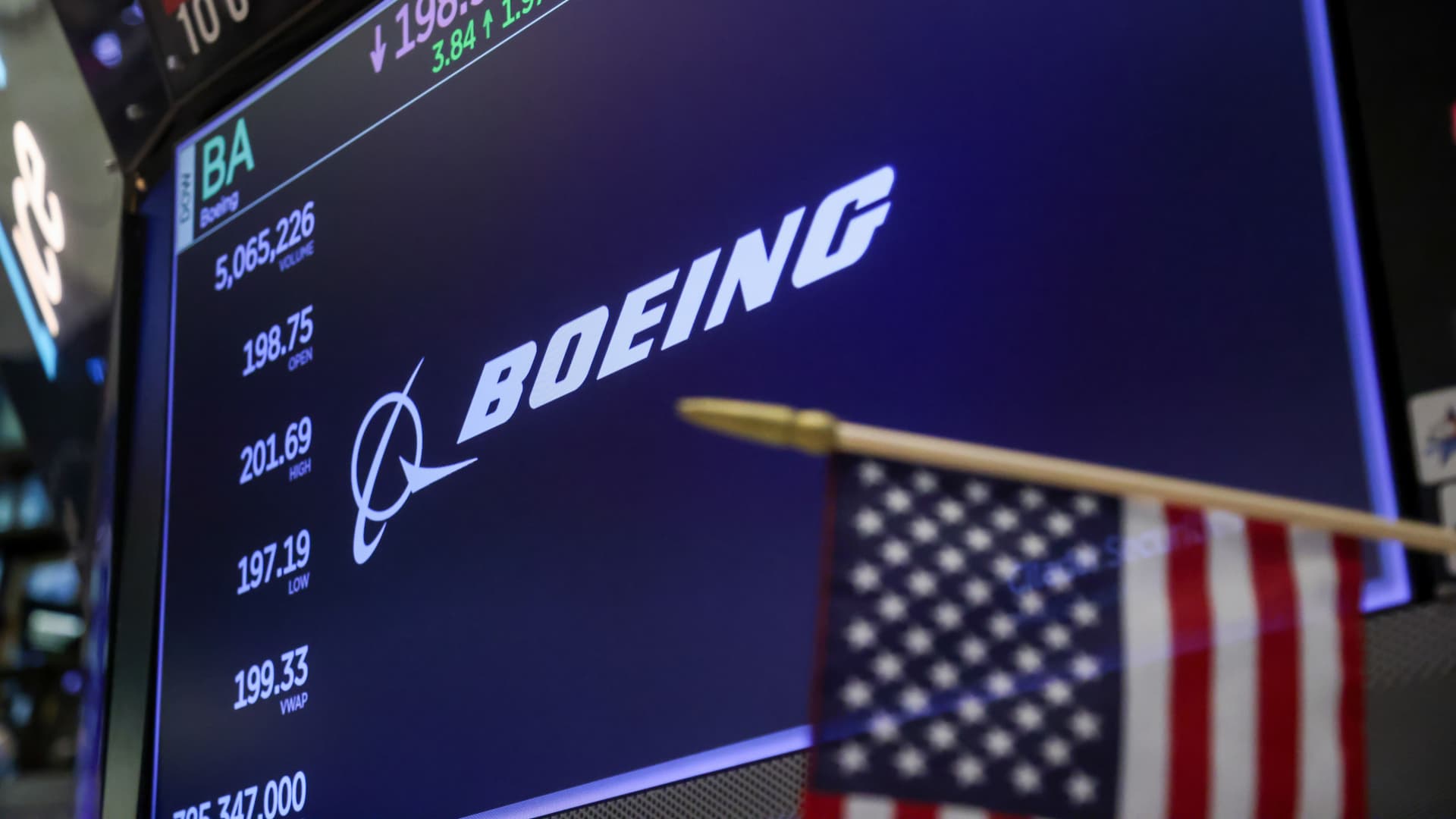
- Boeing's Strong Earnings: Boeing's first-quarter results exceeded expectations with record revenue and profit, achieving the highest backlog levels across its commercial, defense, and services segments, and while free cash flow remains negative, it shows significant improvement from last year, indicating early success of CEO Kelly Ortberg's turnaround strategy.
- GE Vernova's Blowout Performance: GE Vernova reported a significantly better-than-expected first quarter, with shares jumping nearly 8%, as natural gas turbine orders are sold out through 2028, and the electrical grid equipment segment is booming due to surging demand from data centers, highlighting strong market demand driven by AI infrastructure development.
- Capital One's Earnings Miss: Capital One missed earnings and revenue expectations in a noisy quarter, and while Barclays raised its price target to $250, we lowered our target to $255 to reflect concerns over credit card business pressures amid worries about consumer spending.
- Adobe's Stock Buyback Plan: Adobe announced a long-term $25 billion stock buyback plan set to run through 2030, with shares rising nearly 3% on the news, demonstrating the company's confidence in future growth despite facing challenges from AI disruptions this year.
Salesforce Expected to Report Fastest Revenue Growth in Three Years Amid AI Concerns
- Quarterly Revenue Growth: Salesforce is expected to report its fastest quarterly revenue growth in three years, yet analysts believe this may not be sufficient to restore investor confidence, highlighting concerns over AI's impact on the software industry.
- Lack of Industry Confidence: Despite CEO Marc Benioff's efforts to reassure shareholders by emphasizing the company's proprietary data and in-house AI offerings, investor confidence in the software sector remains low, leading to significant stock selloffs.
- Poor Market Performance: The software and services index has declined approximately 16% since the beginning of the year, significantly underperforming the S&P 500's 3.2% rise, indicating a pessimistic outlook for software companies.
- Threat from AI Tools: As AI tools from companies like Anthropic increasingly encroach on legal, marketing, and customer service sectors, Salesforce and other software firms face mounting competitive pressure that could impact customer loyalty and market share.
Michael Burry Bets on PayPal and Other Software Stocks
- PayPal Investment: Michael Burry has initiated a 3.5% position in PayPal, which has fallen below $50 per share due to AI concerns; however, its prudent stock-based compensation policy and discounted valuation make it attractive in the competitive digital payments market.
- Salesforce Outlook: Burry plans to increase his stake in Salesforce, which has dropped nearly 30% this year, yet its 23% share of the global CRM market and AI-driven Agentforce product provide a competitive edge, with the stock currently trading at 14 times forward earnings.
- MSCI Potential: Burry also intends to buy MSCI, which has risen 6% this year; despite facing AI competition in financial research tools, its current price-to-earnings ratio of 31 is below the five-year average, indicating potential value.
- Market Dynamics Analysis: Burry views the recent sell-off in software stocks as a
Meta Launches Employee Monitoring Tool to Enhance AI Capabilities
- Employee Monitoring Tool: Meta has launched a new tool called the Model Capability Initiative (MCI) aimed at capturing employee mouse clicks and keystrokes on work computers to collect data for training its AI models, a move that has sparked widespread privacy concerns among staff.
- Data Collection Scope: The tool tracks third-party sites including Google, LinkedIn, and GitHub, as Meta seeks to enhance its competitiveness in generative AI by gathering real user interaction data; however, this raises the risk of sensitive information exposure.
- Privacy Protection Measures: While Meta claims to implement safeguards to protect sensitive content and ensure the collected data is not used for other purposes, employees remain worried about potential personal information leaks, characterizing the project as
Meta Plans Employee Monitoring to Train AI Models
- Employee Monitoring Tool: Meta has launched a new tool called the Model Capability Initiative (MCI) to capture employee actions on hundreds of websites, including Google and Wikipedia, by tracking mouse clicks and keystrokes, which aims to provide real data for training its AI models and enhance its competitiveness in generative AI.
- Privacy Concerns: Despite Meta's assurances of safeguarding sensitive information, multiple employees have expressed concerns that the project could expose user passwords, product development details, and personal information, reflecting strong opposition to the company's surveillance policies.
- AI Development Strategy: This initiative is closely tied to CEO Mark Zuckerberg's strategic goal of narrowing the gap with companies like OpenAI, as he has engaged in a hiring spree since last summer to drive the development of new foundational models, further solidifying the company's position in the AI sector.
- Data Usage Transparency: A Meta spokesperson confirmed the project's existence and emphasized that the collected data would only be used for model training and not for other purposes; however, employees are still advised to avoid personal tasks on work computers to protect their privacy.
ServiceNow Raises Annual Subscription Revenue Forecast Amid AI Adoption
- Revenue Forecast Increase: ServiceNow raised its 2026 subscription revenue forecast to between $15.74 billion and $15.78 billion, up from the previous estimate of $15.53 billion to $15.57 billion, indicating strong demand for its AI-powered software despite a more than 10% drop in shares during extended trading.
- Accelerated AI Integration: The company's partnerships with Anthropic and OpenAI are accelerating AI integration, and while concerns grow that AI tools may diminish traditional software demand, ServiceNow's COO noted that over 50% of new business comes from a usage-based pricing model, highlighting the potential for business model transformation.
- Financial Performance Exceeds Expectations: In the first quarter, ServiceNow reported revenue of $3.77 billion and adjusted earnings per share of 97 cents, both surpassing market expectations of $3.74 billion and 96 cents, demonstrating the company's robust profitability in a competitive market.
- Acquisition Challenges: The acquisition of cybersecurity startup Armis for $7.75 billion is expected to negatively impact free cash flow margin by approximately 200 basis points and operating margin by about 125 basis points in the second quarter, reflecting short-term challenges faced during business expansion.
Boeing and GE Vernova Report Strong Earnings, Market Rebounds
- Boeing's Strong Earnings: Boeing's first-quarter results exceeded expectations with record revenue and profit, achieving the highest backlog levels across its commercial, defense, and services segments, and while free cash flow remains negative, it shows significant improvement from last year, indicating early success of CEO Kelly Ortberg's turnaround strategy.
- GE Vernova's Blowout Performance: GE Vernova reported a significantly better-than-expected first quarter, with shares jumping nearly 8%, as natural gas turbine orders are sold out through 2028, and the electrical grid equipment segment is booming due to surging demand from data centers, highlighting strong market demand driven by AI infrastructure development.
- Capital One's Earnings Miss: Capital One missed earnings and revenue expectations in a noisy quarter, and while Barclays raised its price target to $250, we lowered our target to $255 to reflect concerns over credit card business pressures amid worries about consumer spending.
- Adobe's Stock Buyback Plan: Adobe announced a long-term $25 billion stock buyback plan set to run through 2030, with shares rising nearly 3% on the news, demonstrating the company's confidence in future growth despite facing challenges from AI disruptions this year.