Autoliv Exceeds Expectations in Q1 Performance
Written by Emily J. Thompson, Senior Investment Analyst
Updated: 1 hour ago
0mins
Should l Buy ALV?
Source: Yahoo Finance
- Significant Sales Growth: Autoliv reported nearly $2.8 billion in net sales for Q1, marking a 7% year-over-year increase, with organic sales in India soaring by 38%, indicating strong performance in the Asia-Pacific region, particularly in China and India, which will further drive market share growth.
- Shareholder Return Strategy: The company paid a dividend of $0.87 per share, totaling $65 million, and authorized a $2.5 billion share repurchase program with an annual target of $300 million to $500 million, a strategy that not only boosts investor confidence but also reflects the company's optimistic outlook on future cash flows.
- Operational Challenges: Despite sales growth, adjusted operating income fell by 4% year-over-year, with adjusted operating margin decreasing to 8.9%, while operating cash flow was negative at $76 million, a significant decline of $153 million from last year, highlighting pressures on cost control and operational efficiency.
- Rising Raw Material Costs: The company anticipates an increase of approximately $90 million in raw material costs for the full year, primarily driven by rising oil prices; although there are currently no major supply chain issues, geopolitical risks could potentially impact raw material prices and overall demand for new vehicles.
Trade with 70% Backtested Accuracy
Stop guessing "Should I Buy ALV?" and start using high-conviction signals backed by rigorous historical data.
Sign up today to access powerful investing tools and make smarter, data-driven decisions.
Analyst Views on ALV
Wall Street analysts forecast ALV stock price to rise
13 Analyst Rating
8 Buy
5 Hold
0 Sell
Moderate Buy
Current: 111.330

Low
117.60
Averages
135.47
High
150.00
Current: 111.330
Low
117.60
Averages
135.47
High
150.00
About ALV
Autoliv, Inc. is a developer, manufacturer, and supplier of safety systems to the automotive industry with a range of product offerings, primarily passive safety systems. Passive safety systems include modules and components for frontal-impact airbag protection systems, side-impact airbag protection systems, seatbelts, steering wheels, inflator technologies and battery cut-off switches. The Company also develops and manufactures mobility safety solutions, such as pedestrian protection, battery cut-off switches, connected safety services and safety solutions for riders of powered two wheelers. The Company has one operating segment, which includes Autoliv’s airbag and seatbelt products and components. Its subsidiaries include Autoliv AB and Autoliv ASP, Inc. The Company operates its business in geographical regions, such as Europe, the Americas, China, Japan, and the Rest of Asia (ROA). The Company has approximately 62 production facilities in 25 countries.
About the author

Emily J. Thompson
Emily J. Thompson, a Chartered Financial Analyst (CFA) with 12 years in investment research, graduated with honors from the Wharton School. Specializing in industrial and technology stocks, she provides in-depth analysis for Intellectia’s earnings and market brief reports.

Autoliv Q1 2026 Earnings Exceed Expectations
- Significant Sales Growth: Autoliv's Q1 2026 net sales reached nearly $2.8 billion, reflecting a 7% year-over-year increase driven by strong sales in March and a $154 million positive currency translation effect, showcasing the company's competitive strength and growth potential in the market.
- Outstanding Performance in China: In China, Autoliv's sales outpaced light vehicle production by over 40 percentage points, while India achieved a 38% organic growth, indicating the company's strategic positioning in the Asia-Pacific region is yielding substantial results and enhancing its market share.
- Share Buyback Plan Paused: Autoliv paused its stock buyback due to the appointment of a new CFO and multiple filing restrictions, yet maintains a $2.5 billion repurchase authorization, planning to repurchase between $300 million and $500 million annually through 2026, reflecting confidence in future performance.
- Rising Raw Material Costs: The company anticipates a $90 million gross impact from higher raw material prices in 2026, significantly up from the previous estimate of $30 million, although customer compensation mechanisms are in place to offset a meaningful portion of this cost, demonstrating its ability to navigate market fluctuations.
See More

Autoliv Exceeds Expectations in Q1 Performance
- Significant Sales Growth: Autoliv reported nearly $2.8 billion in net sales for Q1, marking a 7% year-over-year increase, with organic sales in India soaring by 38%, indicating strong performance in the Asia-Pacific region, particularly in China and India, which will further drive market share growth.
- Shareholder Return Strategy: The company paid a dividend of $0.87 per share, totaling $65 million, and authorized a $2.5 billion share repurchase program with an annual target of $300 million to $500 million, a strategy that not only boosts investor confidence but also reflects the company's optimistic outlook on future cash flows.
- Operational Challenges: Despite sales growth, adjusted operating income fell by 4% year-over-year, with adjusted operating margin decreasing to 8.9%, while operating cash flow was negative at $76 million, a significant decline of $153 million from last year, highlighting pressures on cost control and operational efficiency.
- Rising Raw Material Costs: The company anticipates an increase of approximately $90 million in raw material costs for the full year, primarily driven by rising oil prices; although there are currently no major supply chain issues, geopolitical risks could potentially impact raw material prices and overall demand for new vehicles.
See More

Autoliv Q1 Results Exceed Expectations, Stock Rises Nearly 7%
- Performance Exceeds Expectations: Autoliv's Q1 2026 net sales rose nearly 7% year-over-year to $2.75 billion, significantly surpassing analyst expectations of $2.61 billion, indicating strong market performance despite organic growth being less than 1%.
- Net Income Decline: The company's non-GAAP net income fell by 8% to $154 million ($2.05 per share), highlighting challenges in cost control and profitability that could impact investor confidence moving forward.
- Market Growth Potential: Autoliv attributed its performance to increased vehicle safety demand in key Asian markets like India and China, particularly noting India's growing emphasis on vehicle safety, which underscores the strategic importance of its market positioning.
- Cautious Future Outlook: The company provided guidance for flat organic net sales growth in Q2 and throughout 2026, with an adjusted operating margin expected between 10.5% and 11%, and while no bottom-line forecast was given, this may reflect a conservative view on future growth potential.
See More

US Stocks Surge as Oil Prices Plunge Amid Peace Talks


- Market Rally: The S&P 500 rose 1.20% and the Nasdaq 100 increased by 1.29%, reaching all-time highs, reflecting investor optimism regarding US-Iran peace talks, which may enhance risk appetite in the markets.
- Oil Price Plunge: WTI crude prices fell over 11% to a five-week low after Iran announced the Strait of Hormuz is fully open, easing inflation concerns and causing the 10-year T-note yield to drop 7 basis points to 4.24%.
- Strong Earnings Season: The earnings season started robustly, with 81% of the 48 S&P 500 companies reporting Q1 earnings exceeding estimates, projecting a 12% year-over-year increase in earnings, providing strong support for the stock market.
- Airline Stocks Surge: Airline stocks surged as fuel costs decreased, with Alaska Air Group (ALK) rising over 10% and Royal Caribbean Cruises Ltd (RCL) up more than 7%, indicating market confidence in the recovery of the airline industry.
See More
US Stocks Rally as Oil Prices Plunge Amid Peace Talks
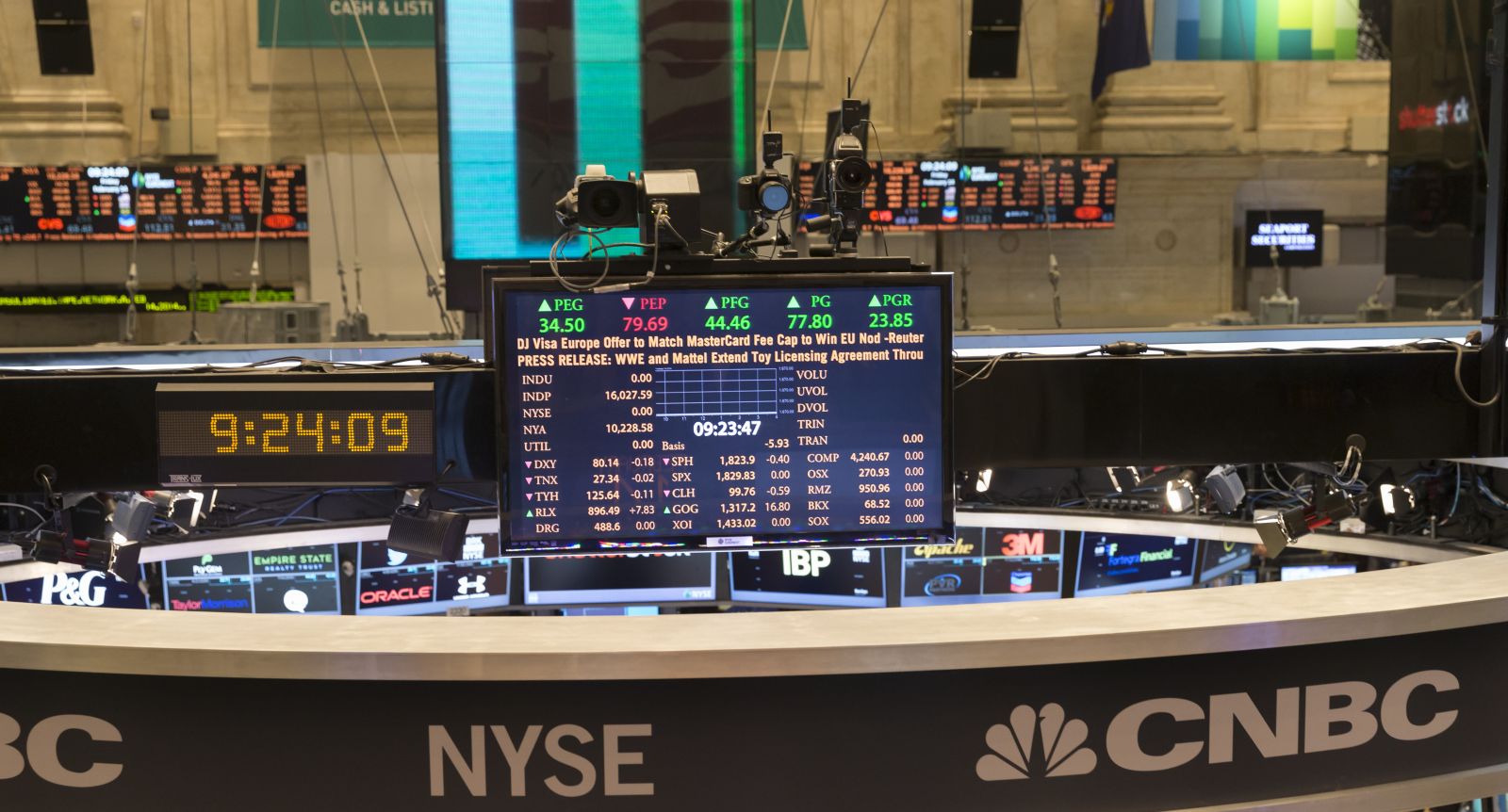
- Market Surge: The S&P 500 rose by 1.28% and the Nasdaq 100 reached an all-time high, reflecting investor optimism driven by peace talks between the US and Iran, which may enhance risk appetite and bolster overall market confidence.
- Oil Price Plunge: WTI crude oil prices fell over 13% to a five-week low after the Strait of Hormuz reopened, easing inflation concerns and causing the 10-year Treasury yield to drop by 8 basis points, further supporting the bond market.
- Earnings Growth Expectations: Q1 earnings for the S&P 500 are projected to increase by 12% year-over-year, although excluding the tech sector, growth is only 3%, indicating resilience in corporate performance amid economic recovery and providing market support.
- Airline Stocks Soar: With reduced fuel costs, Alaska Air Group and United Airlines surged by over 14% and 11%, respectively, demonstrating the positive impact of falling oil prices on the airline industry, which could enhance profitability for related companies.
See More
Energy Stocks Plummet While Travel Stocks Rally

- Energy Stocks Plummet: Energy stocks fell sharply as oil prices dropped over 12% after Iran opened the Strait of Hormuz during the ceasefire between Israel and Lebanon, with APA Corporation down more than 9% and Valero Energy falling over 8.5%, negatively impacting overall confidence in the energy sector.
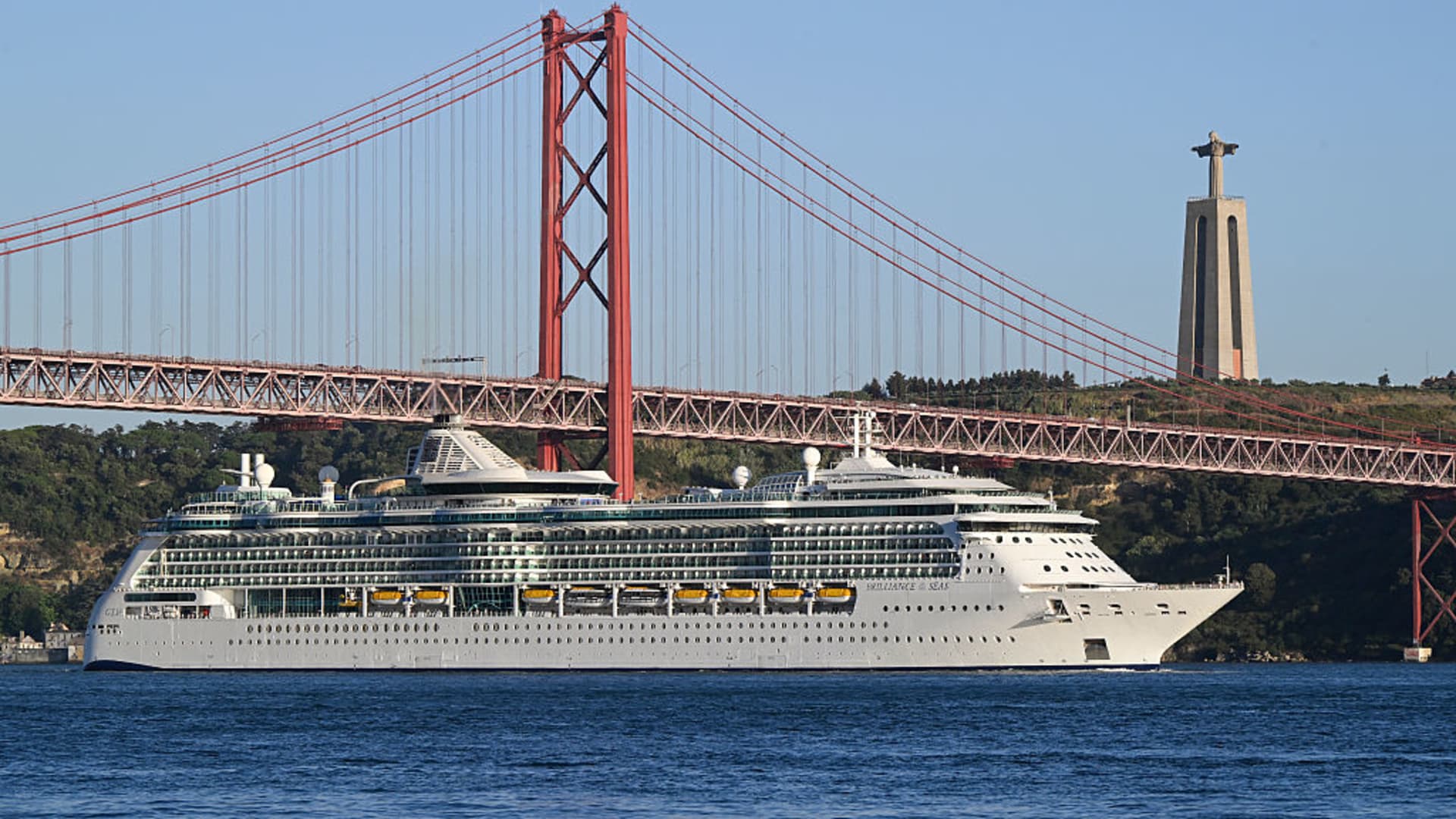
- Travel Stocks Rally: Following Iran's announcement to open the Strait of Hormuz for commercial shipping, Royal Caribbean surged 9.7%, United Airlines jumped over 9%, and Expedia gained 5%, reflecting optimistic market sentiment regarding travel recovery.
- Critical Metals Surge: Greenland's government approved the transfer of a 50.5% interest in Tanbreez Mining to Critical Metals, increasing its stake in the rare earths mine to 92.5%, which propelled the company's shares up over 40%, highlighting the strategic importance of rare earth resources.
- Netflix Disappoints: Streaming giant Netflix saw its stock drop 9% as it projected second-quarter earnings of 78 cents per share, missing the 84 cents forecast by analysts, compounded by co-founder Reed Hastings' announcement to leave the board in June, further dampening investor confidence.
See More
Autoliv Q1 2026 Earnings Exceed Expectations
- Significant Sales Growth: Autoliv's Q1 2026 net sales reached nearly $2.8 billion, reflecting a 7% year-over-year increase driven by strong sales in March and a $154 million positive currency translation effect, showcasing the company's competitive strength and growth potential in the market.
- Outstanding Performance in China: In China, Autoliv's sales outpaced light vehicle production by over 40 percentage points, while India achieved a 38% organic growth, indicating the company's strategic positioning in the Asia-Pacific region is yielding substantial results and enhancing its market share.
- Share Buyback Plan Paused: Autoliv paused its stock buyback due to the appointment of a new CFO and multiple filing restrictions, yet maintains a $2.5 billion repurchase authorization, planning to repurchase between $300 million and $500 million annually through 2026, reflecting confidence in future performance.
- Rising Raw Material Costs: The company anticipates a $90 million gross impact from higher raw material prices in 2026, significantly up from the previous estimate of $30 million, although customer compensation mechanisms are in place to offset a meaningful portion of this cost, demonstrating its ability to navigate market fluctuations.
See More
Autoliv Exceeds Expectations in Q1 Performance
- Significant Sales Growth: Autoliv reported nearly $2.8 billion in net sales for Q1, marking a 7% year-over-year increase, with organic sales in India soaring by 38%, indicating strong performance in the Asia-Pacific region, particularly in China and India, which will further drive market share growth.
- Shareholder Return Strategy: The company paid a dividend of $0.87 per share, totaling $65 million, and authorized a $2.5 billion share repurchase program with an annual target of $300 million to $500 million, a strategy that not only boosts investor confidence but also reflects the company's optimistic outlook on future cash flows.
- Operational Challenges: Despite sales growth, adjusted operating income fell by 4% year-over-year, with adjusted operating margin decreasing to 8.9%, while operating cash flow was negative at $76 million, a significant decline of $153 million from last year, highlighting pressures on cost control and operational efficiency.
- Rising Raw Material Costs: The company anticipates an increase of approximately $90 million in raw material costs for the full year, primarily driven by rising oil prices; although there are currently no major supply chain issues, geopolitical risks could potentially impact raw material prices and overall demand for new vehicles.
See More
Autoliv Q1 Results Exceed Expectations, Stock Rises Nearly 7%
- Performance Exceeds Expectations: Autoliv's Q1 2026 net sales rose nearly 7% year-over-year to $2.75 billion, significantly surpassing analyst expectations of $2.61 billion, indicating strong market performance despite organic growth being less than 1%.
- Net Income Decline: The company's non-GAAP net income fell by 8% to $154 million ($2.05 per share), highlighting challenges in cost control and profitability that could impact investor confidence moving forward.
- Market Growth Potential: Autoliv attributed its performance to increased vehicle safety demand in key Asian markets like India and China, particularly noting India's growing emphasis on vehicle safety, which underscores the strategic importance of its market positioning.
- Cautious Future Outlook: The company provided guidance for flat organic net sales growth in Q2 and throughout 2026, with an adjusted operating margin expected between 10.5% and 11%, and while no bottom-line forecast was given, this may reflect a conservative view on future growth potential.
See More
US Stocks Surge as Oil Prices Plunge Amid Peace Talks
- Market Rally: The S&P 500 rose 1.20% and the Nasdaq 100 increased by 1.29%, reaching all-time highs, reflecting investor optimism regarding US-Iran peace talks, which may enhance risk appetite in the markets.
- Oil Price Plunge: WTI crude prices fell over 11% to a five-week low after Iran announced the Strait of Hormuz is fully open, easing inflation concerns and causing the 10-year T-note yield to drop 7 basis points to 4.24%.
- Strong Earnings Season: The earnings season started robustly, with 81% of the 48 S&P 500 companies reporting Q1 earnings exceeding estimates, projecting a 12% year-over-year increase in earnings, providing strong support for the stock market.
- Airline Stocks Surge: Airline stocks surged as fuel costs decreased, with Alaska Air Group (ALK) rising over 10% and Royal Caribbean Cruises Ltd (RCL) up more than 7%, indicating market confidence in the recovery of the airline industry.
See More
US Stocks Rally as Oil Prices Plunge Amid Peace Talks
- Market Surge: The S&P 500 rose by 1.28% and the Nasdaq 100 reached an all-time high, reflecting investor optimism driven by peace talks between the US and Iran, which may enhance risk appetite and bolster overall market confidence.
- Oil Price Plunge: WTI crude oil prices fell over 13% to a five-week low after the Strait of Hormuz reopened, easing inflation concerns and causing the 10-year Treasury yield to drop by 8 basis points, further supporting the bond market.
- Earnings Growth Expectations: Q1 earnings for the S&P 500 are projected to increase by 12% year-over-year, although excluding the tech sector, growth is only 3%, indicating resilience in corporate performance amid economic recovery and providing market support.
- Airline Stocks Soar: With reduced fuel costs, Alaska Air Group and United Airlines surged by over 14% and 11%, respectively, demonstrating the positive impact of falling oil prices on the airline industry, which could enhance profitability for related companies.
See More
Energy Stocks Plummet While Travel Stocks Rally
- Energy Stocks Plummet: Energy stocks fell sharply as oil prices dropped over 12% after Iran opened the Strait of Hormuz during the ceasefire between Israel and Lebanon, with APA Corporation down more than 9% and Valero Energy falling over 8.5%, negatively impacting overall confidence in the energy sector.
- Travel Stocks Rally: Following Iran's announcement to open the Strait of Hormuz for commercial shipping, Royal Caribbean surged 9.7%, United Airlines jumped over 9%, and Expedia gained 5%, reflecting optimistic market sentiment regarding travel recovery.
- Critical Metals Surge: Greenland's government approved the transfer of a 50.5% interest in Tanbreez Mining to Critical Metals, increasing its stake in the rare earths mine to 92.5%, which propelled the company's shares up over 40%, highlighting the strategic importance of rare earth resources.
- Netflix Disappoints: Streaming giant Netflix saw its stock drop 9% as it projected second-quarter earnings of 78 cents per share, missing the 84 cents forecast by analysts, compounded by co-founder Reed Hastings' announcement to leave the board in June, further dampening investor confidence.
See More