Aurora Innovation Approved for Driverless Freight, Strong Market Potential Ahead
- Driverless Freight Breakthrough: Aurora Innovation has received approval for driverless operations between Dallas and Houston, marking a significant advancement in addressing the freight industry's driver shortages and high costs, which is expected to enhance the company's competitive position in the future market.
- Industry Growth Potential: According to McKinsey, by 2035, 13% of heavy trucks in the U.S. will be autonomous, indicating the immense growth potential of the industry Aurora operates in, with market size projected to increase from $42 billion to $86 billion, reflecting a compound annual growth rate of 10.6%.
- Financial Caution: Aurora reported no revenue in Q3 2024 and only $1 million in sales in Q3 2025, alongside a net loss of $222 million, highlighting the need for close monitoring of its financial health to ensure sustainable operations.
- Funding Assurance and Risks: With $1.6 billion in cash, Aurora is projected to fund operations into the second half of 2027, although it carries $107 million in debt, necessitating vigilance over its burn rate to navigate future market challenges.
Trade with 70% Backtested Accuracy
Analyst Views on AUR

About AUR
About the author


Autonomous Trucking's Economic Potential is Huge

- Significant Economic Benefits: By 2035, autonomous trucking is projected to contribute $70 billion to U.S. GDP, highlighting its potential as an efficient growth engine for the long-haul sector, while saving shippers $5.7 billion annually in fuel costs.
- Considerable Safety Gains: The report estimates that self-driving technology could prevent 490 fatalities, 8,800 injuries, and 23,000 crashes annually, translating to $9.4 billion in safety benefits, significantly reducing insurance costs across the freight sector.
- Workforce Market Transformation: Aurora is committing $1 million to its Aurora Works initiative to provide education and technical training for the future freight workforce, ensuring that 82% of autonomous vehicle workers earn above the national median wage, thus promoting career advancement.
- Enhanced Supply Chain Efficiency: By improving fleet utilization, autonomous technology will enable a 24/7 supply chain operation, expected to increase American households' purchasing power by $9 billion by 2035, ensuring long-term resilience and efficiency in the transportation industry.
AI Sparks Potential Blue-Collar Renaissance Amid Job Disruption Fears

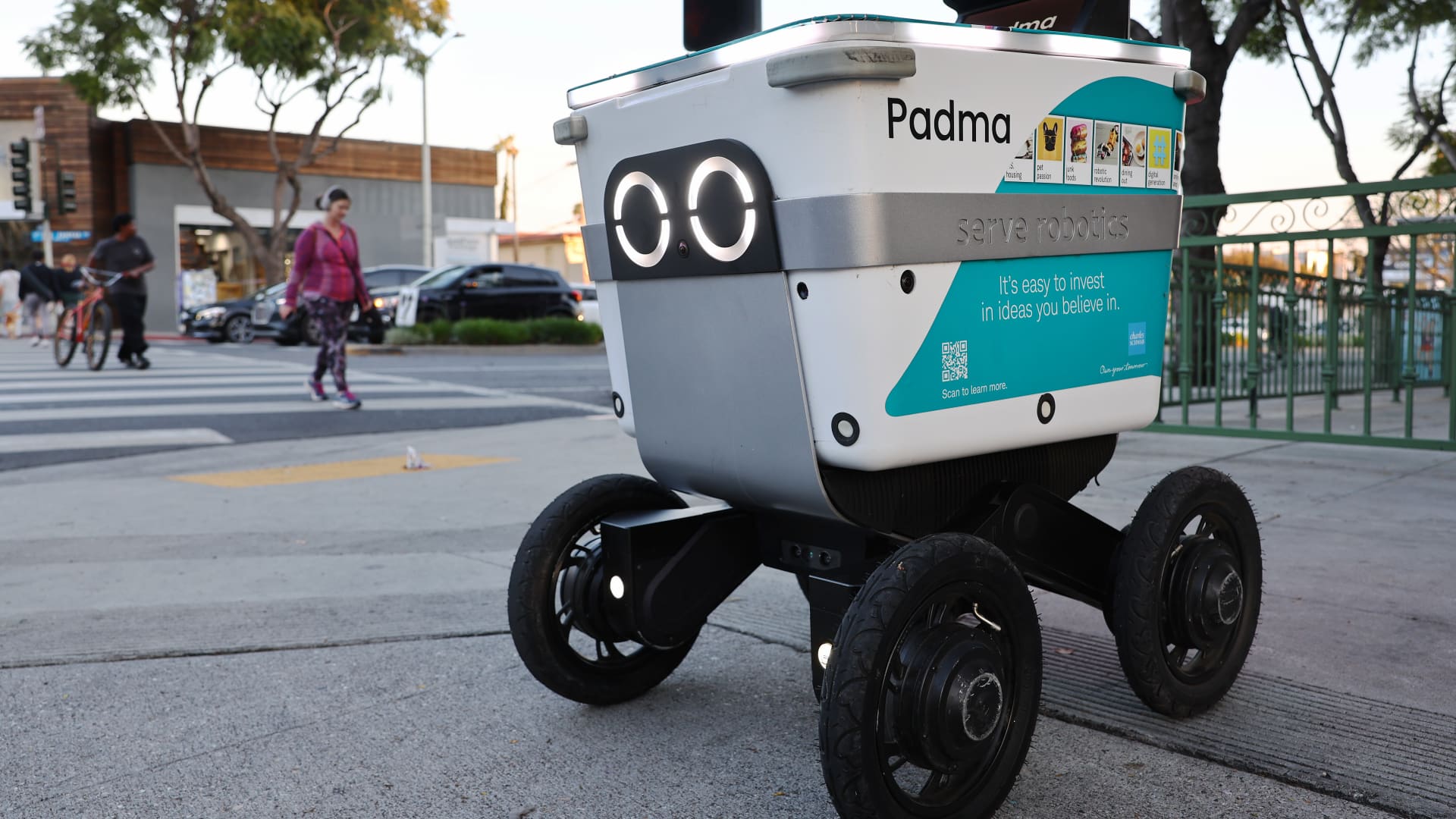
- Blue-Collar Employment Revival: Oppenheimer analysts suggest that while AI may rapidly displace white-collar jobs, it could simultaneously drive demand for blue-collar roles, particularly in manufacturing, with employment projected to remain below pre-pandemic levels by 2026.
- Investment Theme Analysis: Oppenheimer outlined five investable themes, including the physical-to-digital connection, emphasizing the value of sensors and data pipelines, with companies in this space expected to benefit from automation trends, including Aeva Technologies and Tesla.
- Automation Tools Opportunity: The analysts identified automation tools that can reskill transitioning workforces, recommending companies like Caterpillar and Rockwell Automation, which enhance worksite experiences through task automation and AI agents.
- Autonomous Systems Development: Oppenheimer also highlighted companies supporting autonomous physical systems, such as Mobileye Global and Aurora Innovation, noting that as fully autonomous solutions are commercialized, human roles will still be essential for remote monitoring and maintenance to ensure safety and problem resolution.
Uber Launches Self-Driving Taxi Initiative


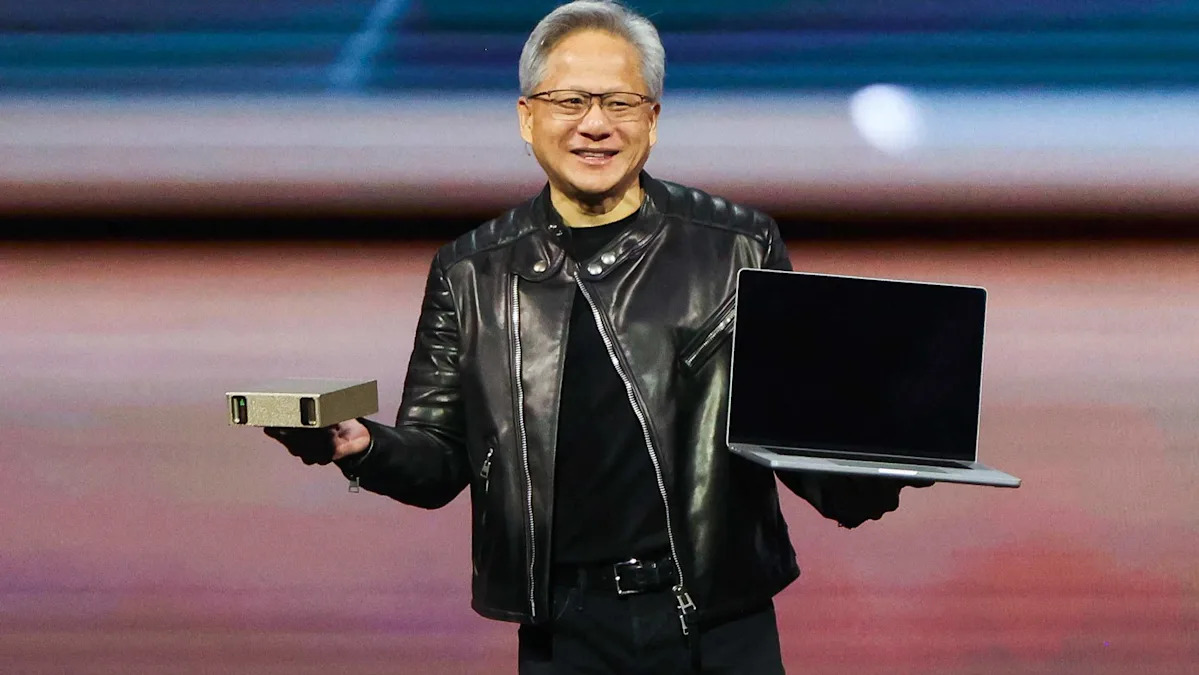
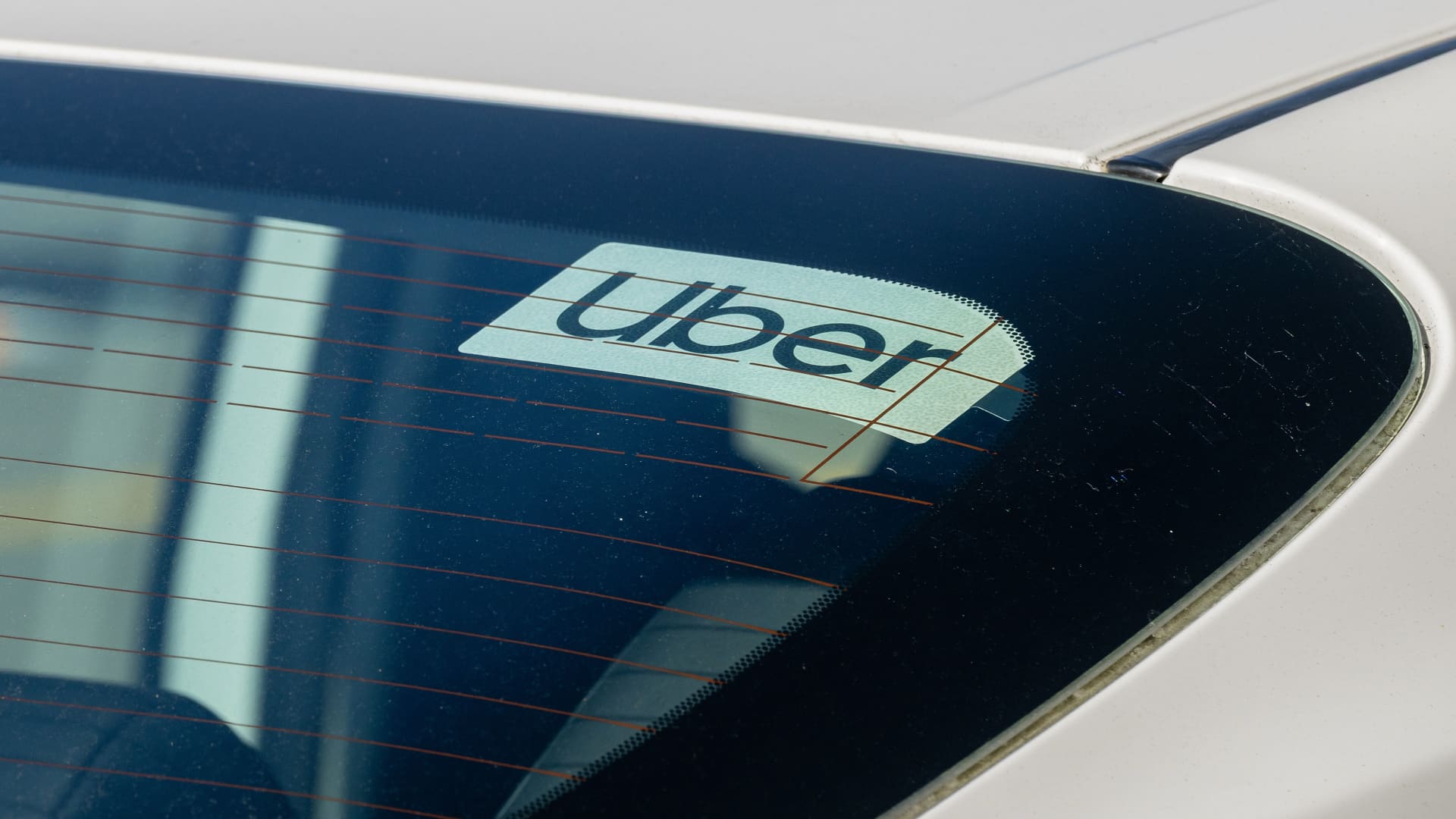
- Self-Driving Taxi Initiative: Uber plans to launch self-driving taxi services powered by Nvidia technology in Los Angeles and San Francisco next year, with an expansion to 28 global cities by 2028, significantly enhancing its competitive edge in the autonomous driving market.
- Stock Price Surge: Following this announcement, Uber's shares jumped nearly 6% in trading, with analysts noting that the stock is currently 27% below its 52-week high, indicating that the rollout of self-driving services could restore investor confidence.
- Competitive Market Advantage: Despite concerns over Tesla and Waymo's expansions, analysts believe that Uber's established algorithms and user base position it well to maintain a competitive advantage in the autonomous taxi market, potentially driving stock price increases.
- Upgraded Investment Ratings: Both Bank of America and Deutsche Bank reiterated their buy ratings on Uber, with price targets of $103 and $108 respectively, suggesting potential upside of 38% and 45% from current levels, reflecting strong market confidence in Uber's future growth.
Deere, Caterpillar, and 10 Additional Stocks Driving a Blue Collar Revival Fueled by AI

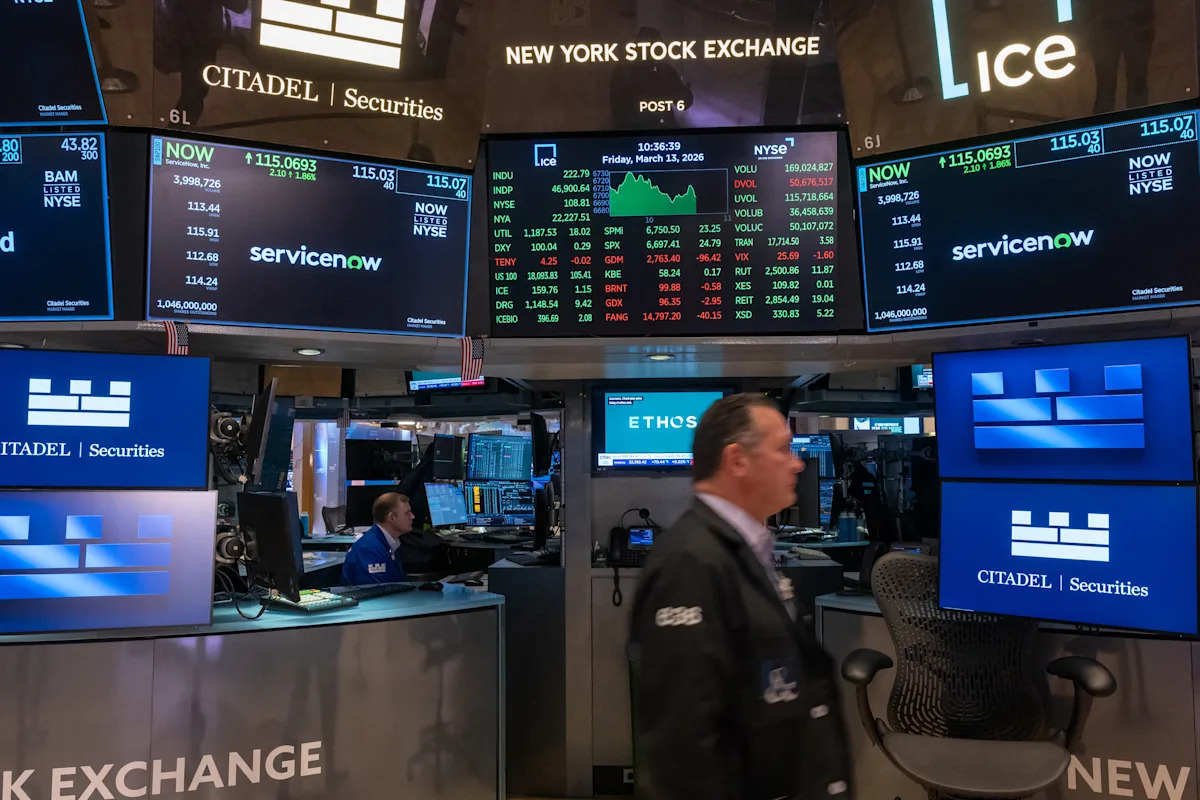
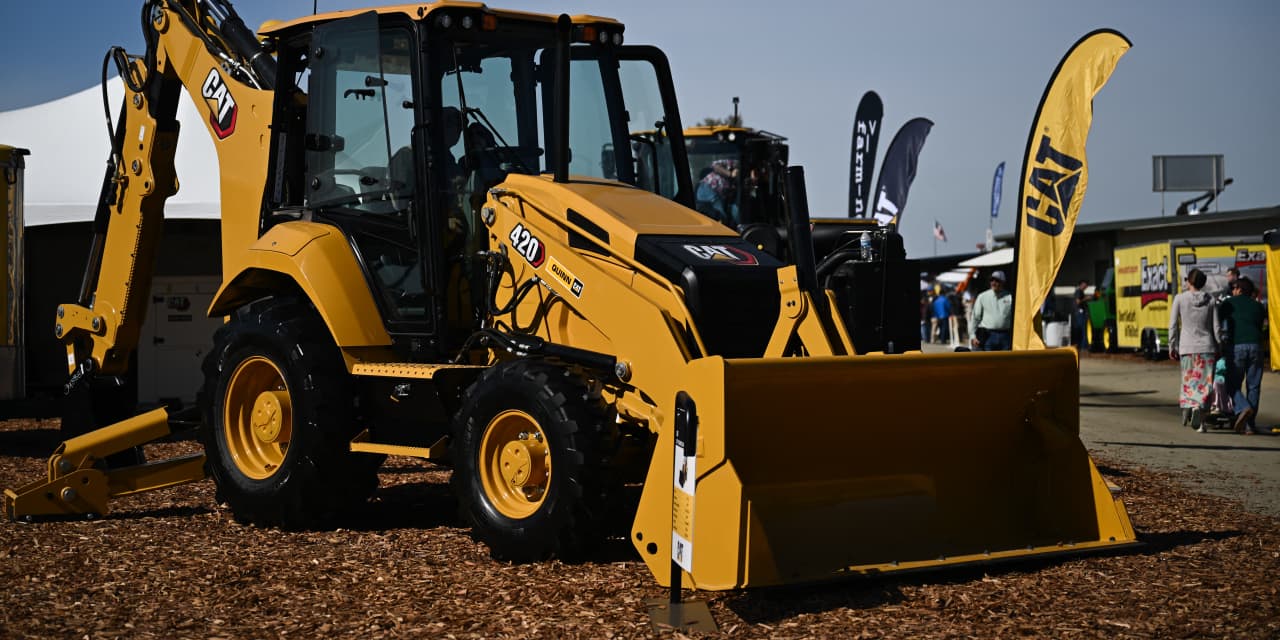
AI's Impact on Stock Trades: Artificial intelligence is significantly influencing stock market activities, acting as both a catalyst for growth and a source of concern for investors.
Hyperscaler Spending: Companies associated with hyperscalers are experiencing stock boosts due to increased spending on AI data centers.
Software Companies at Risk: Conversely, fears of obsolescence are causing declines in the stock prices of software companies that may not adapt to AI advancements.
Dual Nature of AI: The dual role of AI as both a beneficial and detrimental force highlights the volatility and uncertainty in the tech sector.

McKinsey Forecasts $178 Billion U.S. Autonomous Trucking Market by 2035
- Market Potential: McKinsey forecasts that the U.S. autonomous heavy-duty trucking industry could reach $178 billion by 2035, highlighting significant growth potential in addressing driver shortages and rising operating costs.
- Business Expansion Plans: Aurora Innovation aims to increase its fleet of driverless trucks from 10 in 2025 to over 200 by the end of 2026, indicating substantial progress in enhancing the navigation capabilities of its autonomous driving systems, which is expected to strengthen its market competitiveness.
- Revenue Growth Expectations: Although Aurora's revenue was only $3 million in 2025, management anticipates it will rise to between $14 million and $16 million in 2026, reflecting confidence in future revenue growth that may attract more investor interest.
- Regulatory Environment Impact: With the U.S. lacking a national standard for autonomous vehicles, Aurora's management noted in their Q4 2025 shareholder letter that momentum at both state and federal levels could provide more regulatory clarity for driverless trucking operations, potentially driving the company's stock price higher.

U.S. AUTO SAFETY AGENCY TO HOST AUTONOMOUS VEHICLE SAFETY FORUM ON TUESDAY FEATURING CEOs FROM WAYMO, ZOOX, AND AURORA

U.S. Auto Safety Agency Forum: The U.S. Auto Safety Agency is set to hold a forum focused on the safety of autonomous vehicles.
Participation of Industry Leaders: CEOs from major companies such as Waymo, Zoox, and Aurora will participate in the discussions.
Autonomous Trucking's Economic Potential is Huge
- Significant Economic Benefits: By 2035, autonomous trucking is projected to contribute $70 billion to U.S. GDP, highlighting its potential as an efficient growth engine for the long-haul sector, while saving shippers $5.7 billion annually in fuel costs.
- Considerable Safety Gains: The report estimates that self-driving technology could prevent 490 fatalities, 8,800 injuries, and 23,000 crashes annually, translating to $9.4 billion in safety benefits, significantly reducing insurance costs across the freight sector.
- Workforce Market Transformation: Aurora is committing $1 million to its Aurora Works initiative to provide education and technical training for the future freight workforce, ensuring that 82% of autonomous vehicle workers earn above the national median wage, thus promoting career advancement.
- Enhanced Supply Chain Efficiency: By improving fleet utilization, autonomous technology will enable a 24/7 supply chain operation, expected to increase American households' purchasing power by $9 billion by 2035, ensuring long-term resilience and efficiency in the transportation industry.
AI Sparks Potential Blue-Collar Renaissance Amid Job Disruption Fears
- Blue-Collar Employment Revival: Oppenheimer analysts suggest that while AI may rapidly displace white-collar jobs, it could simultaneously drive demand for blue-collar roles, particularly in manufacturing, with employment projected to remain below pre-pandemic levels by 2026.
- Investment Theme Analysis: Oppenheimer outlined five investable themes, including the physical-to-digital connection, emphasizing the value of sensors and data pipelines, with companies in this space expected to benefit from automation trends, including Aeva Technologies and Tesla.
- Automation Tools Opportunity: The analysts identified automation tools that can reskill transitioning workforces, recommending companies like Caterpillar and Rockwell Automation, which enhance worksite experiences through task automation and AI agents.
- Autonomous Systems Development: Oppenheimer also highlighted companies supporting autonomous physical systems, such as Mobileye Global and Aurora Innovation, noting that as fully autonomous solutions are commercialized, human roles will still be essential for remote monitoring and maintenance to ensure safety and problem resolution.
Uber Launches Self-Driving Taxi Initiative
- Self-Driving Taxi Initiative: Uber plans to launch self-driving taxi services powered by Nvidia technology in Los Angeles and San Francisco next year, with an expansion to 28 global cities by 2028, significantly enhancing its competitive edge in the autonomous driving market.
- Stock Price Surge: Following this announcement, Uber's shares jumped nearly 6% in trading, with analysts noting that the stock is currently 27% below its 52-week high, indicating that the rollout of self-driving services could restore investor confidence.
- Competitive Market Advantage: Despite concerns over Tesla and Waymo's expansions, analysts believe that Uber's established algorithms and user base position it well to maintain a competitive advantage in the autonomous taxi market, potentially driving stock price increases.
- Upgraded Investment Ratings: Both Bank of America and Deutsche Bank reiterated their buy ratings on Uber, with price targets of $103 and $108 respectively, suggesting potential upside of 38% and 45% from current levels, reflecting strong market confidence in Uber's future growth.
Deere, Caterpillar, and 10 Additional Stocks Driving a Blue Collar Revival Fueled by AI
AI's Impact on Stock Trades: Artificial intelligence is significantly influencing stock market activities, acting as both a catalyst for growth and a source of concern for investors.
Hyperscaler Spending: Companies associated with hyperscalers are experiencing stock boosts due to increased spending on AI data centers.
Software Companies at Risk: Conversely, fears of obsolescence are causing declines in the stock prices of software companies that may not adapt to AI advancements.
Dual Nature of AI: The dual role of AI as both a beneficial and detrimental force highlights the volatility and uncertainty in the tech sector.
McKinsey Forecasts $178 Billion U.S. Autonomous Trucking Market by 2035
- Market Potential: McKinsey forecasts that the U.S. autonomous heavy-duty trucking industry could reach $178 billion by 2035, highlighting significant growth potential in addressing driver shortages and rising operating costs.
- Business Expansion Plans: Aurora Innovation aims to increase its fleet of driverless trucks from 10 in 2025 to over 200 by the end of 2026, indicating substantial progress in enhancing the navigation capabilities of its autonomous driving systems, which is expected to strengthen its market competitiveness.
- Revenue Growth Expectations: Although Aurora's revenue was only $3 million in 2025, management anticipates it will rise to between $14 million and $16 million in 2026, reflecting confidence in future revenue growth that may attract more investor interest.
- Regulatory Environment Impact: With the U.S. lacking a national standard for autonomous vehicles, Aurora's management noted in their Q4 2025 shareholder letter that momentum at both state and federal levels could provide more regulatory clarity for driverless trucking operations, potentially driving the company's stock price higher.
U.S. AUTO SAFETY AGENCY TO HOST AUTONOMOUS VEHICLE SAFETY FORUM ON TUESDAY FEATURING CEOs FROM WAYMO, ZOOX, AND AURORA
U.S. Auto Safety Agency Forum: The U.S. Auto Safety Agency is set to hold a forum focused on the safety of autonomous vehicles.
Participation of Industry Leaders: CEOs from major companies such as Waymo, Zoox, and Aurora will participate in the discussions.