Assembly Biosciences Reports Positive Interim Results for HSV-2 Treatment Studies

Assembly Biosciences announced interim results from two Phase 1b studies of its investigational long-acting herpes simplex virus helicase-primase inhibitors in participants seropositive for HSV type 2 with recurrent genital herpes. These interim results include the first reported Phase 1b data for ABI-1179, evaluating weekly oral dosing. For ABI-5366, the reported data is for a monthly oral dosing regimen, following the positive interim results for weekly oral dosing reported earlier this year. cohort. This reduction exceeds Assembly Bio's target for the study of an 80%-85% reduction in HSV-2 shedding rate. Further, data revealed a 91% reduction in virologically confirmed genital lesion rate compared to placebo with the 50 mg weekly dose. There was also a greater than 99% reduction in the number of samples with high viral load, a potential surrogate for HSV-2 transmission and a secondary endpoint. ABI-1179 was observed to be well-tolerated at oral doses up to 50 mg weekly and the observed pharmacokinetic profile continues to support once-weekly oral dosing regimens. In the ABI-5366 monthly dose cohort, potent antiviral activity was observed, with a 76% reduction in HSV-2 shedding rate compared to placebo over the 29-day evaluation period. The majority of positive swabs were collected in the last two weeks of the evaluation period when drug levels were declining. An 88% reduction in virologically confirmed genital lesion rate, along with an 81% reduction in the number of samples with high viral load compared to placebo, was observed. As previously reported for the 350 mg weekly dose cohort, a 94% reduction in HSV-2 shedding rate and a 97% reduction in virologically confirmed genital lesion rate compared to placebo was observed. ABI-5366 continues to be well-tolerated across all evaluated oral dosing regimens up to 350 mg weekly, and the PK profile supports both once-weekly and potentially once-monthly oral dosing regimens. Under the collaboration agreement between Assembly Bio and Gilead (GILD), Gilead has the right to opt in to an exclusive license for further development and commercialization of the helicase-primase inhibitor program, with the first option timepoint extending through the review of an option data package to be delivered by Assembly Bio following the end of the Phase 1b studies. ABI-1179 was contributed by Gilead under the collaboration between Assembly Bio and Gilead. ABI-5366 and ABI-1179 are investigational product candidates that have not been approved anywhere globally, and their safety and efficacy have not been established.
Trade with 70% Backtested Accuracy
Analyst Views on GILD

About GILD
About the author


Investment Opportunities Amid Market Turmoil
- WM's Steady Growth: Waste Management (WM) owns 257 landfills and 482 transfer stations by the end of 2025, and despite Middle East tensions, WM's dividends have increased for 23 consecutive years, with the latest hike of 14.5% rapidly boosting investor yield.
- Cash Flow and Investment: WM expects a 30% growth in free cash flow this year, driven by a $1.4 billion investment in automation, utilizing AI technology to enhance waste processing efficiency, which is likely to further strengthen its dividend safety and growth potential.
- GILD's R&D Investment: Gilead Sciences (GILD) spent $5.7 billion on R&D, representing 20% of its revenue, and the new AI research center in California is expected to enhance drug development efficiency, potentially shortening time to market.
- Dividend Growth Potential: Although GILD's current dividend yield is 2.7%, the recent 50% increase indicates strong growth potential, and a 10% rise in free cash flow to $3.1 billion easily covers its $1 billion dividend payout, suggesting the market has yet to fully recognize its AI-driven potential.

Galapagos Enters Binding Agreement with Gilead for Acquisition
- Acquisition Agreement Details: Under the binding framework agreement with Gilead, Galapagos will receive 50% of the total acquisition consideration, amounting to $1.675 billion in upfront payments and any contingent milestone payments, highlighting its strategic significance in the biotech sector.
- Flexible Capital Utilization: The agreement allows Galapagos to deploy at least $500 million of its cash independently, including up to $150 million for share buybacks, enhancing its capital management flexibility and market confidence.
- Intellectual Property Licensing: The framework includes licenses for certain intellectual property rights related to Ouro's research programs, enabling Galapagos to acquire nearly all of Ouro's operational assets, thereby enriching its product pipeline, particularly in autoimmune disease projects.
- Potential Milestone Earnings: Galapagos is eligible for up to $100 million in milestone payments upon Gilead's initiation of registrational trials for gamgertamig, and will receive tiered royalties of 20-23% on net sales post-commercialization, indicating significant future revenue growth potential.

Galapagos Enters Binding Agreement with Gilead for Ouro Medicines Acquisition
- Acquisition Agreement Details: Galapagos NV has entered into a binding agreement with Gilead Sciences, which will acquire all equity interests of Ouro Medicines for $1.675 billion, allowing Galapagos to secure 50% of the upfront consideration and milestone payments, ensuring sufficient funds for future strategic transactions.
- Product Development Progress: Gamgertamig, a clinical-stage T cell engager, has received Fast Track and Orphan Drug Designation from the FDA and is expected to enter registrational studies by 2027, highlighting its potential in treating autoimmune diseases.
- Cost Sharing Arrangement: Under the agreement, Galapagos will bear all pre-registration development costs for Gamgertamig, including Ouro's clinical trials, while registration-enabling clinical development costs will be shared equally, ensuring effective resource utilization.
- Commercialization Revenue: Gilead will be responsible for the global commercialization of Gamgertamig, with Galapagos entitled to tiered royalties of 20-23% on net sales, which is expected to generate substantial long-term revenue and enhance its market position.

Entergy Partners with Meta, Stock Surges Over 8%


- Entergy Stock Surge: Entergy's stock jumped over 8% after announcing a partnership with Meta, which is expected to save Louisiana customers approximately $2 billion over 20 years, significantly enhancing the company's competitive position in the energy market.
- Carnival Lowers Profit Guidance: Carnival revised its full-year adjusted profit forecast down to about $2.21 per share from $2.48, resulting in a more than 3% drop in its stock price and causing peers like Norwegian Cruise Line and Royal Caribbean to experience similar declines.
- Meta Stock Decline: Meta's shares fell over 3% due to losing two pivotal court cases and announcing layoffs, leading to an 11% drop over the week, highlighting the legal and operational challenges the company is currently facing.
- Argan Exceeds Earnings Expectations: Argan reported fourth-quarter earnings of $3.47 per share on revenue of $262.1 million, surpassing analyst expectations, which led to a 35% increase in its stock price, showcasing its strong market performance and growth potential.

AstraZeneca's Drug Trial Shows Promising Results

- Drug Trial Success: AstraZeneca's experimental drug tozorakimab significantly reduced flare-ups in chronic obstructive pulmonary disease cases, leading to a 3% stock increase, with full results expected at an upcoming medical meeting, potentially enhancing the company's competitive edge in respiratory medications.
- Travel Platform Upgrade: Tripadvisor's stock rose 3% after Bank of America upgraded its rating from neutral to buy, citing accelerating activist engagement and rising strategic optionality across its portfolio, reflecting market confidence in its future growth prospects.
- Construction Firm Earnings Beat: Argan's stock surged over 10.5% after reporting fourth-quarter earnings of $3.47 per share and revenue of $262.1 million, both exceeding analyst expectations, indicating strong performance in the construction sector that may attract more investor interest.
- Game Development Platform Forecast: Unity Software's stock jumped over 11% after issuing preliminary first-quarter adjusted EBITDA guidance of $130 million to $135 million, surpassing previous guidance of $105 million to $110 million, suggesting ongoing growth potential in the game development industry.
Novartis Plans $2 Billion Acquisition of Excellergy for Allergy Treatment

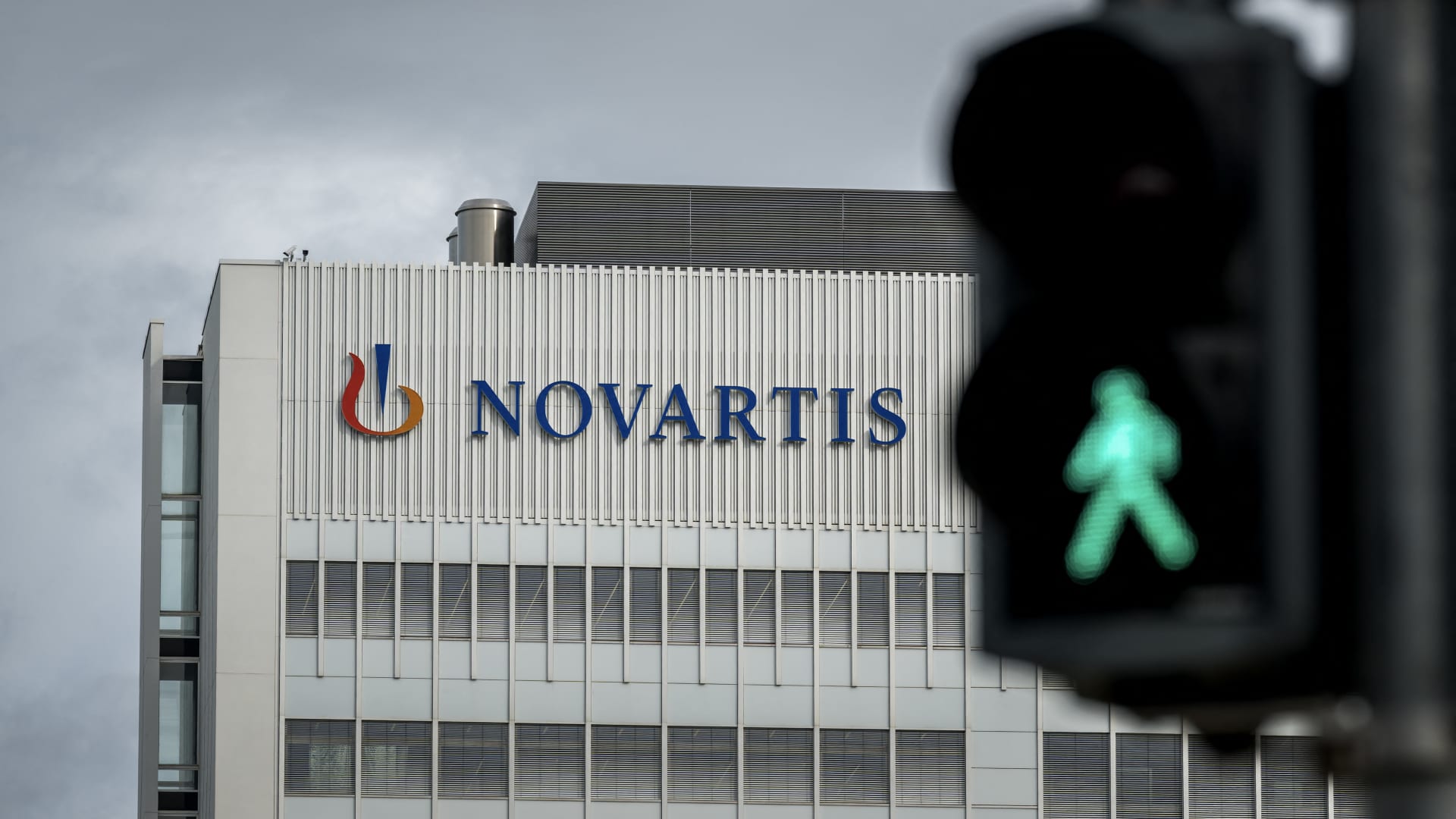
- Acquisition Strategy: Novartis is planning to acquire U.S.-based biotech Excellergy for up to $2 billion, aiming to enhance its allergy drug portfolio by introducing the early-stage candidate Exl-111, which is expected to outperform existing market treatments in speed and efficacy.
- Patent Expiration Response: This acquisition represents Novartis' latest bolt-on deal to counteract looming patent expirations, particularly as its best-selling drugs face generic competition, which is anticipated to positively impact future revenue streams.
- Recent Transaction Activity: Prior to the Excellergy deal, Novartis announced the acquisition of Pikavation Therapeutics for up to $3 billion to secure rights to an experimental breast cancer drug, highlighting its strategic focus on oncology.
- Market Reaction: While Novartis shares traded sideways in morning trading in Zurich, they have increased by 33% over the past year, reflecting market confidence in its acquisition strategy and future growth potential.
Investment Opportunities Amid Market Turmoil
- WM's Steady Growth: Waste Management (WM) owns 257 landfills and 482 transfer stations by the end of 2025, and despite Middle East tensions, WM's dividends have increased for 23 consecutive years, with the latest hike of 14.5% rapidly boosting investor yield.
- Cash Flow and Investment: WM expects a 30% growth in free cash flow this year, driven by a $1.4 billion investment in automation, utilizing AI technology to enhance waste processing efficiency, which is likely to further strengthen its dividend safety and growth potential.
- GILD's R&D Investment: Gilead Sciences (GILD) spent $5.7 billion on R&D, representing 20% of its revenue, and the new AI research center in California is expected to enhance drug development efficiency, potentially shortening time to market.
- Dividend Growth Potential: Although GILD's current dividend yield is 2.7%, the recent 50% increase indicates strong growth potential, and a 10% rise in free cash flow to $3.1 billion easily covers its $1 billion dividend payout, suggesting the market has yet to fully recognize its AI-driven potential.
Galapagos Enters Binding Agreement with Gilead for Acquisition
- Acquisition Agreement Details: Under the binding framework agreement with Gilead, Galapagos will receive 50% of the total acquisition consideration, amounting to $1.675 billion in upfront payments and any contingent milestone payments, highlighting its strategic significance in the biotech sector.
- Flexible Capital Utilization: The agreement allows Galapagos to deploy at least $500 million of its cash independently, including up to $150 million for share buybacks, enhancing its capital management flexibility and market confidence.
- Intellectual Property Licensing: The framework includes licenses for certain intellectual property rights related to Ouro's research programs, enabling Galapagos to acquire nearly all of Ouro's operational assets, thereby enriching its product pipeline, particularly in autoimmune disease projects.
- Potential Milestone Earnings: Galapagos is eligible for up to $100 million in milestone payments upon Gilead's initiation of registrational trials for gamgertamig, and will receive tiered royalties of 20-23% on net sales post-commercialization, indicating significant future revenue growth potential.
Galapagos Enters Binding Agreement with Gilead for Ouro Medicines Acquisition
- Acquisition Agreement Details: Galapagos NV has entered into a binding agreement with Gilead Sciences, which will acquire all equity interests of Ouro Medicines for $1.675 billion, allowing Galapagos to secure 50% of the upfront consideration and milestone payments, ensuring sufficient funds for future strategic transactions.
- Product Development Progress: Gamgertamig, a clinical-stage T cell engager, has received Fast Track and Orphan Drug Designation from the FDA and is expected to enter registrational studies by 2027, highlighting its potential in treating autoimmune diseases.
- Cost Sharing Arrangement: Under the agreement, Galapagos will bear all pre-registration development costs for Gamgertamig, including Ouro's clinical trials, while registration-enabling clinical development costs will be shared equally, ensuring effective resource utilization.
- Commercialization Revenue: Gilead will be responsible for the global commercialization of Gamgertamig, with Galapagos entitled to tiered royalties of 20-23% on net sales, which is expected to generate substantial long-term revenue and enhance its market position.
Entergy Partners with Meta, Stock Surges Over 8%
- Entergy Stock Surge: Entergy's stock jumped over 8% after announcing a partnership with Meta, which is expected to save Louisiana customers approximately $2 billion over 20 years, significantly enhancing the company's competitive position in the energy market.
- Carnival Lowers Profit Guidance: Carnival revised its full-year adjusted profit forecast down to about $2.21 per share from $2.48, resulting in a more than 3% drop in its stock price and causing peers like Norwegian Cruise Line and Royal Caribbean to experience similar declines.
- Meta Stock Decline: Meta's shares fell over 3% due to losing two pivotal court cases and announcing layoffs, leading to an 11% drop over the week, highlighting the legal and operational challenges the company is currently facing.
- Argan Exceeds Earnings Expectations: Argan reported fourth-quarter earnings of $3.47 per share on revenue of $262.1 million, surpassing analyst expectations, which led to a 35% increase in its stock price, showcasing its strong market performance and growth potential.
AstraZeneca's Drug Trial Shows Promising Results
- Drug Trial Success: AstraZeneca's experimental drug tozorakimab significantly reduced flare-ups in chronic obstructive pulmonary disease cases, leading to a 3% stock increase, with full results expected at an upcoming medical meeting, potentially enhancing the company's competitive edge in respiratory medications.
- Travel Platform Upgrade: Tripadvisor's stock rose 3% after Bank of America upgraded its rating from neutral to buy, citing accelerating activist engagement and rising strategic optionality across its portfolio, reflecting market confidence in its future growth prospects.
- Construction Firm Earnings Beat: Argan's stock surged over 10.5% after reporting fourth-quarter earnings of $3.47 per share and revenue of $262.1 million, both exceeding analyst expectations, indicating strong performance in the construction sector that may attract more investor interest.
- Game Development Platform Forecast: Unity Software's stock jumped over 11% after issuing preliminary first-quarter adjusted EBITDA guidance of $130 million to $135 million, surpassing previous guidance of $105 million to $110 million, suggesting ongoing growth potential in the game development industry.
Novartis Plans $2 Billion Acquisition of Excellergy for Allergy Treatment
- Acquisition Strategy: Novartis is planning to acquire U.S.-based biotech Excellergy for up to $2 billion, aiming to enhance its allergy drug portfolio by introducing the early-stage candidate Exl-111, which is expected to outperform existing market treatments in speed and efficacy.
- Patent Expiration Response: This acquisition represents Novartis' latest bolt-on deal to counteract looming patent expirations, particularly as its best-selling drugs face generic competition, which is anticipated to positively impact future revenue streams.
- Recent Transaction Activity: Prior to the Excellergy deal, Novartis announced the acquisition of Pikavation Therapeutics for up to $3 billion to secure rights to an experimental breast cancer drug, highlighting its strategic focus on oncology.
- Market Reaction: While Novartis shares traded sideways in morning trading in Zurich, they have increased by 33% over the past year, reflecting market confidence in its acquisition strategy and future growth potential.