

ASML Unveils Breakthrough EUV Technology to Boost Chip Output
Written by Emily J. Thompson, Senior Investment Analyst
Updated: Feb 24 2026
0mins


Source: Benzinga
- EUV Technology Breakthrough: ASML has developed a new method to significantly enhance the power of the light source in its extreme ultraviolet (EUV) chipmaking machines, potentially increasing chip output by 50% by 2030, thereby reinforcing its dominance in the global market.
- Customer Processing Capacity Increase: The EUV systems are projected to enable customers to process 330 wafers per hour in the future, up from 220 today, addressing the urgent demand for high-volume chip production and enhancing market competitiveness.
- Strong 2025 Performance: ASML achieved net sales of $39.16 billion and net income of $11.5 billion in 2025, with fourth-quarter revenue reaching $11.62 billion, driven by robust AI demand, resulting in a backlog of approximately $46.47 billion.
- Future Growth Outlook: ASML expects net sales between $40.72 billion and $46.7 billion in 2026 and has authorized a share repurchase program of up to $14.37 billion, reflecting management's confidence in ongoing expansion, with stock rising 101% over the past 12 months.
Trade with 70% Backtested Accuracy
Stop guessing "Should I Buy ASML?" and start using high-conviction signals backed by rigorous historical data.
Sign up today to access powerful investing tools and make smarter, data-driven decisions.
Analyst Views on ASML
Wall Street analysts forecast ASML stock price to fall
12 Analyst Rating
12 Buy
0 Hold
0 Sell
Strong Buy
Current: 1892.660

Low
1385
Averages
1583
High
1911
Current: 1892.660
Low
1385
Averages
1583
High
1911
About ASML
ASML Holding N.V. is a holding company based in the Netherlands. The Company operates through its subsidiaries in the Netherlands, the United States, Italy, France, Germany, the United Kingdom, Ireland, Belgium, South Korea, Taiwan, Singapore, China, Hong Kong, Japan, Malaysia and Israel. The Company operates through one business segment which is engage in development, production, marketing, sales, upgrading and servicing of advanced semiconductor equipment systems, consisting of lithography, metrology and inspection systems. The Company offers TWINSCAN systems, equipped with lithography system with a mercury lamp as light source (i-line), Krypton Fluoride (KrF) and Argon Fluoride (ArF) light sources for processing wafers for manufacturing environments for which imaging at a small resolution is required. TWINSCAN systems also include immersion lithography systems (TWINSCAN immersion systems).
About the author

Emily J. Thompson
Emily J. Thompson, a Chartered Financial Analyst (CFA) with 12 years in investment research, graduated with honors from the Wharton School. Specializing in industrial and technology stocks, she provides in-depth analysis for Intellectia’s earnings and market brief reports.

Musk Aims to Develop AI Chip Surpassing Nvidia's GPUs


- AI Chip Development Plan: Musk aims to create an AI chip that he claims will outperform Nvidia's by 2 to 3 times while costing only 10% of Nvidia's, which could pose a significant threat to Nvidia's market position if realized.
- Tesla and SpaceX Collaboration: In March 2026, Tesla announced a partnership with SpaceX and xAI to build TeraFab, touted as the largest chip manufacturing facility ever, highlighting Musk's ambitions in the chip manufacturing sector.
- Technical Challenges and Market Competition: While Musk's goals are ambitious, surpassing Nvidia's Blackwell GPUs in both cost and performance presents substantial challenges, especially as Nvidia continues to invest heavily in developing more powerful chips.
- Market Demand and Strategic Implications: The chip manufacturing facility is set to meet the enormous chip demand from SpaceX and Tesla, indicating that Musk's plans could significantly impact Nvidia's market share, especially as projected demand may exceed global supply capabilities until 2030.
See More
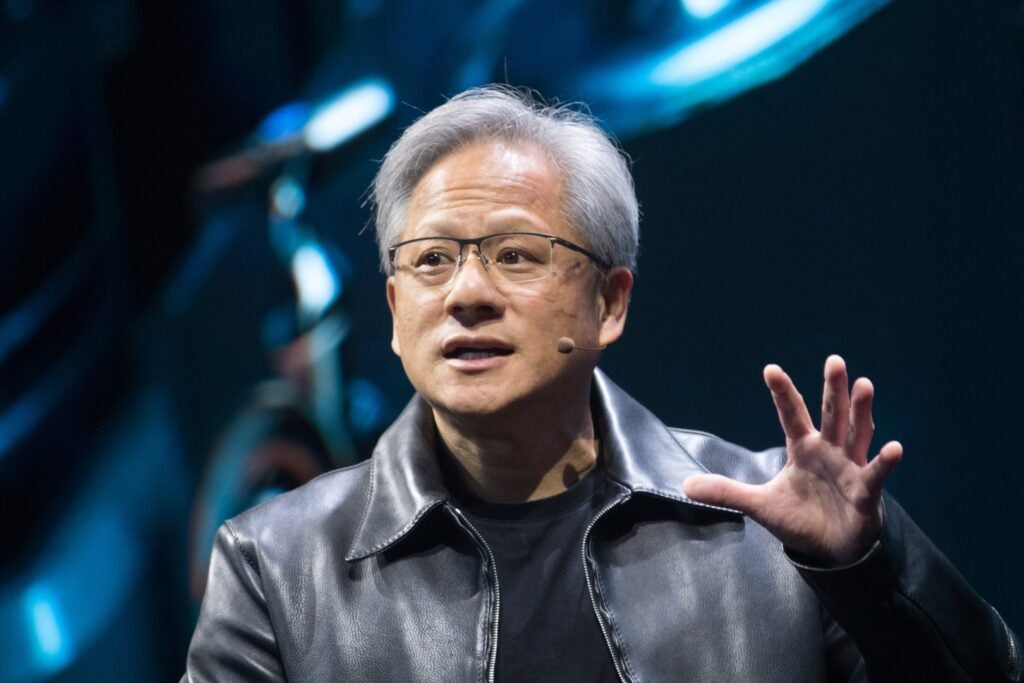
Musk Plans to Challenge Nvidia with AI Chip
- Musk's Wealth Milestone: Thanks to his stakes in SpaceX and Tesla, Musk's net worth has surpassed $1 trillion for the first time, highlighting his successful commercialization in electric vehicles and rocket launches, further solidifying his leadership in the tech industry.
- Superchip Ambitions: Musk plans to develop an AI chip that he claims will be 2 to 3 times better than Nvidia's at just 10% of the cost, a goal that, if achieved, could threaten Nvidia's market dominance, although significant technical challenges remain.
- TeraFab Manufacturing Facility: Tesla is collaborating with SpaceX and xAI to establish TeraFab, the world's largest chip manufacturing facility, set to launch in 2026, aimed at meeting the enormous chip demand for Tesla's Optimus robots and SpaceX's launches.
- Market Competition Dynamics: While Musk's plans are garnering attention, Nvidia is actively developing more powerful and cost-effective chips, and Musk's challenge may validate CEO Jensen Huang's sales forecast of $1 trillion by 2027, reflecting the intense competition in the market.
See More

Goldman Sachs Predicts Surge in AI Infrastructure Spending

- AI Infrastructure Spending Forecast: Goldman Sachs predicts that AI infrastructure spending could reach between $920 billion and $1.4 trillion in 2024, a significant increase from over $700 billion expected in 2023, indicating strong market demand and investment potential in AI technologies.
- Alphabet's Spending Advantage: Alphabet plans to invest between $180 billion and $190 billion in AI infrastructure in 2023, leveraging its proprietary tensor processing units (TPUs) to reduce costs, which enhances its competitive edge in AI model training and inference, likely driving rapid growth in its cloud business.
- TSMC's Market Monopoly: Taiwan Semiconductor Manufacturing Company (TSMC) holds a near-monopoly in advanced logic chip manufacturing, and as AI chip spending rises, it stands to benefit from chip designers' reliance on its manufacturing capabilities, with a 15% price increase expected for its 3nm chips, further boosting profitability.
- ASML's Critical Role: ASML is the only company globally providing extreme ultraviolet (EUV) lithography technology, essential for manufacturing advanced logic chips; as demand for AI infrastructure continues to grow, ASML's equipment demand is also on the rise, making it a stock to watch for investors.
See More

Alphabet's AI Infrastructure Spending Set to Surge
- AI Infrastructure Spending: Alphabet plans to increase its AI infrastructure spending to between $180 billion and $190 billion in 2023, with a significant rise expected by 2027, enhancing its competitive edge in the AI sector.
- TPU Cost Advantage: Alphabet's tensor processing units (TPUs) provide a significant cost advantage, allowing it to train its Gemini model at a lower cost than competitors, thereby improving returns from Google Cloud.
- TSMC's Market Position: With rising AI chip spending, Taiwan Semiconductor Manufacturing Company (TSMC) is set to benefit from a 15% price increase on its new 3nm chips, further solidifying its monopoly in advanced logic chip manufacturing.
- ASML's Critical Role: ASML, with its extreme ultraviolet (EUV) lithography technology, is essential for AI infrastructure development, and is expected to see robust demand from TSMC and major memory manufacturers, driving its stock price higher.
See More
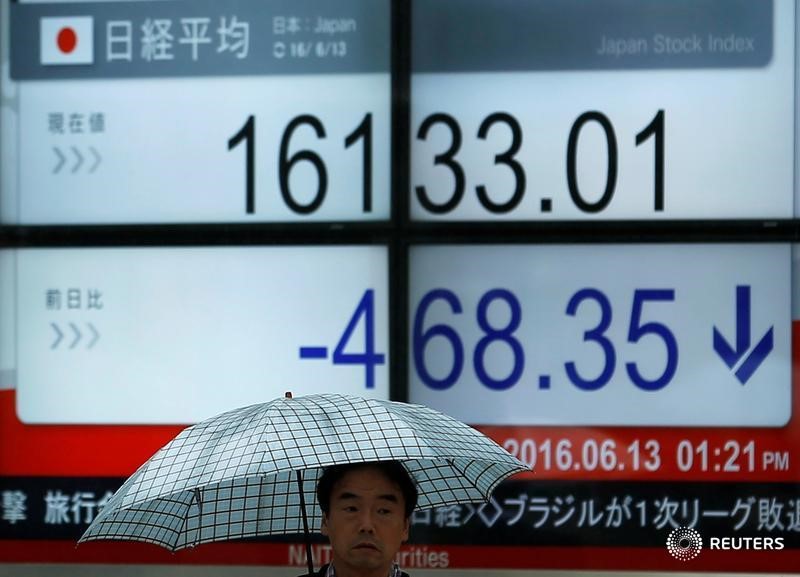
Insights into ASML Market Trends and Investment Opportunities
- Market Trend Analysis: In the latest Motley Fool Scoreboard episode, expert analysts discuss ASML's market trends, highlighting its critical role in the semiconductor industry, although specific data was not provided, indicating ongoing demand for its technology.
- Investment Opportunity Discussion: The episode mentions potential investment opportunities in ASML, with analysts suggesting that as global demand for advanced semiconductor manufacturing technology rises, ASML may benefit from market growth, despite the absence of specific financial forecasts.
- Video Content Overview: The video, published on June 12, 2026, aims to provide investors with in-depth insights into ASML, and while lacking specific market data, it still captures investor interest.
- Stock Price Reference: The stock prices referenced in the episode are from April 29, 2026, providing investors with a timeframe to assess ASML's market performance, although specific figures were not disclosed.
See More

ASML Options Trading Analysis and Yield Potential
- Put Option Appeal: The current bid for the $1360.00 put option is $282.00, and if an investor sells this option, they commit to buying the stock at $1360.00, resulting in a cost basis of $1078.00, which represents a 27% discount to the current price of $1871.70, making it an attractive entry point.
- Yield Potential Analysis: Should the put option expire worthless, the investor could achieve a 20.74% return on the cash commitment, or an annualized yield of 8.25%, highlighting the YieldBoost potential of this strategy, appealing to cost-conscious investors.
- Call Option Returns: The $2340.00 call option currently bids at $566.00, and if an investor buys ASML shares at $1871.70 and sells this call option, the total return could reach 55.26% if the stock is called away at the December 2028 expiration, indicating strong profit potential.
- Risk and Opportunity: Given that the $2340.00 strike price represents a 25% premium over the current stock price, with a 39% chance of the call option expiring worthless, investors could retain both their shares and the premium collected, further enhancing the investment's YieldBoost.
See More
Musk Aims to Develop AI Chip Surpassing Nvidia's GPUs
- AI Chip Development Plan: Musk aims to create an AI chip that he claims will outperform Nvidia's by 2 to 3 times while costing only 10% of Nvidia's, which could pose a significant threat to Nvidia's market position if realized.
- Tesla and SpaceX Collaboration: In March 2026, Tesla announced a partnership with SpaceX and xAI to build TeraFab, touted as the largest chip manufacturing facility ever, highlighting Musk's ambitions in the chip manufacturing sector.
- Technical Challenges and Market Competition: While Musk's goals are ambitious, surpassing Nvidia's Blackwell GPUs in both cost and performance presents substantial challenges, especially as Nvidia continues to invest heavily in developing more powerful chips.
- Market Demand and Strategic Implications: The chip manufacturing facility is set to meet the enormous chip demand from SpaceX and Tesla, indicating that Musk's plans could significantly impact Nvidia's market share, especially as projected demand may exceed global supply capabilities until 2030.
See More
Musk Plans to Challenge Nvidia with AI Chip
- Musk's Wealth Milestone: Thanks to his stakes in SpaceX and Tesla, Musk's net worth has surpassed $1 trillion for the first time, highlighting his successful commercialization in electric vehicles and rocket launches, further solidifying his leadership in the tech industry.
- Superchip Ambitions: Musk plans to develop an AI chip that he claims will be 2 to 3 times better than Nvidia's at just 10% of the cost, a goal that, if achieved, could threaten Nvidia's market dominance, although significant technical challenges remain.
- TeraFab Manufacturing Facility: Tesla is collaborating with SpaceX and xAI to establish TeraFab, the world's largest chip manufacturing facility, set to launch in 2026, aimed at meeting the enormous chip demand for Tesla's Optimus robots and SpaceX's launches.
- Market Competition Dynamics: While Musk's plans are garnering attention, Nvidia is actively developing more powerful and cost-effective chips, and Musk's challenge may validate CEO Jensen Huang's sales forecast of $1 trillion by 2027, reflecting the intense competition in the market.
See More
Goldman Sachs Predicts Surge in AI Infrastructure Spending
- AI Infrastructure Spending Forecast: Goldman Sachs predicts that AI infrastructure spending could reach between $920 billion and $1.4 trillion in 2024, a significant increase from over $700 billion expected in 2023, indicating strong market demand and investment potential in AI technologies.
- Alphabet's Spending Advantage: Alphabet plans to invest between $180 billion and $190 billion in AI infrastructure in 2023, leveraging its proprietary tensor processing units (TPUs) to reduce costs, which enhances its competitive edge in AI model training and inference, likely driving rapid growth in its cloud business.
- TSMC's Market Monopoly: Taiwan Semiconductor Manufacturing Company (TSMC) holds a near-monopoly in advanced logic chip manufacturing, and as AI chip spending rises, it stands to benefit from chip designers' reliance on its manufacturing capabilities, with a 15% price increase expected for its 3nm chips, further boosting profitability.
- ASML's Critical Role: ASML is the only company globally providing extreme ultraviolet (EUV) lithography technology, essential for manufacturing advanced logic chips; as demand for AI infrastructure continues to grow, ASML's equipment demand is also on the rise, making it a stock to watch for investors.
See More
Alphabet's AI Infrastructure Spending Set to Surge
- AI Infrastructure Spending: Alphabet plans to increase its AI infrastructure spending to between $180 billion and $190 billion in 2023, with a significant rise expected by 2027, enhancing its competitive edge in the AI sector.
- TPU Cost Advantage: Alphabet's tensor processing units (TPUs) provide a significant cost advantage, allowing it to train its Gemini model at a lower cost than competitors, thereby improving returns from Google Cloud.
- TSMC's Market Position: With rising AI chip spending, Taiwan Semiconductor Manufacturing Company (TSMC) is set to benefit from a 15% price increase on its new 3nm chips, further solidifying its monopoly in advanced logic chip manufacturing.
- ASML's Critical Role: ASML, with its extreme ultraviolet (EUV) lithography technology, is essential for AI infrastructure development, and is expected to see robust demand from TSMC and major memory manufacturers, driving its stock price higher.
See More
Insights into ASML Market Trends and Investment Opportunities
- Market Trend Analysis: In the latest Motley Fool Scoreboard episode, expert analysts discuss ASML's market trends, highlighting its critical role in the semiconductor industry, although specific data was not provided, indicating ongoing demand for its technology.
- Investment Opportunity Discussion: The episode mentions potential investment opportunities in ASML, with analysts suggesting that as global demand for advanced semiconductor manufacturing technology rises, ASML may benefit from market growth, despite the absence of specific financial forecasts.
- Video Content Overview: The video, published on June 12, 2026, aims to provide investors with in-depth insights into ASML, and while lacking specific market data, it still captures investor interest.
- Stock Price Reference: The stock prices referenced in the episode are from April 29, 2026, providing investors with a timeframe to assess ASML's market performance, although specific figures were not disclosed.
See More
ASML Options Trading Analysis and Yield Potential
- Put Option Appeal: The current bid for the $1360.00 put option is $282.00, and if an investor sells this option, they commit to buying the stock at $1360.00, resulting in a cost basis of $1078.00, which represents a 27% discount to the current price of $1871.70, making it an attractive entry point.
- Yield Potential Analysis: Should the put option expire worthless, the investor could achieve a 20.74% return on the cash commitment, or an annualized yield of 8.25%, highlighting the YieldBoost potential of this strategy, appealing to cost-conscious investors.
- Call Option Returns: The $2340.00 call option currently bids at $566.00, and if an investor buys ASML shares at $1871.70 and sells this call option, the total return could reach 55.26% if the stock is called away at the December 2028 expiration, indicating strong profit potential.
- Risk and Opportunity: Given that the $2340.00 strike price represents a 25% premium over the current stock price, with a 39% chance of the call option expiring worthless, investors could retain both their shares and the premium collected, further enhancing the investment's YieldBoost.
See More





