

ASML Options Trading Analysis and Yield Potential
Written by Emily J. Thompson, Senior Investment Analyst
Updated: 1 hour ago
0mins
Source: NASDAQ.COM
- Put Option Appeal: The current bid for the $1360.00 put option is $282.00, and if an investor sells this option, they commit to buying the stock at $1360.00, resulting in a cost basis of $1078.00, which represents a 27% discount to the current price of $1871.70, making it an attractive entry point.
- Yield Potential Analysis: Should the put option expire worthless, the investor could achieve a 20.74% return on the cash commitment, or an annualized yield of 8.25%, highlighting the YieldBoost potential of this strategy, appealing to cost-conscious investors.
- Call Option Returns: The $2340.00 call option currently bids at $566.00, and if an investor buys ASML shares at $1871.70 and sells this call option, the total return could reach 55.26% if the stock is called away at the December 2028 expiration, indicating strong profit potential.
- Risk and Opportunity: Given that the $2340.00 strike price represents a 25% premium over the current stock price, with a 39% chance of the call option expiring worthless, investors could retain both their shares and the premium collected, further enhancing the investment's YieldBoost.
Trade with 70% Backtested Accuracy
Stop guessing "Should I Buy ASML?" and start using high-conviction signals backed by rigorous historical data.
Sign up today to access powerful investing tools and make smarter, data-driven decisions.
Analyst Views on ASML
Wall Street analysts forecast ASML stock price to fall
12 Analyst Rating
12 Buy
0 Hold
0 Sell
Strong Buy
Current: 1899.480

Low
1385
Averages
1583
High
1911
Current: 1899.480
Low
1385
Averages
1583
High
1911
About ASML
ASML Holding N.V. is a holding company based in the Netherlands. The Company operates through its subsidiaries in the Netherlands, the United States, Italy, France, Germany, the United Kingdom, Ireland, Belgium, South Korea, Taiwan, Singapore, China, Hong Kong, Japan, Malaysia and Israel. The Company operates through one business segment which is engage in development, production, marketing, sales, upgrading and servicing of advanced semiconductor equipment systems, consisting of lithography, metrology and inspection systems. The Company offers TWINSCAN systems, equipped with lithography system with a mercury lamp as light source (i-line), Krypton Fluoride (KrF) and Argon Fluoride (ArF) light sources for processing wafers for manufacturing environments for which imaging at a small resolution is required. TWINSCAN systems also include immersion lithography systems (TWINSCAN immersion systems).
About the author

Emily J. Thompson
Emily J. Thompson, a Chartered Financial Analyst (CFA) with 12 years in investment research, graduated with honors from the Wharton School. Specializing in industrial and technology stocks, she provides in-depth analysis for Intellectia’s earnings and market brief reports.
ASML Becomes First European Company to Exceed $700B Market Value
- Milestone Valuation: ASML has become the first publicly traded company in European history to surpass a $700 billion market value, with its stock climbing over 4% to approximately $1,830 on Tuesday, reflecting investor recognition of its central role in the AI-driven semiconductor boom.
- Strong Earnings Support: The company reported €8.8 billion in sales and a 53% gross margin for Q1 2026, both at the high end of guidance, while raising its full-year sales outlook to €36 billion to €40 billion, further solidifying bullish market sentiment.
- Institutional Interest: The Baron Opportunity Fund initiated a position in ASML during Q1, indicating strong institutional interest, especially following direct discussions with Elon Musk regarding the proposed $119 billion TeraFab semiconductor project, which enhances future demand expectations for ASML's EUV machines.
- Technical Trend Analysis: While ASML's stock remains in a long-term uptrend with support levels near $1,650, analysts express caution regarding delays in High-NA EUV adoption and geopolitical risks, indicating market uncertainty about future developments.
See More
ASML Options Trading Analysis and Yield Potential
- Put Option Appeal: The current bid for the $1360.00 put option is $282.00, and if an investor sells this option, they commit to buying the stock at $1360.00, resulting in a cost basis of $1078.00, which represents a 27% discount to the current price of $1871.70, making it an attractive entry point.
- Yield Potential Analysis: Should the put option expire worthless, the investor could achieve a 20.74% return on the cash commitment, or an annualized yield of 8.25%, highlighting the YieldBoost potential of this strategy, appealing to cost-conscious investors.
- Call Option Returns: The $2340.00 call option currently bids at $566.00, and if an investor buys ASML shares at $1871.70 and sells this call option, the total return could reach 55.26% if the stock is called away at the December 2028 expiration, indicating strong profit potential.
- Risk and Opportunity: Given that the $2340.00 strike price represents a 25% premium over the current stock price, with a 39% chance of the call option expiring worthless, investors could retain both their shares and the premium collected, further enhancing the investment's YieldBoost.
See More

SpaceX IPO Sets Record, Musk Becomes First Trillionaire


- Record IPO Size: SpaceX plans to sell 555.6 million shares at $135 each, aiming to raise $75 billion and achieving a valuation of $1.77 trillion, marking one of the largest IPOs in Wall Street history that is likely to attract significant investor interest.
- Musk's Wealth Surge: This IPO will make Elon Musk the world's first trillionaire, expected to create thousands of new millionaires and several new billionaires, further solidifying his leadership position in the tech industry.
- Market Reaction Expectations: While the IPO is not anticipated to break the bull market, it will test Wall Street's valuation standards for emerging
See More

Mistral Raises Over $100 Million to Compete in AI Market


- Funding Achievement: Mistral successfully raised over $100 million within just four weeks of its inception, despite having no product or marketing efforts, which provides a solid foundation for its entry into the competitive AI market.
- Strategic Positioning: Mistral aims to establish itself as a European leader in AI by building data centers and focusing on enterprise-level AI deployment, enhancing its competitiveness against global players like OpenAI and Anthropic.
- Technological Development: The company not only relies on Nvidia chips but also revealed its exploration of designing its own chips for the first time, a move aimed at increasing its technological autonomy and reducing dependence on external suppliers.
- Market Outlook: Although CEO Mensch noted that there is still resistance to AI adoption within enterprises, he believes this presents significant opportunities for future value creation, indicating the company's long-term growth potential in the AI sector.
See More
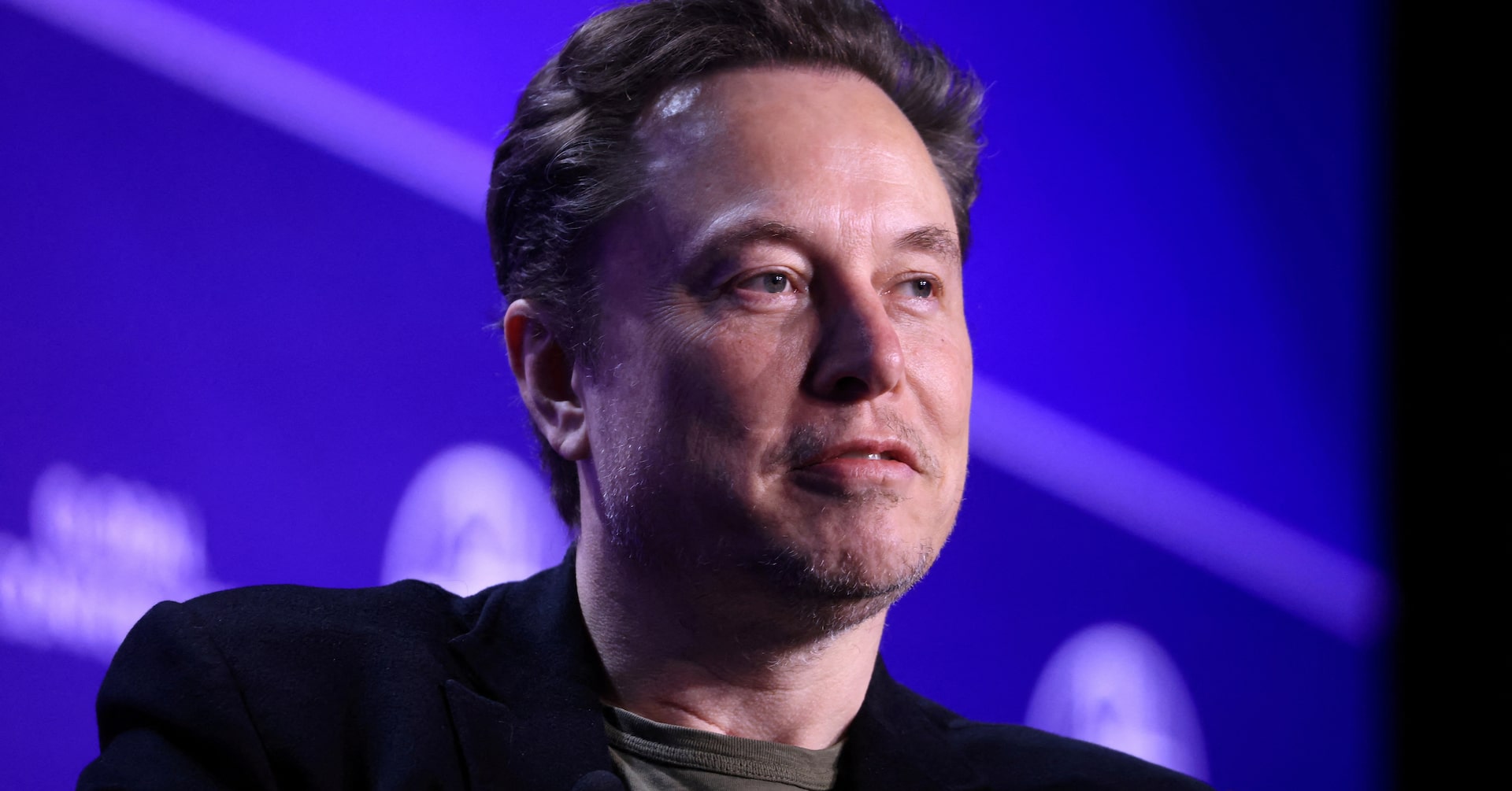
Mistral Explores Own Chip Design and AI Market Outlook
- Own Chip Design Exploration: Mistral CEO Arthur Mensch revealed for the first time that the company is exploring the possibility of designing its own chips, aiming to enhance control over its technology stack, thereby improving the performance and efficiency of its AI models, similar to strategies employed by Google and Amazon.
- Enterprise AI Rollout: Mistral is focusing on promoting AI across various industries, particularly through its product called Vibe, which combines a chatbot with coding tools, driving automation in business processes and expected to change organizational structures and workflows.
- Market Value Creation Potential: Mensch noted that there is still a lot of “viscosity” in AI adoption among enterprises, indicating significant opportunities for value creation, and businesses should reassess processes related to AI systems to achieve greater efficiency and innovation.
- Data Center Construction: Mistral is building data centers to support the operation of its AI models, heavily relying on Nvidia chips; this initiative not only enhances computational capabilities but also lays the groundwork for future technological expansion, demonstrating the company's long-term commitment to the AI market.
See More

SpaceX IPO Sets Record with $75 Billion Raised
- Historic IPO: SpaceX priced its IPO at $135 per share, raising approximately $75 billion by selling 555.6 million shares, making it the largest IPO in U.S. history and significantly boosting the company's valuation to $1.77 trillion.
- Market Rebound: U.S. stock indices surged as hopes for a resolution in the U.S.-Iran conflict led to a 1.8% rise in the S&P 500, a 3.3% increase in the Nasdaq 100, and a 1.9% gain in the Dow Jones, reflecting investor optimism about market prospects.
- Tech Stocks Lead Gains: Technology stocks saw significant gains, with Nvidia, Google, and Amazon all rising, and Micron Technology leading with an 11.6% increase, indicating strong confidence in the tech sector's performance.
- Oil Price Decline Impact: Following Trump's announcement to cancel military strikes against Iran, West Texas Intermediate crude futures fell 2.58%, alleviating inflation concerns and providing support for recovery in other sectors.
See More
ASML Becomes First European Company to Exceed $700B Market Value
- Milestone Valuation: ASML has become the first publicly traded company in European history to surpass a $700 billion market value, with its stock climbing over 4% to approximately $1,830 on Tuesday, reflecting investor recognition of its central role in the AI-driven semiconductor boom.
- Strong Earnings Support: The company reported €8.8 billion in sales and a 53% gross margin for Q1 2026, both at the high end of guidance, while raising its full-year sales outlook to €36 billion to €40 billion, further solidifying bullish market sentiment.
- Institutional Interest: The Baron Opportunity Fund initiated a position in ASML during Q1, indicating strong institutional interest, especially following direct discussions with Elon Musk regarding the proposed $119 billion TeraFab semiconductor project, which enhances future demand expectations for ASML's EUV machines.
- Technical Trend Analysis: While ASML's stock remains in a long-term uptrend with support levels near $1,650, analysts express caution regarding delays in High-NA EUV adoption and geopolitical risks, indicating market uncertainty about future developments.
See More
ASML Options Trading Analysis and Yield Potential
- Put Option Appeal: The current bid for the $1360.00 put option is $282.00, and if an investor sells this option, they commit to buying the stock at $1360.00, resulting in a cost basis of $1078.00, which represents a 27% discount to the current price of $1871.70, making it an attractive entry point.
- Yield Potential Analysis: Should the put option expire worthless, the investor could achieve a 20.74% return on the cash commitment, or an annualized yield of 8.25%, highlighting the YieldBoost potential of this strategy, appealing to cost-conscious investors.
- Call Option Returns: The $2340.00 call option currently bids at $566.00, and if an investor buys ASML shares at $1871.70 and sells this call option, the total return could reach 55.26% if the stock is called away at the December 2028 expiration, indicating strong profit potential.
- Risk and Opportunity: Given that the $2340.00 strike price represents a 25% premium over the current stock price, with a 39% chance of the call option expiring worthless, investors could retain both their shares and the premium collected, further enhancing the investment's YieldBoost.
See More
SpaceX IPO Sets Record, Musk Becomes First Trillionaire
- Record IPO Size: SpaceX plans to sell 555.6 million shares at $135 each, aiming to raise $75 billion and achieving a valuation of $1.77 trillion, marking one of the largest IPOs in Wall Street history that is likely to attract significant investor interest.
- Musk's Wealth Surge: This IPO will make Elon Musk the world's first trillionaire, expected to create thousands of new millionaires and several new billionaires, further solidifying his leadership position in the tech industry.
- Market Reaction Expectations: While the IPO is not anticipated to break the bull market, it will test Wall Street's valuation standards for emerging
See More
Mistral Raises Over $100 Million to Compete in AI Market
- Funding Achievement: Mistral successfully raised over $100 million within just four weeks of its inception, despite having no product or marketing efforts, which provides a solid foundation for its entry into the competitive AI market.
- Strategic Positioning: Mistral aims to establish itself as a European leader in AI by building data centers and focusing on enterprise-level AI deployment, enhancing its competitiveness against global players like OpenAI and Anthropic.
- Technological Development: The company not only relies on Nvidia chips but also revealed its exploration of designing its own chips for the first time, a move aimed at increasing its technological autonomy and reducing dependence on external suppliers.
- Market Outlook: Although CEO Mensch noted that there is still resistance to AI adoption within enterprises, he believes this presents significant opportunities for future value creation, indicating the company's long-term growth potential in the AI sector.
See More
Mistral Explores Own Chip Design and AI Market Outlook
- Own Chip Design Exploration: Mistral CEO Arthur Mensch revealed for the first time that the company is exploring the possibility of designing its own chips, aiming to enhance control over its technology stack, thereby improving the performance and efficiency of its AI models, similar to strategies employed by Google and Amazon.
- Enterprise AI Rollout: Mistral is focusing on promoting AI across various industries, particularly through its product called Vibe, which combines a chatbot with coding tools, driving automation in business processes and expected to change organizational structures and workflows.
- Market Value Creation Potential: Mensch noted that there is still a lot of “viscosity” in AI adoption among enterprises, indicating significant opportunities for value creation, and businesses should reassess processes related to AI systems to achieve greater efficiency and innovation.
- Data Center Construction: Mistral is building data centers to support the operation of its AI models, heavily relying on Nvidia chips; this initiative not only enhances computational capabilities but also lays the groundwork for future technological expansion, demonstrating the company's long-term commitment to the AI market.
See More
SpaceX IPO Sets Record with $75 Billion Raised
- Historic IPO: SpaceX priced its IPO at $135 per share, raising approximately $75 billion by selling 555.6 million shares, making it the largest IPO in U.S. history and significantly boosting the company's valuation to $1.77 trillion.
- Market Rebound: U.S. stock indices surged as hopes for a resolution in the U.S.-Iran conflict led to a 1.8% rise in the S&P 500, a 3.3% increase in the Nasdaq 100, and a 1.9% gain in the Dow Jones, reflecting investor optimism about market prospects.
- Tech Stocks Lead Gains: Technology stocks saw significant gains, with Nvidia, Google, and Amazon all rising, and Micron Technology leading with an 11.6% increase, indicating strong confidence in the tech sector's performance.
- Oil Price Decline Impact: Following Trump's announcement to cancel military strikes against Iran, West Texas Intermediate crude futures fell 2.58%, alleviating inflation concerns and providing support for recovery in other sectors.
See More




