

Arm Unveils New AI Chip, Forecasts $15 Billion Revenue by 2031
Written by Emily J. Thompson, Senior Investment Analyst
Updated: Mar 24 2026
0mins

Source: CNBC
- Revenue Expectations Surge: Arm CEO Rene Haas announced that the company expects annual revenue to reach $25 billion by 2031, with the new AI chip projected to contribute $15 billion, representing over a sixfold increase from 2025 revenue, highlighting strong growth potential in a rapidly evolving market.
- New Chip Market Positioning: The Arm AGI CPU is optimized for AI inference, marking a significant shift as the company enters direct competition with its customers, expected to be sold at approximately a 50% gross margin, thereby broadening the market and providing existing customers with more choices, enhancing profitability.
- Demand Surge Prediction: Haas predicts a fourfold increase in demand for CPUs driven by the rise of agentic AI, indicating a pressing market need for high-performance computing that may exceed current expectations, further propelling Arm's business growth.
- Strategic Shift in Competition: Arm is transitioning from its traditional licensing and royalty revenue model to direct chip sales; while specific pricing remains undisclosed, analysts estimate it will be competitively priced to attract companies unable to produce their own processors, opening new market opportunities.
Trade with 70% Backtested Accuracy
Stop guessing "Should I Buy INTC?" and start using high-conviction signals backed by rigorous historical data.
Sign up today to access powerful investing tools and make smarter, data-driven decisions.
Analyst Views on INTC
Wall Street analysts forecast INTC stock price to fall
29 Analyst Rating
5 Buy
19 Hold
5 Sell
Hold
Current: 140.940

Low
20.00
Averages
39.30
High
52.00
Current: 140.940
Low
20.00
Averages
39.30
High
52.00
About INTC
Intel Corporation is a global designer and manufacturer of semiconductor products. The Company's segments include Intel Products, Intel Foundry, and All Other. Its Intel Products comprise Client Computing Group (CCG) and Data Center and AI (DCAI). CCG delivers platforms and processors that power PCs and edge devices, enabling enhanced performance, connectivity and user experience for consumer and commercial markets with capabilities that also support retail, industrial robotics and AI ecosystems at the edge. DCAI delivers workload-optimized solutions based upon its x86 architecture for data centers, including CPUs, AI accelerators, NICs, IPUs and custom ASICs, enabling performance and scalability for cloud, enterprise, telecommunication and HPC environments. The Intel Foundry segment comprises technology development, manufacturing and foundry services, developing new semiconductor process technologies and advanced packaging technologies. All Other segments include Mobileye and Other.
About the author

Emily J. Thompson
Emily J. Thompson, a Chartered Financial Analyst (CFA) with 12 years in investment research, graduated with honors from the Wharton School. Specializing in industrial and technology stocks, she provides in-depth analysis for Intellectia’s earnings and market brief reports.
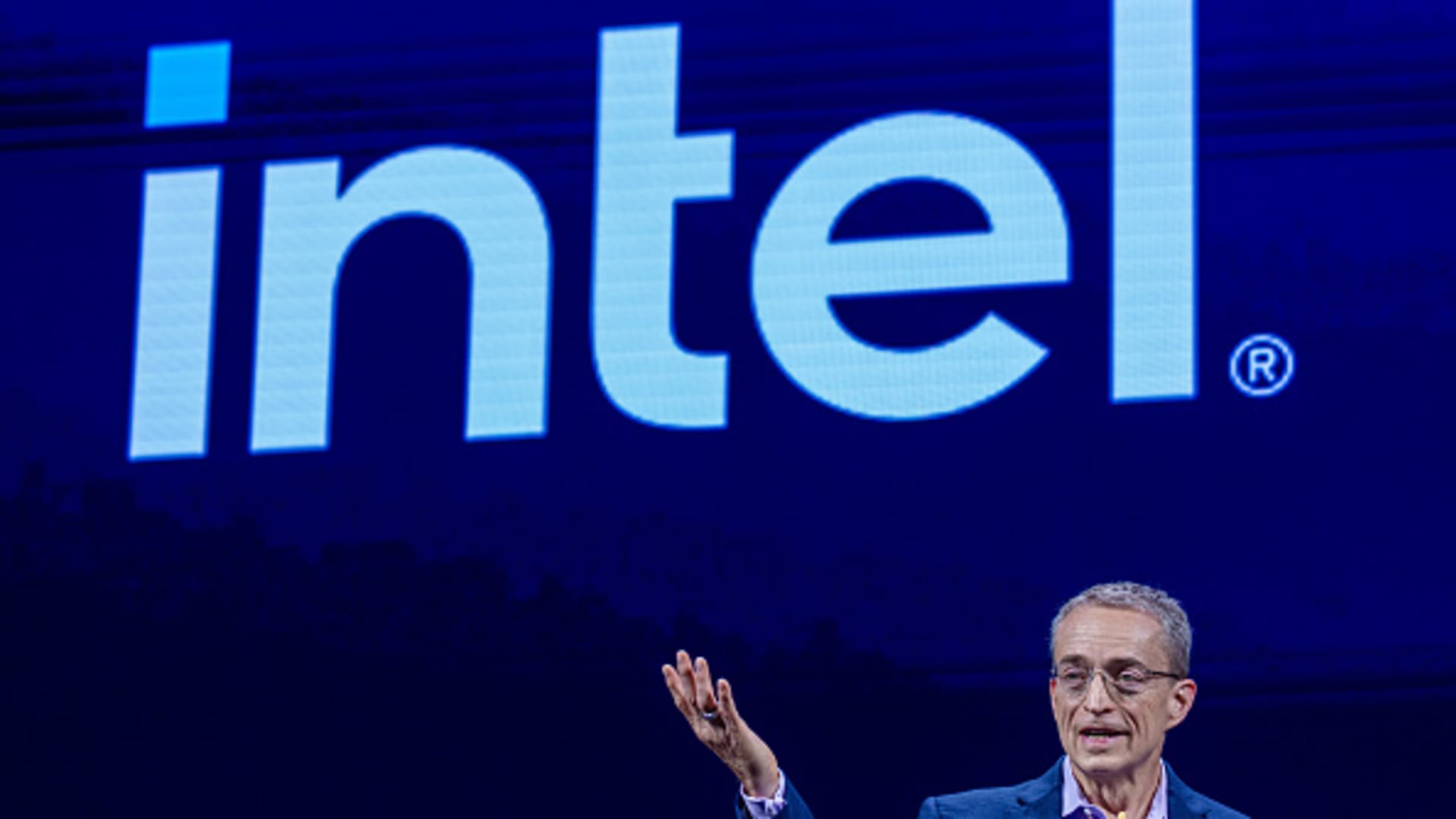
Intel's Resurgence in the AI Era

- Stock Price Momentum: Intel's stock has surged by 263% this year, primarily driven by strategic investments from Nvidia and the U.S. government, which not only boosts market confidence but also enhances the company's competitive edge in the AI sector.
- Growing CPU Demand: As agentic AI workloads increase, Intel's legacy CPU business is becoming increasingly relevant, expected to drive demand for its server CPUs and position the company favorably within the AI infrastructure landscape.
- Foundry Business Improvement: Intel's foundry business generated $5.4 billion in revenue in Q1, a 16% year-over-year increase, and although external foundry revenue remains small, its nearly sixfold annual growth indicates rising demand for its leading-edge process nodes.
- Shifting Market Dynamics: With the mass adoption of AI applications, Intel's balanced demand for CPUs and GPUs may provide a competitive advantage, particularly in attracting more customers by reducing reliance on overseas foundry partners.
See More

US Stocks Plummet Sharply, Tech Sector Under Pressure


- Market Downtrend: The S&P 500 index fell by 1.26%, the Dow Jones Industrial Average by 0.30%, and the Nasdaq 100 by 2.69%, reflecting investor concerns over high valuations in tech stocks, leading to a global sell-off, particularly in chip and memory sectors.
- Asian Market Impact: Japan's Nikkei index dropped over 3%, while South Korea's Kospi index fell more than 10%, with foreign investors offloading over $2.5 billion in Kospi shares, triggering forced liquidations among retail investors and exacerbating market turmoil.
- Economic Data Support: Despite the stock market decline, the June S&P manufacturing PMI unexpectedly rose by 0.6 to 55.7, surpassing expectations, indicating economic resilience that could provide future market support.
- Bond Market Reaction: In response to the sharp equity sell-off, the 10-year Treasury note yield decreased by 2.2 basis points to 4.487%, indicating increased demand for safe assets, while easing inflation expectations saw the 10-year breakeven inflation rate drop to a six-month low of 2.217%.
See More

South Korean Tech Selloff Pressures US Stocks

- South Korean Tech Selloff: Following SK Hynix surpassing Samsung Electronics as South Korea's most valuable listed company, a sharp selloff in South Korean tech stocks led to a roughly 10% retreat in the KOSPI index after hitting a record high, creating near-term pressure on U.S. tech shares.
- US Tech Stock Performance: The selloff impacted U.S. semiconductor stocks like Micron, Intel, and AMD, which plummeted between 8% to 10% in early trading, while the Nasdaq Composite fell over 2%, indicating significant market volatility amid these developments.
- Analyst Perspectives: Dan Ives from Wedbush remains bullish on AI stocks, asserting that short-term volatility does not alter the long-term investment thesis for leading AI companies, suggesting that the current market dynamics reflect profit-taking rather than a deterioration in fundamentals.
- Market Healthiness: Morgan Stanley's Andrew Slimmon described the semiconductor selloff as 'healthy,' arguing it helps to purge speculators from the market, while cautioning against excessive optimism despite the Nasdaq 100's 17% year-to-date surge.
See More

Market Update: Semiconductor and AI Stocks Decline Amid Concerns


- Nasdaq Futures Decline: Nasdaq futures are down about 2.5% this morning, heavily influenced by a 10% plunge in South Korea's stock market, with semiconductor and AI stocks experiencing the largest declines, reflecting growing concerns about the returns from AI spending.
- Bank of America Raises Chip Price Targets: Bank of America raised its price target for hold-rated Arm from $335 to $460, and Intel's target from $135 to $160, indicating increased analyst confidence in the semiconductor sector.
- SpaceX Coverage Initiated: Susquehanna initiated coverage of SpaceX with a hold rating and a $170 price target, noting that the company's markets are relatively unproven and recommending investors wait for a better entry point.
- Nike Downgraded: Evercore ISI downgraded Nike from buy to hold, expressing concerns that management may once again cut numbers, forcing Wall Street to reset its expectations ahead of the upcoming earnings report.
See More

Global Tech Stocks Sell Off; Eli Lilly Gains Favor


- Tech Stock Sell-Off: Global tech stocks are experiencing a sell-off, with European equities following suit and chip stocks leading the declines, indicating investor concerns that could impact market confidence and capital flows.
- Eli Lilly's Strong Performance: Eli Lilly's shares have surged over 400% in the last five years, primarily driven by the success of its weight-loss drug Mounjaro, although growth has stalled this year at just over 2%, yet its prospects in biotech remain promising.
- Market Diversification Trend: Fund manager Tom Hulick suggests investors should consider rotating out of AI stocks and focus on value stocks in biotech and GLP drugs, anticipating a pickup in small-cap stocks, reflecting a demand for diversified investments.
- GE Vernova and Panasonic Outlook: Hulick highlights GE Vernova's strong earnings momentum in the power sector, while Panasonic's backup battery systems and supercapacitors are noted for their potential to manage energy more efficiently, underscoring the importance of renewable energy technologies.
See More

Tech Stocks Under Pressure as Market Outlook Remains Uncertain

- Intel Stock Decline: Despite Bank of America raising its price target, Intel (INTC) shares fell 6% in premarket trading, indicating a lack of investor confidence in the chipmaker and reflecting broader concerns about technology stocks.
- Optimistic Semiconductor Outlook: Bank of America increased the semiconductor industry's total addressable market estimate from $2.3 trillion to $2.7 trillion, citing extended visibility into AI-related spending through 2028, which could present long-term growth opportunities for the sector.
- Take-Two Stock Increase: Take-Two Interactive (TTWO) shares rose 1.4% in premarket trading after Bank of America raised its forecasts for Grand Theft Auto 6 Online, increasing its fiscal 2028 bookings estimate from $1.3 billion to $2.2 billion, reflecting strong demand in the gaming market.
- Pfizer Drug Setback: Pfizer (PFE) shares slipped 0.8% in premarket trading after reporting a setback for a lung cancer therapy acquired through its $43 billion purchase of Seagen, as the drug failed to meet primary endpoints in a Phase 3 trial, potentially impacting its future market performance.
See More
Intel's Resurgence in the AI Era
- Stock Price Momentum: Intel's stock has surged by 263% this year, primarily driven by strategic investments from Nvidia and the U.S. government, which not only boosts market confidence but also enhances the company's competitive edge in the AI sector.
- Growing CPU Demand: As agentic AI workloads increase, Intel's legacy CPU business is becoming increasingly relevant, expected to drive demand for its server CPUs and position the company favorably within the AI infrastructure landscape.
- Foundry Business Improvement: Intel's foundry business generated $5.4 billion in revenue in Q1, a 16% year-over-year increase, and although external foundry revenue remains small, its nearly sixfold annual growth indicates rising demand for its leading-edge process nodes.
- Shifting Market Dynamics: With the mass adoption of AI applications, Intel's balanced demand for CPUs and GPUs may provide a competitive advantage, particularly in attracting more customers by reducing reliance on overseas foundry partners.
See More
US Stocks Plummet Sharply, Tech Sector Under Pressure
- Market Downtrend: The S&P 500 index fell by 1.26%, the Dow Jones Industrial Average by 0.30%, and the Nasdaq 100 by 2.69%, reflecting investor concerns over high valuations in tech stocks, leading to a global sell-off, particularly in chip and memory sectors.
- Asian Market Impact: Japan's Nikkei index dropped over 3%, while South Korea's Kospi index fell more than 10%, with foreign investors offloading over $2.5 billion in Kospi shares, triggering forced liquidations among retail investors and exacerbating market turmoil.
- Economic Data Support: Despite the stock market decline, the June S&P manufacturing PMI unexpectedly rose by 0.6 to 55.7, surpassing expectations, indicating economic resilience that could provide future market support.
- Bond Market Reaction: In response to the sharp equity sell-off, the 10-year Treasury note yield decreased by 2.2 basis points to 4.487%, indicating increased demand for safe assets, while easing inflation expectations saw the 10-year breakeven inflation rate drop to a six-month low of 2.217%.
See More
South Korean Tech Selloff Pressures US Stocks
- South Korean Tech Selloff: Following SK Hynix surpassing Samsung Electronics as South Korea's most valuable listed company, a sharp selloff in South Korean tech stocks led to a roughly 10% retreat in the KOSPI index after hitting a record high, creating near-term pressure on U.S. tech shares.
- US Tech Stock Performance: The selloff impacted U.S. semiconductor stocks like Micron, Intel, and AMD, which plummeted between 8% to 10% in early trading, while the Nasdaq Composite fell over 2%, indicating significant market volatility amid these developments.
- Analyst Perspectives: Dan Ives from Wedbush remains bullish on AI stocks, asserting that short-term volatility does not alter the long-term investment thesis for leading AI companies, suggesting that the current market dynamics reflect profit-taking rather than a deterioration in fundamentals.
- Market Healthiness: Morgan Stanley's Andrew Slimmon described the semiconductor selloff as 'healthy,' arguing it helps to purge speculators from the market, while cautioning against excessive optimism despite the Nasdaq 100's 17% year-to-date surge.
See More
Market Update: Semiconductor and AI Stocks Decline Amid Concerns
- Nasdaq Futures Decline: Nasdaq futures are down about 2.5% this morning, heavily influenced by a 10% plunge in South Korea's stock market, with semiconductor and AI stocks experiencing the largest declines, reflecting growing concerns about the returns from AI spending.
- Bank of America Raises Chip Price Targets: Bank of America raised its price target for hold-rated Arm from $335 to $460, and Intel's target from $135 to $160, indicating increased analyst confidence in the semiconductor sector.
- SpaceX Coverage Initiated: Susquehanna initiated coverage of SpaceX with a hold rating and a $170 price target, noting that the company's markets are relatively unproven and recommending investors wait for a better entry point.
- Nike Downgraded: Evercore ISI downgraded Nike from buy to hold, expressing concerns that management may once again cut numbers, forcing Wall Street to reset its expectations ahead of the upcoming earnings report.
See More
Global Tech Stocks Sell Off; Eli Lilly Gains Favor
- Tech Stock Sell-Off: Global tech stocks are experiencing a sell-off, with European equities following suit and chip stocks leading the declines, indicating investor concerns that could impact market confidence and capital flows.
- Eli Lilly's Strong Performance: Eli Lilly's shares have surged over 400% in the last five years, primarily driven by the success of its weight-loss drug Mounjaro, although growth has stalled this year at just over 2%, yet its prospects in biotech remain promising.
- Market Diversification Trend: Fund manager Tom Hulick suggests investors should consider rotating out of AI stocks and focus on value stocks in biotech and GLP drugs, anticipating a pickup in small-cap stocks, reflecting a demand for diversified investments.
- GE Vernova and Panasonic Outlook: Hulick highlights GE Vernova's strong earnings momentum in the power sector, while Panasonic's backup battery systems and supercapacitors are noted for their potential to manage energy more efficiently, underscoring the importance of renewable energy technologies.
See More
Tech Stocks Under Pressure as Market Outlook Remains Uncertain
- Intel Stock Decline: Despite Bank of America raising its price target, Intel (INTC) shares fell 6% in premarket trading, indicating a lack of investor confidence in the chipmaker and reflecting broader concerns about technology stocks.
- Optimistic Semiconductor Outlook: Bank of America increased the semiconductor industry's total addressable market estimate from $2.3 trillion to $2.7 trillion, citing extended visibility into AI-related spending through 2028, which could present long-term growth opportunities for the sector.
- Take-Two Stock Increase: Take-Two Interactive (TTWO) shares rose 1.4% in premarket trading after Bank of America raised its forecasts for Grand Theft Auto 6 Online, increasing its fiscal 2028 bookings estimate from $1.3 billion to $2.2 billion, reflecting strong demand in the gaming market.
- Pfizer Drug Setback: Pfizer (PFE) shares slipped 0.8% in premarket trading after reporting a setback for a lung cancer therapy acquired through its $43 billion purchase of Seagen, as the drug failed to meet primary endpoints in a Phase 3 trial, potentially impacting its future market performance.
See More




