Ares Halts Redemptions as Private Credit Funds Experience Increased Investor Withdrawals
Private Credit Firms Struggling: Private credit firms, including Blue Owl Capital, experienced significant investor withdrawals last year.
Ares Management's Resilience: Ares Management Corp. managed to navigate the challenges in the industry successfully until recently.
Trade with 70% Backtested Accuracy
Analyst Views on OBDC

About OBDC
About the author


VanEck BDC Income ETF Underperforms in Trading


- ETF Performance Decline: The VanEck BDC Income ETF fell approximately 4.7% in Wednesday afternoon trading, indicating a weak performance in the market that may affect investor confidence and lead to capital outflows.
- Weak Component Stocks: Among the ETF's components, Blue Owl Technology Finance saw a decline of about 3.8%, while Blue Owl Capital dropped by approximately 2.3%, reflecting market pressures and potential profitability issues for these companies.
- Market Sentiment Impact: The overall decline of the ETF may be influenced by market sentiment, as investor concerns about economic outlook could lead to increased risk aversion, thereby affecting the performance of related stocks.
- Investor Focus Shift: With the ETF underperforming, investors may reassess their portfolios, considering whether to continue holding these component stocks or seek alternative investments with greater growth potential.

BLUE OWL CREDIT INCOME CORP: DEBT INVESTMENTS IN 347 PORTFOLIO COMPANIES TOTALING $34.21 BILLION AS OF FEBRUARY 28


- Company Overview: Blue Owl Credit Income Corp. has made investments in 347 portfolio companies.
- Investment Value: The aggregate par value of these investments is reported to be $34.21 billion as of February 28.

Blue Owl Capital Remains Optimistic on Private Credit Outlook

- Stable Default Rates: Doug Ostrover, co-CEO of Blue Owl Capital, stated at the Asia Pacific Financial and Innovation Symposium that there are no signs of rising defaults in their loan book, indicating the company's robust performance in the private credit sector.
- Revenue Growth Expectations: Ostrover noted that the current portfolio is experiencing revenue growth in the range of 8% to 10%, demonstrating the company's ability to maintain substantial profitability amid market fluctuations, which boosts investor confidence.
- Market Sentiment Rebound: Despite recent redemption waves faced by several private credit managers, Ostrover emphasized that the performance of portfolio companies remains solid, reflecting the potential resilience of the private credit market and paving the way for future investment opportunities.
- Communication Gaps: Ostrover mentioned that the industry has fallen short in clearly explaining liquidity restrictions to retail and high-net-worth investors, stressing the need for improved communication with advisors to enhance investor understanding and trust in private credit products.

Analysis of Blue Owl Capital's 40% Stock Decline
- Portfolio Overview: Blue Owl Capital has invested in 234 companies within its $16.5 billion portfolio, allocating 79% to senior secured investments, which positions it ahead of unsecured creditors in bankruptcy situations, although its net asset value per share has only slightly increased from $14.74 in 2020 to $14.81 in 2025.
- Stock Price Decline Reasons: The stock price of Blue Owl has plummeted over 40% from its peak, primarily due to projected earnings per share (EPS) declining by 14% to $1.32, falling short of its forward dividend rate of $1.51 per share, raising investor concerns about its future profitability.
- Market Reaction: Investor panic was triggered when a related non-traded fund restricted withdrawals and sold approximately $1.4 billion in loans, exacerbating distrust in Blue Owl's stock, even though its current price of $11 is below its latest net asset value per share.
- Future Outlook: Although Blue Owl's earnings could recover if interest rates rise abruptly, the company-specific challenges and market uncertainties suggest that analysts recommend avoiding investment in the stock until more positive signals emerge.
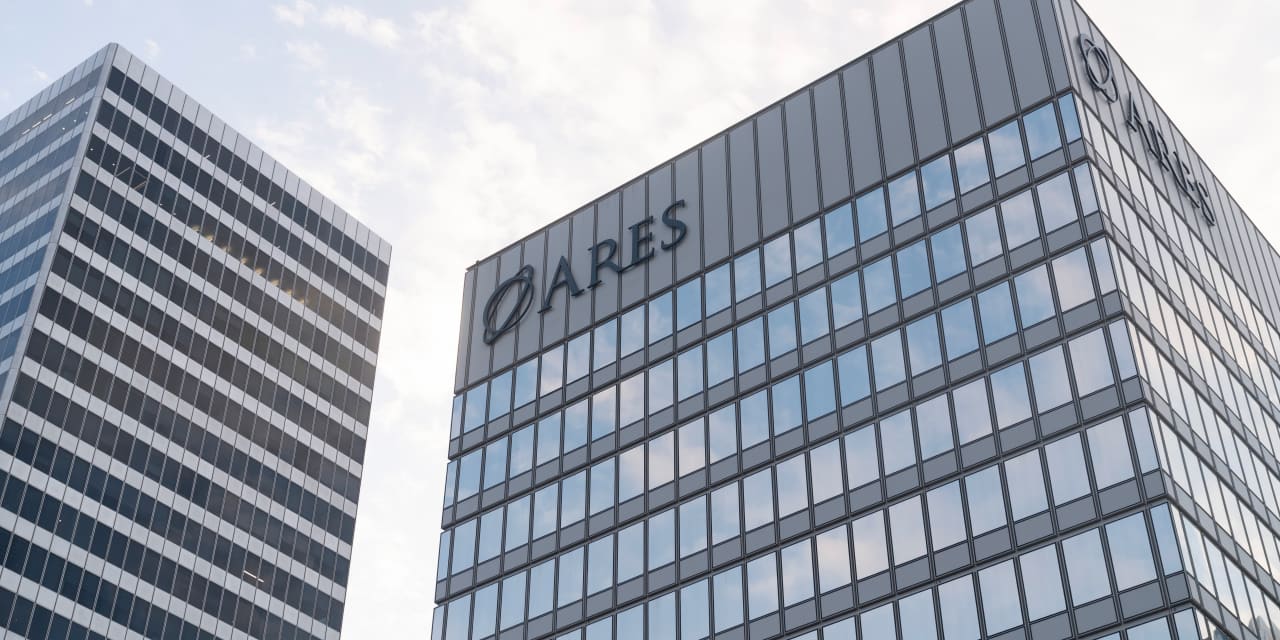
Ares Halts Redemptions as Private Credit Funds Experience Increased Investor Withdrawals
Private Credit Firms Struggling: Private credit firms, including Blue Owl Capital, experienced significant investor withdrawals last year.
Ares Management's Resilience: Ares Management Corp. managed to navigate the challenges in the industry successfully until recently.

Analysis and Outlook: Shaken Confidence

- Market Volatility: Stocks fluctuated throughout the day, alternating between gains and losses.
- Diplomatic Uncertainty: Investors were reacting to conflicting statements from the Trump administration and Iranian officials regarding potential back-channel diplomacy aimed at resolving the ongoing conflict.
VanEck BDC Income ETF Underperforms in Trading
- ETF Performance Decline: The VanEck BDC Income ETF fell approximately 4.7% in Wednesday afternoon trading, indicating a weak performance in the market that may affect investor confidence and lead to capital outflows.
- Weak Component Stocks: Among the ETF's components, Blue Owl Technology Finance saw a decline of about 3.8%, while Blue Owl Capital dropped by approximately 2.3%, reflecting market pressures and potential profitability issues for these companies.
- Market Sentiment Impact: The overall decline of the ETF may be influenced by market sentiment, as investor concerns about economic outlook could lead to increased risk aversion, thereby affecting the performance of related stocks.
- Investor Focus Shift: With the ETF underperforming, investors may reassess their portfolios, considering whether to continue holding these component stocks or seek alternative investments with greater growth potential.
BLUE OWL CREDIT INCOME CORP: DEBT INVESTMENTS IN 347 PORTFOLIO COMPANIES TOTALING $34.21 BILLION AS OF FEBRUARY 28
- Company Overview: Blue Owl Credit Income Corp. has made investments in 347 portfolio companies.
- Investment Value: The aggregate par value of these investments is reported to be $34.21 billion as of February 28.
Blue Owl Capital Remains Optimistic on Private Credit Outlook
- Stable Default Rates: Doug Ostrover, co-CEO of Blue Owl Capital, stated at the Asia Pacific Financial and Innovation Symposium that there are no signs of rising defaults in their loan book, indicating the company's robust performance in the private credit sector.
- Revenue Growth Expectations: Ostrover noted that the current portfolio is experiencing revenue growth in the range of 8% to 10%, demonstrating the company's ability to maintain substantial profitability amid market fluctuations, which boosts investor confidence.
- Market Sentiment Rebound: Despite recent redemption waves faced by several private credit managers, Ostrover emphasized that the performance of portfolio companies remains solid, reflecting the potential resilience of the private credit market and paving the way for future investment opportunities.
- Communication Gaps: Ostrover mentioned that the industry has fallen short in clearly explaining liquidity restrictions to retail and high-net-worth investors, stressing the need for improved communication with advisors to enhance investor understanding and trust in private credit products.
Analysis of Blue Owl Capital's 40% Stock Decline
- Portfolio Overview: Blue Owl Capital has invested in 234 companies within its $16.5 billion portfolio, allocating 79% to senior secured investments, which positions it ahead of unsecured creditors in bankruptcy situations, although its net asset value per share has only slightly increased from $14.74 in 2020 to $14.81 in 2025.
- Stock Price Decline Reasons: The stock price of Blue Owl has plummeted over 40% from its peak, primarily due to projected earnings per share (EPS) declining by 14% to $1.32, falling short of its forward dividend rate of $1.51 per share, raising investor concerns about its future profitability.
- Market Reaction: Investor panic was triggered when a related non-traded fund restricted withdrawals and sold approximately $1.4 billion in loans, exacerbating distrust in Blue Owl's stock, even though its current price of $11 is below its latest net asset value per share.
- Future Outlook: Although Blue Owl's earnings could recover if interest rates rise abruptly, the company-specific challenges and market uncertainties suggest that analysts recommend avoiding investment in the stock until more positive signals emerge.
Ares Halts Redemptions as Private Credit Funds Experience Increased Investor Withdrawals
Private Credit Firms Struggling: Private credit firms, including Blue Owl Capital, experienced significant investor withdrawals last year.
Ares Management's Resilience: Ares Management Corp. managed to navigate the challenges in the industry successfully until recently.
Analysis and Outlook: Shaken Confidence
- Market Volatility: Stocks fluctuated throughout the day, alternating between gains and losses.
- Diplomatic Uncertainty: Investors were reacting to conflicting statements from the Trump administration and Iranian officials regarding potential back-channel diplomacy aimed at resolving the ongoing conflict.