Apple's iPhone 17e Pricing Strategy Analysis
Written by Emily J. Thompson, Senior Investment Analyst
Updated: Mar 04 2026
0mins
Should l Buy AAPL?
Source: Fool
- Market Share Battle: In 2025, the iPhone became the top-selling smartphone, capturing 20% of the market share, and despite facing competitive pressures, Apple maintained high profits, demonstrating its strong competitive edge in the premium market.
- New Product Launch: At the spring event, Apple introduced the iPhone 17e with a starting price of $599, maintaining this price despite rising memory and storage chip costs, thereby attracting more consumers and enhancing market competitiveness.
- Supply Chain Advantage: Apple's strategy of securing multi-year agreements with suppliers allows it to manage price fluctuations effectively, ensuring production capacity and maintaining stable product pricing in a high-cost environment, further solidifying its market position.
- Long-term Shareholder Benefits: The pricing strategy of the iPhone 17e will enhance Apple's competitiveness in price-sensitive markets, likely attracting more users into the Apple ecosystem, which will promote sales of subsequent products and services, ultimately benefiting shareholders in the long run.
Trade with 70% Backtested Accuracy
Stop guessing "Should I Buy AAPL?" and start using high-conviction signals backed by rigorous historical data.
Sign up today to access powerful investing tools and make smarter, data-driven decisions.
Analyst Views on AAPL
Wall Street analysts forecast AAPL stock price to rise
27 Analyst Rating
17 Buy
9 Hold
1 Sell
Moderate Buy
Current: 255.630

Low
239.00
Averages
306.89
High
350.00
Current: 255.630
Low
239.00
Averages
306.89
High
350.00
About AAPL
Apple Inc. designs, manufactures and markets smartphones, personal computers, tablets, wearables and accessories, and sells a variety of related services. Its product categories include iPhone, Mac, iPad, and Wearables, Home and Accessories. Its software platforms include iOS, iPadOS, macOS, watchOS, visionOS, and tvOS. Its services include advertising, AppleCare, cloud services, digital content and payment services. The Company operates various platforms, including the App Store, that allow customers to discover and download applications and digital content, such as books, music, video, games and podcasts. It also offers digital content through subscription-based services, including Apple Arcade, Apple Fitness+, Apple Music, Apple News+, and Apple TV+. Its products include iPhone 16 Pro, iPhone 16, iPhone 15, iPhone 14, iPhone SE, MacBook Air, MacBook Pro, iMac, Mac mini, Mac Studio, Mac Pro, iPad Pro, iPad Air, AirPods, AirPods Pro, AirPods Max, Apple TV, Apple Vision Pro and others.
About the author

Emily J. Thompson
Emily J. Thompson, a Chartered Financial Analyst (CFA) with 12 years in investment research, graduated with honors from the Wharton School. Specializing in industrial and technology stocks, she provides in-depth analysis for Intellectia’s earnings and market brief reports.

Apple's 50th Anniversary: iPhone Leads Future Prospects

- Market Share Advantage: The iPhone commands a market share of 50% to 65% in the U.S. and approximately 32% globally, solidifying Apple's dominance in the smartphone sector and enhancing its brand influence and user loyalty.
- Ecosystem Expansion: With 2.5 billion active iOS devices, Apple's seamless integration of hardware and software enhances user experience and promotes high-margin cross-selling, ensuring a long-term customer base and revenue growth.
- Strong Financial Performance: Apple generated over $123 billion in free cash flow over the past four quarters, achieving a 68% return on invested capital, demonstrating its efficient supply chain management and profitability, which further supports stock buybacks and dividend growth.
- Future Product Development: Apple is developing new hardware products like the MacBook Neo and AI glasses, indicating its commitment to continuous innovation, which not only helps maintain market competitiveness but may also open new revenue streams.
See More

Apple Celebrates 50 Years: A Journey from Garage to $3.8 Trillion
- Staggering Returns: Since its IPO in 1980, Apple investors have seen returns exceeding 254,650%, meaning a $2,000 investment would now be worth over $5.18 million, highlighting the immense potential of long-term holding.
- Impact of Stock Splits: Apple's five stock splits have reduced the effective IPO price from $22 per share to just $0.10, significantly increasing the number of shares held by investors and reflecting the company's robust market performance.
- Market Position Consolidation: Following the launch of the iPhone in 2007, Apple successfully led the smartphone industry, becoming a cornerstone of modern technology and driving its market capitalization to $3.8 trillion, showcasing its dominance in the global market.
- Investor Mindset Shift: While Apple's success has attracted many investors, historical examples like Groupon and MySpace remind us of the importance of diversification to mitigate risks and increase the chances of holding quality stocks.
See More

Apple Celebrates 50 Years: Unprecedented Investment Returns
- Shareholder Rewards: Since its IPO in 1980, Apple's stock price has surged from $22 to $254.65, with five stock splits reducing the effective purchase price to just $0.10, resulting in an astonishing 254,650% return over 45 years.
- Significant Investment Value: A $2,000 investment in Apple at its IPO would now be worth over $5.18 million, highlighting the immense growth potential and appeal of Apple as a market leader.
- Industry Influence: Since launching the first iPhone in 2007, Apple has driven rapid growth in the smartphone industry, establishing itself as a global tech giant and transforming consumer lifestyles, thereby solidifying its market position.
- Investor Mindset: Despite Apple's stellar performance, investors should remain rational and diversify their portfolios to mitigate risks, as there are other companies that have failed, underscoring the importance of diversified investing.
See More

Apple Celebrates 50 Years: Astounding Investment Returns

- Staggering Investment Returns: Since its IPO in 1980 at $22 per share, Apple's stock has surged to $254.65, with five stock splits resulting in an effective return of over 254,650%, showcasing its exceptional performance as an investment.
- Wealth of Early Investors: A $2,000 investment in Apple at its IPO would be worth over $5.18 million today, highlighting the immense potential of long-term holding and Apple's dominance in the tech industry.
- Market Leadership: Since the launch of the first iPhone in 2007, Apple has not only led the smartphone industry but also accelerated the rapid development of mobile technology, becoming one of the world's most valuable companies with a market cap of $3.8 trillion.
- Investment Strategy Reflection: Despite Apple's outstanding performance, analysts advise investors to diversify their stock holdings to mitigate risks associated with single investments, emphasizing the importance of holding a variety of stocks in the market.
See More
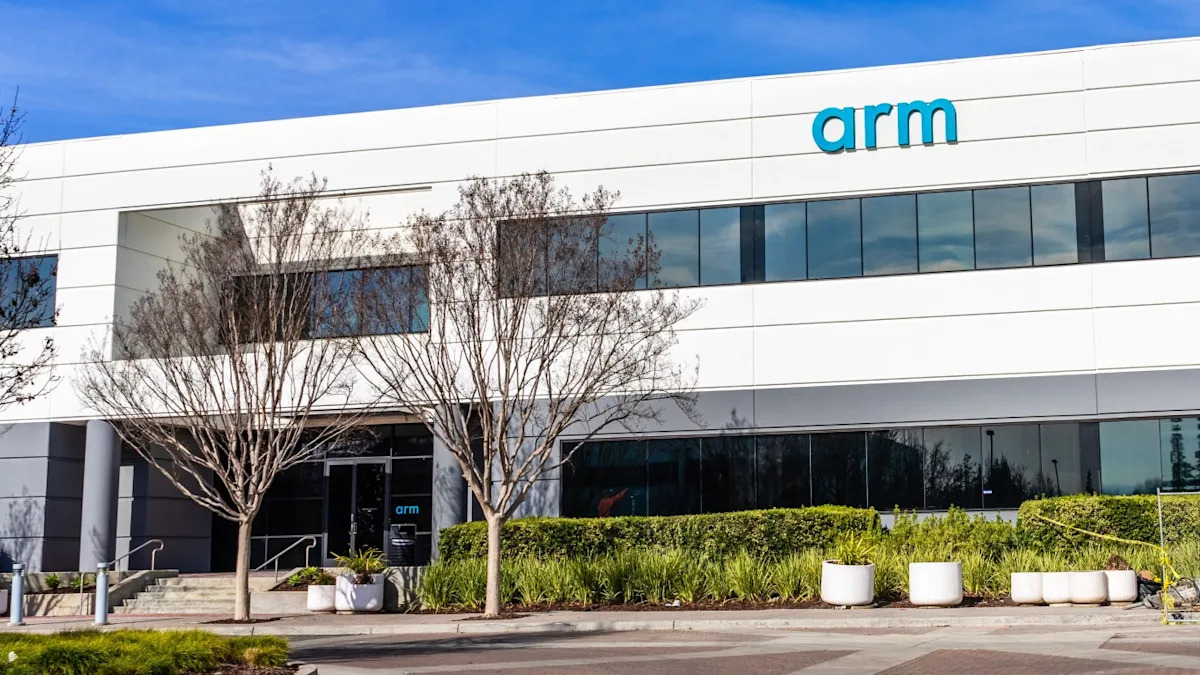
Arm Holdings' AGI CPU Sparks Market Excitement

- Increased Market Competition: Arm Holdings' launch of the AGI CPU aims to compete with custom chips from tech giants like Meta and OpenAI, marking the company's rise in the efficient inference chip market and potentially boosting its market share significantly.
- Capital Expenditure Potential: With AI capital expenditures projected to reach $700 billion in 2023, Arm is poised to capture a significant share of this spending through its efficient CPU designs, driving revenue growth for the company.
- Technological Advantage: The AGI CPU from Arm is seen as a highly efficient chip tailored for specific inference tasks, which may attract more companies to adopt it, further solidifying its position in the AI chip market.
- Industry Trend Shift: As firms shift focus from energy-intensive GPU training to efficient CPU inference, Arm's market positioning is likely to enable it to capture more market share over the next decade, particularly within the capital expenditures of major tech companies.
See More
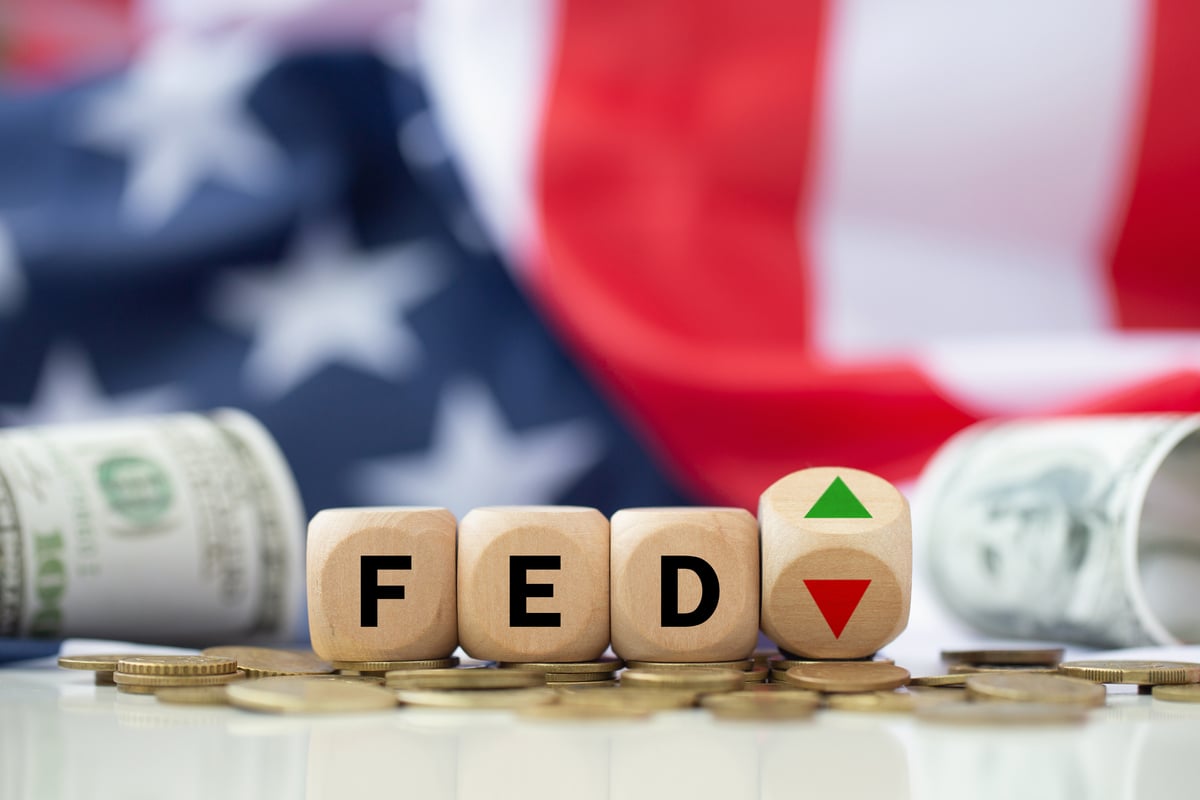
Federal Reserve Holds Rates Steady, Investors Should Stay Calm
- Rate Decision Stability: The Federal Reserve decided to keep the federal funds rate unchanged at 3.5% to 3.75% during its March 18 meeting, reflecting a cautious stance towards the economy, which may influence investor decisions.
- Market Reaction Uncertainty: Investors attempting to predict the Fed's interest rate direction often fail, as market reactions are unpredictable; ongoing economic uncertainties can lead investors to make detrimental decisions.
- High-Quality Companies' Resilience: High-quality firms like Apple (AAPL), which had $54 billion in net cash at the end of 2025 and reported a net income of $42.1 billion in Q1 2026, demonstrate strong financial health, making them less susceptible to Fed decisions.
- Long-Term Investment Strategy: Long-term investors should focus on high-quality companies and avoid hasty decisions driven by short-term market fluctuations, thereby achieving better investment returns.
See More
Apple's 50th Anniversary: iPhone Leads Future Prospects
- Market Share Advantage: The iPhone commands a market share of 50% to 65% in the U.S. and approximately 32% globally, solidifying Apple's dominance in the smartphone sector and enhancing its brand influence and user loyalty.
- Ecosystem Expansion: With 2.5 billion active iOS devices, Apple's seamless integration of hardware and software enhances user experience and promotes high-margin cross-selling, ensuring a long-term customer base and revenue growth.
- Strong Financial Performance: Apple generated over $123 billion in free cash flow over the past four quarters, achieving a 68% return on invested capital, demonstrating its efficient supply chain management and profitability, which further supports stock buybacks and dividend growth.
- Future Product Development: Apple is developing new hardware products like the MacBook Neo and AI glasses, indicating its commitment to continuous innovation, which not only helps maintain market competitiveness but may also open new revenue streams.
See More
Apple Celebrates 50 Years: A Journey from Garage to $3.8 Trillion
- Staggering Returns: Since its IPO in 1980, Apple investors have seen returns exceeding 254,650%, meaning a $2,000 investment would now be worth over $5.18 million, highlighting the immense potential of long-term holding.
- Impact of Stock Splits: Apple's five stock splits have reduced the effective IPO price from $22 per share to just $0.10, significantly increasing the number of shares held by investors and reflecting the company's robust market performance.
- Market Position Consolidation: Following the launch of the iPhone in 2007, Apple successfully led the smartphone industry, becoming a cornerstone of modern technology and driving its market capitalization to $3.8 trillion, showcasing its dominance in the global market.
- Investor Mindset Shift: While Apple's success has attracted many investors, historical examples like Groupon and MySpace remind us of the importance of diversification to mitigate risks and increase the chances of holding quality stocks.
See More
Apple Celebrates 50 Years: Unprecedented Investment Returns
- Shareholder Rewards: Since its IPO in 1980, Apple's stock price has surged from $22 to $254.65, with five stock splits reducing the effective purchase price to just $0.10, resulting in an astonishing 254,650% return over 45 years.
- Significant Investment Value: A $2,000 investment in Apple at its IPO would now be worth over $5.18 million, highlighting the immense growth potential and appeal of Apple as a market leader.
- Industry Influence: Since launching the first iPhone in 2007, Apple has driven rapid growth in the smartphone industry, establishing itself as a global tech giant and transforming consumer lifestyles, thereby solidifying its market position.
- Investor Mindset: Despite Apple's stellar performance, investors should remain rational and diversify their portfolios to mitigate risks, as there are other companies that have failed, underscoring the importance of diversified investing.
See More
Apple Celebrates 50 Years: Astounding Investment Returns
- Staggering Investment Returns: Since its IPO in 1980 at $22 per share, Apple's stock has surged to $254.65, with five stock splits resulting in an effective return of over 254,650%, showcasing its exceptional performance as an investment.
- Wealth of Early Investors: A $2,000 investment in Apple at its IPO would be worth over $5.18 million today, highlighting the immense potential of long-term holding and Apple's dominance in the tech industry.
- Market Leadership: Since the launch of the first iPhone in 2007, Apple has not only led the smartphone industry but also accelerated the rapid development of mobile technology, becoming one of the world's most valuable companies with a market cap of $3.8 trillion.
- Investment Strategy Reflection: Despite Apple's outstanding performance, analysts advise investors to diversify their stock holdings to mitigate risks associated with single investments, emphasizing the importance of holding a variety of stocks in the market.
See More
Arm Holdings' AGI CPU Sparks Market Excitement
- Increased Market Competition: Arm Holdings' launch of the AGI CPU aims to compete with custom chips from tech giants like Meta and OpenAI, marking the company's rise in the efficient inference chip market and potentially boosting its market share significantly.
- Capital Expenditure Potential: With AI capital expenditures projected to reach $700 billion in 2023, Arm is poised to capture a significant share of this spending through its efficient CPU designs, driving revenue growth for the company.
- Technological Advantage: The AGI CPU from Arm is seen as a highly efficient chip tailored for specific inference tasks, which may attract more companies to adopt it, further solidifying its position in the AI chip market.
- Industry Trend Shift: As firms shift focus from energy-intensive GPU training to efficient CPU inference, Arm's market positioning is likely to enable it to capture more market share over the next decade, particularly within the capital expenditures of major tech companies.
See More
Federal Reserve Holds Rates Steady, Investors Should Stay Calm
- Rate Decision Stability: The Federal Reserve decided to keep the federal funds rate unchanged at 3.5% to 3.75% during its March 18 meeting, reflecting a cautious stance towards the economy, which may influence investor decisions.
- Market Reaction Uncertainty: Investors attempting to predict the Fed's interest rate direction often fail, as market reactions are unpredictable; ongoing economic uncertainties can lead investors to make detrimental decisions.
- High-Quality Companies' Resilience: High-quality firms like Apple (AAPL), which had $54 billion in net cash at the end of 2025 and reported a net income of $42.1 billion in Q1 2026, demonstrate strong financial health, making them less susceptible to Fed decisions.
- Long-Term Investment Strategy: Long-term investors should focus on high-quality companies and avoid hasty decisions driven by short-term market fluctuations, thereby achieving better investment returns.
See More