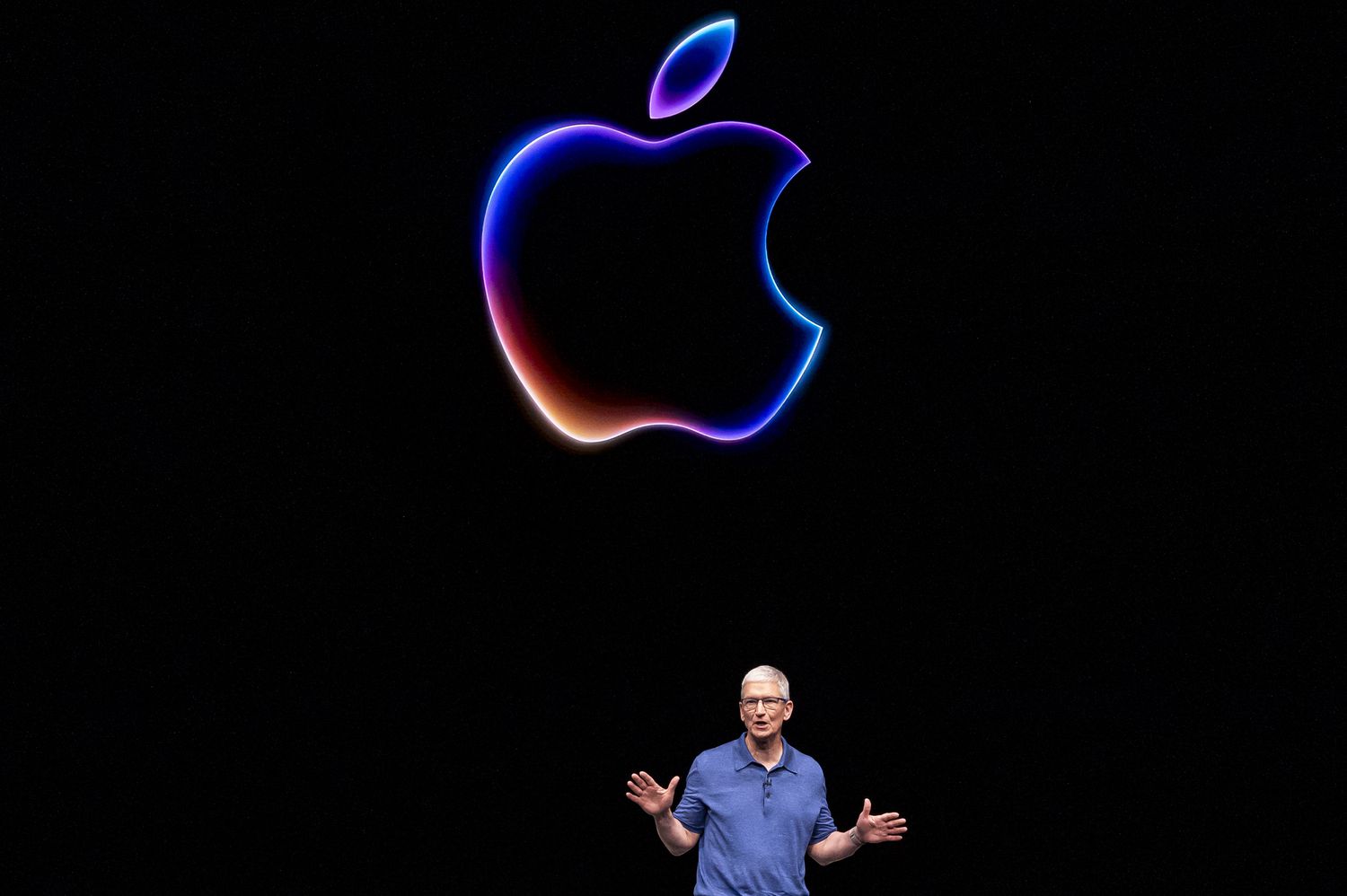
Apple Introduces New Child Safety Features
Written by Emily J. Thompson, Senior Investment Analyst
Updated: 3 days ago
0mins
Source: NASDAQ.COM
- Simplified Child Accounts: Apple has introduced a streamlined child account setup process, enabling parents to more easily manage their children's online activities, thereby enhancing family digital safety experiences.
- Approval for Browsing: The new 'Ask to Browse' feature requires parental approval before children can access new websites, increasing control over children's online behavior and helping parents better protect their kids' internet safety.
- Usage Time Management: Parents can set app usage limits through the 'Time Allowances' feature, categorizing restrictions for games, entertainment, and social media, thus promoting healthier digital habits among children.
- Expanded Communication Safety: Apple has expanded its Communication Safety feature to detect and block violent content in shared images and videos, further protecting minors from inappropriate content exposure.
Trade with 70% Backtested Accuracy
Stop guessing "Should I Buy AAPL?" and start using high-conviction signals backed by rigorous historical data.
Sign up today to access powerful investing tools and make smarter, data-driven decisions.
Analyst Views on AAPL
Wall Street analysts forecast AAPL stock price to rise
27 Analyst Rating
17 Buy
9 Hold
1 Sell
Moderate Buy
Current: 295.630

Low
239.00
Averages
306.89
High
350.00
Current: 295.630
Low
239.00
Averages
306.89
High
350.00
About AAPL
Apple Inc. designs, manufactures and markets smartphones, personal computers, tablets, wearables and accessories, and sells a variety of related services. Its product categories include iPhone, Mac, iPad, Wearables, Home and Accessories. Its services include advertising, AppleCare, cloud services, digital content, and payment services. The Company operates various platforms, including the App Store, that allow customers to discover and download applications and digital content, such as books, music, video, games and podcasts. It also offers digital content through subscription-based services, including Apple Arcade, Apple Fitness+, Apple Music, Apple News+, and Apple TV+. Its wearables include smartwatches, wireless headphones, and spatial computers. Its products include iPhone 16 Pro, iPhone 16, iPhone 15, iPhone 14, iPhone SE, MacBook Air, MacBook Pro, iMac, Mac mini, Mac Studio, Mac Pro, iPad Pro, iPad Air, AirPods, AirPods Pro, AirPods Max, Apple TV, Apple Vision Pro and others.
About the author

Emily J. Thompson
Emily J. Thompson, a Chartered Financial Analyst (CFA) with 12 years in investment research, graduated with honors from the Wharton School. Specializing in industrial and technology stocks, she provides in-depth analysis for Intellectia’s earnings and market brief reports.

Apple Unveils Enhanced Siri AI at WWDC, But Lacks Groundbreaking Features

- Siri AI Launch: Apple unveiled its enhanced Siri AI at WWDC, which can provide more personalized assistance based on user context; however, the lack of groundbreaking features left investors disappointed, indicating a perceived stagnation in innovation.
- Privacy Emphasis: The new Siri AI prioritizes user privacy and security by ensuring that data is not stored or accessible elsewhere, yet this focus did not translate into significant market catalysts, failing to excite investors.
- Market Availability Limitations: Siri AI will not be available in markets like China and the European Union due to regulatory issues, delaying its rollout and limiting its potential user base, which could affect overall market acceptance.
- Long-term Investment Outlook: Despite the lukewarm reception of Siri AI, Apple's stock has more than doubled over the past five years, indicating its long-term investment value; the company's slower pace of innovation has not deterred its loyal customer base.
See More
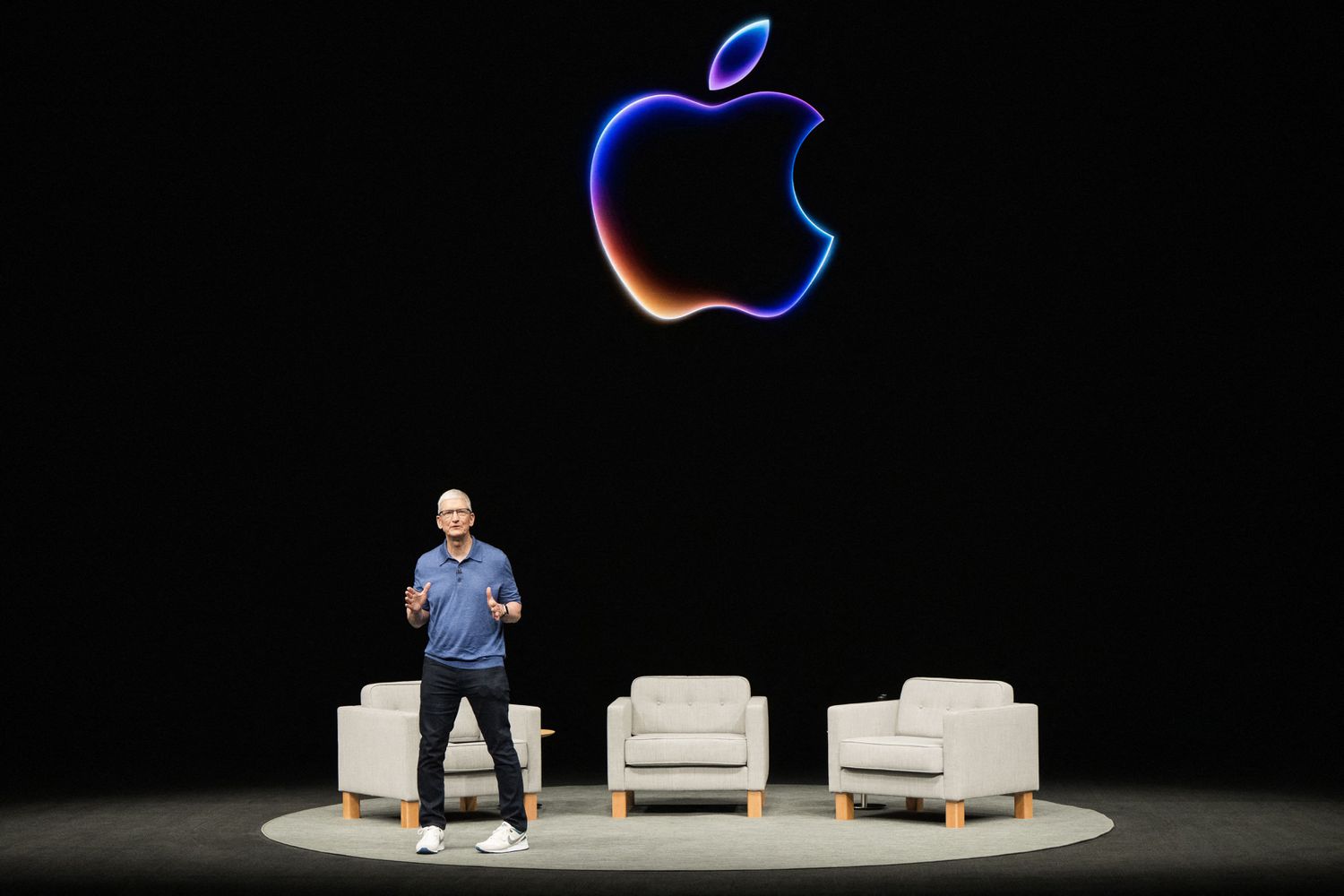
Apple and Verizon's Cash Flow Advantages

- Cash Flow Stability: Apple generated $129.1 billion in free cash flow over the past twelve months, showcasing its robust cash-generating ability, which not only allows for continuous dividend increases but also provides funding for future growth opportunities.
- Dividend Growth Potential: Apple has raised its quarterly dividend for nearly 15 consecutive years, currently yielding 0.4% annually, while its 5-year annualized dividend growth rate stands at 4.8%, positioning it to potentially become a Dividend Aristocrat and attract long-term investors.
- Verizon's Cash Flow Performance: Verizon generated $20.3 billion in free cash flow over the trailing twelve months, with an impressive annual dividend yield of 6.0%, significantly surpassing the S&P 500, highlighting its appeal among income-focused investors.
- Economic Resilience: The strong cash-generating capabilities of both Apple and Verizon enhance their resilience during economic downturns, enabling them to easily manage debt and continue dividend payments, thereby providing investors with long-term security and potential returns.
See More

Roku Explores Potential Sale and Merger Talks

- User Milestone Achieved: Roku recently announced that its platform has surpassed 100 million users, indicating strong growth in the highly competitive digital streaming market, which is expected to further boost advertising revenue.
- Stock Price Surge: Following reports of potential merger talks, Roku's stock soared 20% on Friday and continued to rise in after-hours trading, reflecting market optimism regarding its future strategic direction.
- Analyst Ratings Positive: According to Koyfin, 25 out of 29 analysts have rated Roku as a 'Buy', demonstrating strong confidence in its growth potential and merger opportunities.
- Intense Competitive Landscape: Roku is exploring merger possibilities amid fierce competition with traditional entertainment firms and tech giants, although discussions remain preliminary with no final decisions made yet.
See More

SpaceX Goes Public with $1.77 Trillion Valuation, Largest IPO in History

- IPO Performance: SpaceX went public at $135 per share, achieving a valuation of approximately $1.77 trillion, marking the largest IPO in history and underscoring its significant position in the global market.
- Oversubscription Details: The IPO was nearly four times oversubscribed, with retail investors receiving about 30% of the shares, a stark contrast to the typical 5% to 10% allocation, indicating strong demand.
- Market Volatility: Given the intense market interest, the stock price is expected to be highly volatile, prompting investors to carefully consider their order types to avoid losses during rapid price fluctuations.
- Valuation Concerns: Despite SpaceX's strong performance in rocket launches and Starlink revenue, Morningstar estimates its fair value at around $780 billion, significantly lower than the $1.77 trillion IPO valuation, raising concerns about potential overvaluation.
See More
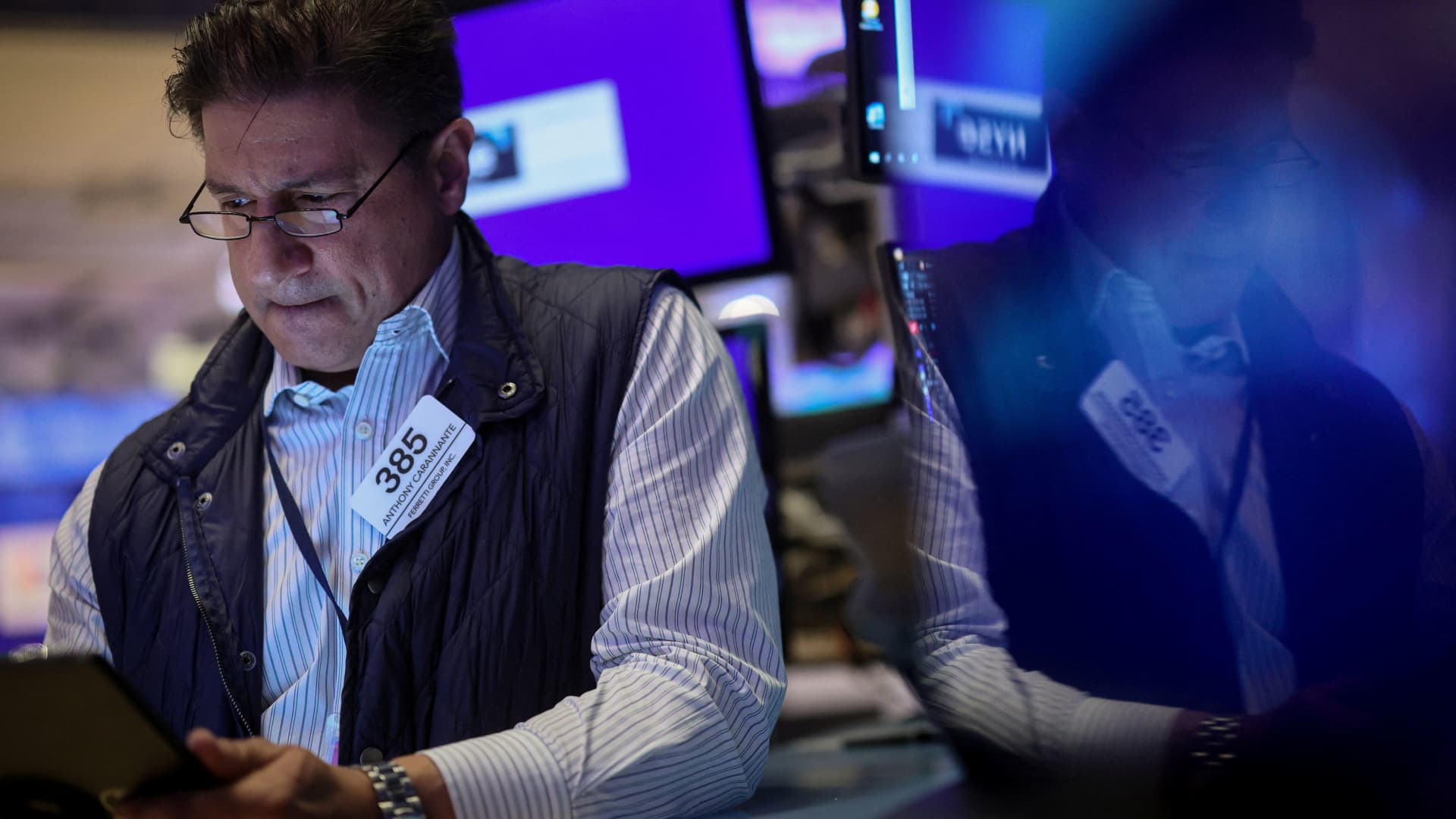
SpaceX Goes Public at $135, Achieving Historic $1.77 Trillion Valuation

- Historic IPO: SpaceX went public today at $135 per share, achieving a valuation of $1.77 trillion, making it one of the most valuable companies globally, although its valuation is nearly 100 times its sales, indicating high market expectations for future growth.
- Investor Allocation: The allocation window for this IPO has closed, with approximately 30% of shares going to retail investors, significantly higher than the typical 5% to 10%, reflecting strong interest and demand for SpaceX.
- Market Volatility Risk: Given the hype surrounding the IPO, stock prices are expected to be highly volatile, and investors are advised to use limit orders to control purchase prices and avoid losses during rapid price fluctuations.
- Valuation Controversy: Despite SpaceX's strong performance in space launches and Starlink operations, Morningstar estimates its fair value at only $780 billion, far below the $1.77 trillion IPO valuation, highlighting concerns about the company's long-term profitability.
See More

Market Rises on Optimism Over Iran Peace Deal

- Market Recovery: After two consecutive days of losses, the S&P 500 index rose on Friday afternoon, reflecting optimism regarding the Iran peace deal, although the likelihood of an agreement remains uncertain, which is expected to positively impact investor confidence.
- Successful SpaceX IPO: SpaceX's initial public offering (IPO) performed exceptionally well, with shares rising over 25%, generating $100 million in fees for Goldman Sachs and Morgan Stanley, further solidifying these banks' reputations in the capital markets.
- Tech Stock Volatility: Intel's stock surged over 25% following Google's order for over 3 million tensor processing units, while Bank of America upgraded its rating to buy, indicating increased market confidence in its semiconductor business.
- Software Stocks Under Pressure: Salesforce and Microsoft saw declines of over 11% and 7% respectively this week, reflecting concerns about the future of the software industry, particularly after a prior rebound, leading investors to question their profitability outlook.
See More
Apple Unveils Enhanced Siri AI at WWDC, But Lacks Groundbreaking Features
- Siri AI Launch: Apple unveiled its enhanced Siri AI at WWDC, which can provide more personalized assistance based on user context; however, the lack of groundbreaking features left investors disappointed, indicating a perceived stagnation in innovation.
- Privacy Emphasis: The new Siri AI prioritizes user privacy and security by ensuring that data is not stored or accessible elsewhere, yet this focus did not translate into significant market catalysts, failing to excite investors.
- Market Availability Limitations: Siri AI will not be available in markets like China and the European Union due to regulatory issues, delaying its rollout and limiting its potential user base, which could affect overall market acceptance.
- Long-term Investment Outlook: Despite the lukewarm reception of Siri AI, Apple's stock has more than doubled over the past five years, indicating its long-term investment value; the company's slower pace of innovation has not deterred its loyal customer base.
See More
Apple and Verizon's Cash Flow Advantages
- Cash Flow Stability: Apple generated $129.1 billion in free cash flow over the past twelve months, showcasing its robust cash-generating ability, which not only allows for continuous dividend increases but also provides funding for future growth opportunities.
- Dividend Growth Potential: Apple has raised its quarterly dividend for nearly 15 consecutive years, currently yielding 0.4% annually, while its 5-year annualized dividend growth rate stands at 4.8%, positioning it to potentially become a Dividend Aristocrat and attract long-term investors.
- Verizon's Cash Flow Performance: Verizon generated $20.3 billion in free cash flow over the trailing twelve months, with an impressive annual dividend yield of 6.0%, significantly surpassing the S&P 500, highlighting its appeal among income-focused investors.
- Economic Resilience: The strong cash-generating capabilities of both Apple and Verizon enhance their resilience during economic downturns, enabling them to easily manage debt and continue dividend payments, thereby providing investors with long-term security and potential returns.
See More
Roku Explores Potential Sale and Merger Talks
- User Milestone Achieved: Roku recently announced that its platform has surpassed 100 million users, indicating strong growth in the highly competitive digital streaming market, which is expected to further boost advertising revenue.
- Stock Price Surge: Following reports of potential merger talks, Roku's stock soared 20% on Friday and continued to rise in after-hours trading, reflecting market optimism regarding its future strategic direction.
- Analyst Ratings Positive: According to Koyfin, 25 out of 29 analysts have rated Roku as a 'Buy', demonstrating strong confidence in its growth potential and merger opportunities.
- Intense Competitive Landscape: Roku is exploring merger possibilities amid fierce competition with traditional entertainment firms and tech giants, although discussions remain preliminary with no final decisions made yet.
See More
SpaceX Goes Public with $1.77 Trillion Valuation, Largest IPO in History
- IPO Performance: SpaceX went public at $135 per share, achieving a valuation of approximately $1.77 trillion, marking the largest IPO in history and underscoring its significant position in the global market.
- Oversubscription Details: The IPO was nearly four times oversubscribed, with retail investors receiving about 30% of the shares, a stark contrast to the typical 5% to 10% allocation, indicating strong demand.
- Market Volatility: Given the intense market interest, the stock price is expected to be highly volatile, prompting investors to carefully consider their order types to avoid losses during rapid price fluctuations.
- Valuation Concerns: Despite SpaceX's strong performance in rocket launches and Starlink revenue, Morningstar estimates its fair value at around $780 billion, significantly lower than the $1.77 trillion IPO valuation, raising concerns about potential overvaluation.
See More
SpaceX Goes Public at $135, Achieving Historic $1.77 Trillion Valuation
- Historic IPO: SpaceX went public today at $135 per share, achieving a valuation of $1.77 trillion, making it one of the most valuable companies globally, although its valuation is nearly 100 times its sales, indicating high market expectations for future growth.
- Investor Allocation: The allocation window for this IPO has closed, with approximately 30% of shares going to retail investors, significantly higher than the typical 5% to 10%, reflecting strong interest and demand for SpaceX.
- Market Volatility Risk: Given the hype surrounding the IPO, stock prices are expected to be highly volatile, and investors are advised to use limit orders to control purchase prices and avoid losses during rapid price fluctuations.
- Valuation Controversy: Despite SpaceX's strong performance in space launches and Starlink operations, Morningstar estimates its fair value at only $780 billion, far below the $1.77 trillion IPO valuation, highlighting concerns about the company's long-term profitability.
See More
Market Rises on Optimism Over Iran Peace Deal
- Market Recovery: After two consecutive days of losses, the S&P 500 index rose on Friday afternoon, reflecting optimism regarding the Iran peace deal, although the likelihood of an agreement remains uncertain, which is expected to positively impact investor confidence.
- Successful SpaceX IPO: SpaceX's initial public offering (IPO) performed exceptionally well, with shares rising over 25%, generating $100 million in fees for Goldman Sachs and Morgan Stanley, further solidifying these banks' reputations in the capital markets.
- Tech Stock Volatility: Intel's stock surged over 25% following Google's order for over 3 million tensor processing units, while Bank of America upgraded its rating to buy, indicating increased market confidence in its semiconductor business.
- Software Stocks Under Pressure: Salesforce and Microsoft saw declines of over 11% and 7% respectively this week, reflecting concerns about the future of the software industry, particularly after a prior rebound, leading investors to question their profitability outlook.
See More