Apollo Sports Capital Becomes Majority Shareholder of Atlético de Madrid
- Change in Control: Apollo Sports Capital has completed its investment to become the majority shareholder of Atlético de Madrid, with Quantum Pacific Group retaining a substantial stake as the second-largest shareholder, reflecting confidence in the club's future development.
- Capital Injection Plan: The Atlético de Madrid Board has approved an increase of up to €100 million in equity and strategic capital to support the club's investment plans, including team enhancements and infrastructure projects, aimed at boosting competitiveness and financial stability.
- Continued Leadership: CEO Miguel Ángel Gil and Chairman Enrique Cerezo will continue to lead Atlético de Madrid, ensuring that the club's traditions and spirit are upheld with the support of the new investors.
- Enhanced Community Impact: Apollo Sports Capital is committed to partnering with the club's management to strengthen Atlético de Madrid's community impact, aiming to enhance the club's social responsibility and brand value through long-term investments.
Trade with 70% Backtested Accuracy
Analyst Views on ARES

About ARES
About the author

JPMorgan and Barclays Among Firms Providing CDS for Apollo, Ares, and Blackstone Funds - FT


Financial Institutions Involved: JPMorgan and Barclays are among the banks offering certificates of deposit (CDs) on a platform called Apollo, which is associated with Ares and Blackstone funds.
Investment Opportunities: The collaboration aims to provide investors with access to various investment products through the CD offerings, potentially enhancing their portfolio options.

Major Banks Report Strong Q1 Earnings, Surpassing Expectations


- Investment Banking Recovery: Morgan Stanley and Bank of America reported Q1 earnings that exceeded analyst expectations, achieving trading revenue growth of 25% and 30% respectively, indicating a recovery in investment banking and boosting market confidence, leading to a strong start for the financial sector.
- Surge in Trading Activity: Increased market volatility has significantly elevated trading activities at major banks, driving overall revenue growth, particularly with Bank of America achieving record equities trading, reflecting a positive investor sentiment towards the market.
- Improved M&A Climate: A healthier environment for mergers and acquisitions has provided strong support for investment banking divisions, signaling a revival of corporate confidence that will deliver sustained growth momentum for the financial industry and aid overall economic recovery.
- Strong Stock Performances: Against this backdrop, stocks of companies like Affirm, SoFi, and StepStone Group saw notable increases, rising 6.6%, 4.4%, and 5.4% respectively, indicating a strong buying interest in high-quality stocks from the market.

Ares Management: Private Credit Default Risks Remain Contained

- Default Risk Assessment: Ares Management CEO Michael Arougheti stated at the HSBC Investment Summit in Hong Kong that private credit default risks remain relatively contained, with no signs of an impending major default cycle, reflecting the firm's confidence in its portfolios.
- Surge in Redemption Requests: In Q1 2026, investors sought to withdraw over $20 billion from private credit firms, highlighting growing concerns over liquidity, valuations, and transparency, which could impact the industry's stability.
- Stress Testing Measures: Wall Street executives reported that they are stress-testing and closely monitoring private credit portfolios, and despite market volatility, they remain comfortable with their exposure, indicating confidence in the sector.
- Software Sector Impact: BlackRock executive Rachel Lord noted that recent pressures are primarily tied to repricing in the software sector, asserting that while volatility exists, there is no bubble, and the “fog” surrounding private credit is expected to clear.
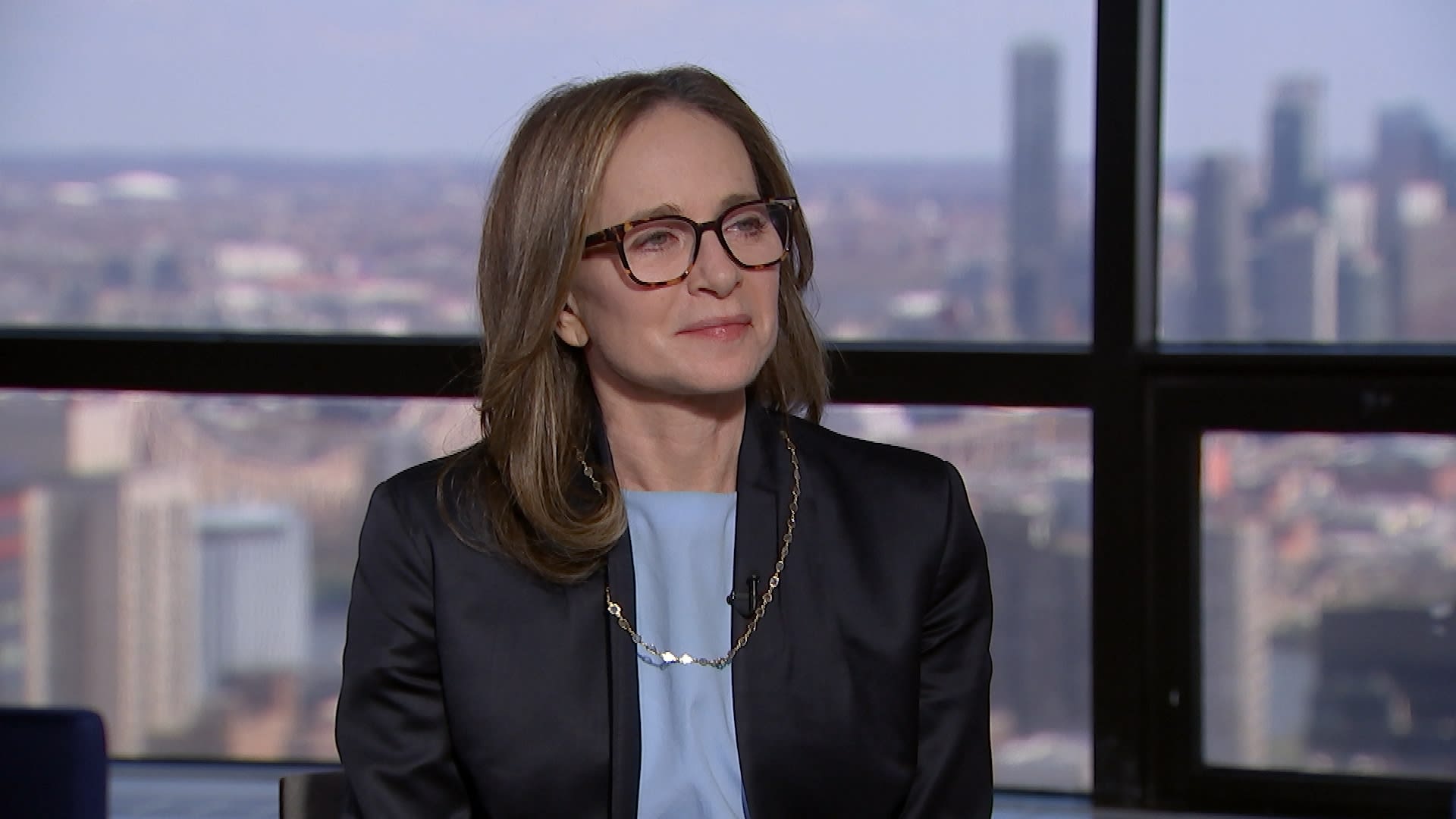
Blackstone Private Wealth Optimistic on Private Credit Outlook
- Market Confidence Recovery: Joan Solotar, global head of Blackstone Private Wealth, asserts that despite facing a wave of redemptions, the firm remains optimistic about the long-term returns of private credit, arguing that current market panic does not reflect the actual investment fundamentals.
- Increased Transparency: Solotar emphasizes that Blackstone's private credit funds disclose loan information more transparently than banks, countering external criticisms of opacity, as the firm provides detailed reports at the individual loan level every quarter, thereby enhancing investor confidence.
- Risk Assessment: While market analysts predict loan default rates could reach 15%, Solotar points out that less than 5% of Blackstone's assets are vulnerable to AI disruptions, demonstrating the resilience and risk management capabilities of its investment portfolio.
- Long-Term Growth Potential: Blackstone aims to grow its assets under management from $300 billion to $1 trillion in the coming years, with Solotar noting that as demand for private investments continues to rise, the expansion of the private market is still in its early stages, promising better returns for investors in the future.

Financial Stocks Decline on Friday Afternoon

- Financial Index Decline: The NYSE Financial Index fell by 0.6% on Friday afternoon, reflecting a cautious market sentiment towards financial stocks, likely influenced by economic data and interest rate expectations.
- Investor Sentiment Weakens: The broad decline in financial stocks indicates investor concerns about future economic growth, particularly against a backdrop of rising inflation and interest rates, which may lead to capital outflows from the sector.
- Focus on Policy Changes: As the market continues to monitor Federal Reserve policies, the performance of financial stocks may be directly impacted by any changes in policy, necessitating close attention to relevant economic indicators by investors.
- Uncertain Industry Outlook: The future performance of the financial sector remains uncertain, especially amid a global economic slowdown, which could affect the profitability of banks and financial service companies.

Ares Management Plans $20B Direct Lending Fund Launch
- Direct Lending Fund Initiative: Ares Management is gauging investor interest for a direct lending fund with a preliminary target size of approximately $20 billion, indicating the company's proactive stance in the private credit sector to meet liquidity demands in the market.
- Redemption Limitation Actions: In Q1 2023, Ares capped redemptions from its Strategic Income Fund at 5% after receiving $1.2 billion in redemption requests, reflecting investor concerns in the private credit market, with total redemption requests reaching $20.8 billion across the sector.
- Smaller Fund Size: The new fund targets equity commitments between $10 billion and $12 billion, significantly smaller than the previous record-breaking vehicle of $33.6 billion, which is expected to expedite the timeline for raising and deploying capital, allowing the company to respond more flexibly to market changes.
- M&A Transaction Update: Whitestone REIT has entered into a definitive merger agreement with Ares Real Estate funds for an all-cash acquisition valued at approximately $1.7 billion, further solidifying Ares's position in the real estate investment landscape.
JPMorgan and Barclays Among Firms Providing CDS for Apollo, Ares, and Blackstone Funds - FT
Financial Institutions Involved: JPMorgan and Barclays are among the banks offering certificates of deposit (CDs) on a platform called Apollo, which is associated with Ares and Blackstone funds.
Investment Opportunities: The collaboration aims to provide investors with access to various investment products through the CD offerings, potentially enhancing their portfolio options.
Major Banks Report Strong Q1 Earnings, Surpassing Expectations
- Investment Banking Recovery: Morgan Stanley and Bank of America reported Q1 earnings that exceeded analyst expectations, achieving trading revenue growth of 25% and 30% respectively, indicating a recovery in investment banking and boosting market confidence, leading to a strong start for the financial sector.
- Surge in Trading Activity: Increased market volatility has significantly elevated trading activities at major banks, driving overall revenue growth, particularly with Bank of America achieving record equities trading, reflecting a positive investor sentiment towards the market.
- Improved M&A Climate: A healthier environment for mergers and acquisitions has provided strong support for investment banking divisions, signaling a revival of corporate confidence that will deliver sustained growth momentum for the financial industry and aid overall economic recovery.
- Strong Stock Performances: Against this backdrop, stocks of companies like Affirm, SoFi, and StepStone Group saw notable increases, rising 6.6%, 4.4%, and 5.4% respectively, indicating a strong buying interest in high-quality stocks from the market.
Ares Management: Private Credit Default Risks Remain Contained
- Default Risk Assessment: Ares Management CEO Michael Arougheti stated at the HSBC Investment Summit in Hong Kong that private credit default risks remain relatively contained, with no signs of an impending major default cycle, reflecting the firm's confidence in its portfolios.
- Surge in Redemption Requests: In Q1 2026, investors sought to withdraw over $20 billion from private credit firms, highlighting growing concerns over liquidity, valuations, and transparency, which could impact the industry's stability.
- Stress Testing Measures: Wall Street executives reported that they are stress-testing and closely monitoring private credit portfolios, and despite market volatility, they remain comfortable with their exposure, indicating confidence in the sector.
- Software Sector Impact: BlackRock executive Rachel Lord noted that recent pressures are primarily tied to repricing in the software sector, asserting that while volatility exists, there is no bubble, and the “fog” surrounding private credit is expected to clear.
Blackstone Private Wealth Optimistic on Private Credit Outlook
- Market Confidence Recovery: Joan Solotar, global head of Blackstone Private Wealth, asserts that despite facing a wave of redemptions, the firm remains optimistic about the long-term returns of private credit, arguing that current market panic does not reflect the actual investment fundamentals.
- Increased Transparency: Solotar emphasizes that Blackstone's private credit funds disclose loan information more transparently than banks, countering external criticisms of opacity, as the firm provides detailed reports at the individual loan level every quarter, thereby enhancing investor confidence.
- Risk Assessment: While market analysts predict loan default rates could reach 15%, Solotar points out that less than 5% of Blackstone's assets are vulnerable to AI disruptions, demonstrating the resilience and risk management capabilities of its investment portfolio.
- Long-Term Growth Potential: Blackstone aims to grow its assets under management from $300 billion to $1 trillion in the coming years, with Solotar noting that as demand for private investments continues to rise, the expansion of the private market is still in its early stages, promising better returns for investors in the future.
Financial Stocks Decline on Friday Afternoon
- Financial Index Decline: The NYSE Financial Index fell by 0.6% on Friday afternoon, reflecting a cautious market sentiment towards financial stocks, likely influenced by economic data and interest rate expectations.
- Investor Sentiment Weakens: The broad decline in financial stocks indicates investor concerns about future economic growth, particularly against a backdrop of rising inflation and interest rates, which may lead to capital outflows from the sector.
- Focus on Policy Changes: As the market continues to monitor Federal Reserve policies, the performance of financial stocks may be directly impacted by any changes in policy, necessitating close attention to relevant economic indicators by investors.
- Uncertain Industry Outlook: The future performance of the financial sector remains uncertain, especially amid a global economic slowdown, which could affect the profitability of banks and financial service companies.
Ares Management Plans $20B Direct Lending Fund Launch
- Direct Lending Fund Initiative: Ares Management is gauging investor interest for a direct lending fund with a preliminary target size of approximately $20 billion, indicating the company's proactive stance in the private credit sector to meet liquidity demands in the market.
- Redemption Limitation Actions: In Q1 2023, Ares capped redemptions from its Strategic Income Fund at 5% after receiving $1.2 billion in redemption requests, reflecting investor concerns in the private credit market, with total redemption requests reaching $20.8 billion across the sector.
- Smaller Fund Size: The new fund targets equity commitments between $10 billion and $12 billion, significantly smaller than the previous record-breaking vehicle of $33.6 billion, which is expected to expedite the timeline for raising and deploying capital, allowing the company to respond more flexibly to market changes.
- M&A Transaction Update: Whitestone REIT has entered into a definitive merger agreement with Ares Real Estate funds for an all-cash acquisition valued at approximately $1.7 billion, further solidifying Ares's position in the real estate investment landscape.