Analysts Predict IYY Will Hit $173



ETF Analyst Target Price: The iShares Dow Jones U.S. ETF (IYY) has an implied analyst target price of $173.17, indicating a potential upside of 11.69% from its current trading price of $155.04.
Notable Holdings with Upside: Key underlying holdings in IYY include New Fortress Energy Inc (NFE), GlobalFoundries Inc (GFS), and Norwegian Cruise Line Holdings Ltd (NCLH), all showing significant upside potential based on analyst targets.
Analyst Target Comparisons: NFE's average target is $4.92 (103.98% higher than its recent price of $2.41), GFS has a target of $41.66 (27.74% above $32.61), and NCLH is expected to reach $29.59 (26.67% above $23.36).
Investor Considerations: Investors are encouraged to assess whether analysts' targets are justified or overly optimistic, considering recent developments in the companies and industries involved.
Trade with 70% Backtested Accuracy
Analyst Views on NCLH

About NCLH
About the author

Broadcom and Apple Expand Partnership Deal Exceeding $30 Billion


- Partnership Expansion: Broadcom's multiyear partnership with Apple will exceed $30 billion, leading to the production of 15 billion U.S.-made chips, significantly enhancing Broadcom's position in the semiconductor market and driving future growth.
- Facility Expansion Plans: The deal includes an expansion of Broadcom's facility in Fort Collins, Colorado, aimed at increasing production capacity to meet Apple's growing demand, thereby further solidifying their strategic partnership.
- Positive Market Reaction: Broadcom's shares rose 6%, reflecting investor optimism regarding the partnership, while Apple's stock also saw a modest increase of 1%, indicating market confidence in its future performance.
- Vaccine Market Impact: Morgan Stanley reiterated its equal-weight rating on Moderna and raised its price target to $39, despite a 7% drop in the stock, as analysts believe vaccines and individualized neoantigen therapy will be key valuation drivers for the company.

US Stocks Decline as Oil Prices Surge

- Market Decline: The S&P 500 index fell by 0.79%, the Dow Jones Industrial Average dropped by 1.44%, and the Nasdaq 100 index decreased by 0.61%, reflecting heightened investor caution following President Trump's declaration that the ceasefire with Iran is over, prompting a flight to safety.
- Surge in Oil Prices: WTI crude oil prices surged over 7% to a two-week high as the US launched strikes against Iran, raising concerns about potential disruptions to energy supplies and pushing inflation expectations higher, which in turn lifted the 10-year Treasury note yield to a 1.5-month high of 4.59%.
- Mortgage Applications Decline: US MBA mortgage applications fell by 2.2% in the week ending July 3, with the purchase mortgage sub-index down 0.6% and the refinancing sub-index down 4.1%, indicating that high interest rates are negatively impacting housing demand and could further suppress the recovery in the real estate market.
- Optimistic Earnings Outlook: Bloomberg Intelligence forecasts a 23% increase in corporate earnings for Q2, close to the 30% growth seen in Q1, indicating that AI infrastructure stocks are expected to contribute nearly 60% of the S&P 500's earnings-per-share growth, suggesting a positive long-term outlook despite short-term market volatility.
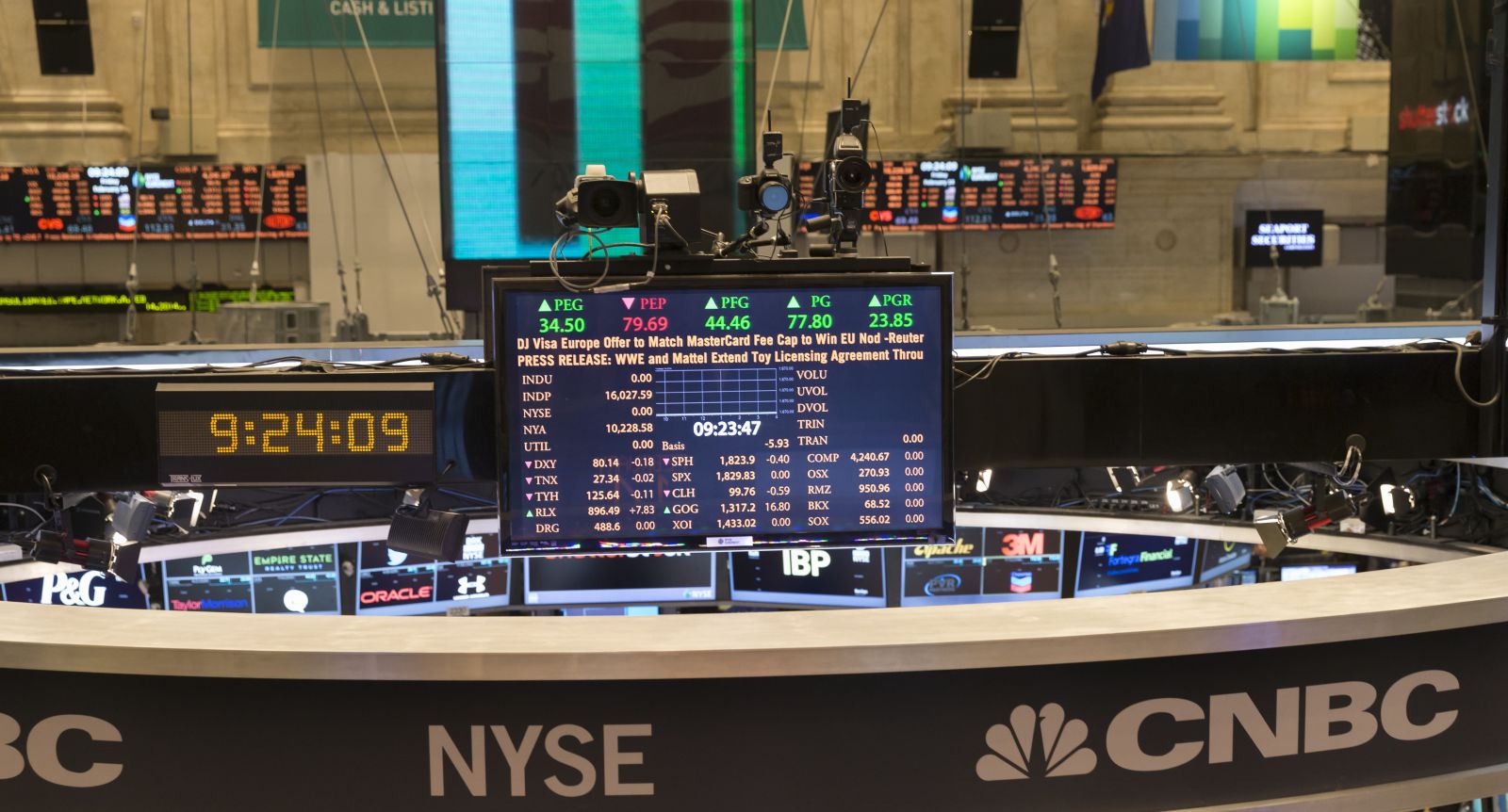
U.S. Stocks Decline as Oil Prices Surge
- Market Decline: The S&P 500 index fell by 0.49%, the Dow Jones Industrial Average dropped by 0.96%, and the Nasdaq 100 index decreased by 0.19%, reflecting investor concerns over escalating tensions in the Middle East, prompting a flight to safety.
- Oil Price Surge: WTI crude oil prices surged over 4% to a two-week high following U.S. military strikes against Iran, raising fears of potential disruptions in energy supplies and further boosting inflation expectations.
- Mortgage Applications Drop: U.S. MBA mortgage applications fell by 2.2% in the week ending July 3, with the purchase mortgage sub-index down 0.6% and refinancing down 4.1%, indicating the negative impact of high interest rates on housing demand.
- Optimistic Earnings Outlook: Bloomberg Intelligence forecasts a 23% increase in corporate earnings for Q2, close to the 30% growth seen in Q1, indicating that AI infrastructure stocks will drive S&P 500 earnings-per-share growth, reflecting market confidence in tech stocks.
Latest Wall Street Ratings Overview


- Viking Holdings Rating: BMO initiates coverage of Viking Holdings (VIK) with an Outperform rating and a $115 target price, indicating confidence in the company's future growth despite its high valuation.
- Apple's Sustained Growth: Bernstein reiterates Apple as Outperform, noting a 2% YoY increase in May iPhone sales, with nearly all markets showing positive growth, particularly in Japan and emerging markets, highlighting Apple's competitive strength globally.
- Optimistic Tesla Outlook: Goldman Sachs maintains a neutral rating on Tesla, anticipating that the upcoming earnings report will exceed market expectations, supported by strong second-quarter delivery numbers, reflecting the company's ongoing appeal in the electric vehicle market.
- Pinterest Engagement Growth: DA Davidson initiates a Buy rating on Pinterest with a $26 price target, emphasizing the company's consistent growth in user engagement over the past ten quarters, showcasing its strong performance in the social media sector.

Energy Stocks Surge as Oil Prices Rise Following Iran Ceasefire End


- Energy Stocks Surge: Energy stocks saw significant gains as President Trump announced the end of the ceasefire with Iran, leading to a surge in U.S. oil prices; Diamondback Energy rose over 3%, while APA Corporation and Occidental Petroleum increased by more than 2.5%, indicating strong market confidence in the energy sector.
- Airlines and Cruise Lines Decline: Companies heavily exposed to fuel prices, such as Carnival Corporation and Norwegian Cruise Line, fell by 3.5% and 3% respectively, while United Airlines and Delta Air Lines dropped 3% and nearly 2%, reflecting the negative impact of rising oil prices on these industries.
- Memory Stocks Continue to Drop: The memory sector faced ongoing sell-offs, with Sandisk down over 5.5%, Western Digital falling 5%, and Micron Technology and Seagate Technology declining by 4.5% and 3.5% respectively, highlighting market concerns about the industry's outlook.
- Bath & Body Works Downgraded: Following a downgrade from Goldman Sachs from neutral to sell, Bath & Body Works saw its stock drop over 4%, as analysts warned that its expansion into third-party distribution could cannibalize its retail business, reflecting market apprehension about its future growth prospects.

BMO Names Royal Caribbean as Top Cruise Stock with $370 Target

- Royal Caribbean Price Target: BMO sets a $370 price target for Royal Caribbean, implying a 31% upside, reflecting the company's strong ability to retain existing guests while attracting new ones, and is expected to benefit from improving industry conditions.
- Norwegian Cruise Challenges: Despite Norwegian Cruise Line's premium positioning, BMO assigns a $21 price target due to financial and operational performance lagging behind key rivals, indicating multiple challenges and an unclear investment outlook for the company.
- Carnival Lacks Catalysts: BMO maintains a balanced outlook on Carnival with a $30 price target, noting a lack of near-term catalysts post-financial restructuring, with a focus on boosting cash flow and improving fleet efficiency.
- Retail Sentiment Shift: On Stocktwits, retail sentiment around Royal Caribbean remains 'bullish', while Norwegian Cruise sentiment shifted from 'bullish' to 'neutral', and Carnival remains 'bearish', reflecting varying market perceptions of the cruise lines.
Broadcom and Apple Expand Partnership Deal Exceeding $30 Billion
- Partnership Expansion: Broadcom's multiyear partnership with Apple will exceed $30 billion, leading to the production of 15 billion U.S.-made chips, significantly enhancing Broadcom's position in the semiconductor market and driving future growth.
- Facility Expansion Plans: The deal includes an expansion of Broadcom's facility in Fort Collins, Colorado, aimed at increasing production capacity to meet Apple's growing demand, thereby further solidifying their strategic partnership.
- Positive Market Reaction: Broadcom's shares rose 6%, reflecting investor optimism regarding the partnership, while Apple's stock also saw a modest increase of 1%, indicating market confidence in its future performance.
- Vaccine Market Impact: Morgan Stanley reiterated its equal-weight rating on Moderna and raised its price target to $39, despite a 7% drop in the stock, as analysts believe vaccines and individualized neoantigen therapy will be key valuation drivers for the company.
US Stocks Decline as Oil Prices Surge
- Market Decline: The S&P 500 index fell by 0.79%, the Dow Jones Industrial Average dropped by 1.44%, and the Nasdaq 100 index decreased by 0.61%, reflecting heightened investor caution following President Trump's declaration that the ceasefire with Iran is over, prompting a flight to safety.
- Surge in Oil Prices: WTI crude oil prices surged over 7% to a two-week high as the US launched strikes against Iran, raising concerns about potential disruptions to energy supplies and pushing inflation expectations higher, which in turn lifted the 10-year Treasury note yield to a 1.5-month high of 4.59%.
- Mortgage Applications Decline: US MBA mortgage applications fell by 2.2% in the week ending July 3, with the purchase mortgage sub-index down 0.6% and the refinancing sub-index down 4.1%, indicating that high interest rates are negatively impacting housing demand and could further suppress the recovery in the real estate market.
- Optimistic Earnings Outlook: Bloomberg Intelligence forecasts a 23% increase in corporate earnings for Q2, close to the 30% growth seen in Q1, indicating that AI infrastructure stocks are expected to contribute nearly 60% of the S&P 500's earnings-per-share growth, suggesting a positive long-term outlook despite short-term market volatility.
U.S. Stocks Decline as Oil Prices Surge
- Market Decline: The S&P 500 index fell by 0.49%, the Dow Jones Industrial Average dropped by 0.96%, and the Nasdaq 100 index decreased by 0.19%, reflecting investor concerns over escalating tensions in the Middle East, prompting a flight to safety.
- Oil Price Surge: WTI crude oil prices surged over 4% to a two-week high following U.S. military strikes against Iran, raising fears of potential disruptions in energy supplies and further boosting inflation expectations.
- Mortgage Applications Drop: U.S. MBA mortgage applications fell by 2.2% in the week ending July 3, with the purchase mortgage sub-index down 0.6% and refinancing down 4.1%, indicating the negative impact of high interest rates on housing demand.
- Optimistic Earnings Outlook: Bloomberg Intelligence forecasts a 23% increase in corporate earnings for Q2, close to the 30% growth seen in Q1, indicating that AI infrastructure stocks will drive S&P 500 earnings-per-share growth, reflecting market confidence in tech stocks.
Latest Wall Street Ratings Overview
- Viking Holdings Rating: BMO initiates coverage of Viking Holdings (VIK) with an Outperform rating and a $115 target price, indicating confidence in the company's future growth despite its high valuation.
- Apple's Sustained Growth: Bernstein reiterates Apple as Outperform, noting a 2% YoY increase in May iPhone sales, with nearly all markets showing positive growth, particularly in Japan and emerging markets, highlighting Apple's competitive strength globally.
- Optimistic Tesla Outlook: Goldman Sachs maintains a neutral rating on Tesla, anticipating that the upcoming earnings report will exceed market expectations, supported by strong second-quarter delivery numbers, reflecting the company's ongoing appeal in the electric vehicle market.
- Pinterest Engagement Growth: DA Davidson initiates a Buy rating on Pinterest with a $26 price target, emphasizing the company's consistent growth in user engagement over the past ten quarters, showcasing its strong performance in the social media sector.
Energy Stocks Surge as Oil Prices Rise Following Iran Ceasefire End
- Energy Stocks Surge: Energy stocks saw significant gains as President Trump announced the end of the ceasefire with Iran, leading to a surge in U.S. oil prices; Diamondback Energy rose over 3%, while APA Corporation and Occidental Petroleum increased by more than 2.5%, indicating strong market confidence in the energy sector.
- Airlines and Cruise Lines Decline: Companies heavily exposed to fuel prices, such as Carnival Corporation and Norwegian Cruise Line, fell by 3.5% and 3% respectively, while United Airlines and Delta Air Lines dropped 3% and nearly 2%, reflecting the negative impact of rising oil prices on these industries.
- Memory Stocks Continue to Drop: The memory sector faced ongoing sell-offs, with Sandisk down over 5.5%, Western Digital falling 5%, and Micron Technology and Seagate Technology declining by 4.5% and 3.5% respectively, highlighting market concerns about the industry's outlook.
- Bath & Body Works Downgraded: Following a downgrade from Goldman Sachs from neutral to sell, Bath & Body Works saw its stock drop over 4%, as analysts warned that its expansion into third-party distribution could cannibalize its retail business, reflecting market apprehension about its future growth prospects.
BMO Names Royal Caribbean as Top Cruise Stock with $370 Target
- Royal Caribbean Price Target: BMO sets a $370 price target for Royal Caribbean, implying a 31% upside, reflecting the company's strong ability to retain existing guests while attracting new ones, and is expected to benefit from improving industry conditions.
- Norwegian Cruise Challenges: Despite Norwegian Cruise Line's premium positioning, BMO assigns a $21 price target due to financial and operational performance lagging behind key rivals, indicating multiple challenges and an unclear investment outlook for the company.
- Carnival Lacks Catalysts: BMO maintains a balanced outlook on Carnival with a $30 price target, noting a lack of near-term catalysts post-financial restructuring, with a focus on boosting cash flow and improving fleet efficiency.
- Retail Sentiment Shift: On Stocktwits, retail sentiment around Royal Caribbean remains 'bullish', while Norwegian Cruise sentiment shifted from 'bullish' to 'neutral', and Carnival remains 'bearish', reflecting varying market perceptions of the cruise lines.