Analysts Conflicted on These Materials Names: Aclara Resources, Inc. (OtherARAAF), Vulcan Materials (VMC) and Pilbara Minerals Limited (OtherPILBF)
Written by Emily J. Thompson, Senior Investment Analyst
Updated: Apr 18 2025
0mins
Source: Business Insider
Aclara Resources, Inc.: RBC Capital maintains a Hold rating with a price target of C$0.85, while the analyst consensus suggests a Moderate Buy with an average target of $0.51.
Vulcan Materials and Pilbara Minerals: Vulcan Materials holds a Hold rating with a price target of $286.00, while Pilbara Minerals has a Buy rating with a target of A$2.90; both companies show positive analyst sentiment with potential upside in their stock prices.
Trade with 70% Backtested Accuracy
Stop guessing "Should I Buy VMC?" and start using high-conviction signals backed by rigorous historical data.
Sign up today to access powerful investing tools and make smarter, data-driven decisions.
Analyst Views on VMC
Wall Street analysts forecast VMC stock price to rise
9 Analyst Rating
8 Buy
1 Hold
0 Sell
Strong Buy
Current: 304.840

Low
316.00
Averages
334.13
High
370.00
Current: 304.840
Low
316.00
Averages
334.13
High
370.00
About VMC
Vulcan Materials Company is a supplier of construction aggregates and producer of aggregates-intensive downstream products. The Company's segments include Aggregates, Asphalt and Concrete. The Aggregates segment produces and sells aggregates (crushed stone, sand and gravel, sand, and other aggregates) and related products and services. This segment also includes a production stage and leased calcium operation located in Brooksville, Florida. This limestone quarry produces a supplement for end-use products such as animal feed and plastics. The Asphalt segment produces and sells asphalt mix in Alabama, Arizona, California, New Mexico, Tennessee and Texas and provides asphalt construction paving services in Alabama and Tennessee. The Concrete segment produces and sells ready-mixed concrete in Maryland and Virginia. The Company's products are essential for building homes, offices, data centers, places of worship, schools, hospitals and factories and others.
About the author

Emily J. Thompson
Emily J. Thompson, a Chartered Financial Analyst (CFA) with 12 years in investment research, graduated with honors from the Wharton School. Specializing in industrial and technology stocks, she provides in-depth analysis for Intellectia’s earnings and market brief reports.

The Importance of Market Capitalization Analysis
- Market Capitalization Comparison: Vulcan Materials Co has a market cap of $39.42 billion, while Jabil Inc stands at $39.41 billion, highlighting a slight difference in market value that investors should consider for more accurate investment decisions.
- Investor Misconceptions: Many novice investors often compare companies based solely on stock price, but market capitalization provides a more accurate comparison of company value, helping to avoid misunderstandings arising from price differences and better assess investment risks.
- Impact of Company Size: Market capitalization not only affects a company's ranking among peers but also determines which mutual funds and ETFs are willing to hold the stock; for instance, funds focused on large-cap stocks may only be interested in companies valued over $10 billion, influencing capital inflows.
- Market Performance Discrepancies: As of Tuesday's close, VMC's stock fell approximately 2.8%, while JBL's rose about 3.4%, indicating that such performance differences may relate to changes in market capitalization and their perceived standing among investors, reflecting varying expectations for future performance.
See More

Analysis of XLB ETF's 52-Week Price Fluctuations

- Price Range Analysis: The XLB ETF's 52-week low is $42.035 per share, with a high of $54.14, and a current trading price of $50.34, indicating stability within its volatility range, which may attract investor interest.
- Technical Analysis Tool: Comparing the current share price to the 200-day moving average can provide valuable insights for investors, helping to assess market trends and potential buying opportunities.
- ETF Unit Trading Mechanism: ETFs trade like stocks, where investors buy and sell 'units' that can be created or destroyed based on investor demand, impacting the liquidity and market performance of the ETF.
- Inflows and Outflows Monitoring: Weekly monitoring of changes in ETF units focuses on notable inflows (new units created) or outflows (old units destroyed), which directly affects the underlying holdings of the ETF and its market performance.
See More
Vulcan Materials Completes Strategic Acquisition and Divestiture
- Strategic Acquisition and Divestiture: Vulcan Materials has completed the divestiture of its ready-mixed concrete operations in California while acquiring Brannan Sand & Gravel's operations in southern Colorado and Dallas-Fort Worth, enhancing its presence in the western market.
- Resource Integration: The acquisition includes a rail-connected aggregate quarry in Lamar, Colorado, with long-term reserves, which is expected to improve the company's market competitiveness and resource utilization efficiency in the region.
- Distribution Network Enhancement: By establishing a new distribution yard in the Dallas-Fort Worth area, Vulcan aims to meet the growing customer demand, thereby driving sales growth and increasing market share.
- CEO Strategic Statement: CEO Ronnie Pruitt stated that this transaction aligns with the company's aggregates-led growth strategy, demonstrating Vulcan's commitment to enhancing customer service capabilities through expanded market coverage.
See More
Oppenheimer Initiates Coverage on Vulcan Materials with Perform Rating
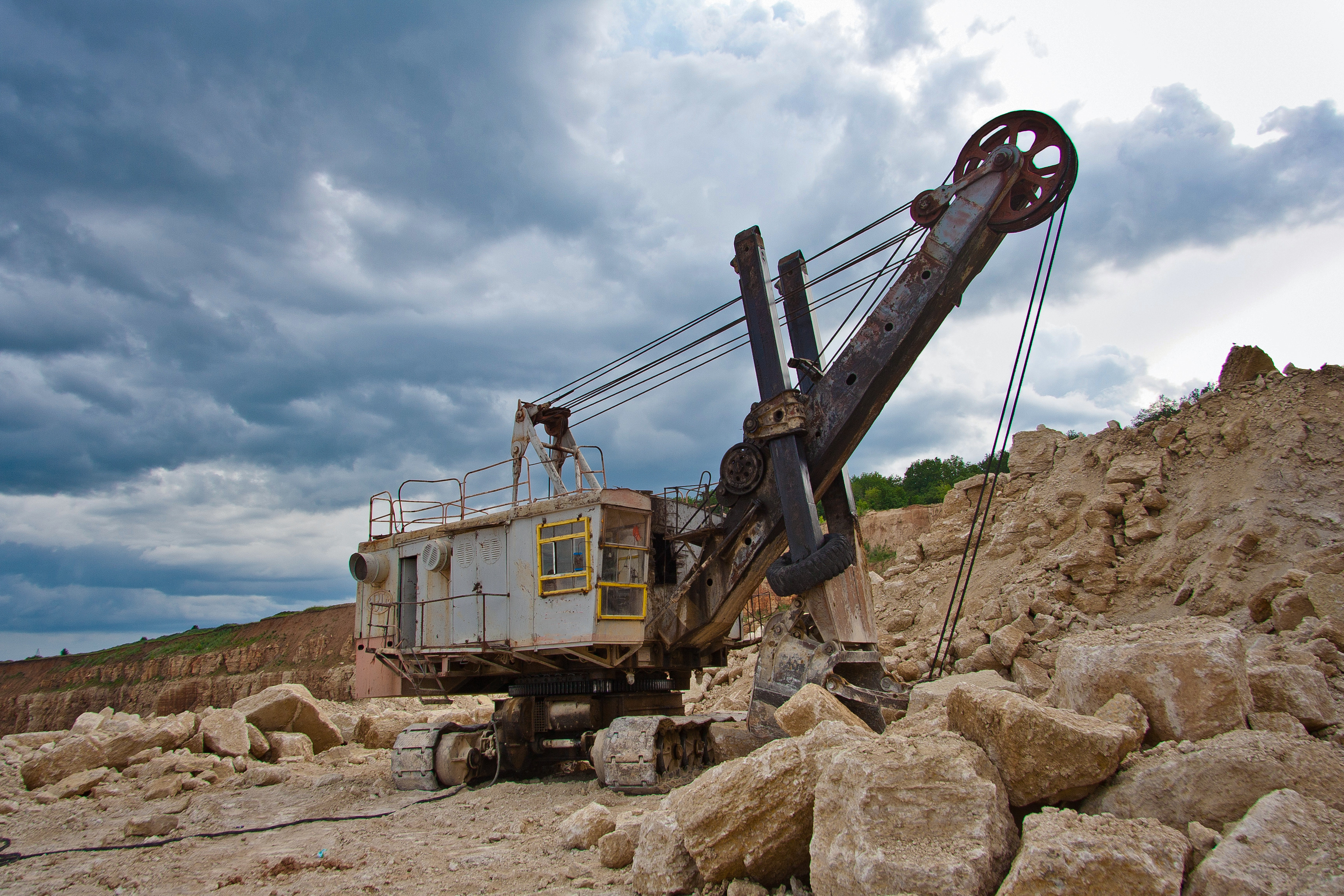
- Coverage Initiation: Oppenheimer has initiated coverage on Vulcan Materials (VMC), the largest U.S. construction materials producer, with a Perform rating, highlighting the company's inherent pricing power and long-term margin expansion as appealing investment characteristics.
- Market Position: Vulcan's entrenched position in the U.S. Sunbelt states, coupled with relatively attractive long-term construction growth attributes, renders its investment outlook undeniably appealing, while its disciplined price leadership and long-term margin expansion opportunities are also noteworthy.
- Financial Performance: The analyst notes that Vulcan's long track record of price discipline and margin expansion through demand cycles has supported a 10-year compounded EBITDA growth of 11% and EPS growth of 17%, reflecting robust financial performance.
- Risk Monitoring: Analyst Brent Thielman is monitoring demand-side catalysts for broader private construction volumes, which have been subdued in recent years, as well as developments in federal transportation funding legislation, particularly the implications of the IIJA expiring in September, alongside potential risks to margins from prevailing higher fuel prices.
See More

U.S. DOJ Requires Taiheiyo Cement to Divest Assets Amid Antitrust Concerns
- Antitrust Review: The U.S. Department of Justice mandates Taiheiyo Cement and its subsidiary CalPortland to divest three ready-mix concrete plants and related assets to address antitrust concerns regarding CalPortland's proposed $712 million acquisition of Vulcan Materials, indicating a strong regulatory focus on market competition.
- Market Concentration: CalPortland and Vulcan are leading suppliers of ready-mix concrete in San Diego County, which is already a highly concentrated market; the DOJ noted that the transaction could lead to higher prices, lower quality, and less favorable terms for buyers, reflecting a need to protect consumer interests.
- Divestiture Requirement: Under the proposed settlement, CalPortland and Vulcan will sell three ready-mix concrete plants to Holliday Rock Co., a move aimed at alleviating competitive concerns arising from the transaction and ensuring healthy market operations.
- Future Outlook: Taiheiyo Cement announced its acquisition of 41 ready-mix concrete plants and other related assets from Vulcan in October 2025; despite facing divestiture requirements, this deal could reshape the landscape of California's concrete market in the future.
See More
Vulcan Materials Company Declares Quarterly Cash Dividend
- Quarterly Cash Dividend: Vulcan Materials Company's Board of Directors declared a cash dividend of $0.52 per share, reflecting the company's solid financial health and commitment to shareholder returns.
- Dividend Payment Date: The dividend will be payable on June 5, 2026, with a record date of May 22, 2026, ensuring shareholders receive timely returns and boosting investor confidence.
- Industry Leadership: As the largest producer of construction aggregates in the U.S., Vulcan dominates in crushed stone, sand, and gravel, further solidifying its competitive edge in the construction materials market.
- Market Impact: The announcement of this dividend not only indicates strong cash flow but may also attract more investor attention, enhancing its performance within the S&P 500 Index.
See More
The Importance of Market Capitalization Analysis
- Market Capitalization Comparison: Vulcan Materials Co has a market cap of $39.42 billion, while Jabil Inc stands at $39.41 billion, highlighting a slight difference in market value that investors should consider for more accurate investment decisions.
- Investor Misconceptions: Many novice investors often compare companies based solely on stock price, but market capitalization provides a more accurate comparison of company value, helping to avoid misunderstandings arising from price differences and better assess investment risks.
- Impact of Company Size: Market capitalization not only affects a company's ranking among peers but also determines which mutual funds and ETFs are willing to hold the stock; for instance, funds focused on large-cap stocks may only be interested in companies valued over $10 billion, influencing capital inflows.
- Market Performance Discrepancies: As of Tuesday's close, VMC's stock fell approximately 2.8%, while JBL's rose about 3.4%, indicating that such performance differences may relate to changes in market capitalization and their perceived standing among investors, reflecting varying expectations for future performance.
See More
Analysis of XLB ETF's 52-Week Price Fluctuations
- Price Range Analysis: The XLB ETF's 52-week low is $42.035 per share, with a high of $54.14, and a current trading price of $50.34, indicating stability within its volatility range, which may attract investor interest.
- Technical Analysis Tool: Comparing the current share price to the 200-day moving average can provide valuable insights for investors, helping to assess market trends and potential buying opportunities.
- ETF Unit Trading Mechanism: ETFs trade like stocks, where investors buy and sell 'units' that can be created or destroyed based on investor demand, impacting the liquidity and market performance of the ETF.
- Inflows and Outflows Monitoring: Weekly monitoring of changes in ETF units focuses on notable inflows (new units created) or outflows (old units destroyed), which directly affects the underlying holdings of the ETF and its market performance.
See More
Vulcan Materials Completes Strategic Acquisition and Divestiture
- Strategic Acquisition and Divestiture: Vulcan Materials has completed the divestiture of its ready-mixed concrete operations in California while acquiring Brannan Sand & Gravel's operations in southern Colorado and Dallas-Fort Worth, enhancing its presence in the western market.
- Resource Integration: The acquisition includes a rail-connected aggregate quarry in Lamar, Colorado, with long-term reserves, which is expected to improve the company's market competitiveness and resource utilization efficiency in the region.
- Distribution Network Enhancement: By establishing a new distribution yard in the Dallas-Fort Worth area, Vulcan aims to meet the growing customer demand, thereby driving sales growth and increasing market share.
- CEO Strategic Statement: CEO Ronnie Pruitt stated that this transaction aligns with the company's aggregates-led growth strategy, demonstrating Vulcan's commitment to enhancing customer service capabilities through expanded market coverage.
See More
Oppenheimer Initiates Coverage on Vulcan Materials with Perform Rating
- Coverage Initiation: Oppenheimer has initiated coverage on Vulcan Materials (VMC), the largest U.S. construction materials producer, with a Perform rating, highlighting the company's inherent pricing power and long-term margin expansion as appealing investment characteristics.
- Market Position: Vulcan's entrenched position in the U.S. Sunbelt states, coupled with relatively attractive long-term construction growth attributes, renders its investment outlook undeniably appealing, while its disciplined price leadership and long-term margin expansion opportunities are also noteworthy.
- Financial Performance: The analyst notes that Vulcan's long track record of price discipline and margin expansion through demand cycles has supported a 10-year compounded EBITDA growth of 11% and EPS growth of 17%, reflecting robust financial performance.
- Risk Monitoring: Analyst Brent Thielman is monitoring demand-side catalysts for broader private construction volumes, which have been subdued in recent years, as well as developments in federal transportation funding legislation, particularly the implications of the IIJA expiring in September, alongside potential risks to margins from prevailing higher fuel prices.
See More
U.S. DOJ Requires Taiheiyo Cement to Divest Assets Amid Antitrust Concerns
- Antitrust Review: The U.S. Department of Justice mandates Taiheiyo Cement and its subsidiary CalPortland to divest three ready-mix concrete plants and related assets to address antitrust concerns regarding CalPortland's proposed $712 million acquisition of Vulcan Materials, indicating a strong regulatory focus on market competition.
- Market Concentration: CalPortland and Vulcan are leading suppliers of ready-mix concrete in San Diego County, which is already a highly concentrated market; the DOJ noted that the transaction could lead to higher prices, lower quality, and less favorable terms for buyers, reflecting a need to protect consumer interests.
- Divestiture Requirement: Under the proposed settlement, CalPortland and Vulcan will sell three ready-mix concrete plants to Holliday Rock Co., a move aimed at alleviating competitive concerns arising from the transaction and ensuring healthy market operations.
- Future Outlook: Taiheiyo Cement announced its acquisition of 41 ready-mix concrete plants and other related assets from Vulcan in October 2025; despite facing divestiture requirements, this deal could reshape the landscape of California's concrete market in the future.
See More
Vulcan Materials Company Declares Quarterly Cash Dividend
- Quarterly Cash Dividend: Vulcan Materials Company's Board of Directors declared a cash dividend of $0.52 per share, reflecting the company's solid financial health and commitment to shareholder returns.
- Dividend Payment Date: The dividend will be payable on June 5, 2026, with a record date of May 22, 2026, ensuring shareholders receive timely returns and boosting investor confidence.
- Industry Leadership: As the largest producer of construction aggregates in the U.S., Vulcan dominates in crushed stone, sand, and gravel, further solidifying its competitive edge in the construction materials market.
- Market Impact: The announcement of this dividend not only indicates strong cash flow but may also attract more investor attention, enhancing its performance within the S&P 500 Index.
See More