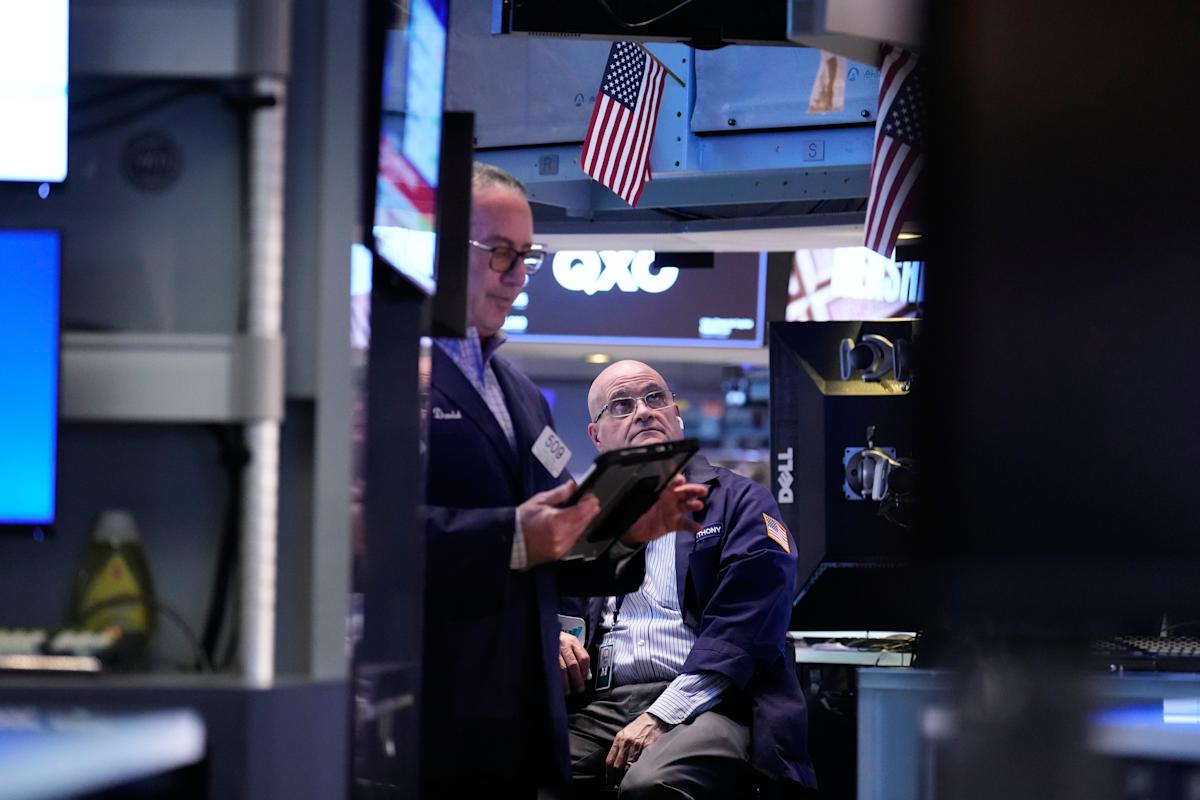
Analyst Adjusts Stock Price Target After Purchasing Palantir Under $10


AI Revolution: The rapid advancement of artificial intelligence, particularly since the launch of ChatGPT, has led to widespread adoption across various industries, enhancing productivity and driving significant investments in AI technologies.
Palantir's Growth: Palantir Technologies has positioned itself as a leading AI development solution, experiencing substantial revenue growth and increasing demand for its platforms, Foundry and Gotham, as companies seek to leverage AI for data analytics.
Market Performance: Despite recent fluctuations in Palantir's stock price, analysts remain optimistic about its future, with expectations of continued revenue growth and a strong market presence, supported by increasing IT budgets for AI initiatives.
Future Projections: Analysts predict that Palantir's revenue will reach $6.19 billion next year, with a significant increase in earnings per share, indicating a robust outlook for the company's AI solutions and overall market demand.
Trade with 70% Backtested Accuracy
Analyst Views on GOOGL

About GOOGL
About the author


Alphabet Emerges as a High-Quality Cash Flow Franchise

- Market Environment Improvement: With the establishment of a ceasefire framework in Iran and a sharp decline in oil prices, Alphabet showcases its strong cash flow characteristics at a time when the macro backdrop is shifting towards quality growth, potentially attracting more investor interest in its long-term growth prospects.
- Technical Support Recovery: Alphabet's stock price has reclaimed the $310 resistance level, indicating that market risk appetite for large-cap tech stocks is improving after geopolitical volatility, which could pave the way for further upside.
- AI Full-Stack Advantage: As the only company with comprehensive AI capabilities, Alphabet's strong presence across chips, cloud computing, and research positions it as a leader in the AI market, enhancing investor confidence in its future profitability.
- Self-Funding Cash Flow: Alphabet's ability to aggressively invest in chips and cloud capabilities while generating substantial free cash flow provides it with a significant edge in the AI competition, further solidifying its market position.

Anthropic Considering Production of Its Own Chips, Sources Indicate

Exclusive News: Anthropic is reportedly developing its own chips for AI applications, indicating a shift towards in-house hardware solutions.
Strategic Move: This initiative may enhance Anthropic's capabilities in AI model training and deployment, potentially increasing its competitiveness in the tech industry.
U.S. Stocks Rally as Market Sentiment Improves


- Strong Market Performance: The S&P 500 has risen 3.7% since Monday, marking a seven-day winning streak, the longest since October, indicating a significant improvement in market sentiment and a rebound in investor confidence.
- Inflation Data Expectations: Economists anticipate that the consumer price index, set to be released on Friday, will show a 3.3% year-over-year increase, with a 2.7% rise excluding food and energy, which could significantly impact market sentiment and investment decisions amid rising oil prices.
- Tech Sector Volatility: The iShares Expanded Tech-Software Sector ETF (IGV) fell about 4%, hitting a 52-week low, primarily due to the rollout of Anthropic's latest platform, highlighting the fragility of tech stocks and potentially affecting investor confidence in the sector.
- Amazon's AI Investment: Amazon's stock surged 5.6%, its largest gain since October, as CEO Andy Jassy announced plans to invest approximately $200 billion in AI infrastructure, underscoring the company's commitment to future technological advancements and its competitive position in the market.

EXCLUSIVE - SOURCES REVEAL ANTHROPIC IS CONSIDERING DEVELOPING ITS OWN CHIPS

Exclusive News: Anthropic is reportedly developing its own chips for AI applications, indicating a shift towards in-house hardware solutions.
Strategic Move: This initiative may enhance Anthropic's capabilities in AI and machine learning, allowing for more tailored and efficient processing.

OpenAI Criticizes Anthropic's Compute Strategy
- Compute Capacity Comparison: OpenAI plans to achieve 30 gigawatts of compute by 2030, while Anthropic is expected to have only 7 to 8 gigawatts by the end of 2027, indicating a significant lead for OpenAI that could reshape market dynamics.
- Intensifying Market Competition: As Anthropic gains traction in the enterprise market, OpenAI expresses concerns over its rival's constrained compute strategy, which may hinder Anthropic's positioning in the rapidly evolving AI landscape.
- Infrastructure Advantage: OpenAI highlights that continuous upgrades to its infrastructure enhance the training capabilities of each model generation while reducing the cost per unit of intelligence, thereby creating a
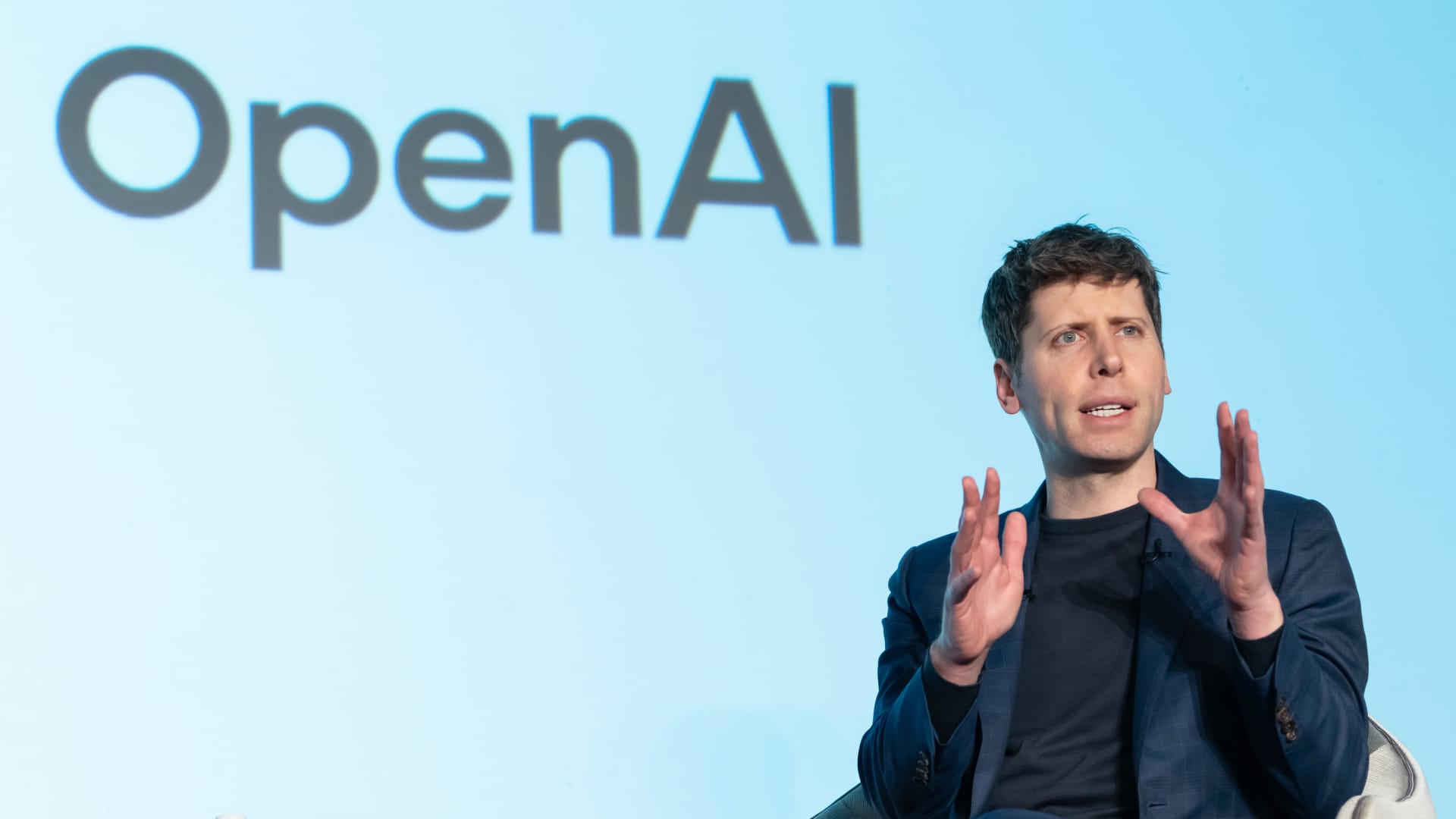
OpenAI Intensifies Competition with Anthropic in AI Market
- Compute Capacity Comparison: OpenAI plans to achieve 30 gigawatts of compute by 2030, while Anthropic is expected to reach only 7 to 8 gigawatts by the end of 2027, highlighting OpenAI's significant lead in computational resources that could impact its market competitiveness.
- Market Positioning Battle: As both companies compete in the rapidly evolving market for large language models and AI services, OpenAI's growing concerns about Anthropic indicate potential threats to its standing in investors' eyes.
- IPO Preparations: Both OpenAI and Anthropic are gearing up for potential initial public offerings (IPOs), facing pressure from cash-rich companies like Google and Meta, while striving to demonstrate sustainable business models.
- Technological Advantage: OpenAI emphasizes its infrastructure and model advantages, claiming that its
Alphabet Emerges as a High-Quality Cash Flow Franchise
- Market Environment Improvement: With the establishment of a ceasefire framework in Iran and a sharp decline in oil prices, Alphabet showcases its strong cash flow characteristics at a time when the macro backdrop is shifting towards quality growth, potentially attracting more investor interest in its long-term growth prospects.
- Technical Support Recovery: Alphabet's stock price has reclaimed the $310 resistance level, indicating that market risk appetite for large-cap tech stocks is improving after geopolitical volatility, which could pave the way for further upside.
- AI Full-Stack Advantage: As the only company with comprehensive AI capabilities, Alphabet's strong presence across chips, cloud computing, and research positions it as a leader in the AI market, enhancing investor confidence in its future profitability.
- Self-Funding Cash Flow: Alphabet's ability to aggressively invest in chips and cloud capabilities while generating substantial free cash flow provides it with a significant edge in the AI competition, further solidifying its market position.
Anthropic Considering Production of Its Own Chips, Sources Indicate
Exclusive News: Anthropic is reportedly developing its own chips for AI applications, indicating a shift towards in-house hardware solutions.
Strategic Move: This initiative may enhance Anthropic's capabilities in AI model training and deployment, potentially increasing its competitiveness in the tech industry.
U.S. Stocks Rally as Market Sentiment Improves
- Strong Market Performance: The S&P 500 has risen 3.7% since Monday, marking a seven-day winning streak, the longest since October, indicating a significant improvement in market sentiment and a rebound in investor confidence.
- Inflation Data Expectations: Economists anticipate that the consumer price index, set to be released on Friday, will show a 3.3% year-over-year increase, with a 2.7% rise excluding food and energy, which could significantly impact market sentiment and investment decisions amid rising oil prices.
- Tech Sector Volatility: The iShares Expanded Tech-Software Sector ETF (IGV) fell about 4%, hitting a 52-week low, primarily due to the rollout of Anthropic's latest platform, highlighting the fragility of tech stocks and potentially affecting investor confidence in the sector.
- Amazon's AI Investment: Amazon's stock surged 5.6%, its largest gain since October, as CEO Andy Jassy announced plans to invest approximately $200 billion in AI infrastructure, underscoring the company's commitment to future technological advancements and its competitive position in the market.
EXCLUSIVE - SOURCES REVEAL ANTHROPIC IS CONSIDERING DEVELOPING ITS OWN CHIPS
Exclusive News: Anthropic is reportedly developing its own chips for AI applications, indicating a shift towards in-house hardware solutions.
Strategic Move: This initiative may enhance Anthropic's capabilities in AI and machine learning, allowing for more tailored and efficient processing.
OpenAI Criticizes Anthropic's Compute Strategy
- Compute Capacity Comparison: OpenAI plans to achieve 30 gigawatts of compute by 2030, while Anthropic is expected to have only 7 to 8 gigawatts by the end of 2027, indicating a significant lead for OpenAI that could reshape market dynamics.
- Intensifying Market Competition: As Anthropic gains traction in the enterprise market, OpenAI expresses concerns over its rival's constrained compute strategy, which may hinder Anthropic's positioning in the rapidly evolving AI landscape.
- Infrastructure Advantage: OpenAI highlights that continuous upgrades to its infrastructure enhance the training capabilities of each model generation while reducing the cost per unit of intelligence, thereby creating a
OpenAI Intensifies Competition with Anthropic in AI Market
- Compute Capacity Comparison: OpenAI plans to achieve 30 gigawatts of compute by 2030, while Anthropic is expected to reach only 7 to 8 gigawatts by the end of 2027, highlighting OpenAI's significant lead in computational resources that could impact its market competitiveness.
- Market Positioning Battle: As both companies compete in the rapidly evolving market for large language models and AI services, OpenAI's growing concerns about Anthropic indicate potential threats to its standing in investors' eyes.
- IPO Preparations: Both OpenAI and Anthropic are gearing up for potential initial public offerings (IPOs), facing pressure from cash-rich companies like Google and Meta, while striving to demonstrate sustainable business models.
- Technological Advantage: OpenAI emphasizes its infrastructure and model advantages, claiming that its