Analysis of Three High-Risk Dividend Stocks
Written by Emily J. Thompson, Senior Investment Analyst
Updated: 2 days ago
0mins


Source: Fool
- Clorox Dividend Risk: Clorox's dividend yield stands at 5.6%, yet its projected diluted earnings per share (EPS) range of $4.78 to $4.98 suggests that its annual dividend of $4.96 may not be sustainable, especially given its free cash flow of only $380 million, which falls short of the $602 million paid out in dividends, prompting investors to exercise caution.
- Nike Earnings Decline: With a dividend yield of 3.9%, Nike's net income has plummeted by 32% to $2 billion, and its diluted EPS of $1.38 is only slightly above the declared dividend of $1.22 per share, indicating that the company may need to cut its dividend to fund its growth strategy, despite its stock price having dropped nearly 70% over the past five years.
- UPS Dividend Uncertainty: UPS offers a 6.6% dividend yield, but its diluted EPS of $1.02 is significantly below the $1.64 it pays in quarterly dividends, and the company is facing growth challenges after reducing its business with Amazon; although it recently declared a dividend, indicating temporary stability, future uncertainty remains.
- Market Reaction Tepid: Despite the attractive dividends of these three stocks, poor financial conditions have led to low investor interest, with Clorox and Nike experiencing significant stock price declines over the past five years, while UPS has also lost more than half its value, reflecting market caution towards high-risk dividend stocks.
Trade with 70% Backtested Accuracy
Stop guessing "Should I Buy NKE?" and start using high-conviction signals backed by rigorous historical data.
Sign up today to access powerful investing tools and make smarter, data-driven decisions.
Analyst Views on NKE
Wall Street analysts forecast NKE stock price to rise
21 Analyst Rating
14 Buy
7 Hold
0 Sell
Moderate Buy
Current: 42.340

Low
62.00
Averages
76.11
High
110.00
Current: 42.340
Low
62.00
Averages
76.11
High
110.00
About NKE
NIKE, Inc. is engaged in the designing, marketing and distributing of athletic footwear, apparel, equipment and accessories and services for sports and fitness activities. The Company's operating segments include North America; Europe, Middle East & Africa (EMEA); Greater China; and Asia Pacific & Latin America (APLA). It sells a line of equipment and accessories under the NIKE Brand name, including bags, socks, sport balls, eyewear, timepieces, digital devices, bats, gloves, protective equipment and other equipment designed for sports activities. It also designs products specifically for the Jordan Brand and Converse. The Jordan Brand designs, distributes and licenses athletic and casual footwear, apparel and accessories predominantly focused on basketball performance and culture using the Jumpman trademark. The Company also designs, distributes and licenses casual sneakers, apparel and accessories under the Chuck Taylor, All Star, One Star, Star Chevron and Jack Purcell trademarks.
About the author

Emily J. Thompson
Emily J. Thompson, a Chartered Financial Analyst (CFA) with 12 years in investment research, graduated with honors from the Wharton School. Specializing in industrial and technology stocks, she provides in-depth analysis for Intellectia’s earnings and market brief reports.
Nike Faces Sales and Profit Pressures Amid Market Challenges
- Declining Profit Margins: Nike's net income margin fell to 4.6% in Q3 of fiscal 2023 from 7% in the same quarter last year, indicating severe pressure on profitability due to rising costs and weak demand.
- Challenges in China: The company expects a 20% year-over-year decline in sales in the Greater China segment this quarter, reflecting tariff pressures and a growing consumer preference for domestic brands, which undermines Nike's growth potential in this critical market.
- Impact of Direct Sales Model: While Nike's shift to direct-to-consumer sales aimed to enhance margins, it has backfired by weakening relationships with third-party retailers, leading to a compromised sales stream and overall performance.
- Poor Stock Performance: Nike's stock has plummeted approximately 70% over the past five years, and despite the market still assigning a valuation premium based on brand strength, the stock may continue to struggle without clear signs of business recovery.
See More

Political Pressure Mounts for Consumer Rebates Amid Nike Class Action
- Political Pressure: Senator Mark Kelly of Arizona has accused the administration's tariff policy of increasing household costs, asserting that savings should be returned to consumers rather than benefiting large corporations, highlighting growing dissatisfaction with current policies.
- Nike Faces Lawsuit: Nike is facing a proposed consumer class action lawsuit alleging that the company retained tariff-related savings while passing costs onto consumers, suggesting that if Nike receives refunds, customers should also benefit, reflecting market expectations for pricing transparency.
- Price Increase Impact: The lawsuit claims Nike raised shoe prices by $5 to $10 and clothing prices by $2 to $10 due to tariffs, indicating the profound impact of tariff policies on retailers' pricing strategies, which may prompt Nike to reassess its pricing and refund practices.
- Stock Decline and Confidence: Nike's stock has fallen over 33% since the beginning of the year, with analysts suggesting the company may be undergoing a long-term 'generational reset', although insider purchases by executives like CEO Elliott Hill and Apple CEO Tim Cook indicate confidence in the stock's future potential.
See More
Nike Faces Pressure from Slowing Innovation
- Nike Growth Pressure: Nike is facing dual pressures from insufficient innovation and declining demand for legacy products, with expectations of slight sales declines through 2026, particularly in Greater China, leading to diminished investor confidence in future growth.
- Shopify Growth Slowdown: Shopify anticipates Q2 revenue growth to slow to the high-20% range due to reduced spending by merchants and rising costs in delivery and payment systems, raising concerns about short-term earnings growth, resulting in a stock price drop of over 4%.
- Celsius Expansion Cooling: Celsius reported a 138% year-over-year revenue surge to $783 million in Q1, primarily driven by acquisitions, while core brand sales grew only 6%, and profit margins fell from 52.3% to 48.3%, raising doubts about its growth sustainability, with shares declining over 5%.
- Inflation Impact on Consumer Behavior: U.S. inflation rose to 3.8% year-over-year in April, with gasoline prices surging about 50% since the U.S.-Iran war, leading to changes in consumer spending behavior that negatively affected the market performance of Nike, Shopify, and Celsius.
See More
Nike Stock Plummets to 12-Year Low Amid Legal and Financial Pressures
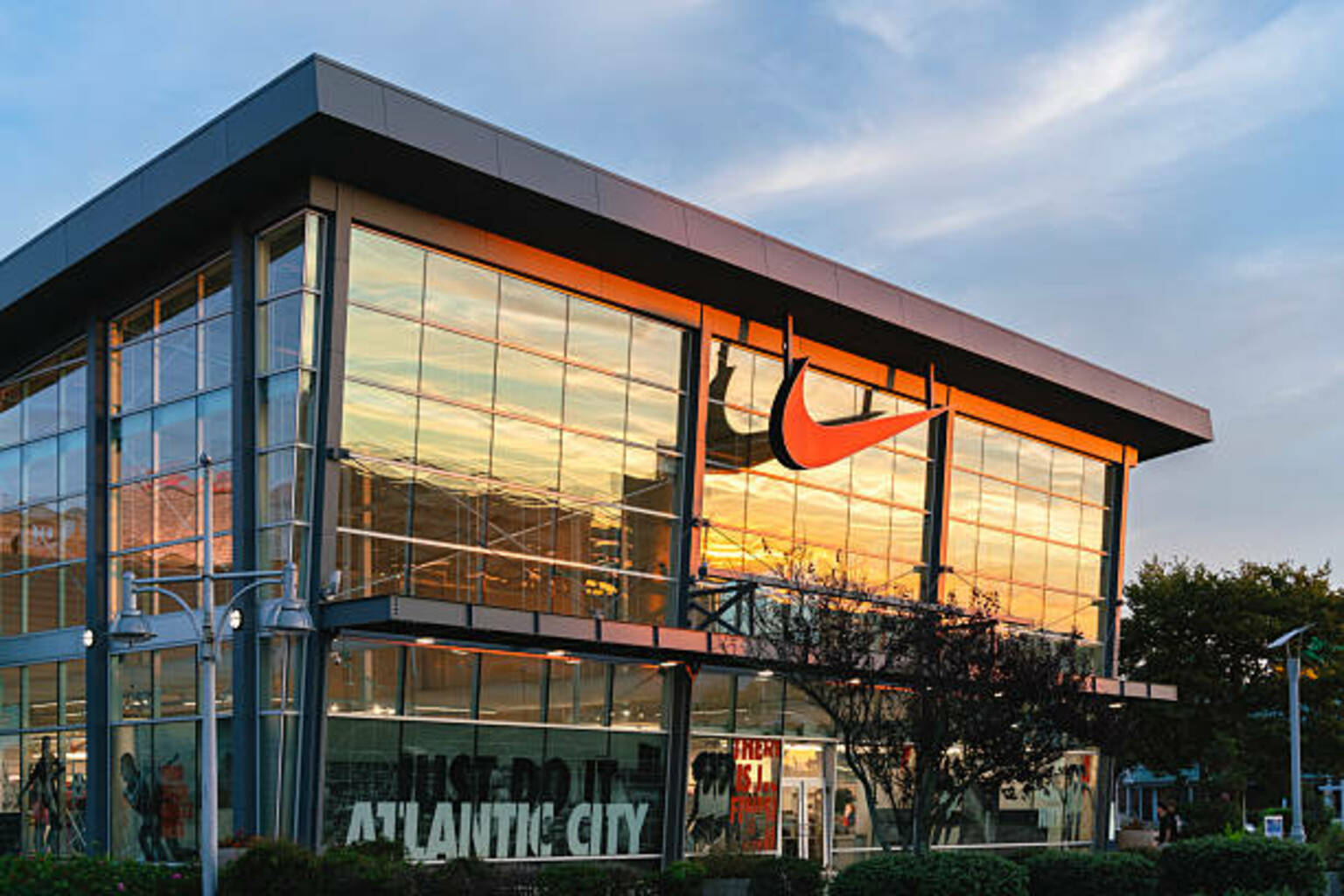
- Sharp Stock Decline: Nike (NKE) shares have plummeted from approximately $62 at the beginning of the year to nearly $42.3, marking a 12-year low since 2015, resulting in a year-to-date decline of about 34%, contrasting sharply with the S&P 500's 8.11% gain during the same period.
- Weak Technical Indicators: Technical analysis reveals that the RSI is hovering near oversold levels while the MACD has remained weak for most recent sessions, indicating persistent bearish momentum that has severely undermined investor confidence in Nike's stock performance.
- Legal Pressure: A consumer lawsuit filed in federal court in Portland, Oregon, questions refund-related rulings from February, adding to market concerns about Nike's financial health, especially after the company disclosed nearly $1 billion in tariff-related costs that have pressured pricing.
- Sales Guidance Downgrade: Management anticipates a 20% decline in sales in the China market for Q4, with broader guidance indicating a 2%-4% sales decline in fiscal Q4, highlighting the ongoing challenges Nike faces in global markets.
See More
Key Market Insights: Semiconductor and AI Stocks


- Semiconductor and AI Stock Rebound: After a day of selling, stocks like Micron and Corning are rebounding this morning, indicating ongoing market interest in semiconductor and AI stocks, despite S&P futures declining due to hotter-than-expected April wholesale inflation data.
- Nvidia Price Target Increase: Bank of America raised Nvidia's price target from $300 to $320, reflecting optimism ahead of its upcoming earnings report, while CEO Jensen Huang's attendance at the summit with Trump in China may further boost the stock.
- Qnity Electronics Strong Performance: Following a strong earnings report, Qnity Electronics saw price target increases from Deutsche Bank and BMO Capital to $180 and $200 respectively, showcasing market confidence in AI stocks, particularly amidst a broader market downturn.
- Johnson & Johnson Rating Upgrade: Leerink upgraded Johnson & Johnson to a buy rating with a price target increase from $252 to $265, anticipating sales for its psoriasis drug Icotyde to reach $10.5 billion by 2032, significantly above the consensus estimate of $7.4 billion, highlighting its growth potential.
See More
US Stocks Retreat, Focus on China Market Dynamics


- China ETF Weakness: The iShares China Large-Cap ETF (FXI) has declined 11% from its October peak, although it gained 3% in the past month, indicating a lack of investor confidence in China's economic recovery, which may affect overall market sentiment.
- Alibaba's Stock Decline: Alibaba's shares have fallen 15% over the past three months and are down 30% from their October high, reflecting market concerns about its future growth prospects, potentially leading investors to reassess its position in the Chinese internet sector.
- Cisco Systems Strong Recovery: Cisco's stock has surged 32% in the last three months, hitting a new high on Tuesday, with a 21% increase in the past month, demonstrating robust demand in the networking equipment market, which may attract more investor interest.
- Major Companies Hit New Lows: Notable firms like Nike, Ingersoll Rand, and Jacobs Solutions have reached new lows, indicating a decline in market confidence, which could impact their future financing and expansion plans.
See More
Nike Faces Sales and Profit Pressures Amid Market Challenges
- Declining Profit Margins: Nike's net income margin fell to 4.6% in Q3 of fiscal 2023 from 7% in the same quarter last year, indicating severe pressure on profitability due to rising costs and weak demand.
- Challenges in China: The company expects a 20% year-over-year decline in sales in the Greater China segment this quarter, reflecting tariff pressures and a growing consumer preference for domestic brands, which undermines Nike's growth potential in this critical market.
- Impact of Direct Sales Model: While Nike's shift to direct-to-consumer sales aimed to enhance margins, it has backfired by weakening relationships with third-party retailers, leading to a compromised sales stream and overall performance.
- Poor Stock Performance: Nike's stock has plummeted approximately 70% over the past five years, and despite the market still assigning a valuation premium based on brand strength, the stock may continue to struggle without clear signs of business recovery.
See More
Political Pressure Mounts for Consumer Rebates Amid Nike Class Action
- Political Pressure: Senator Mark Kelly of Arizona has accused the administration's tariff policy of increasing household costs, asserting that savings should be returned to consumers rather than benefiting large corporations, highlighting growing dissatisfaction with current policies.
- Nike Faces Lawsuit: Nike is facing a proposed consumer class action lawsuit alleging that the company retained tariff-related savings while passing costs onto consumers, suggesting that if Nike receives refunds, customers should also benefit, reflecting market expectations for pricing transparency.
- Price Increase Impact: The lawsuit claims Nike raised shoe prices by $5 to $10 and clothing prices by $2 to $10 due to tariffs, indicating the profound impact of tariff policies on retailers' pricing strategies, which may prompt Nike to reassess its pricing and refund practices.
- Stock Decline and Confidence: Nike's stock has fallen over 33% since the beginning of the year, with analysts suggesting the company may be undergoing a long-term 'generational reset', although insider purchases by executives like CEO Elliott Hill and Apple CEO Tim Cook indicate confidence in the stock's future potential.
See More
Nike Faces Pressure from Slowing Innovation
- Nike Growth Pressure: Nike is facing dual pressures from insufficient innovation and declining demand for legacy products, with expectations of slight sales declines through 2026, particularly in Greater China, leading to diminished investor confidence in future growth.
- Shopify Growth Slowdown: Shopify anticipates Q2 revenue growth to slow to the high-20% range due to reduced spending by merchants and rising costs in delivery and payment systems, raising concerns about short-term earnings growth, resulting in a stock price drop of over 4%.
- Celsius Expansion Cooling: Celsius reported a 138% year-over-year revenue surge to $783 million in Q1, primarily driven by acquisitions, while core brand sales grew only 6%, and profit margins fell from 52.3% to 48.3%, raising doubts about its growth sustainability, with shares declining over 5%.
- Inflation Impact on Consumer Behavior: U.S. inflation rose to 3.8% year-over-year in April, with gasoline prices surging about 50% since the U.S.-Iran war, leading to changes in consumer spending behavior that negatively affected the market performance of Nike, Shopify, and Celsius.
See More
Nike Stock Plummets to 12-Year Low Amid Legal and Financial Pressures
- Sharp Stock Decline: Nike (NKE) shares have plummeted from approximately $62 at the beginning of the year to nearly $42.3, marking a 12-year low since 2015, resulting in a year-to-date decline of about 34%, contrasting sharply with the S&P 500's 8.11% gain during the same period.
- Weak Technical Indicators: Technical analysis reveals that the RSI is hovering near oversold levels while the MACD has remained weak for most recent sessions, indicating persistent bearish momentum that has severely undermined investor confidence in Nike's stock performance.
- Legal Pressure: A consumer lawsuit filed in federal court in Portland, Oregon, questions refund-related rulings from February, adding to market concerns about Nike's financial health, especially after the company disclosed nearly $1 billion in tariff-related costs that have pressured pricing.
- Sales Guidance Downgrade: Management anticipates a 20% decline in sales in the China market for Q4, with broader guidance indicating a 2%-4% sales decline in fiscal Q4, highlighting the ongoing challenges Nike faces in global markets.
See More
Key Market Insights: Semiconductor and AI Stocks
- Semiconductor and AI Stock Rebound: After a day of selling, stocks like Micron and Corning are rebounding this morning, indicating ongoing market interest in semiconductor and AI stocks, despite S&P futures declining due to hotter-than-expected April wholesale inflation data.
- Nvidia Price Target Increase: Bank of America raised Nvidia's price target from $300 to $320, reflecting optimism ahead of its upcoming earnings report, while CEO Jensen Huang's attendance at the summit with Trump in China may further boost the stock.
- Qnity Electronics Strong Performance: Following a strong earnings report, Qnity Electronics saw price target increases from Deutsche Bank and BMO Capital to $180 and $200 respectively, showcasing market confidence in AI stocks, particularly amidst a broader market downturn.
- Johnson & Johnson Rating Upgrade: Leerink upgraded Johnson & Johnson to a buy rating with a price target increase from $252 to $265, anticipating sales for its psoriasis drug Icotyde to reach $10.5 billion by 2032, significantly above the consensus estimate of $7.4 billion, highlighting its growth potential.
See More
US Stocks Retreat, Focus on China Market Dynamics
- China ETF Weakness: The iShares China Large-Cap ETF (FXI) has declined 11% from its October peak, although it gained 3% in the past month, indicating a lack of investor confidence in China's economic recovery, which may affect overall market sentiment.
- Alibaba's Stock Decline: Alibaba's shares have fallen 15% over the past three months and are down 30% from their October high, reflecting market concerns about its future growth prospects, potentially leading investors to reassess its position in the Chinese internet sector.
- Cisco Systems Strong Recovery: Cisco's stock has surged 32% in the last three months, hitting a new high on Tuesday, with a 21% increase in the past month, demonstrating robust demand in the networking equipment market, which may attract more investor interest.
- Major Companies Hit New Lows: Notable firms like Nike, Ingersoll Rand, and Jacobs Solutions have reached new lows, indicating a decline in market confidence, which could impact their future financing and expansion plans.
See More