Analysis of HALO Stocks Market Performance
Written by Emily J. Thompson, Senior Investment Analyst
Updated: 40 minutes ago
0mins

Source: Fool
- HALO Stocks Concept Review: HALO stocks refer to companies with heavy assets that are less likely to be replaced by AI; the recent launch of new AI agents by Anthropic has reignited market interest in these stocks, particularly as financial data companies like Thomson Reuters and Moody's saw declines due to concerns.
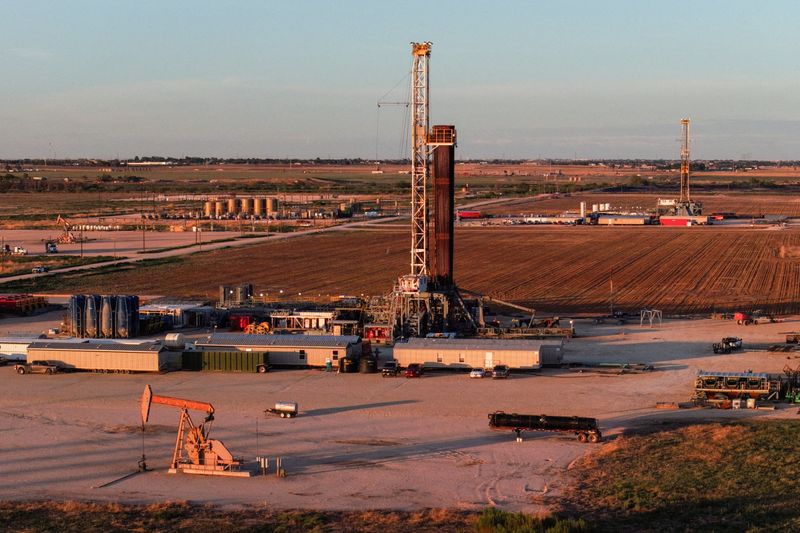
- Strong Performance of Energy Companies: For instance, ExxonMobil's stock rose 24% in 2026, primarily driven by soaring oil prices due to the Iran war, indicating that energy companies maintain significant market resilience amid growing AI demand.
- Challenges for Consumer Goods Companies: Despite McDonald's substantial physical assets, its stock has dropped about 7% in 2026, reflecting the negative impact of high gasoline prices on consumer spending, particularly among its target demographic.
- Robust Growth in Construction and Agriculture Equipment: Caterpillar and Deere have seen stock increases of 59% and 26% in 2026, respectively, significantly outperforming the broader market, highlighting their essential role in infrastructure development amid the AI revolution.
Trade with 70% Backtested Accuracy
Stop guessing "Should I Buy MCD?" and start using high-conviction signals backed by rigorous historical data.
Sign up today to access powerful investing tools and make smarter, data-driven decisions.
Analyst Views on MCD
Wall Street analysts forecast MCD stock price to rise
23 Analyst Rating
12 Buy
11 Hold
0 Sell
Moderate Buy
Current: 283.700

Low
300.00
Averages
337.63
High
375.00
Current: 283.700
Low
300.00
Averages
337.63
High
375.00
About MCD
McDonald's Corporation is a global foodservice retailer. Its segment includes U.S., International Operated Markets, and International Developmental Licensed Markets & Corporate. The U.S. segment is its largest market and is 95% franchised. The International Operated Markets segment comprises markets or countries in which it operates and franchises restaurants, including Australia, Canada, France, Germany, Italy, Poland, Spain, and the United Kingdom. This segment is 89% franchised. The International Developmental Licensed Markets & Corporate segment comprises development licensee and affiliate markets, including equity method investments in China and Japan. This segment is 99% franchised. Its menu features hamburgers and cheeseburgers, the Big Mac, the Quarter Pounder with Cheese, the Filet-O-Fish, and several chicken sandwiches, such as the McChicken and McCrispy as well as Chicken McNuggets, Fries, shakes, sundaes, cookies, soft drinks, coffee, and other beverages.
About the author

Emily J. Thompson
Emily J. Thompson, a Chartered Financial Analyst (CFA) with 12 years in investment research, graduated with honors from the Wharton School. Specializing in industrial and technology stocks, she provides in-depth analysis for Intellectia’s earnings and market brief reports.
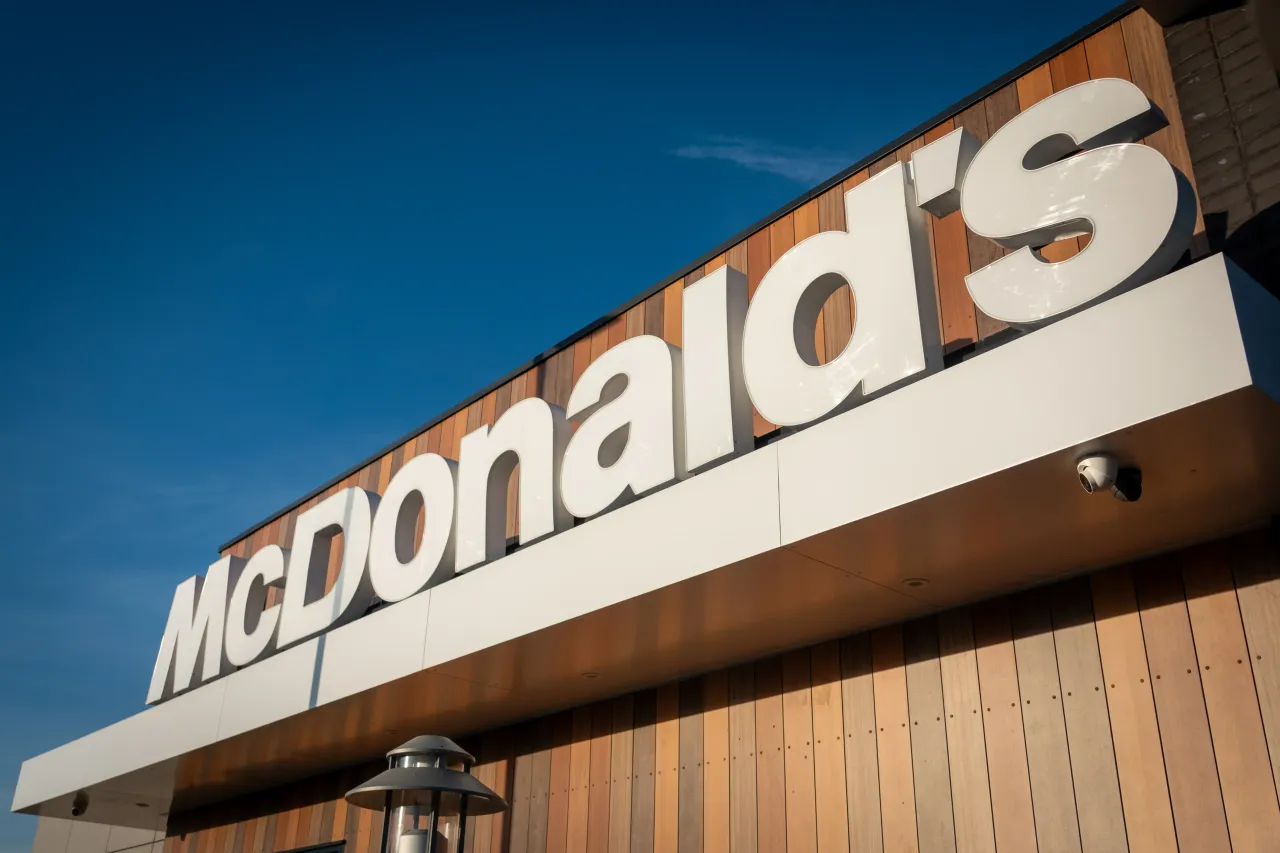
McDonald's Q1 Earnings Beat Expectations

- Significant Revenue Growth: McDonald's reported Q1 revenue of $6.52 billion, a 9% increase year-over-year, surpassing the market expectation of $6.47 billion, highlighting strong performance in key markets, particularly the U.K., Germany, and Australia.
- Earnings Per Share Exceeds Expectations: The adjusted earnings per share reached $2.83, exceeding analyst estimates of $2.74, reflecting the company's competitive edge in value and affordability, which further boosts investor confidence.
- Global Sales Growth: Global comparable sales grew by 3.8%, with positive growth in both the U.S. and international markets, indicating McDonald's continued expansion of market share, especially in markets demonstrating strong execution.
- Restructuring Costs Impact: The company incurred a pre-tax restructuring charge of $47 million during the quarter as part of its internal effort to modernize workflows; nevertheless, the overall performance remained robust, demonstrating the company's commitment to operational optimization.
See More
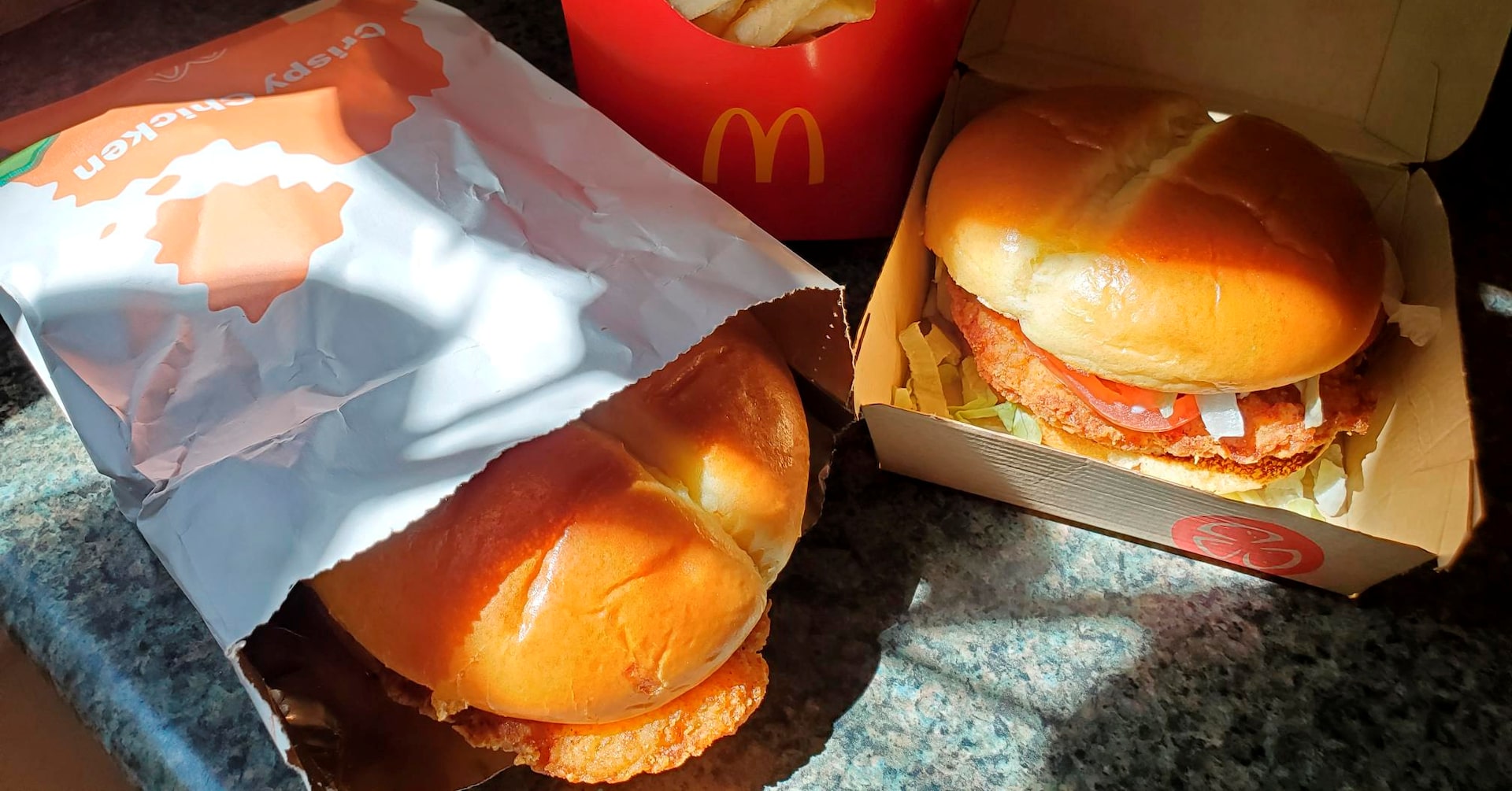
MCDONALD'S CEO REPORTS MIDDLE EAST CONFLICT DID NOT SIGNIFICANTLY AFFECT Q1 RESULTS, BUT OPERATING CONDITIONS CONTINUE TO BE UNSTABLE - CONFERENCE CALL
Impact of Middle East Conflict: McDonald's CEO stated that the ongoing conflict in the Middle East did not materially affect the company's Q1 results.
Operating Environment Concerns: Despite the stable financial results, the CEO noted that the operating environment remains volatile.
See More

Analysis of HALO Stocks Market Performance

- HALO Stocks Concept Review: HALO stocks refer to companies with heavy assets that are less likely to be replaced by AI; the recent launch of new AI agents by Anthropic has reignited market interest in these stocks, particularly as financial data companies like Thomson Reuters and Moody's saw declines due to concerns.
- Strong Performance of Energy Companies: For instance, ExxonMobil's stock rose 24% in 2026, primarily driven by soaring oil prices due to the Iran war, indicating that energy companies maintain significant market resilience amid growing AI demand.
- Challenges for Consumer Goods Companies: Despite McDonald's substantial physical assets, its stock has dropped about 7% in 2026, reflecting the negative impact of high gasoline prices on consumer spending, particularly among its target demographic.
- Robust Growth in Construction and Agriculture Equipment: Caterpillar and Deere have seen stock increases of 59% and 26% in 2026, respectively, significantly outperforming the broader market, highlighting their essential role in infrastructure development amid the AI revolution.
See More
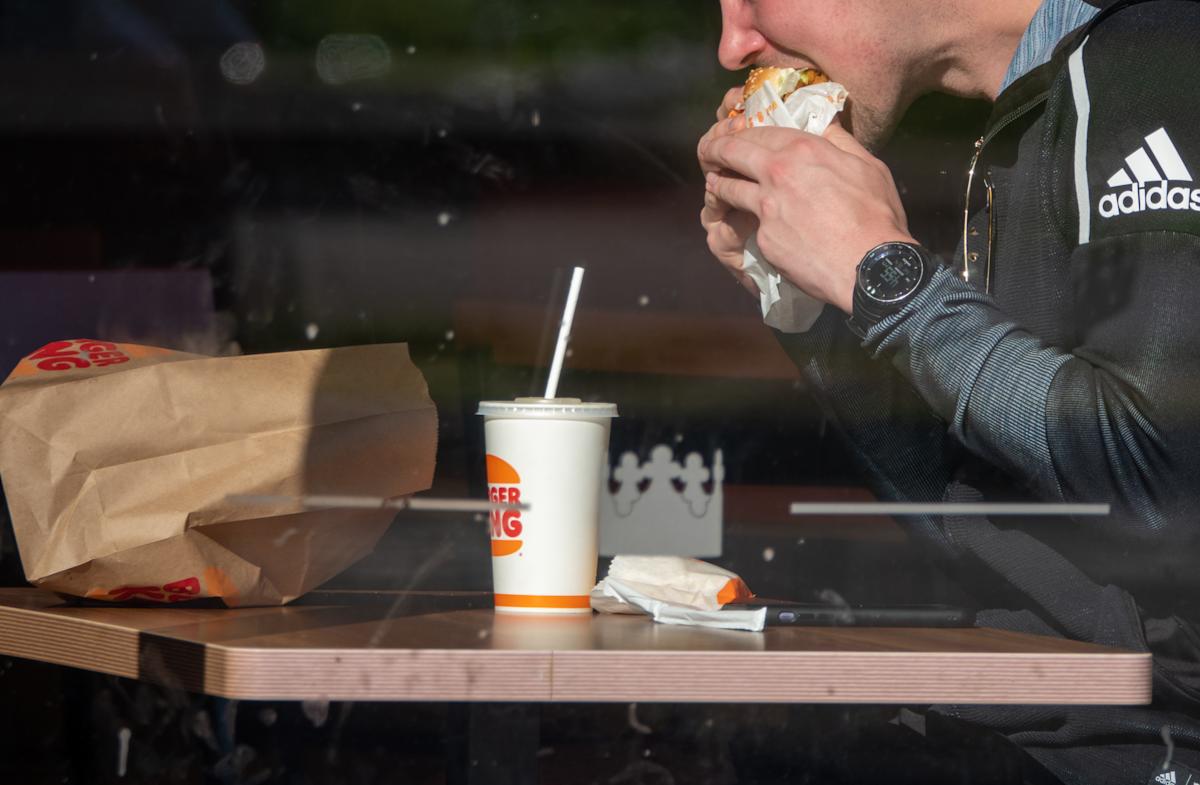
Burger King Maintains Self-Service Fountain Machines Amid McDonald's Shift
- Consumer Demand Focus: Tom Curtis, President of Burger King US and Canada, stated that consumers want to mix their own drinks and enjoy refills in restaurants, which allows Burger King to better meet customer needs and enhance the dining experience.
- Strong Market Performance: Burger King achieved a 5.8% same-store sales increase in the first quarter, outperforming the quick-service restaurant industry by over five percentage points, demonstrating significant competitive advantage in a challenging market.
- McDonald's Strategic Shift: McDonald's plans to phase out self-service fountain machines by 2032, aiming to improve customer and staff dining experiences while controlling beverage portions and maintenance costs, a move that could impact its market share.
- Changing Competitive Landscape: Burger King has shown that by offering a better customer experience and core product, growth is achievable even in a zero-sum market, highlighting its strategic advantage in the fast-food industry.
See More

Dutch Bros Stock Soars on Analyst Upgrades

- Analyst Optimism: Telsey analyst Sarang Vora initiated coverage of Dutch Bros with an outperform rating and a $66 price target, citing the company's unique position and strong customer loyalty, which contributed to a nearly 14% stock increase.
- Price Target Increases: UBS's Dennis Geiger and RBC Capital's Logan Reich reiterated buy ratings, with Geiger setting a target of $85 per share, reflecting strong confidence in the company's expansion, although Reich expressed caution regarding competition.
- Market Response: DA Davidson's Matt Curtis raised his price target from $67 to $70, acknowledging competitive pressures but believing that new product launches from major brands will benefit the overall beverage retail market, indicating a positive outlook for the industry.
- Valuation Concerns: Despite Dutch Bros' solid first-quarter results, its forward P/E ratio nearing 72 and price/sales ratio over 4 raise concerns about its valuation in a relatively mature beverage market, which may impact future stock performance.
See More

Dutch Bros Stock Analysis and Forecast
- Analyst Coverage Initiation: Telsey analyst Sarang Vora initiated coverage on Dutch Bros stock with a buy rating and a price target of $66, highlighting the company's uniqueness and strong customer loyalty in the retail beverage sector, which boosts market confidence in its future growth.
- Price Target Increase: UBS's Dennis Geiger raised his price target to $85, emphasizing the company's strong expansion momentum, while RBC's Logan Reich expressed caution regarding competition, suggesting that new product launches could impact Dutch Bros' market share.
- Market Competition Analysis: Analysts noted that Dutch Bros faces pressure from major competitors like Starbucks and McDonald's, particularly with the latter's new drink offerings potentially affecting its market position, yet the overall outlook for the coffee industry remains positive due to long-term trends.
- Valuation Concerns: Despite solid first-quarter results, the company's forward P/E ratio is nearly 72 and its price/sales ratio exceeds 4, indicating high valuations, leading analysts to advise caution for investors considering a purchase amidst competitive pressures.
See More
McDonald's Q1 Earnings Beat Expectations
- Significant Revenue Growth: McDonald's reported Q1 revenue of $6.52 billion, a 9% increase year-over-year, surpassing the market expectation of $6.47 billion, highlighting strong performance in key markets, particularly the U.K., Germany, and Australia.
- Earnings Per Share Exceeds Expectations: The adjusted earnings per share reached $2.83, exceeding analyst estimates of $2.74, reflecting the company's competitive edge in value and affordability, which further boosts investor confidence.
- Global Sales Growth: Global comparable sales grew by 3.8%, with positive growth in both the U.S. and international markets, indicating McDonald's continued expansion of market share, especially in markets demonstrating strong execution.
- Restructuring Costs Impact: The company incurred a pre-tax restructuring charge of $47 million during the quarter as part of its internal effort to modernize workflows; nevertheless, the overall performance remained robust, demonstrating the company's commitment to operational optimization.
See More
MCDONALD'S CEO REPORTS MIDDLE EAST CONFLICT DID NOT SIGNIFICANTLY AFFECT Q1 RESULTS, BUT OPERATING CONDITIONS CONTINUE TO BE UNSTABLE - CONFERENCE CALL
Impact of Middle East Conflict: McDonald's CEO stated that the ongoing conflict in the Middle East did not materially affect the company's Q1 results.
Operating Environment Concerns: Despite the stable financial results, the CEO noted that the operating environment remains volatile.
See More
Analysis of HALO Stocks Market Performance
- HALO Stocks Concept Review: HALO stocks refer to companies with heavy assets that are less likely to be replaced by AI; the recent launch of new AI agents by Anthropic has reignited market interest in these stocks, particularly as financial data companies like Thomson Reuters and Moody's saw declines due to concerns.
- Strong Performance of Energy Companies: For instance, ExxonMobil's stock rose 24% in 2026, primarily driven by soaring oil prices due to the Iran war, indicating that energy companies maintain significant market resilience amid growing AI demand.
- Challenges for Consumer Goods Companies: Despite McDonald's substantial physical assets, its stock has dropped about 7% in 2026, reflecting the negative impact of high gasoline prices on consumer spending, particularly among its target demographic.
- Robust Growth in Construction and Agriculture Equipment: Caterpillar and Deere have seen stock increases of 59% and 26% in 2026, respectively, significantly outperforming the broader market, highlighting their essential role in infrastructure development amid the AI revolution.
See More
Burger King Maintains Self-Service Fountain Machines Amid McDonald's Shift
- Consumer Demand Focus: Tom Curtis, President of Burger King US and Canada, stated that consumers want to mix their own drinks and enjoy refills in restaurants, which allows Burger King to better meet customer needs and enhance the dining experience.
- Strong Market Performance: Burger King achieved a 5.8% same-store sales increase in the first quarter, outperforming the quick-service restaurant industry by over five percentage points, demonstrating significant competitive advantage in a challenging market.
- McDonald's Strategic Shift: McDonald's plans to phase out self-service fountain machines by 2032, aiming to improve customer and staff dining experiences while controlling beverage portions and maintenance costs, a move that could impact its market share.
- Changing Competitive Landscape: Burger King has shown that by offering a better customer experience and core product, growth is achievable even in a zero-sum market, highlighting its strategic advantage in the fast-food industry.
See More
Dutch Bros Stock Soars on Analyst Upgrades
- Analyst Optimism: Telsey analyst Sarang Vora initiated coverage of Dutch Bros with an outperform rating and a $66 price target, citing the company's unique position and strong customer loyalty, which contributed to a nearly 14% stock increase.
- Price Target Increases: UBS's Dennis Geiger and RBC Capital's Logan Reich reiterated buy ratings, with Geiger setting a target of $85 per share, reflecting strong confidence in the company's expansion, although Reich expressed caution regarding competition.
- Market Response: DA Davidson's Matt Curtis raised his price target from $67 to $70, acknowledging competitive pressures but believing that new product launches from major brands will benefit the overall beverage retail market, indicating a positive outlook for the industry.
- Valuation Concerns: Despite Dutch Bros' solid first-quarter results, its forward P/E ratio nearing 72 and price/sales ratio over 4 raise concerns about its valuation in a relatively mature beverage market, which may impact future stock performance.
See More
Dutch Bros Stock Analysis and Forecast
- Analyst Coverage Initiation: Telsey analyst Sarang Vora initiated coverage on Dutch Bros stock with a buy rating and a price target of $66, highlighting the company's uniqueness and strong customer loyalty in the retail beverage sector, which boosts market confidence in its future growth.
- Price Target Increase: UBS's Dennis Geiger raised his price target to $85, emphasizing the company's strong expansion momentum, while RBC's Logan Reich expressed caution regarding competition, suggesting that new product launches could impact Dutch Bros' market share.
- Market Competition Analysis: Analysts noted that Dutch Bros faces pressure from major competitors like Starbucks and McDonald's, particularly with the latter's new drink offerings potentially affecting its market position, yet the overall outlook for the coffee industry remains positive due to long-term trends.
- Valuation Concerns: Despite solid first-quarter results, the company's forward P/E ratio is nearly 72 and its price/sales ratio exceeds 4, indicating high valuations, leading analysts to advise caution for investors considering a purchase amidst competitive pressures.
See More