AMD Stock Soars 74.3% Driven by Multiple Catalysts
Written by Emily J. Thompson, Senior Investment Analyst
Updated: May 04 2026
0mins

Should l Buy AMD?
Source: NASDAQ.COM
- Stock Surge: AMD's stock skyrocketed 74.3% in April, significantly outperforming Nvidia's 14.4% and the S&P 500's 10.5%, indicating strong investor confidence in its growth potential in the AI market.
- Deepened Collaboration: On April 16, AMD announced a deepened partnership with the French government aimed at accelerating local AI innovation and enhancing France's competitive position in the global AI landscape, which not only boosts AMD's market standing but may also weaken Nvidia's dominance in the sovereign AI sector.
- Increased Capital Expenditure: With major tech companies ramping up AI capital expenditures, AMD's outlook is promising, with expectations for Q1 2026 revenue to rise 33% year-over-year to $9.89 billion and adjusted EPS to jump 34% to $1.29, showcasing robust business growth potential.
- Analyst Rating Upgrades: On April 29, Susquehanna raised AMD's price target from $300 to $375 while maintaining a buy rating, leading to a 9.7% stock increase over two days, reflecting optimistic market sentiment regarding its future performance.
Trade with 70% Backtested Accuracy
Stop guessing "Should I Buy AMD?" and start using high-conviction signals backed by rigorous historical data.
Sign up today to access powerful investing tools and make smarter, data-driven decisions.
Analyst Views on AMD
Wall Street analysts forecast AMD stock price to fall
33 Analyst Rating
25 Buy
8 Hold
0 Sell
Strong Buy
Current: 445.500

Low
210.00
Averages
289.13
High
377.00
Current: 445.500
Low
210.00
Averages
289.13
High
377.00
About AMD
Advanced Micro Devices, Inc. is a global semiconductor company. The Company is focused on high-performance computing and artificial intelligence (AI). Its segments include Data Center, Client and Gaming, and Embedded. Data Center segment includes AI accelerators, microprocessors (CPUs) for servers, graphics processing units (GPUs), accelerated processing units (APUs), data processing units (DPUs), Field Programmable Gate Arrays (FPGAs), and Adaptive system-on-Chip (SoC) products for data centers. Client and Gaming segment includes CPUs, APUs, chipsets for desktops and notebooks, discrete GPUs, and semi-custom SoC products and development services. Embedded segment includes embedded CPUs, APUs, FPGAs, system on modules (SOMs), and Adaptive SoC products. It markets and sells its products under the AMD trademark. Its products include AMD EPYC, AMD Ryzen, AMD Ryzen PRO, Virtex UltraScale+, among others.
About the author

Emily J. Thompson
Emily J. Thompson, a Chartered Financial Analyst (CFA) with 12 years in investment research, graduated with honors from the Wharton School. Specializing in industrial and technology stocks, she provides in-depth analysis for Intellectia’s earnings and market brief reports.
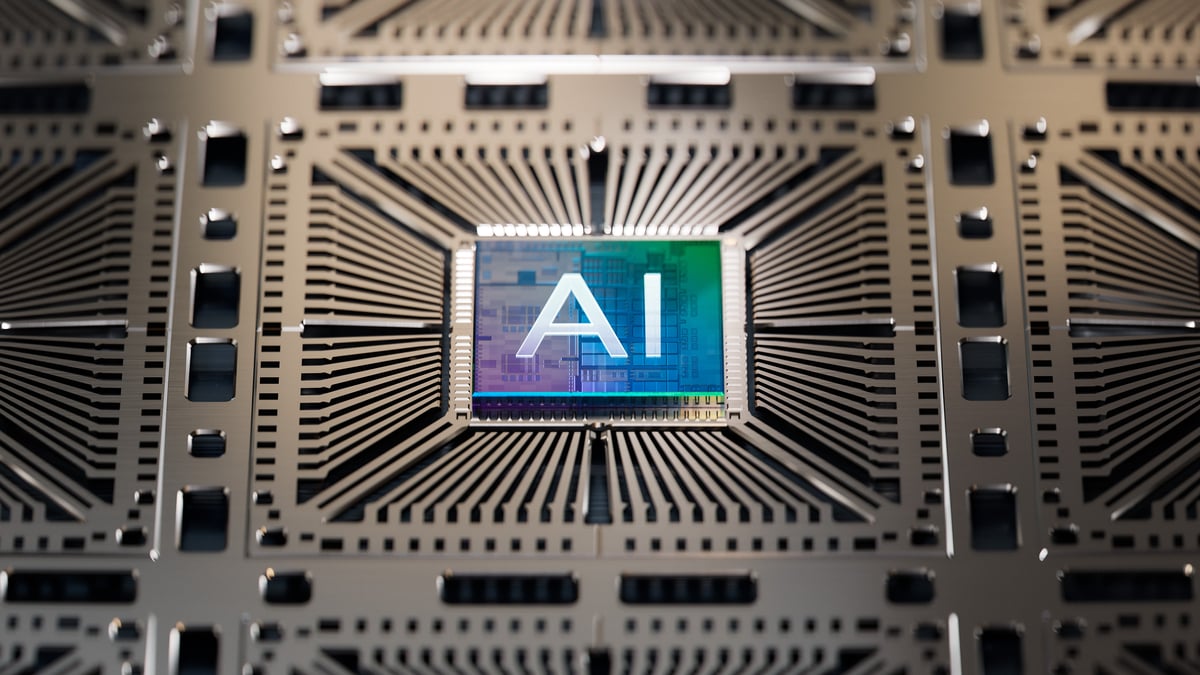
AMD Stock Soars 115% Year-to-Date Driven by AI Demand

- Surging Data Center Demand: AMD's Q1 revenue surged 38% year-over-year to $10.3 billion, with data center revenue hitting a record $5.8 billion, driven by strong demand for its EPYC CPUs, enhancing its market position in AI inference and autonomous systems.
- Optimistic Long-Term Growth Outlook: CEO Lisa Su raised the CPU market growth forecast from an annualized rate of 18% to over 35%, indicating a structural growth inflection point for AMD, which boosts investor confidence.
- Growth Catalysts in 2026: AMD is set to launch custom MI450 GPUs in 2026, expected to accelerate data center growth, while EPYC Venice CPUs are on track for release in the second half of the year, further solidifying its enterprise and cloud market share.
- Expanding Market Share: Despite pressures from high memory prices in the consumer PC market, AMD's Ryzen processors saw a 26% revenue increase, and management anticipates continued market share gains, underscoring its competitive edge in both data center and consumer markets.
See More

Shopify and Qualcomm Receive Rating Upgrades Amid E-Commerce and AI Trends

- Shopify Upgrade: Analysts upgraded Shopify to 'Buy', citing a 34% year-over-year revenue growth to $3.2 billion in Q1 2026, driven by robust e-commerce trends and the expansion of AI-powered Merchant Solutions, indicating enhanced competitiveness in the market.
- Qualcomm Upgrade: Analysts raised Qualcomm's rating to 'Buy', believing that smartphone headwinds are now priced in, and the company's AI diversification and custom silicon engagement with a major hyperscaler signal a turning point, with positive investor sentiment expected around the upcoming Investor Day.
- AMD Downgrade: Analysts downgraded AMD, arguing that its over 60x P/E ratio is no longer justified by growth potential, recommending investors lock in profits after a significant rally, highlighting a cautious market outlook on AMD's growth prospects.
- Angi Downgrade: Analysts downgraded Angi to 'Sell', warning that its risky pivot towards AI software is unlikely to reverse declining fundamentals, with active pros down 22% year-over-year, indicating increasing challenges for the company.
See More
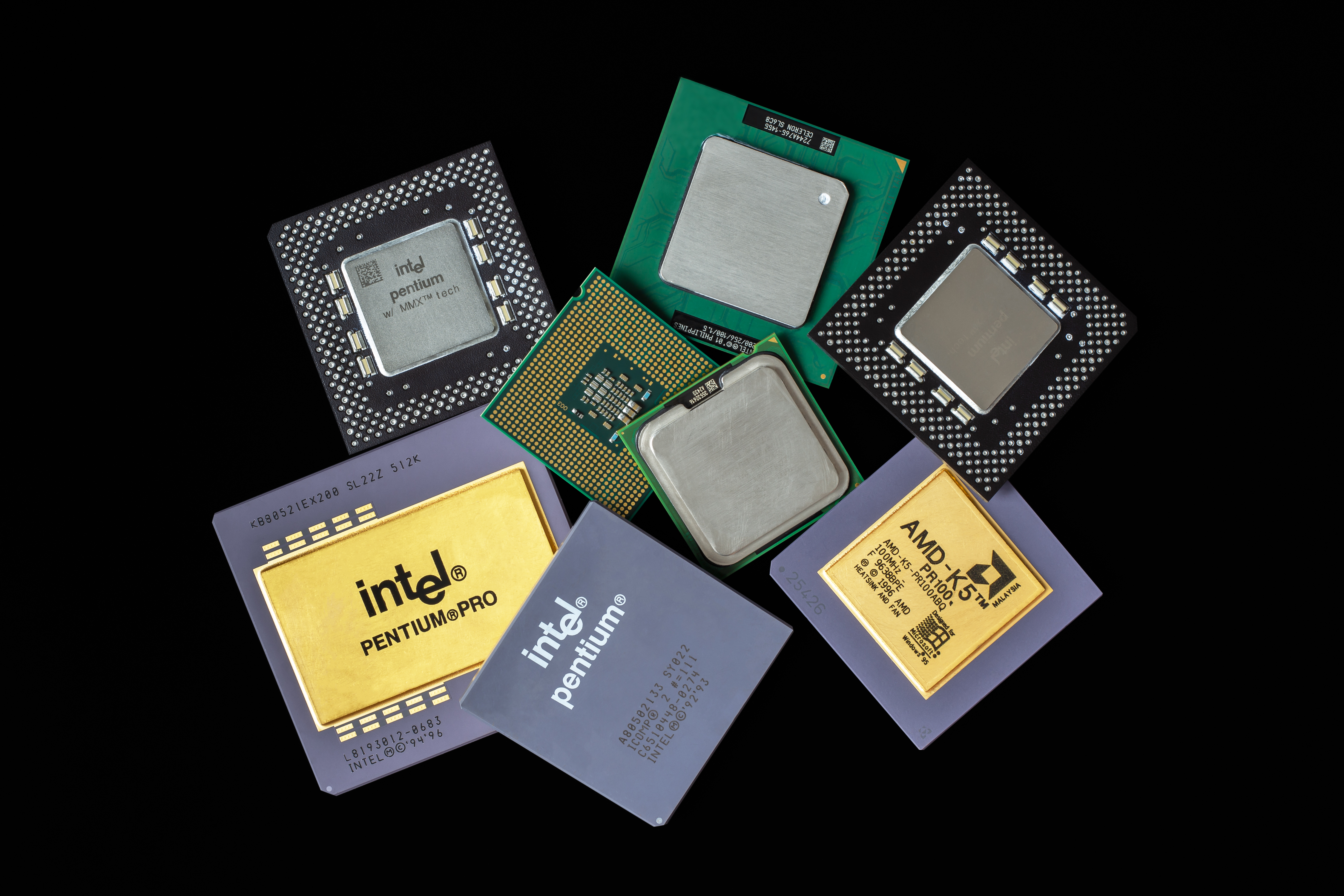
Top Performing Mega Cap Stocks of 2023

- Market Leaders: Sandisk Corporation (SNDK) leads with a remarkable YTD performance of 509.67%, indicating strong growth potential amidst market volatility, likely attracting increased investor interest.
- Semiconductor Strength: Intel Corporation (INTC) and Micron Technology, Inc. (MU) follow closely with YTD gains of 225.99% and 181.57%, respectively, reflecting the semiconductor sector's critical role in technological innovation and demand growth, thereby solidifying their market positions.
- Diverse Industry Performance: Heavy equipment manufacturers like Caterpillar Inc. (CAT) and GE Vernova Inc. (GEV) also feature on the list, achieving YTD gains of 57.51% and 62.58%, respectively, indicating potential in these sectors during economic recovery.
- Attractive High Beta Stocks: These high beta stocks not only receive the highest Quant ratings but also appeal to investors seeking high returns, further driving market attention towards technology and heavy equipment sectors.
See More

Retail Investors Return, Driving Key Trades in Stock Market

- Retail Trading Resurgence: According to Goldman Sachs, retail investors have returned to the stock market after a period of inactivity earlier this year, driving the S&P 500 to all-time highs and highlighting their significant role in the market.
- Surge in Trading Volume: Retail trading volumes surged by 28% since mid-April, primarily fueled by renewed enthusiasm for artificial intelligence, indicating a strong willingness among retail investors to engage in high-growth sectors.
- Market Influence: Despite holding only 10% of the total equity market value, retail investors account for approximately 20% of total U.S. equity trading volumes, and their use of margin and leveraged ETFs amplifies their impact on the market.
- Divergent Stock Performance: Goldman Sachs noted that while retail favorites like Nvidia and Micron Technology have seen significant gains of 25% and 176% respectively, stocks like American Airlines Group and Nu Holdings have declined, reflecting increased market volatility driven by retail trading.
See More

Cerebras Systems IPO Soars, Valuation Exceeds $100 Billion

- Strong IPO Performance: Cerebras Systems debuted on Nasdaq at $350, significantly above its $185 offering price, achieving a valuation exceeding $100 billion, reflecting strong market confidence in its AI technology.
- Record Financing: The company sold 30 million shares, raising $5.55 billion, marking the largest IPO for a U.S. tech company since Uber in 2019; total proceeds could reach $6.38 billion if underwriters exercise their option for an additional 4.5 million shares.
- Significant Revenue Growth: Cerebras reported a 76% increase in revenue last year to $510 million, with a net income of $88 million, a remarkable turnaround from a loss of $481.6 million the previous year, indicating a successful business model transformation.
- Competitive Market Advantage: Cerebras claims speed and price advantages over Nvidia, while shifting focus towards cloud services, planning a cloud deal with OpenAI worth over $20 billion, which will further expand its market share.
See More
Cerebras IPO Soars, Valuation Exceeds $100 Billion

- Strong IPO Performance: Cerebras opened at $350 on its Nasdaq debut, representing an 89.2% increase from its IPO price of $185, which values the company at over $100 billion, marking it as one of the largest tech IPOs in the U.S.
- Massive Fundraising: The IPO raised $5.55 billion by selling 30 million shares, making it the largest U.S. tech IPO since Uber in 2019; if underwriters exercise their option for an additional 4.5 million shares, total proceeds could reach $6.38 billion.
- Diversification Progress: Cerebras is shifting its focus through partnerships with Amazon and OpenAI, with revenue jumping 76% to $510 million last year and net income of $88 million, indicating strong demand and improved profitability in the AI market.
- Competitive Market Advantage: Cerebras claims its hardware offers speed and price advantages over Nvidia's GPUs, and through collaborations with universities in the UAE to develop English-Arabic AI models, it is further solidifying its market position.
See More
AMD Stock Soars 115% Year-to-Date Driven by AI Demand
- Surging Data Center Demand: AMD's Q1 revenue surged 38% year-over-year to $10.3 billion, with data center revenue hitting a record $5.8 billion, driven by strong demand for its EPYC CPUs, enhancing its market position in AI inference and autonomous systems.
- Optimistic Long-Term Growth Outlook: CEO Lisa Su raised the CPU market growth forecast from an annualized rate of 18% to over 35%, indicating a structural growth inflection point for AMD, which boosts investor confidence.
- Growth Catalysts in 2026: AMD is set to launch custom MI450 GPUs in 2026, expected to accelerate data center growth, while EPYC Venice CPUs are on track for release in the second half of the year, further solidifying its enterprise and cloud market share.
- Expanding Market Share: Despite pressures from high memory prices in the consumer PC market, AMD's Ryzen processors saw a 26% revenue increase, and management anticipates continued market share gains, underscoring its competitive edge in both data center and consumer markets.
See More
Shopify and Qualcomm Receive Rating Upgrades Amid E-Commerce and AI Trends
- Shopify Upgrade: Analysts upgraded Shopify to 'Buy', citing a 34% year-over-year revenue growth to $3.2 billion in Q1 2026, driven by robust e-commerce trends and the expansion of AI-powered Merchant Solutions, indicating enhanced competitiveness in the market.
- Qualcomm Upgrade: Analysts raised Qualcomm's rating to 'Buy', believing that smartphone headwinds are now priced in, and the company's AI diversification and custom silicon engagement with a major hyperscaler signal a turning point, with positive investor sentiment expected around the upcoming Investor Day.
- AMD Downgrade: Analysts downgraded AMD, arguing that its over 60x P/E ratio is no longer justified by growth potential, recommending investors lock in profits after a significant rally, highlighting a cautious market outlook on AMD's growth prospects.
- Angi Downgrade: Analysts downgraded Angi to 'Sell', warning that its risky pivot towards AI software is unlikely to reverse declining fundamentals, with active pros down 22% year-over-year, indicating increasing challenges for the company.
See More
Top Performing Mega Cap Stocks of 2023
- Market Leaders: Sandisk Corporation (SNDK) leads with a remarkable YTD performance of 509.67%, indicating strong growth potential amidst market volatility, likely attracting increased investor interest.
- Semiconductor Strength: Intel Corporation (INTC) and Micron Technology, Inc. (MU) follow closely with YTD gains of 225.99% and 181.57%, respectively, reflecting the semiconductor sector's critical role in technological innovation and demand growth, thereby solidifying their market positions.
- Diverse Industry Performance: Heavy equipment manufacturers like Caterpillar Inc. (CAT) and GE Vernova Inc. (GEV) also feature on the list, achieving YTD gains of 57.51% and 62.58%, respectively, indicating potential in these sectors during economic recovery.
- Attractive High Beta Stocks: These high beta stocks not only receive the highest Quant ratings but also appeal to investors seeking high returns, further driving market attention towards technology and heavy equipment sectors.
See More
Retail Investors Return, Driving Key Trades in Stock Market
- Retail Trading Resurgence: According to Goldman Sachs, retail investors have returned to the stock market after a period of inactivity earlier this year, driving the S&P 500 to all-time highs and highlighting their significant role in the market.
- Surge in Trading Volume: Retail trading volumes surged by 28% since mid-April, primarily fueled by renewed enthusiasm for artificial intelligence, indicating a strong willingness among retail investors to engage in high-growth sectors.
- Market Influence: Despite holding only 10% of the total equity market value, retail investors account for approximately 20% of total U.S. equity trading volumes, and their use of margin and leveraged ETFs amplifies their impact on the market.
- Divergent Stock Performance: Goldman Sachs noted that while retail favorites like Nvidia and Micron Technology have seen significant gains of 25% and 176% respectively, stocks like American Airlines Group and Nu Holdings have declined, reflecting increased market volatility driven by retail trading.
See More
Cerebras Systems IPO Soars, Valuation Exceeds $100 Billion
- Strong IPO Performance: Cerebras Systems debuted on Nasdaq at $350, significantly above its $185 offering price, achieving a valuation exceeding $100 billion, reflecting strong market confidence in its AI technology.
- Record Financing: The company sold 30 million shares, raising $5.55 billion, marking the largest IPO for a U.S. tech company since Uber in 2019; total proceeds could reach $6.38 billion if underwriters exercise their option for an additional 4.5 million shares.
- Significant Revenue Growth: Cerebras reported a 76% increase in revenue last year to $510 million, with a net income of $88 million, a remarkable turnaround from a loss of $481.6 million the previous year, indicating a successful business model transformation.
- Competitive Market Advantage: Cerebras claims speed and price advantages over Nvidia, while shifting focus towards cloud services, planning a cloud deal with OpenAI worth over $20 billion, which will further expand its market share.
See More
Cerebras IPO Soars, Valuation Exceeds $100 Billion
- Strong IPO Performance: Cerebras opened at $350 on its Nasdaq debut, representing an 89.2% increase from its IPO price of $185, which values the company at over $100 billion, marking it as one of the largest tech IPOs in the U.S.
- Massive Fundraising: The IPO raised $5.55 billion by selling 30 million shares, making it the largest U.S. tech IPO since Uber in 2019; if underwriters exercise their option for an additional 4.5 million shares, total proceeds could reach $6.38 billion.
- Diversification Progress: Cerebras is shifting its focus through partnerships with Amazon and OpenAI, with revenue jumping 76% to $510 million last year and net income of $88 million, indicating strong demand and improved profitability in the AI market.
- Competitive Market Advantage: Cerebras claims its hardware offers speed and price advantages over Nvidia's GPUs, and through collaborations with universities in the UAE to develop English-Arabic AI models, it is further solidifying its market position.
See More