Amazon's Logistics and AI Investment Outlook
Written by Emily J. Thompson, Senior Investment Analyst
Updated: 1 day ago
0mins
Should l Buy AMZN?
Source: NASDAQ.COM
- Logistics Network Optimization: Amazon has restructured its U.S. distribution network into eight independent hubs, significantly enhancing delivery efficiency and reducing transportation costs, thereby strengthening its competitive position in e-commerce.
- Supply Chain Services Platform: The launch of Amazon Supply Chain Services opens its distribution network to other businesses, mirroring the successful model of AWS, which could transform distribution into a new long-term growth engine.
- Massive AI Investment: Amazon plans to invest $200 billion in AI-related capital expenditures by 2025, which, while potentially pressuring stock performance in the short term, is expected to reshape customer experiences in the long run.
- Long-Term Growth Potential: Despite facing fierce competition and high costs in the AI sector, Amazon's logistics advantages and ongoing investments position it for robust growth over the next decade.
Trade with 70% Backtested Accuracy
Stop guessing "Should I Buy AMZN?" and start using high-conviction signals backed by rigorous historical data.
Sign up today to access powerful investing tools and make smarter, data-driven decisions.
Analyst Views on AMZN
Wall Street analysts forecast AMZN stock price to rise
44 Analyst Rating
41 Buy
3 Hold
0 Sell
Strong Buy
Current: 268.990

Low
175.00
Averages
280.01
High
325.00
Current: 268.990
Low
175.00
Averages
280.01
High
325.00
About AMZN
Amazon.com, Inc. provides a range of products and services to customers. The products offered through its stores include merchandise and content it has purchased for resale and products offered by third-party sellers. The Company’s segments include North America, International and Amazon Web Services (AWS). It serves consumers through its online and physical stores and focuses on selection, price, and convenience. Customers access its offerings through its websites, mobile apps, Alexa, devices, streaming, and physically visiting its stores. It also manufactures and sells electronic devices, including Kindle, Fire tablet, Fire TV, Echo, Ring, Blink, and eero, and develops and produces media content. It serves developers and enterprises of all sizes, including start-ups, government agencies, and academic institutions, through AWS, which offers a set of on-demand technology services, including compute, storage, database, analytics, and machine learning, and other services.
About the author

Emily J. Thompson
Emily J. Thompson, a Chartered Financial Analyst (CFA) with 12 years in investment research, graduated with honors from the Wharton School. Specializing in industrial and technology stocks, she provides in-depth analysis for Intellectia’s earnings and market brief reports.
Amazon Expands Ultra-Fast Delivery Service to More U.S. Cities

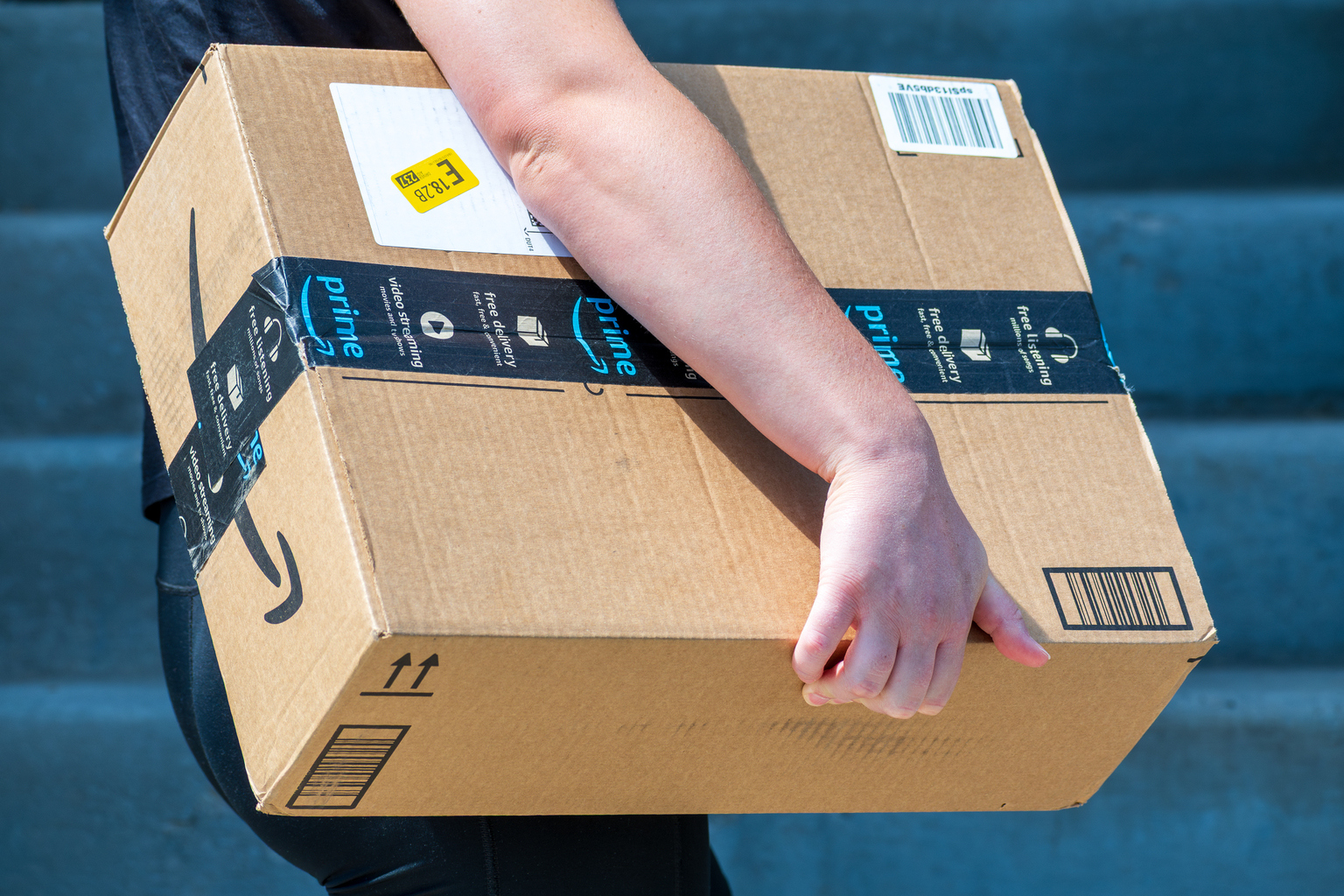
- Service Expansion: Amazon is expanding its ultra-fast delivery service to cities including Austin, Houston, Minneapolis, Orlando, Phoenix, Denver, and Oklahoma City, aiming to provide 30-minute delivery to millions of customers through a network of smaller fulfillment centers located closer to customers.
- Fee Structure: Prime members will pay a delivery fee of $3.99, while non-members will incur a fee of $13.99, with additional charges for orders under $15, a pricing strategy designed to attract more users to join Prime membership.
- Product Variety: Amazon offers thousands of items for ultra-fast delivery, including groceries for dinner, AirPods before flights, and household essentials like laundry detergent and toothpaste, catering to diverse customer needs and enhancing customer loyalty.
- Market Impact: Amazon's rapid delivery options have enabled it to deliver 13 billion items globally on the same or next day, with over 8 billion in the U.S. alone, marking a 30% year-over-year increase, which has pressured competitors like Instacart, causing its shares to drop more than 3%.
See More

AI Drives Semiconductor Industry Growth


- Surging Market Demand: McKinsey predicts that by 2030, AI inference will account for over 50% of computing power in data centers, reflecting the urgent demand from enterprises and consumers for AI integration, thereby driving sustained growth in the semiconductor industry.
- Arm's Market Potential: Arm Holdings anticipates over $2 billion in customer demand for its AGI CPU in fiscal years 2027 and 2028, indicating strong competitiveness in the AI inference market and the potential to generate $15 billion in annual revenue over the next five years.
- Technological Innovation and Partnerships: Arm's collaboration with Meta Platforms on the AGI CPU promises to save up to $10 billion in data center capital expenditures while delivering double the computing performance of AMD and Intel's x86 processors, further solidifying its market position.
- Optimistic Financial Outlook: Arm's revenue increased by 23% to $4.92 billion in fiscal 2026, with expectations of reaching $25 billion by fiscal 2031, indicating robust growth potential, and projected earnings per share rising to $9.00, suggesting a 51% upside in stock price.
See More

Analysis of Three High-Risk Dividend Stocks


- Clorox Dividend Risk: Clorox's dividend yield stands at 5.6%, yet its projected diluted earnings per share (EPS) range of $4.78 to $4.98 suggests that its annual dividend of $4.96 may not be sustainable, especially given its free cash flow of only $380 million, which falls short of the $602 million paid out in dividends, prompting investors to exercise caution.
- Nike Earnings Decline: With a dividend yield of 3.9%, Nike's net income has plummeted by 32% to $2 billion, and its diluted EPS of $1.38 is only slightly above the declared dividend of $1.22 per share, indicating that the company may need to cut its dividend to fund its growth strategy, despite its stock price having dropped nearly 70% over the past five years.
- UPS Dividend Uncertainty: UPS offers a 6.6% dividend yield, but its diluted EPS of $1.02 is significantly below the $1.64 it pays in quarterly dividends, and the company is facing growth challenges after reducing its business with Amazon; although it recently declared a dividend, indicating temporary stability, future uncertainty remains.
- Market Reaction Tepid: Despite the attractive dividends of these three stocks, poor financial conditions have led to low investor interest, with Clorox and Nike experiencing significant stock price declines over the past five years, while UPS has also lost more than half its value, reflecting market caution towards high-risk dividend stocks.
See More

Inflation Soars to Highest Level in Nearly Three Years


- Oil Price Surge Impacts Inflation: The consumer price index rose 3.8% year-over-year in April, up from 3.3% in March, driven by soaring oil prices due to the Iran conflict, which will exacerbate financial pressures on households, indicating ongoing challenges in the coming months.
- Gas and Food Price Increases: Gas prices have surged approximately 50% since the war began on February 28, currently averaging $4.50 per gallon, up from $3.14 a year ago, while food prices have also risen by 3.2%, further constraining household budgets.
- Rising Airline Fares: Airline fares increased by 20.7% over the past 12 months according to CPI data, illustrating how the sharp rise in fuel costs is being directly passed on to consumers, significantly raising travel expenses and potentially affecting travel demand.
- Fed Under Pressure: The latest inflation data places greater pressure on the Federal Reserve regarding interest rate policy, with expectations that there will be no rate cuts this year, as inflation remains around 4%, impacting consumer purchasing power despite potential easing of geopolitical tensions.
See More
Wall Street's Growing Divide on Tech Stocks

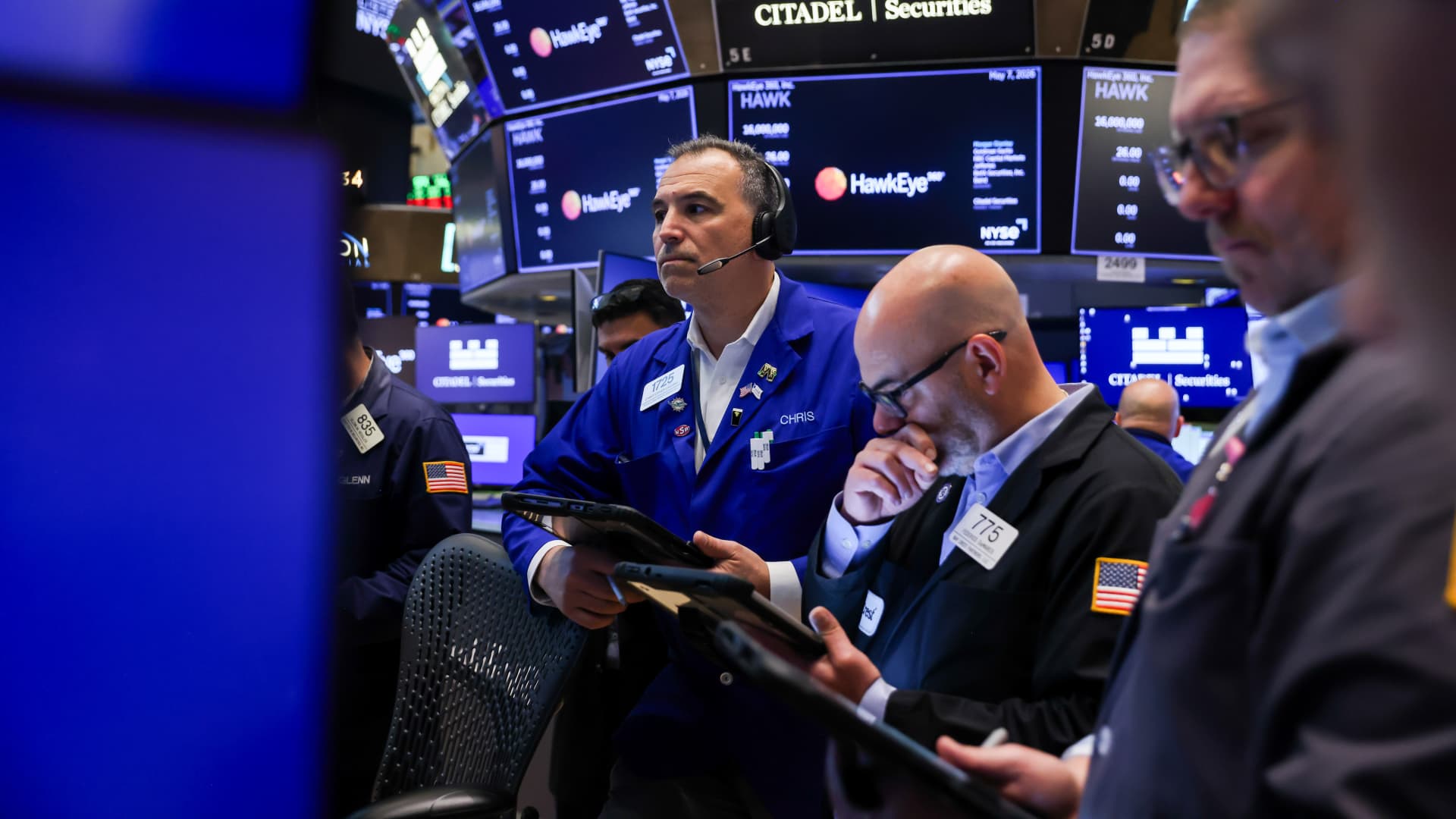
- Diverging Market Sentiment: Wall Street is sharply divided on tech stocks, with bears arguing that the market is overheating akin to 1999, while bulls see it as a buying opportunity, highlighting a profound disagreement on future market direction.
- Semiconductor Sector Overbought: The Philadelphia Semiconductor Index's overbought condition mirrors only two previous instances in 2000 and 1995, indicating significant adjustment risks ahead, particularly against the backdrop of soaring tech valuations.
- S&P 500 Performance Analysis: Despite the S&P 500 reaching new highs recently, over 60% of its stocks remain below their 50-day and 200-day moving averages, a phenomenon historically associated with market tops, suggesting potential bubble risks in the current environment.
- Investor Caution Signals: Notable investor Michael Burry warns of clear bubble signs in the current market, advising caution towards stocks that have surged dramatically, reflecting concerns about future market trajectories.
See More

Amazon Announces 30-Minute Delivery Service Rollout in U.S. Cities

- Amazon Delivery Speed Boost: Amazon announced plans to roll out a 30-minute delivery service in several U.S. cities, aiming to enhance customer experience and strengthen its competitive edge in the rapidly evolving e-commerce landscape.
- Market Dynamics: Despite rising oil prices due to Trump's comments on Iran, with Brent crude futures exceeding $107, both the S&P 500 and Nasdaq Composite reached all-time highs, indicating strong market confidence in tech stocks.
- Trump's China Visit: Trump is set to visit China this week to meet with President Xi Jinping, inviting major tech executives like Tesla's Elon Musk and Apple's Tim Cook, which could impact U.S.-China trade relations and the market performance of involved companies.
- GM Job Cuts: General Motors announced the layoff of hundreds of IT employees to cut costs, while still hiring in the IT sector, reflecting the urgent need for cost control amid the AI technology wave.
See More
Amazon Expands Ultra-Fast Delivery Service to More U.S. Cities
- Service Expansion: Amazon is expanding its ultra-fast delivery service to cities including Austin, Houston, Minneapolis, Orlando, Phoenix, Denver, and Oklahoma City, aiming to provide 30-minute delivery to millions of customers through a network of smaller fulfillment centers located closer to customers.
- Fee Structure: Prime members will pay a delivery fee of $3.99, while non-members will incur a fee of $13.99, with additional charges for orders under $15, a pricing strategy designed to attract more users to join Prime membership.
- Product Variety: Amazon offers thousands of items for ultra-fast delivery, including groceries for dinner, AirPods before flights, and household essentials like laundry detergent and toothpaste, catering to diverse customer needs and enhancing customer loyalty.
- Market Impact: Amazon's rapid delivery options have enabled it to deliver 13 billion items globally on the same or next day, with over 8 billion in the U.S. alone, marking a 30% year-over-year increase, which has pressured competitors like Instacart, causing its shares to drop more than 3%.
See More
AI Drives Semiconductor Industry Growth
- Surging Market Demand: McKinsey predicts that by 2030, AI inference will account for over 50% of computing power in data centers, reflecting the urgent demand from enterprises and consumers for AI integration, thereby driving sustained growth in the semiconductor industry.
- Arm's Market Potential: Arm Holdings anticipates over $2 billion in customer demand for its AGI CPU in fiscal years 2027 and 2028, indicating strong competitiveness in the AI inference market and the potential to generate $15 billion in annual revenue over the next five years.
- Technological Innovation and Partnerships: Arm's collaboration with Meta Platforms on the AGI CPU promises to save up to $10 billion in data center capital expenditures while delivering double the computing performance of AMD and Intel's x86 processors, further solidifying its market position.
- Optimistic Financial Outlook: Arm's revenue increased by 23% to $4.92 billion in fiscal 2026, with expectations of reaching $25 billion by fiscal 2031, indicating robust growth potential, and projected earnings per share rising to $9.00, suggesting a 51% upside in stock price.
See More
Analysis of Three High-Risk Dividend Stocks
- Clorox Dividend Risk: Clorox's dividend yield stands at 5.6%, yet its projected diluted earnings per share (EPS) range of $4.78 to $4.98 suggests that its annual dividend of $4.96 may not be sustainable, especially given its free cash flow of only $380 million, which falls short of the $602 million paid out in dividends, prompting investors to exercise caution.
- Nike Earnings Decline: With a dividend yield of 3.9%, Nike's net income has plummeted by 32% to $2 billion, and its diluted EPS of $1.38 is only slightly above the declared dividend of $1.22 per share, indicating that the company may need to cut its dividend to fund its growth strategy, despite its stock price having dropped nearly 70% over the past five years.
- UPS Dividend Uncertainty: UPS offers a 6.6% dividend yield, but its diluted EPS of $1.02 is significantly below the $1.64 it pays in quarterly dividends, and the company is facing growth challenges after reducing its business with Amazon; although it recently declared a dividend, indicating temporary stability, future uncertainty remains.
- Market Reaction Tepid: Despite the attractive dividends of these three stocks, poor financial conditions have led to low investor interest, with Clorox and Nike experiencing significant stock price declines over the past five years, while UPS has also lost more than half its value, reflecting market caution towards high-risk dividend stocks.
See More
Inflation Soars to Highest Level in Nearly Three Years
- Oil Price Surge Impacts Inflation: The consumer price index rose 3.8% year-over-year in April, up from 3.3% in March, driven by soaring oil prices due to the Iran conflict, which will exacerbate financial pressures on households, indicating ongoing challenges in the coming months.
- Gas and Food Price Increases: Gas prices have surged approximately 50% since the war began on February 28, currently averaging $4.50 per gallon, up from $3.14 a year ago, while food prices have also risen by 3.2%, further constraining household budgets.
- Rising Airline Fares: Airline fares increased by 20.7% over the past 12 months according to CPI data, illustrating how the sharp rise in fuel costs is being directly passed on to consumers, significantly raising travel expenses and potentially affecting travel demand.
- Fed Under Pressure: The latest inflation data places greater pressure on the Federal Reserve regarding interest rate policy, with expectations that there will be no rate cuts this year, as inflation remains around 4%, impacting consumer purchasing power despite potential easing of geopolitical tensions.
See More
Wall Street's Growing Divide on Tech Stocks
- Diverging Market Sentiment: Wall Street is sharply divided on tech stocks, with bears arguing that the market is overheating akin to 1999, while bulls see it as a buying opportunity, highlighting a profound disagreement on future market direction.
- Semiconductor Sector Overbought: The Philadelphia Semiconductor Index's overbought condition mirrors only two previous instances in 2000 and 1995, indicating significant adjustment risks ahead, particularly against the backdrop of soaring tech valuations.
- S&P 500 Performance Analysis: Despite the S&P 500 reaching new highs recently, over 60% of its stocks remain below their 50-day and 200-day moving averages, a phenomenon historically associated with market tops, suggesting potential bubble risks in the current environment.
- Investor Caution Signals: Notable investor Michael Burry warns of clear bubble signs in the current market, advising caution towards stocks that have surged dramatically, reflecting concerns about future market trajectories.
See More
Amazon Announces 30-Minute Delivery Service Rollout in U.S. Cities
- Amazon Delivery Speed Boost: Amazon announced plans to roll out a 30-minute delivery service in several U.S. cities, aiming to enhance customer experience and strengthen its competitive edge in the rapidly evolving e-commerce landscape.
- Market Dynamics: Despite rising oil prices due to Trump's comments on Iran, with Brent crude futures exceeding $107, both the S&P 500 and Nasdaq Composite reached all-time highs, indicating strong market confidence in tech stocks.
- Trump's China Visit: Trump is set to visit China this week to meet with President Xi Jinping, inviting major tech executives like Tesla's Elon Musk and Apple's Tim Cook, which could impact U.S.-China trade relations and the market performance of involved companies.
- GM Job Cuts: General Motors announced the layoff of hundreds of IT employees to cut costs, while still hiring in the IT sector, reflecting the urgent need for cost control amid the AI technology wave.
See More