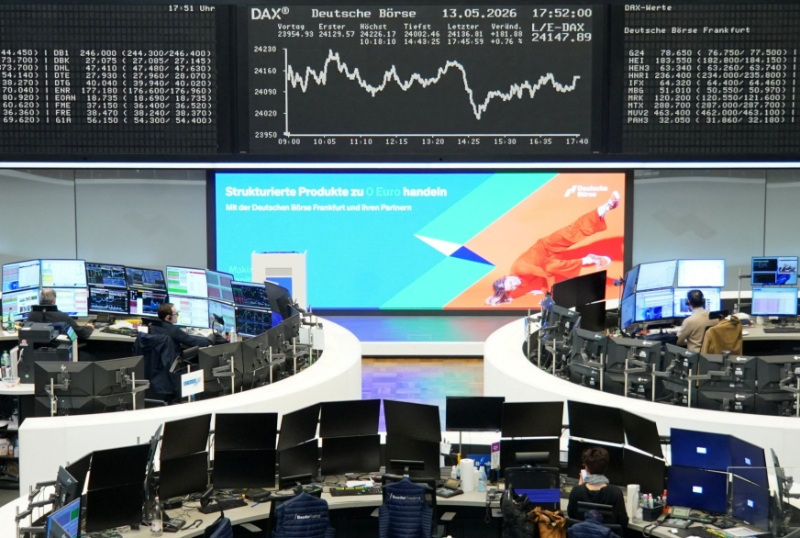
Amazon Approaches $3 Trillion Market Cap
Written by Emily J. Thompson, Senior Investment Analyst
Updated: Feb 24 2026
0mins

Should l Buy AMZN?
Source: Fool
- E-commerce Growth: Amazon's Q4 net sales reached $213.4 billion, marking a 14% year-over-year increase, with 57% derived from digital retail and third-party seller services, driving an 18% rise in net income to $24.9 billion, showcasing its robust performance and sustained market leadership in retail.
- Cloud Market Leadership: Amazon Web Services (AWS) commands 28% of the market, with a remarkable 30% year-over-year growth, contributing 18% of the company's revenue and 57% of operating income, indicating its ongoing dominance and profitability in cloud computing and AI.
- Advertising Business Expansion: Amazon's advertising revenue grew 23% year-over-year to $21.3 billion in Q4, representing 10% of total revenue, positioning it as the world's third-largest digital advertiser, thereby enhancing the company's diversified revenue streams and competitive edge.
- Capital Expenditure Plans: Amazon plans to increase capital expenditures to $200 billion in 2026, up from $131 billion in 2025, which, despite causing short-term stock fluctuations, reflects the company's strong confidence in the demand for cloud and AI services, potentially accelerating its journey towards a $3 trillion market cap.
Trade with 70% Backtested Accuracy
Stop guessing "Should I Buy AMZN?" and start using high-conviction signals backed by rigorous historical data.
Sign up today to access powerful investing tools and make smarter, data-driven decisions.
Analyst Views on AMZN
Wall Street analysts forecast AMZN stock price to rise
44 Analyst Rating
41 Buy
3 Hold
0 Sell
Strong Buy
Current: 267.220

Low
175.00
Averages
280.01
High
325.00
Current: 267.220
Low
175.00
Averages
280.01
High
325.00
About AMZN
Amazon.com, Inc. provides a range of products and services to customers. The products offered through its stores include merchandise and content it has purchased for resale and products offered by third-party sellers. The Company’s segments include North America, International and Amazon Web Services (AWS). It serves consumers through its online and physical stores and focuses on selection, price, and convenience. Customers access its offerings through its websites, mobile apps, Alexa, devices, streaming, and physically visiting its stores. It also manufactures and sells electronic devices, including Kindle, Fire tablet, Fire TV, Echo, Ring, Blink, and eero, and develops and produces media content. It serves developers and enterprises of all sizes, including start-ups, government agencies, and academic institutions, through AWS, which offers a set of on-demand technology services, including compute, storage, database, analytics, and machine learning, and other services.
About the author

Emily J. Thompson
Emily J. Thompson, a Chartered Financial Analyst (CFA) with 12 years in investment research, graduated with honors from the Wharton School. Specializing in industrial and technology stocks, she provides in-depth analysis for Intellectia’s earnings and market brief reports.

Amazon Approaches $3 Trillion Market Cap

- Stock Momentum: Despite a slight dip last Friday, Amazon's stock has surged 33% over the past three months, indicating growing market confidence in its future growth, particularly with a 17% year-over-year increase in net sales reported in Q1.
- Strong Cloud Growth: Amazon Web Services (AWS) saw a 28% rise in net sales during the first quarter, marking its strongest growth in over three years, showcasing its robust performance amid surging AI demand, which further boosts the company's overall profitability.
- High Margin Business: AWS has maintained an operating margin exceeding 35% for the third consecutive year, and while Amazon's e-commerce operations have historically been lean, AWS's high-margin nature makes it a significant contributor to the company's overall operating profit, accounting for over half of it.
- Optimistic Market Outlook: With increased investments in AI infrastructure, market expectations for Amazon's future are rising, and it is anticipated that Amazon will soon surpass the $3 trillion market cap, joining the elite group of companies that have achieved this milestone.
See More

Jim Cramer's Insights on Walmart and AI Stocks

- Walmart's Competitive Edge: Jim Cramer has repeatedly highlighted Walmart's competitiveness in the retail sector, particularly against Amazon, emphasizing its ability to maintain lower prices, which helps attract more consumers and increase market share.
- Price Target Increase: TD Cowen raised Walmart's price target from $145 to $150 on May 7, maintaining a Buy rating, indicating market confidence in Walmart's future performance, especially against a backdrop of stable grocery demand.
- First Quarter Earnings Outlook: Analysts expect Walmart's upcoming first-quarter earnings report to benefit from stable demand for groceries and other factors, which could further drive its stock price up and enhance investor confidence.
- Amazon's Competitive Advantage: While Cramer praises Walmart, he also points out Amazon's superiority in same-day delivery services, stressing the urgency for Walmart to enhance its service speed to maintain competitiveness.
See More

Amazon's New Supply Chain Initiative Gains Attention
- Strong Stock Performance: Amazon (NASDAQ:AMZN) shares have risen 28.7% over the past year and 16.6% year-to-date, reflecting market confidence in its growth prospects, particularly driven by its new supply chain initiative.
- Attractive Supply Chain Service: Jim Cramer noted that if top supply chain firms like Procter & Gamble are interested in Amazon's services, it indicates a high-quality offering, which could enhance Amazon's competitiveness in the retail sector.
- Rising Capital Expenditure Expectations: The Baron Durable Advantage Fund mentioned in its Q1 2026 investor letter that Amazon anticipates $200 billion in capital expenditures for fiscal year 2026, exceeding market expectations, which may pressure short-term profitability but suggests substantial long-term growth potential.
- Leadership in Cloud Services: Amazon maintains its leadership in the cloud infrastructure market, particularly in enabling generative AI workloads, with significant revenue growth expected over the next two years as AWS usage increases.
See More

SpaceX Approaches $2 Trillion IPO Valuation

- Valuation Surge: SpaceX's valuation reached $800 billion in 2025, soared to $1.25 trillion after merging with xAI in 2026, and recently hit $1.5 trillion on Forge Global, with IPO expectations between $1.75 trillion and $2 trillion, indicating strong growth potential in the aerospace market.
- Revenue Expectations: Analysts estimate SpaceX's revenue last year ranged from $15 billion to $18 billion, and while specific figures remain undisclosed, the IPO valuation implies a price-to-sales ratio exceeding 100, reflecting high market expectations for future growth.
- Technological Innovation: SpaceX significantly reduces launch costs through reusable rockets and has evolved Starlink into a global broadband network, while also positioning itself as an orbital AI infrastructure provider, with a total addressable market estimated at around $28 trillion, primarily in enterprise AI.
- Market Risks: Although SpaceX's IPO may price shares at a premium, its future valuation faces multiple risks, including the need for Starlink user growth, Starship launch frequency, and the commercialization of its AI business, where any execution delays or shifts in market sentiment could lead to significant valuation volatility.
See More

Nvidia vs. Cerebras: The AI Stock Showdown

- Nvidia's Market Dominance: Nvidia's stock has surged 1,500% over the past five years, with its strong position in the AI chip market leading to $215 billion in revenue for 2022 and a gross margin exceeding 70%, demonstrating its sustained profitability and competitive edge in AI.
- Cerebras IPO Success: Cerebras began trading on May 14, soaring 68% and raising over $5.5 billion, finishing with a market cap close to $67 billion, marking a strong debut in the AI market that has captured investor interest.
- Technological Advantage Comparison: Cerebras offers AI chips that are larger than Nvidia's, claiming inference speeds up to 15 times faster than leading GPU solutions, indicating a potential competitive edge in AI computing that may attract more customers.
- Future Growth Potential: Although Cerebras is still in the early stages of its AI journey, its $20 billion deal with OpenAI and the provision of cloud computing services suggest significant future growth potential, while Nvidia maintains its market leadership through continuous innovation and industry partnerships.
See More
Amazon Faces Class-Action Lawsuit Over Tariff Pricing
- Lawsuit Background: Consumers have filed a class-action lawsuit in federal court in Seattle, alleging that Amazon kept prices elevated to cover tariffs deemed unlawful by the U.S. Supreme Court, potentially involving hundreds of millions of dollars, highlighting the legal risks in the company's pricing strategies.
- Legal Basis: The complaint argues that the Supreme Court's 6-3 ruling found that tariffs imposed under the International Emergency Economic Powers Act exceeded Trump's authority, with plaintiffs claiming Amazon unjustly retained benefits from price increases without seeking refunds from the federal government, violating Washington state consumer protection laws.
- Industry Impact: This lawsuit is part of a growing wave of litigation targeting major corporations, including Costco, Nike, and FedEx, which could pressure retailers, manufacturers, and logistics companies that passed tariff costs onto consumers but failed to share any subsequent refunds, raising broader implications for the industry.
- Political and Trust Issues: The case underscores the political tensions between Amazon and the White House during the tariff debate, with consumer trust in pricing practices being questioned, particularly following the Supreme Court ruling, as market scrutiny increases regarding how companies handle tariff-related costs.
See More
Amazon Approaches $3 Trillion Market Cap
- Stock Momentum: Despite a slight dip last Friday, Amazon's stock has surged 33% over the past three months, indicating growing market confidence in its future growth, particularly with a 17% year-over-year increase in net sales reported in Q1.
- Strong Cloud Growth: Amazon Web Services (AWS) saw a 28% rise in net sales during the first quarter, marking its strongest growth in over three years, showcasing its robust performance amid surging AI demand, which further boosts the company's overall profitability.
- High Margin Business: AWS has maintained an operating margin exceeding 35% for the third consecutive year, and while Amazon's e-commerce operations have historically been lean, AWS's high-margin nature makes it a significant contributor to the company's overall operating profit, accounting for over half of it.
- Optimistic Market Outlook: With increased investments in AI infrastructure, market expectations for Amazon's future are rising, and it is anticipated that Amazon will soon surpass the $3 trillion market cap, joining the elite group of companies that have achieved this milestone.
See More
Jim Cramer's Insights on Walmart and AI Stocks
- Walmart's Competitive Edge: Jim Cramer has repeatedly highlighted Walmart's competitiveness in the retail sector, particularly against Amazon, emphasizing its ability to maintain lower prices, which helps attract more consumers and increase market share.
- Price Target Increase: TD Cowen raised Walmart's price target from $145 to $150 on May 7, maintaining a Buy rating, indicating market confidence in Walmart's future performance, especially against a backdrop of stable grocery demand.
- First Quarter Earnings Outlook: Analysts expect Walmart's upcoming first-quarter earnings report to benefit from stable demand for groceries and other factors, which could further drive its stock price up and enhance investor confidence.
- Amazon's Competitive Advantage: While Cramer praises Walmart, he also points out Amazon's superiority in same-day delivery services, stressing the urgency for Walmart to enhance its service speed to maintain competitiveness.
See More
Amazon's New Supply Chain Initiative Gains Attention
- Strong Stock Performance: Amazon (NASDAQ:AMZN) shares have risen 28.7% over the past year and 16.6% year-to-date, reflecting market confidence in its growth prospects, particularly driven by its new supply chain initiative.
- Attractive Supply Chain Service: Jim Cramer noted that if top supply chain firms like Procter & Gamble are interested in Amazon's services, it indicates a high-quality offering, which could enhance Amazon's competitiveness in the retail sector.
- Rising Capital Expenditure Expectations: The Baron Durable Advantage Fund mentioned in its Q1 2026 investor letter that Amazon anticipates $200 billion in capital expenditures for fiscal year 2026, exceeding market expectations, which may pressure short-term profitability but suggests substantial long-term growth potential.
- Leadership in Cloud Services: Amazon maintains its leadership in the cloud infrastructure market, particularly in enabling generative AI workloads, with significant revenue growth expected over the next two years as AWS usage increases.
See More
SpaceX Approaches $2 Trillion IPO Valuation
- Valuation Surge: SpaceX's valuation reached $800 billion in 2025, soared to $1.25 trillion after merging with xAI in 2026, and recently hit $1.5 trillion on Forge Global, with IPO expectations between $1.75 trillion and $2 trillion, indicating strong growth potential in the aerospace market.
- Revenue Expectations: Analysts estimate SpaceX's revenue last year ranged from $15 billion to $18 billion, and while specific figures remain undisclosed, the IPO valuation implies a price-to-sales ratio exceeding 100, reflecting high market expectations for future growth.
- Technological Innovation: SpaceX significantly reduces launch costs through reusable rockets and has evolved Starlink into a global broadband network, while also positioning itself as an orbital AI infrastructure provider, with a total addressable market estimated at around $28 trillion, primarily in enterprise AI.
- Market Risks: Although SpaceX's IPO may price shares at a premium, its future valuation faces multiple risks, including the need for Starlink user growth, Starship launch frequency, and the commercialization of its AI business, where any execution delays or shifts in market sentiment could lead to significant valuation volatility.
See More
Nvidia vs. Cerebras: The AI Stock Showdown
- Nvidia's Market Dominance: Nvidia's stock has surged 1,500% over the past five years, with its strong position in the AI chip market leading to $215 billion in revenue for 2022 and a gross margin exceeding 70%, demonstrating its sustained profitability and competitive edge in AI.
- Cerebras IPO Success: Cerebras began trading on May 14, soaring 68% and raising over $5.5 billion, finishing with a market cap close to $67 billion, marking a strong debut in the AI market that has captured investor interest.
- Technological Advantage Comparison: Cerebras offers AI chips that are larger than Nvidia's, claiming inference speeds up to 15 times faster than leading GPU solutions, indicating a potential competitive edge in AI computing that may attract more customers.
- Future Growth Potential: Although Cerebras is still in the early stages of its AI journey, its $20 billion deal with OpenAI and the provision of cloud computing services suggest significant future growth potential, while Nvidia maintains its market leadership through continuous innovation and industry partnerships.
See More
Amazon Faces Class-Action Lawsuit Over Tariff Pricing
- Lawsuit Background: Consumers have filed a class-action lawsuit in federal court in Seattle, alleging that Amazon kept prices elevated to cover tariffs deemed unlawful by the U.S. Supreme Court, potentially involving hundreds of millions of dollars, highlighting the legal risks in the company's pricing strategies.
- Legal Basis: The complaint argues that the Supreme Court's 6-3 ruling found that tariffs imposed under the International Emergency Economic Powers Act exceeded Trump's authority, with plaintiffs claiming Amazon unjustly retained benefits from price increases without seeking refunds from the federal government, violating Washington state consumer protection laws.
- Industry Impact: This lawsuit is part of a growing wave of litigation targeting major corporations, including Costco, Nike, and FedEx, which could pressure retailers, manufacturers, and logistics companies that passed tariff costs onto consumers but failed to share any subsequent refunds, raising broader implications for the industry.
- Political and Trust Issues: The case underscores the political tensions between Amazon and the White House during the tariff debate, with consumer trust in pricing practices being questioned, particularly following the Supreme Court ruling, as market scrutiny increases regarding how companies handle tariff-related costs.
See More