Altman Defends AI Resource Demands Amid Criticism
Written by Emily J. Thompson, Senior Investment Analyst
Updated: Feb 23 2026
0mins
Should l Buy MSFT?
Source: Newsfilter
- Water Usage Defense: OpenAI CEO Altman stated at the India AI Impact summit that claims ChatGPT uses gallons of water per query are “completely untrue,” emphasizing that human energy consumption is also significant, indicating that AI's resource demands are not unique.
- Energy Consumption Warning: While acknowledging the rising overall energy consumption of AI, Altman urged a swift transition to nuclear and renewable energy to address future computing demands, reflecting a commitment to sustainable development.
- Human vs. AI Efficiency Comparison: Altman pointed out that the energy required to train AI models is comparable to that needed for human development, stressing that once trained, AI's efficiency in answering questions may have already caught up with humans, showcasing advancements in AI technology.
- Data Center Development Controversy: As governments and companies invest billions in new data centers, Altman and other tech leaders advocate for diverse energy sources to meet AI systems' computing needs while addressing local community concerns about grid pressure.
Trade with 70% Backtested Accuracy
Stop guessing "Should I Buy MSFT?" and start using high-conviction signals backed by rigorous historical data.
Sign up today to access powerful investing tools and make smarter, data-driven decisions.
Analyst Views on MSFT
Wall Street analysts forecast MSFT stock price to rise
34 Analyst Rating
32 Buy
2 Hold
0 Sell
Strong Buy
Current: 418.070

Low
500.00
Averages
631.36
High
678.00
Current: 418.070
Low
500.00
Averages
631.36
High
678.00
About MSFT
Microsoft Corporation is a technology company. The Company develops and supports software, services, devices, and solutions. The Company’s segments include Productivity and Business Processes, Intelligent Cloud, and More Personal Computing. The Productivity and Business Processes segment consists of products and services in its portfolio of productivity, communication, and information services. This segment primarily comprises: Office Commercial, Office Consumer, LinkedIn, and Dynamics business solutions. The Intelligent Cloud segment consists of server products and cloud services, including Azure and other cloud services, SQL Server, Windows Server, Visual Studio, System Center, and related Client Access Licenses (CALs), and Nuance and GitHub; and Enterprise Services, including enterprise support services, industry solutions and Nuance professional services. The More Personal Computing segment primarily comprises Windows, Devices, Gaming, and search and news advertising.
About the author

Emily J. Thompson
Emily J. Thompson, a Chartered Financial Analyst (CFA) with 12 years in investment research, graduated with honors from the Wharton School. Specializing in industrial and technology stocks, she provides in-depth analysis for Intellectia’s earnings and market brief reports.
Microsoft Cuts Xbox Game Pass Prices Amid Industry Trends

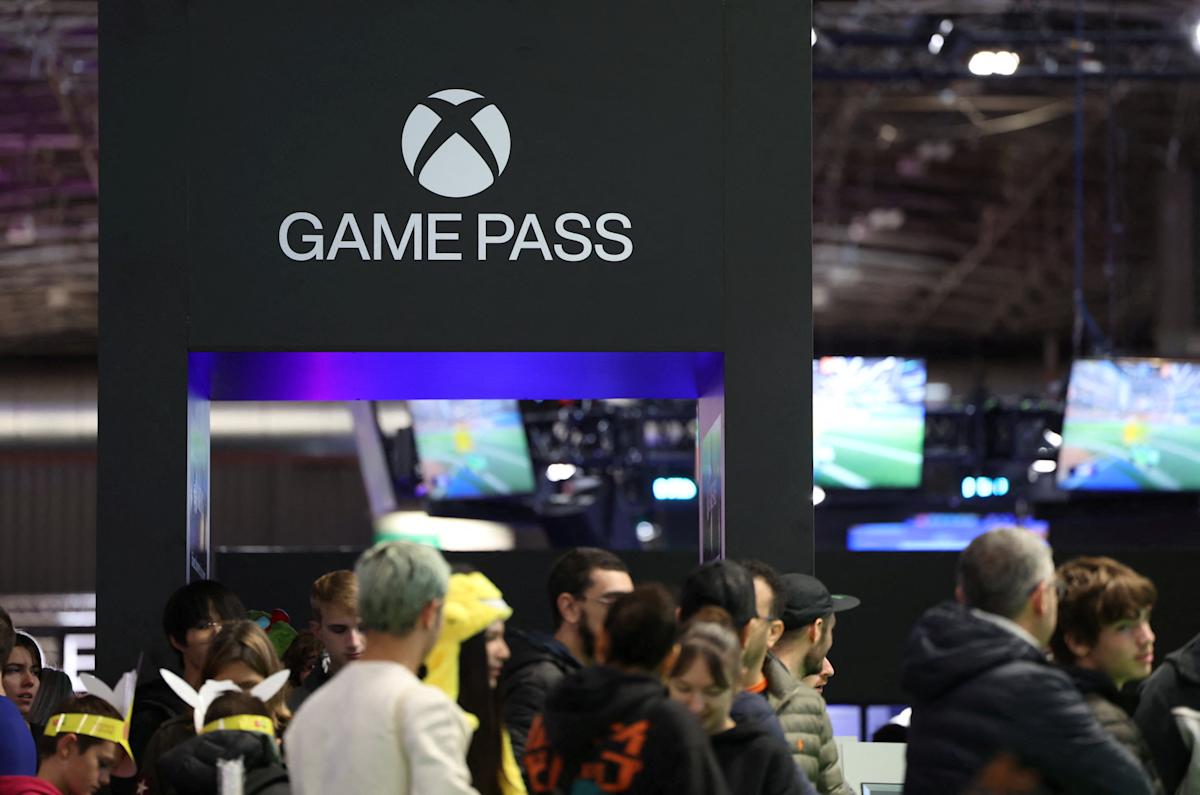
- Price Adjustment: Microsoft has announced a reduction in the Xbox Game Pass Ultimate monthly fee from $29.99 to $22.99, while the PC version will drop from $16.49 to $13.99, a move that counters the broader industry trend of price increases, aiming to attract more users and enhance market competitiveness.
- Game Availability Change: Despite the price cuts, Microsoft stated that future 'Call of Duty' titles will no longer be available on the subscription service on their release day, instead launching about a year later, which may affect players' immediate access to new games and potentially impact the attractiveness of the subscription service.
- Management Change Impact: This price adjustment marks the first major decision from new Microsoft Gaming CEO Asha Sharma, aimed at winning goodwill from gamers, especially following the departure of the beloved former CEO Phil Spencer, and Sharma's decisions may influence the company's brand image moving forward.
- Market Environment Comparison: In a context where game consoles and games are generally becoming more expensive, Microsoft's pricing strategy stands out, particularly as competitors like Sony and Nintendo are also raising prices, which may help Microsoft differentiate itself and attract price-sensitive consumers.
See More

Microsoft Faces Mass Lawsuit Over Cloud Software Pricing

- Lawsuit Background: A London tribunal ruled that Microsoft faces a collective lawsuit for allegedly overcharging nearly 60,000 British businesses for Windows Server software on cloud services, with claims potentially reaching £2.1 billion ($2.8 billion), which could significantly impact Microsoft's financial outlook.
- Competition Law Dispute: Competition lawyer Maria Luisa Stasi argues on behalf of affected businesses that Microsoft's wholesale pricing for Windows Server exceeds that of Azure, leading to increased costs for competitors like Amazon AWS and Google Cloud, thereby distorting market competition.
- Court Ruling: Despite Microsoft's claims that the lawsuit lacks a viable method for calculating alleged losses, the London Competition Appeal Tribunal has allowed the case to proceed to trial, a decision that may influence Microsoft's future pricing strategies and market conduct.
- Regulatory Scrutiny: Regulatory bodies in the UK, Europe, and the US are investigating Microsoft's practices, with the CMA previously noting that Microsoft's licensing practices materially disadvantage competitors in cloud services, indicating a tightening regulatory environment.
See More
Microsoft Lowers Game Subscription Prices Amid Strategy Shift
- Price Adjustment: Microsoft has reduced the Xbox Game Pass Ultimate subscription price from $29.99 to $22.99, while the PC Game Pass price drops from $16.49 to $13.99, aiming to attract more users amid competitive pressures.
- Strategic Shift: New gaming head Asha Sharma announced that future 'Call of Duty' titles will no longer be included on launch day in Game Pass, marking a significant strategic change that could impact user attraction to the platform.
- Market Competition Pressure: Due to consistent Game Pass price hikes, declining console sales, and a lack of compelling titles, Microsoft finds itself trailing behind rivals Sony and Nintendo, prompting a reevaluation of its subscription pricing strategy.
- Leadership Changes: Following the exits of Phil Spencer and Sarah Bond, Asha Sharma has taken over as head of the gaming division, acknowledging that Game Pass has become too expensive for players, indicating a deep reflection on the company's future direction.
See More

Investment Comparison Between Microsoft and Apple

- Market Capitalization Comparison: Apple's market cap stands at $4 trillion, surpassing Microsoft's $3.1 trillion, indicating Apple's strong market position, although Microsoft excels in various business segments.
- Financial Performance: Microsoft reported $282 billion in sales and $102 billion in net income for the fiscal year 2025, achieving a profit margin of 36%, showcasing its robust profitability and sustained growth potential.
- Ecosystem Advantage: Apple has built a strong ecosystem through products like the iPhone, generating $416 billion in net sales and $112 billion in net profit in fiscal year 2025, highlighting its brand loyalty and cross-selling potential.
- Investment Attractiveness: Despite a 14% decline in Microsoft's stock price in early 2026, its lower price-to-earnings ratio of 26 makes it a more attractive investment, while Apple's high valuation at 35 times earnings raises questions about its growth potential.
See More
Microsoft Lowers Xbox Subscription Costs to Recommit to Gamers

- Subscription Cost Reduction: Microsoft has announced a reduction in the monthly fee for Game Pass Ultimate from $29.99 to $22.99, and for PC Game Pass from $16.49 to $13.99, aiming to attract more players and enhance user satisfaction.
- Content Changes: Upcoming titles in the 'Call of Duty' franchise will no longer be included in the subscriptions, requiring players to purchase them separately at a price of $69.99, which may impact short-term user retention rates.
- Revenue Decline: Although gaming contributed 7% to Microsoft's total revenue in Q4, the segment's revenue fell approximately 10% year-over-year, contrasting sharply with growth in Azure and Microsoft 365, highlighting increased market competition pressures.
- Strategic Restructuring: New gaming chief Asha Sharma indicated that Game Pass had become too expensive, and this adjustment is a direct response to player feedback, reflecting Microsoft's strategic shift in the gaming market aimed at restoring user trust and increasing market share.
See More

Microsoft Cuts Game Pass Subscription Prices to Recommit to Gamers
- Price Adjustment: Microsoft has reduced the monthly fee for Game Pass Ultimate from $29.99 to $22.99, a 23% decrease aimed at addressing player feedback regarding high costs, thereby enhancing user retention and attracting new subscribers.
- PC Game Pass Price Cut: The price for PC Game Pass has also been lowered from $16.49 to $13.99, a 15% reduction intended to broaden market coverage and improve competitiveness, especially against other gaming subscription services.
- New Game Release Strategy: Upcoming titles in the 'Call of Duty' franchise will no longer be available at launch through the subscription service, requiring players to purchase them separately at a price of $69.99, a strategy that may impact user purchasing decisions and subscription interest.
- Revenue Context: Although the gaming division contributed 7% to Microsoft's total revenue in Q4, the unit's revenue fell approximately 10% year-over-year, indicating pressures from intensified market competition and shifting user demands, prompting the company to implement strategic adjustments to restore growth.
See More
Microsoft Cuts Xbox Game Pass Prices Amid Industry Trends
- Price Adjustment: Microsoft has announced a reduction in the Xbox Game Pass Ultimate monthly fee from $29.99 to $22.99, while the PC version will drop from $16.49 to $13.99, a move that counters the broader industry trend of price increases, aiming to attract more users and enhance market competitiveness.
- Game Availability Change: Despite the price cuts, Microsoft stated that future 'Call of Duty' titles will no longer be available on the subscription service on their release day, instead launching about a year later, which may affect players' immediate access to new games and potentially impact the attractiveness of the subscription service.
- Management Change Impact: This price adjustment marks the first major decision from new Microsoft Gaming CEO Asha Sharma, aimed at winning goodwill from gamers, especially following the departure of the beloved former CEO Phil Spencer, and Sharma's decisions may influence the company's brand image moving forward.
- Market Environment Comparison: In a context where game consoles and games are generally becoming more expensive, Microsoft's pricing strategy stands out, particularly as competitors like Sony and Nintendo are also raising prices, which may help Microsoft differentiate itself and attract price-sensitive consumers.
See More
Microsoft Faces Mass Lawsuit Over Cloud Software Pricing
- Lawsuit Background: A London tribunal ruled that Microsoft faces a collective lawsuit for allegedly overcharging nearly 60,000 British businesses for Windows Server software on cloud services, with claims potentially reaching £2.1 billion ($2.8 billion), which could significantly impact Microsoft's financial outlook.
- Competition Law Dispute: Competition lawyer Maria Luisa Stasi argues on behalf of affected businesses that Microsoft's wholesale pricing for Windows Server exceeds that of Azure, leading to increased costs for competitors like Amazon AWS and Google Cloud, thereby distorting market competition.
- Court Ruling: Despite Microsoft's claims that the lawsuit lacks a viable method for calculating alleged losses, the London Competition Appeal Tribunal has allowed the case to proceed to trial, a decision that may influence Microsoft's future pricing strategies and market conduct.
- Regulatory Scrutiny: Regulatory bodies in the UK, Europe, and the US are investigating Microsoft's practices, with the CMA previously noting that Microsoft's licensing practices materially disadvantage competitors in cloud services, indicating a tightening regulatory environment.
See More
Microsoft Lowers Game Subscription Prices Amid Strategy Shift
- Price Adjustment: Microsoft has reduced the Xbox Game Pass Ultimate subscription price from $29.99 to $22.99, while the PC Game Pass price drops from $16.49 to $13.99, aiming to attract more users amid competitive pressures.
- Strategic Shift: New gaming head Asha Sharma announced that future 'Call of Duty' titles will no longer be included on launch day in Game Pass, marking a significant strategic change that could impact user attraction to the platform.
- Market Competition Pressure: Due to consistent Game Pass price hikes, declining console sales, and a lack of compelling titles, Microsoft finds itself trailing behind rivals Sony and Nintendo, prompting a reevaluation of its subscription pricing strategy.
- Leadership Changes: Following the exits of Phil Spencer and Sarah Bond, Asha Sharma has taken over as head of the gaming division, acknowledging that Game Pass has become too expensive for players, indicating a deep reflection on the company's future direction.
See More
Investment Comparison Between Microsoft and Apple
- Market Capitalization Comparison: Apple's market cap stands at $4 trillion, surpassing Microsoft's $3.1 trillion, indicating Apple's strong market position, although Microsoft excels in various business segments.
- Financial Performance: Microsoft reported $282 billion in sales and $102 billion in net income for the fiscal year 2025, achieving a profit margin of 36%, showcasing its robust profitability and sustained growth potential.
- Ecosystem Advantage: Apple has built a strong ecosystem through products like the iPhone, generating $416 billion in net sales and $112 billion in net profit in fiscal year 2025, highlighting its brand loyalty and cross-selling potential.
- Investment Attractiveness: Despite a 14% decline in Microsoft's stock price in early 2026, its lower price-to-earnings ratio of 26 makes it a more attractive investment, while Apple's high valuation at 35 times earnings raises questions about its growth potential.
See More
Microsoft Lowers Xbox Subscription Costs to Recommit to Gamers
- Subscription Cost Reduction: Microsoft has announced a reduction in the monthly fee for Game Pass Ultimate from $29.99 to $22.99, and for PC Game Pass from $16.49 to $13.99, aiming to attract more players and enhance user satisfaction.
- Content Changes: Upcoming titles in the 'Call of Duty' franchise will no longer be included in the subscriptions, requiring players to purchase them separately at a price of $69.99, which may impact short-term user retention rates.
- Revenue Decline: Although gaming contributed 7% to Microsoft's total revenue in Q4, the segment's revenue fell approximately 10% year-over-year, contrasting sharply with growth in Azure and Microsoft 365, highlighting increased market competition pressures.
- Strategic Restructuring: New gaming chief Asha Sharma indicated that Game Pass had become too expensive, and this adjustment is a direct response to player feedback, reflecting Microsoft's strategic shift in the gaming market aimed at restoring user trust and increasing market share.
See More
Microsoft Cuts Game Pass Subscription Prices to Recommit to Gamers
- Price Adjustment: Microsoft has reduced the monthly fee for Game Pass Ultimate from $29.99 to $22.99, a 23% decrease aimed at addressing player feedback regarding high costs, thereby enhancing user retention and attracting new subscribers.
- PC Game Pass Price Cut: The price for PC Game Pass has also been lowered from $16.49 to $13.99, a 15% reduction intended to broaden market coverage and improve competitiveness, especially against other gaming subscription services.
- New Game Release Strategy: Upcoming titles in the 'Call of Duty' franchise will no longer be available at launch through the subscription service, requiring players to purchase them separately at a price of $69.99, a strategy that may impact user purchasing decisions and subscription interest.
- Revenue Context: Although the gaming division contributed 7% to Microsoft's total revenue in Q4, the unit's revenue fell approximately 10% year-over-year, indicating pressures from intensified market competition and shifting user demands, prompting the company to implement strategic adjustments to restore growth.
See More