Alphabet Plans to Sell $80 Billion in Stock to Fund AI Infrastructure
Written by Emily J. Thompson, Senior Investment Analyst
Updated: Jun 01 2026
0mins

Source: Newsfilter
- Massive Financing: Alphabet announced plans to sell $80 billion in stock, including a $10 billion investment from Berkshire Hathaway, providing substantial funds to support the expansion of its AI computing infrastructure.
- Surge in AI Demand: The company stated that demand for its AI solutions and services from enterprises and consumers is exceeding its current supply capacity, thus this financing will help meet unprecedented customer demand.
- Increased Capital Expenditure: In April, Alphabet revised its full-year capital expenditure forecast to between $180 billion and $190 billion, up from the previous estimate of $175 billion to $185 billion, indicating a significant increase in AI-related spending.
- Strategic Expansion Plans: Through this financing, Alphabet aims to expand its foundational infrastructure to support significant growth opportunities ahead, reflecting the company's confidence and strategic positioning in the long-term AI market.
Trade with 70% Backtested Accuracy
Stop guessing "Should I Buy GOOGL?" and start using high-conviction signals backed by rigorous historical data.
Sign up today to access powerful investing tools and make smarter, data-driven decisions.
Analyst Views on GOOGL
Wall Street analysts forecast GOOGL stock price to rise
33 Analyst Rating
26 Buy
7 Hold
0 Sell
Strong Buy
Current: 346.130

Low
305.00
Averages
374.25
High
400.00
Current: 346.130
Low
305.00
Averages
374.25
High
400.00
About GOOGL
Alphabet Inc. is a holding company. The Company's segments include Google Services, Google Cloud, and Other Bets. The Google Services segment includes products and services such as ads, Android, Chrome, devices, Google Maps, Google Play, Search, and YouTube. The Google Cloud segment includes infrastructure and platform services, collaboration tools, and other services for enterprise customers. Its Other Bets segment is engaged in the sale of healthcare-related services and Internet services. Its Google Cloud provides enterprise-ready cloud services, including Google Cloud Platform and Google Workspace. Google Cloud Platform provides access to solutions such as artificial intelligence (AI) offerings, including its AI infrastructure, Vertex AI platform, and Gemini for Google Cloud; cybersecurity, and data and analytics. Google Workspace includes cloud-based communication and collaboration tools for enterprises, such as Calendar, Gmail, Docs, Drive, and Meet.
About the author

Emily J. Thompson
Emily J. Thompson, a Chartered Financial Analyst (CFA) with 12 years in investment research, graduated with honors from the Wharton School. Specializing in industrial and technology stocks, she provides in-depth analysis for Intellectia’s earnings and market brief reports.

Netflix Hits 52-Week Low Amid Mixed Reviews on Acquisition Attempts


- Stock Price Decline: Netflix's stock hit a 52-week low on June 22, falling 22.3% year-to-date and 45.6% from its 52-week high, indicating market concerns about its future growth and potentially impacting investor confidence.
- Acquisition Attempts Struggled: Despite Netflix's efforts to acquire Warner Bros. Discovery and Roku, it was outbid by competitors, reflecting pressure on its content acquisition strategy and suggesting cracks in its content pipeline.
- Optimistic Revenue Guidance: Netflix's first-quarter 2026 guidance projects revenue between $50.7 billion and $51.7 billion, a year-over-year increase of 12% to 14%, but relies on the assumption of doubling ad revenue, which may be challenging in a worsening economic environment.
- International Market Growth: Netflix's Asia-Pacific revenue has surpassed Latin America's for two consecutive quarters, demonstrating the success of its international strategy and reducing reliance on the North American market, thereby enhancing its competitiveness globally.
See More
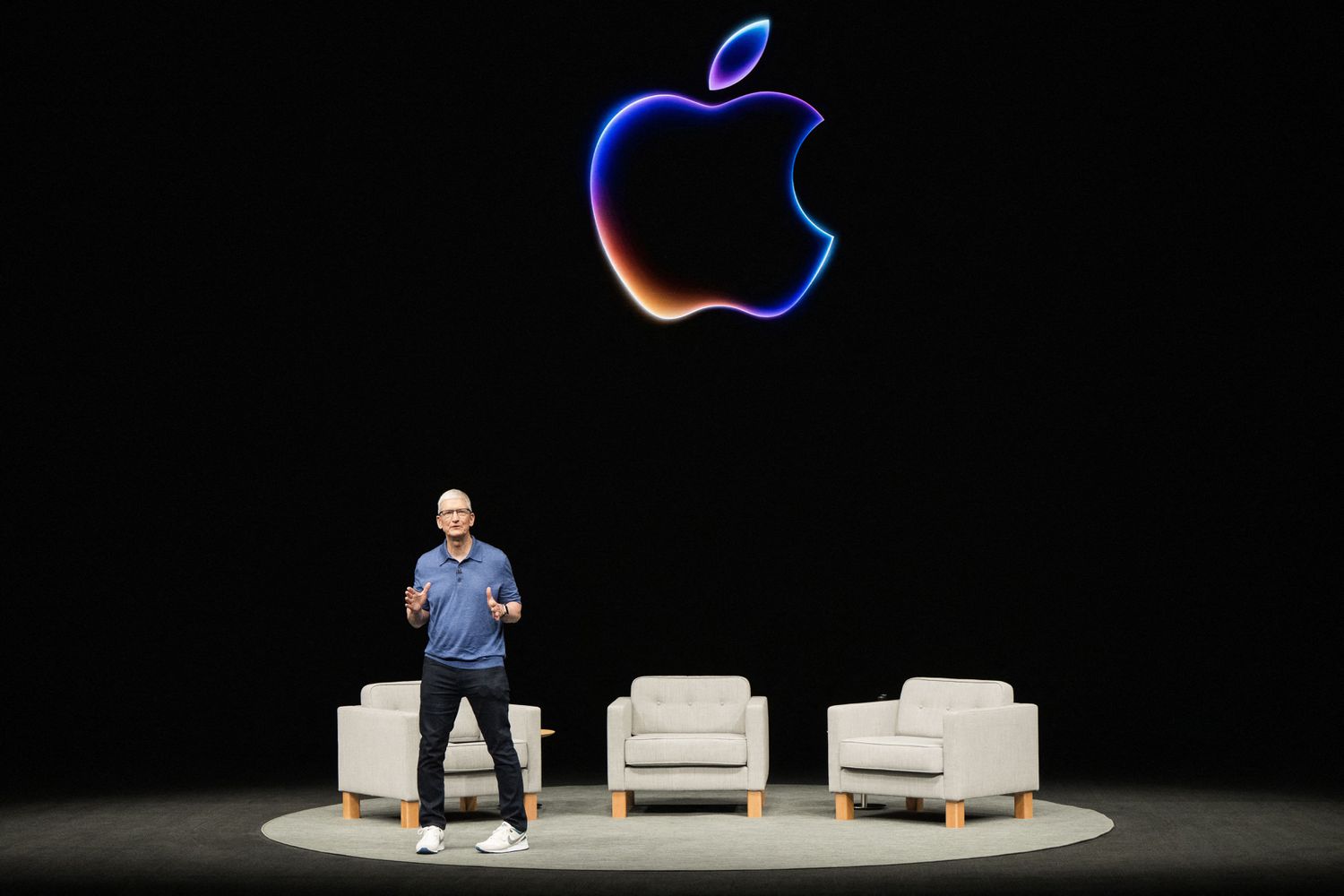
Tech ETF Outperforms Market with Strong Returns


- Strong Market Performance: As of the first half of 2026, the iShares Expanded Tech Sector ETF has achieved a return of 27%, significantly outperforming the S&P 500's return of 7% to 20%, highlighting its robust performance and investment appeal in the tech sector.
- Diversified Portfolio: This ETF holds 296 stocks across 12 sectors of technology, with over 35% of its assets allocated to semiconductor companies, ensuring competitiveness and risk diversification in the rapidly growing AI market.
- AI Revolution Driving Growth: The top four holdings, including Nvidia, Broadcom, Alphabet, and Apple, account for 32.8% of the portfolio, with Nvidia's Vera Rubin systems expected to reduce AI inference costs by 90%, further driving chip demand.
- Solid Historical Performance: Since its inception in 2001, the ETF has delivered a compound annual return of 12.5%, significantly exceeding the S&P 500's 8.4% over the same period, indicating its ongoing adaptability and potential for future growth amid technological revolutions.
See More

Costco Maintains Strong Membership Retention Rates Amid Fee Increases


- Membership Growth and Revenue Increase: As of Q3 FY2026, Costco's paid membership reached 82.9 million, a 4.1% increase year-over-year, with membership income rising by 10.7%, indicating strong consumer recognition of its value proposition and enhancing its competitive position in the retail market.
- Unique Store Layouts: Costco is embracing nontraditional store setups that integrate multifloor stores with high-rise buildings, which will expand its total addressable market, especially in larger cities, thereby enhancing future growth potential.
- Dividend Policy and Returns: Since initiating dividends in 2004, Costco has increased its annual dividend for 22 consecutive years, with a 226% increase over the past decade, including a one-off $15 special dividend in January 2024, which enhances its appeal to investors seeking returns.
- Valuation Risks: Despite Costco's stock rising 145% over the past five years, its current P/E ratio stands at 46.1, surpassing many fast-growing tech stocks, prompting investors to carefully consider the potential pullback risks associated with high valuations.
See More

Costco's Investment Potential and Risks
- Membership Revenue Growth: As of Q3 FY2026, Costco boasts 148.5 million cardholders and 82.9 million paid memberships, reflecting a 4.1% increase from last year, with membership income rising 10.7% due to fee hikes, underscoring strong consumer value perception and enhancing competitive positioning in retail.
- New Store Layout Strategy: Costco is adopting nontraditional multi-floor store layouts, particularly in urban areas, which will enable the company to open more locations in space-constrained regions, thereby expanding its market reach and sustaining growth potential.
- Stable Dividend Returns: Although Costco's dividend yield stands at only 0.6%, it has increased its annual dividend for 22 consecutive years since 2004, with a 226% increase over the past decade and a special $15 dividend payout in January 2024, indicating strong long-term return potential.
- Valuation Risk: Currently trading at a price-to-earnings ratio of 46.1, Costco's stock is more expensive than many fast-growing tech stocks; while high valuation does not preclude investment, caution is advised to avoid potential pullback risks, especially given a 13% decline since its all-time high on May 19.
See More

QQQ ETF Outperforms S&P 500 Over Last Decade
- Outstanding Historical Performance: Over the past decade, the Invesco QQQ Trust ETF has achieved a return of 570%, significantly outperforming the S&P 500's 255%, highlighting its strong appeal among investors, particularly driven by tech stocks.
- Diversified Portfolio: While QQQ is tech-heavy (66.9%), it also includes non-tech companies like Walmart and Costco, ensuring that other sectors can provide support during tech industry fluctuations, thereby enhancing investment stability.
- AI Boom Contribution: Much of QQQ's strong performance is attributed to the current AI boom, with nine of its component companies valued at over $1 trillion, driving overall valuation increases and further solidifying its market leadership.
- Confidence in Future Growth: Despite high valuations in tech stocks, the diverse growth opportunities of QQQ's holdings, such as cloud computing and biotech, instill confidence in investors for continued outperformance over the next decade.
See More
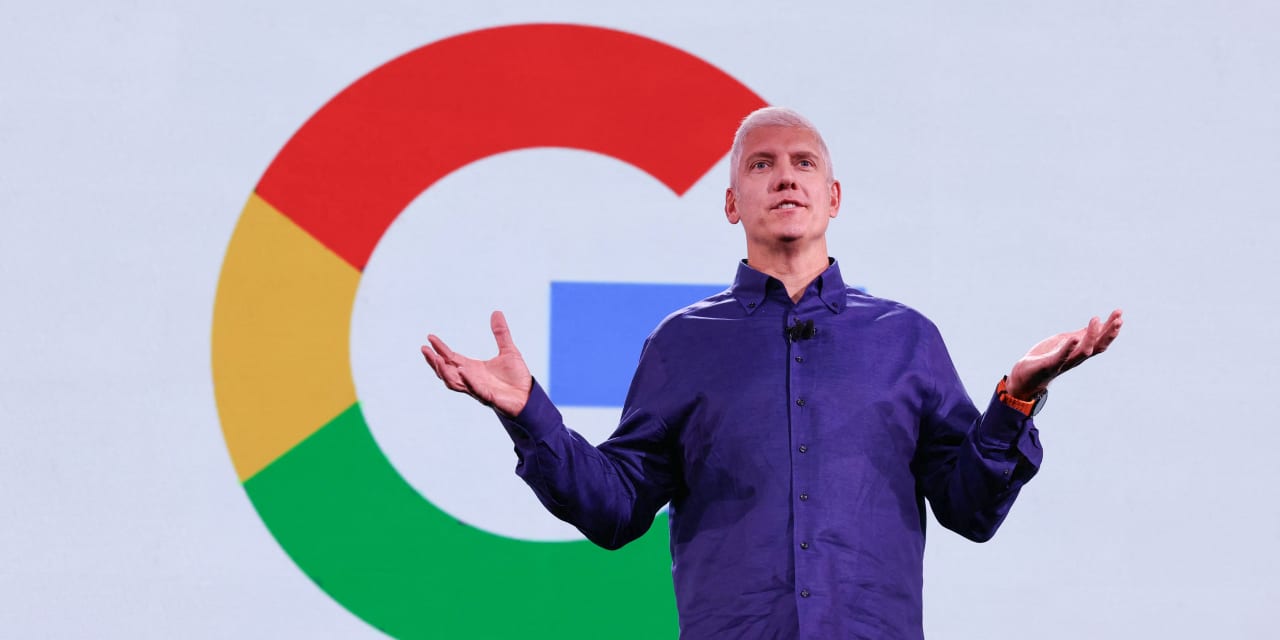
Honeywell Spins Off Aerospace, Alphabet Joins Dow Jones


- Honeywell Spin-off: Honeywell International is spinning off its Aerospace division on June 29, marking the final phase of breaking up its conglomerate structure to accelerate growth and enhance market competitiveness.
- Dow Jones Component Change: With Honeywell's spin-off, Alphabet will replace Verizon in the Dow Jones Industrial Average, which is expected to boost Alphabet's market recognition and investor confidence significantly.
- Alphabet's Market Position: Alphabet currently has a market cap of $4.2 trillion and a share price of $346.13, making it the sixth-largest component of the Dow with an anticipated 4.1% impact on the index, further solidifying its leadership in the tech sector.
- Diversification and High Growth: Alphabet excels in multiple areas, including cloud computing and artificial intelligence, with YouTube generating $9.9 billion in revenue in Q1 2026, showcasing its strong profitability and market potential.
See More
Netflix Hits 52-Week Low Amid Mixed Reviews on Acquisition Attempts
- Stock Price Decline: Netflix's stock hit a 52-week low on June 22, falling 22.3% year-to-date and 45.6% from its 52-week high, indicating market concerns about its future growth and potentially impacting investor confidence.
- Acquisition Attempts Struggled: Despite Netflix's efforts to acquire Warner Bros. Discovery and Roku, it was outbid by competitors, reflecting pressure on its content acquisition strategy and suggesting cracks in its content pipeline.
- Optimistic Revenue Guidance: Netflix's first-quarter 2026 guidance projects revenue between $50.7 billion and $51.7 billion, a year-over-year increase of 12% to 14%, but relies on the assumption of doubling ad revenue, which may be challenging in a worsening economic environment.
- International Market Growth: Netflix's Asia-Pacific revenue has surpassed Latin America's for two consecutive quarters, demonstrating the success of its international strategy and reducing reliance on the North American market, thereby enhancing its competitiveness globally.
See More
Tech ETF Outperforms Market with Strong Returns
- Strong Market Performance: As of the first half of 2026, the iShares Expanded Tech Sector ETF has achieved a return of 27%, significantly outperforming the S&P 500's return of 7% to 20%, highlighting its robust performance and investment appeal in the tech sector.
- Diversified Portfolio: This ETF holds 296 stocks across 12 sectors of technology, with over 35% of its assets allocated to semiconductor companies, ensuring competitiveness and risk diversification in the rapidly growing AI market.
- AI Revolution Driving Growth: The top four holdings, including Nvidia, Broadcom, Alphabet, and Apple, account for 32.8% of the portfolio, with Nvidia's Vera Rubin systems expected to reduce AI inference costs by 90%, further driving chip demand.
- Solid Historical Performance: Since its inception in 2001, the ETF has delivered a compound annual return of 12.5%, significantly exceeding the S&P 500's 8.4% over the same period, indicating its ongoing adaptability and potential for future growth amid technological revolutions.
See More
Costco Maintains Strong Membership Retention Rates Amid Fee Increases
- Membership Growth and Revenue Increase: As of Q3 FY2026, Costco's paid membership reached 82.9 million, a 4.1% increase year-over-year, with membership income rising by 10.7%, indicating strong consumer recognition of its value proposition and enhancing its competitive position in the retail market.
- Unique Store Layouts: Costco is embracing nontraditional store setups that integrate multifloor stores with high-rise buildings, which will expand its total addressable market, especially in larger cities, thereby enhancing future growth potential.
- Dividend Policy and Returns: Since initiating dividends in 2004, Costco has increased its annual dividend for 22 consecutive years, with a 226% increase over the past decade, including a one-off $15 special dividend in January 2024, which enhances its appeal to investors seeking returns.
- Valuation Risks: Despite Costco's stock rising 145% over the past five years, its current P/E ratio stands at 46.1, surpassing many fast-growing tech stocks, prompting investors to carefully consider the potential pullback risks associated with high valuations.
See More
Costco's Investment Potential and Risks
- Membership Revenue Growth: As of Q3 FY2026, Costco boasts 148.5 million cardholders and 82.9 million paid memberships, reflecting a 4.1% increase from last year, with membership income rising 10.7% due to fee hikes, underscoring strong consumer value perception and enhancing competitive positioning in retail.
- New Store Layout Strategy: Costco is adopting nontraditional multi-floor store layouts, particularly in urban areas, which will enable the company to open more locations in space-constrained regions, thereby expanding its market reach and sustaining growth potential.
- Stable Dividend Returns: Although Costco's dividend yield stands at only 0.6%, it has increased its annual dividend for 22 consecutive years since 2004, with a 226% increase over the past decade and a special $15 dividend payout in January 2024, indicating strong long-term return potential.
- Valuation Risk: Currently trading at a price-to-earnings ratio of 46.1, Costco's stock is more expensive than many fast-growing tech stocks; while high valuation does not preclude investment, caution is advised to avoid potential pullback risks, especially given a 13% decline since its all-time high on May 19.
See More
QQQ ETF Outperforms S&P 500 Over Last Decade
- Outstanding Historical Performance: Over the past decade, the Invesco QQQ Trust ETF has achieved a return of 570%, significantly outperforming the S&P 500's 255%, highlighting its strong appeal among investors, particularly driven by tech stocks.
- Diversified Portfolio: While QQQ is tech-heavy (66.9%), it also includes non-tech companies like Walmart and Costco, ensuring that other sectors can provide support during tech industry fluctuations, thereby enhancing investment stability.
- AI Boom Contribution: Much of QQQ's strong performance is attributed to the current AI boom, with nine of its component companies valued at over $1 trillion, driving overall valuation increases and further solidifying its market leadership.
- Confidence in Future Growth: Despite high valuations in tech stocks, the diverse growth opportunities of QQQ's holdings, such as cloud computing and biotech, instill confidence in investors for continued outperformance over the next decade.
See More
Honeywell Spins Off Aerospace, Alphabet Joins Dow Jones
- Honeywell Spin-off: Honeywell International is spinning off its Aerospace division on June 29, marking the final phase of breaking up its conglomerate structure to accelerate growth and enhance market competitiveness.
- Dow Jones Component Change: With Honeywell's spin-off, Alphabet will replace Verizon in the Dow Jones Industrial Average, which is expected to boost Alphabet's market recognition and investor confidence significantly.
- Alphabet's Market Position: Alphabet currently has a market cap of $4.2 trillion and a share price of $346.13, making it the sixth-largest component of the Dow with an anticipated 4.1% impact on the index, further solidifying its leadership in the tech sector.
- Diversification and High Growth: Alphabet excels in multiple areas, including cloud computing and artificial intelligence, with YouTube generating $9.9 billion in revenue in Q1 2026, showcasing its strong profitability and market potential.
See More