Alphabet CEO Sundar Pichai Responds to Jensen Huang's Excitement Over Google Gemini's Nano Banana: 'How Impressive Is That?'


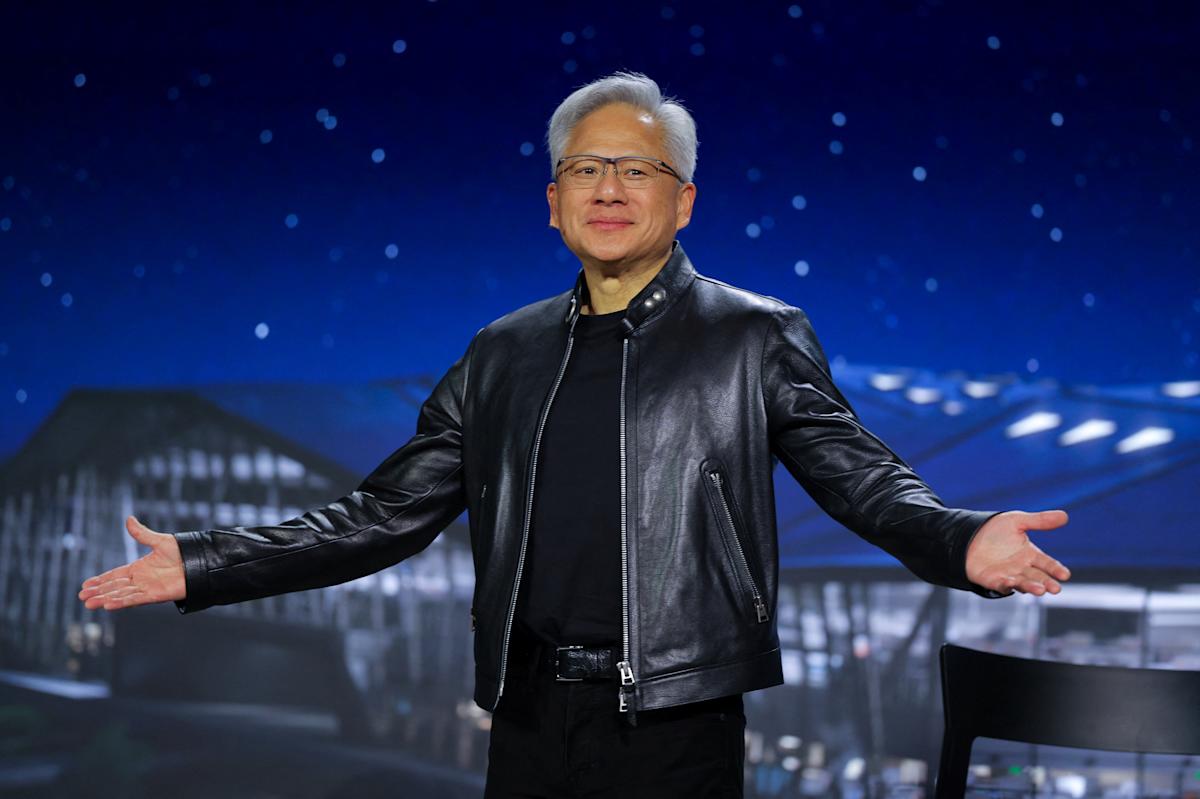
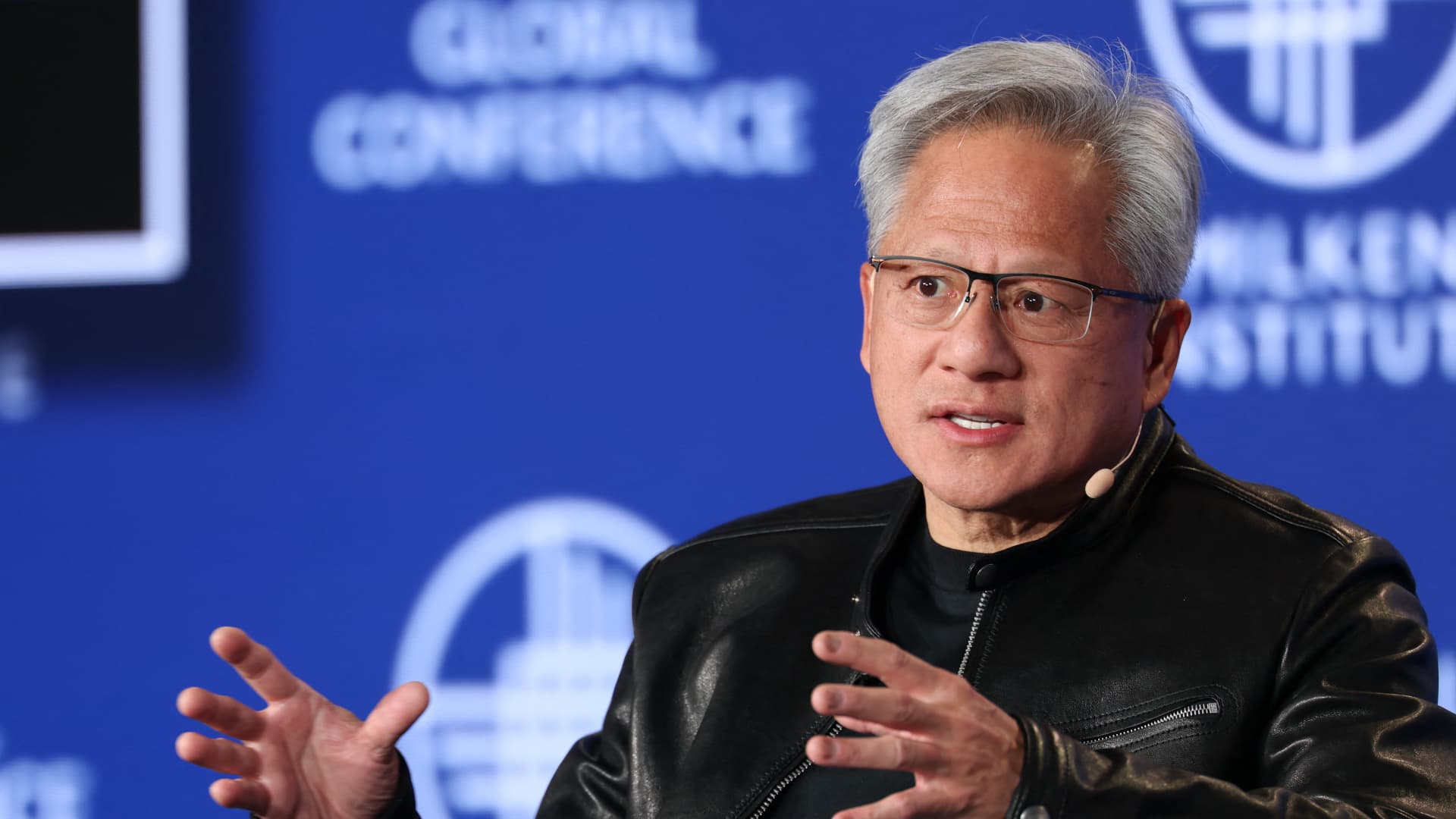
Nvidia CEO's Praise for Google AI: Jensen Huang expressed enthusiasm for Google Gemini's "Nano Banana" AI image tool, which has gained popularity for its editing capabilities, during a recent event in London. His comments prompted a lighthearted response from Alphabet CEO Sundar Pichai.
Nvidia's Investment in AI Infrastructure: Nvidia announced a $683 million investment in Nscale, a UK-based data center builder, which Huang estimates could generate over $68 billion in revenue over six years, highlighting the company's commitment to expanding its AI infrastructure.
Projected Growth in AI Data Centers: A McKinsey report forecasts that AI-specific data center capacity will increase significantly, from 44 gigawatts in 2025 to 156 gigawatts by 2030, with capital spending potentially exceeding $1.7 trillion, driven largely by AI demand.
Market Reaction to Nvidia's Performance: Despite a 2.62% drop in Nvidia's shares to $170.29, the stock saw a 2.30% rise in pre-market trading, reflecting ongoing investor interest and confidence in the company's long-term prospects in the AI sector.
Trade with 70% Backtested Accuracy
Analyst Views on NVDA

About NVDA
About the author

SpaceX IPO Could Become Largest Float in History

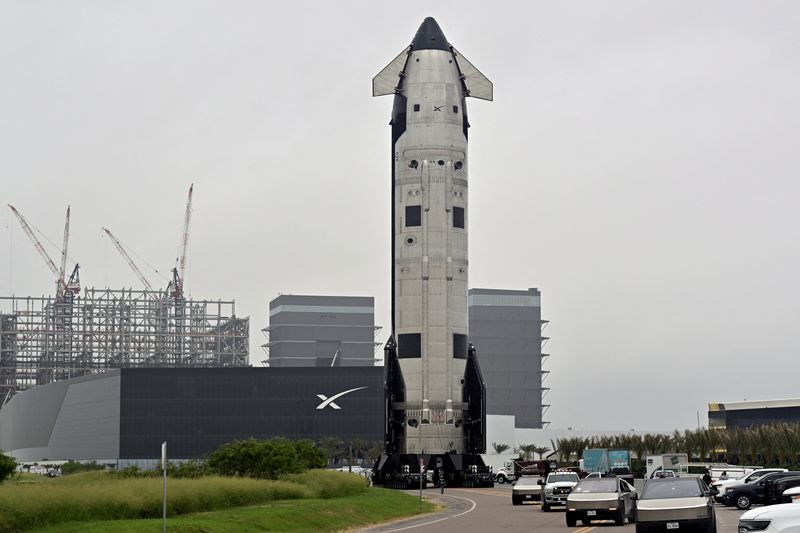
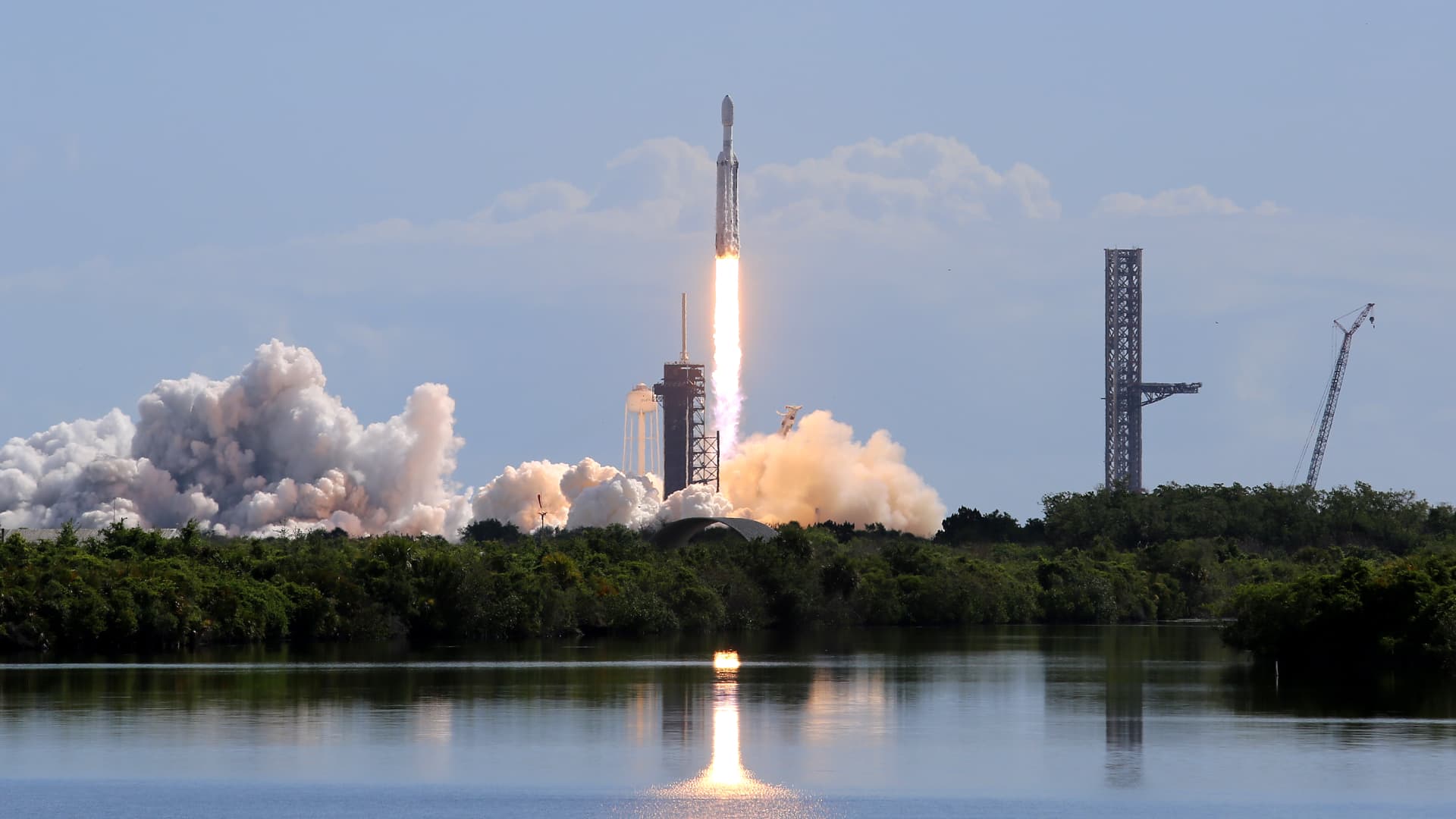
- Market Peak Signal: Analysts suggest that SpaceX's upcoming IPO could signal a market top, drawing parallels to the late 1990s dot-com bubble, particularly as multiple mega-cap companies are going public simultaneously, prompting caution among investors.
- Poor Financial Performance: SpaceX reported a net loss of $4.28 billion in the latest quarter, despite its Starlink division generating $3.26 billion in revenue, which accounted for 69% of total revenue; however, the overall business still faces significant losses, particularly with its AI unit losing $2.5 billion.
- Valuation Risks: SpaceX's anticipated valuation of $1.75 trillion on Nasdaq translates to 67 times sales, significantly higher than Nvidia's valuation, with analysts warning that such a high valuation could pose risks to the market.
- Competition and Transparency Issues: SpaceX considers OpenAI a key competitor, yet both companies have yet to achieve profitability, raising concerns among analysts that if they fail to generate profits, it could negatively impact the broader market, especially after they disclose their financials, which remain poorly understood.
Alice & Bob Secures Funding from Nvidia for Quantum Computing Development
- Funding Support: French company Alice & Bob has secured funding from Nvidia's venture capital arm NVentures, aimed at developing hardware to reduce errors in quantum computing, indicating a rising market interest in the technology.
- Investment Size Undisclosed: Although the company did not disclose the specific amount of investment, this funding comes shortly after the Trump administration announced a $2 billion equity stake across nine quantum computing companies, highlighting the U.S. strategic focus on this emerging technology.
- Development Opportunity: This funding will accelerate Alice & Bob's research and development of quantum computing hardware, aiming to lower error rates in quantum computing, thereby enhancing the technology's practicality and market competitiveness.
- Positive Industry Outlook: As quantum computing technology continues to advance and its application prospects expand, Alice & Bob's development will contribute to the maturation of the global quantum computing ecosystem, further solidifying U.S. leadership in the field.
Hyperliquid Poised for Regulatory Breakthrough

- Market Leadership: Hyperliquid currently holds over 70% of the decentralized perpetual futures open interest, establishing itself as a key player in popularizing this financial derivative, thereby solidifying its leadership in the crypto trading space.
- Revenue Growth Potential: The platform's trading fees are projected to generate nearly $619 million in annual revenue, with 97% of protocol fees allocated for HYPE buybacks and burns, continuously reducing circulating supply and enhancing returns for holders.
- SEC Innovation Exemption: The SEC's planned innovation exemption could allow decentralized finance platforms to offer tokenized stock trading during an experimental period, potentially providing Hyperliquid with a legal pathway to enter the U.S. market, significantly expanding its user base.
- Competitive Environment Challenges: While the SEC's new regulations may present opportunities for Hyperliquid, it faces increasing competition from numerous other crypto exchanges and traditional financial institutions eager to launch perpetual futures and tokenized stocks, necessitating cautious risk assessment for investors.

SEC's Rule Change Paves Way for Hyperliquid's U.S. Operations
- Regulatory Impact: The SEC's plan to introduce an innovation exemption for tokenized stock trading could pave the way for Hyperliquid's legal operations in the U.S. market, significantly enhancing its competitive position in the decentralized finance space.
- Market Leadership: Hyperliquid currently holds over 70% of the open interest in decentralized perpetual futures, with trading fees projected to generate nearly $619 million in annual revenue, indicating a solidification of its leading role in the financial derivatives market.
- Technological Innovation: The HIP-3 framework launched by Hyperliquid allows developers to deploy their own perpetual futures markets by staking HYPE tokens, further popularizing tokenized stocks, particularly with listings of popular equities like Tesla and Nvidia.
- Market Risks and Opportunities: While the SEC's exemption could present significant market opportunities for Hyperliquid, the lack of long-term rule changes could hinder its U.S. expansion plans, especially amid increasing competition from other major crypto exchanges.
Nvidia Reports Strong Earnings and Buyback Plan

- Earnings Highlights: Nvidia reported an 85% revenue surge to $82 billion in its latest earnings report; however, despite the impressive results, shares fell, indicating investor unease about future prospects.
- Buyback and Dividend: The company announced an $80 billion share buyback program and raised its dividend, aiming to bolster shareholder confidence and returns, even as market reactions remained lukewarm.
- Challenges in China: CEO Jensen Huang acknowledged that Nvidia has

Nvidia Reports Strong Earnings, Yet Stock Drops
- Significant Revenue Growth: Nvidia reported second-quarter revenue of $82 billion, an 85% increase year-over-year, showcasing strong performance in both data center and edge computing sectors; however, the stock dropped nearly 2% post-earnings, reflecting investor concerns about future prospects.
- Share Buyback Program: The company announced an $80 billion share buyback program and raised its dividend, aimed at enhancing shareholder returns, yet the market's tepid response indicates a lack of confidence in the company's long-term growth potential.
- Intensifying Market Competition: Nvidia's CEO stated that the company has
SpaceX IPO Could Become Largest Float in History
- Market Peak Signal: Analysts suggest that SpaceX's upcoming IPO could signal a market top, drawing parallels to the late 1990s dot-com bubble, particularly as multiple mega-cap companies are going public simultaneously, prompting caution among investors.
- Poor Financial Performance: SpaceX reported a net loss of $4.28 billion in the latest quarter, despite its Starlink division generating $3.26 billion in revenue, which accounted for 69% of total revenue; however, the overall business still faces significant losses, particularly with its AI unit losing $2.5 billion.
- Valuation Risks: SpaceX's anticipated valuation of $1.75 trillion on Nasdaq translates to 67 times sales, significantly higher than Nvidia's valuation, with analysts warning that such a high valuation could pose risks to the market.
- Competition and Transparency Issues: SpaceX considers OpenAI a key competitor, yet both companies have yet to achieve profitability, raising concerns among analysts that if they fail to generate profits, it could negatively impact the broader market, especially after they disclose their financials, which remain poorly understood.
Alice & Bob Secures Funding from Nvidia for Quantum Computing Development
- Funding Support: French company Alice & Bob has secured funding from Nvidia's venture capital arm NVentures, aimed at developing hardware to reduce errors in quantum computing, indicating a rising market interest in the technology.
- Investment Size Undisclosed: Although the company did not disclose the specific amount of investment, this funding comes shortly after the Trump administration announced a $2 billion equity stake across nine quantum computing companies, highlighting the U.S. strategic focus on this emerging technology.
- Development Opportunity: This funding will accelerate Alice & Bob's research and development of quantum computing hardware, aiming to lower error rates in quantum computing, thereby enhancing the technology's practicality and market competitiveness.
- Positive Industry Outlook: As quantum computing technology continues to advance and its application prospects expand, Alice & Bob's development will contribute to the maturation of the global quantum computing ecosystem, further solidifying U.S. leadership in the field.
Hyperliquid Poised for Regulatory Breakthrough
- Market Leadership: Hyperliquid currently holds over 70% of the decentralized perpetual futures open interest, establishing itself as a key player in popularizing this financial derivative, thereby solidifying its leadership in the crypto trading space.
- Revenue Growth Potential: The platform's trading fees are projected to generate nearly $619 million in annual revenue, with 97% of protocol fees allocated for HYPE buybacks and burns, continuously reducing circulating supply and enhancing returns for holders.
- SEC Innovation Exemption: The SEC's planned innovation exemption could allow decentralized finance platforms to offer tokenized stock trading during an experimental period, potentially providing Hyperliquid with a legal pathway to enter the U.S. market, significantly expanding its user base.
- Competitive Environment Challenges: While the SEC's new regulations may present opportunities for Hyperliquid, it faces increasing competition from numerous other crypto exchanges and traditional financial institutions eager to launch perpetual futures and tokenized stocks, necessitating cautious risk assessment for investors.
SEC's Rule Change Paves Way for Hyperliquid's U.S. Operations
- Regulatory Impact: The SEC's plan to introduce an innovation exemption for tokenized stock trading could pave the way for Hyperliquid's legal operations in the U.S. market, significantly enhancing its competitive position in the decentralized finance space.
- Market Leadership: Hyperliquid currently holds over 70% of the open interest in decentralized perpetual futures, with trading fees projected to generate nearly $619 million in annual revenue, indicating a solidification of its leading role in the financial derivatives market.
- Technological Innovation: The HIP-3 framework launched by Hyperliquid allows developers to deploy their own perpetual futures markets by staking HYPE tokens, further popularizing tokenized stocks, particularly with listings of popular equities like Tesla and Nvidia.
- Market Risks and Opportunities: While the SEC's exemption could present significant market opportunities for Hyperliquid, the lack of long-term rule changes could hinder its U.S. expansion plans, especially amid increasing competition from other major crypto exchanges.
Nvidia Reports Strong Earnings and Buyback Plan
- Earnings Highlights: Nvidia reported an 85% revenue surge to $82 billion in its latest earnings report; however, despite the impressive results, shares fell, indicating investor unease about future prospects.
- Buyback and Dividend: The company announced an $80 billion share buyback program and raised its dividend, aiming to bolster shareholder confidence and returns, even as market reactions remained lukewarm.
- Challenges in China: CEO Jensen Huang acknowledged that Nvidia has
Nvidia Reports Strong Earnings, Yet Stock Drops
- Significant Revenue Growth: Nvidia reported second-quarter revenue of $82 billion, an 85% increase year-over-year, showcasing strong performance in both data center and edge computing sectors; however, the stock dropped nearly 2% post-earnings, reflecting investor concerns about future prospects.
- Share Buyback Program: The company announced an $80 billion share buyback program and raised its dividend, aimed at enhancing shareholder returns, yet the market's tepid response indicates a lack of confidence in the company's long-term growth potential.
- Intensifying Market Competition: Nvidia's CEO stated that the company has