AI Revolutionizes White-Collar Work Dynamics
Written by Emily J. Thompson, Senior Investment Analyst
Updated: 1 hour ago
0mins
Should l Buy GOOG?
Source: seekingalpha
- Enhanced AI Autonomy: Wharton professor Ethan Mollick highlighted that AI technology has entered a new phase where it can independently complete complex tasks, urging businesses to view it as a tool that can replace human labor, thereby increasing efficiency and reducing labor costs.
- Uneven Adoption Among Companies: While firms like JPMorgan and Walmart are actively testing AI tools, many companies are hesitating due to fears and bureaucracy, potentially missing opportunities to leverage AI for competitive advantage.
- Impact on Labor Market: Mollick emphasized that AI aims to automate a significant amount of knowledge work, and although organizational friction and computing limits may slow real-world adoption, sharp shifts in value chains are expected, particularly in coding and basic analysis.
- Importance of Adaptation and Learning: Mollick advises individuals to actively use AI tools to solve real problems to enhance their competitiveness, stressing that broad knowledge and adaptability will become increasingly crucial, especially in complex fields requiring human oversight.
Trade with 70% Backtested Accuracy
Stop guessing "Should I Buy GOOG?" and start using high-conviction signals backed by rigorous historical data.
Sign up today to access powerful investing tools and make smarter, data-driven decisions.
Analyst Views on GOOG
Wall Street analysts forecast GOOG stock price to rise
15 Analyst Rating
14 Buy
1 Hold
0 Sell
Strong Buy
Current: 306.930

Low
255.00
Averages
336.08
High
400.00
Current: 306.930
Low
255.00
Averages
336.08
High
400.00
About GOOG
Alphabet Inc. is a holding company. The Company's segments include Google Services, Google Cloud, and Other Bets. The Google Services segment includes products and services such as ads, Android, Chrome, devices, Google Maps, Google Play, Search, and YouTube. The Google Cloud segment includes infrastructure and platform services, collaboration tools, and other services for enterprise customers. Its Other Bets segment is engaged in the sale of healthcare-related services and Internet services. Its Google Cloud provides enterprise-ready cloud services, including Google Cloud Platform and Google Workspace. Google Cloud Platform provides access to solutions such as artificial intelligence (AI) offerings, including its AI infrastructure, Vertex AI platform, and Gemini for Google Cloud; cybersecurity, and data and analytics. Google Workspace includes cloud-based communication and collaboration tools for enterprises, such as Calendar, Gmail, Docs, Drive, and Meet.
About the author

Emily J. Thompson
Emily J. Thompson, a Chartered Financial Analyst (CFA) with 12 years in investment research, graduated with honors from the Wharton School. Specializing in industrial and technology stocks, she provides in-depth analysis for Intellectia’s earnings and market brief reports.

Buffett's Investment Philosophy Lives On: The Appeal of Apple and Alphabet


- Apple's Brand Strength: Apple continues to attract consumers with its strong brand influence and customer loyalty, as evidenced by its latest earnings report showing a 16% year-over-year revenue increase to $143.8 billion in Q1 2026, indicating its solid market position and long-term growth potential.
- Expansion of Service Ecosystem: Apple's services segment reached a new high for paid accounts in Q1 2026, and with the growing base of active devices, there are ample opportunities to further tap into revenue streams, enhancing the company's overall profitability.
- Google's Advertising Business: Google's core advertising business generated $113.8 billion in revenue in Q4 2026, an 18% year-over-year increase, showcasing its competitive edge in the search engine market and strong network effects that further solidify its market position.
- Growth Potential in Cloud and AI: Google's cloud segment achieved $17.7 billion in revenue in Q4, up 48% year-over-year, with a cloud backlog of $240 billion, indicating that the company's investments in cloud computing and artificial intelligence will provide robust growth momentum for the future.
See More

Growing Skepticism Towards AI in the U.S.

- Public Skepticism: OpenAI CEO Sam Altman highlighted at BlackRock's US Infrastructure Summit that skepticism towards AI is rising, with many Americans blaming the technology for increasing energy costs and corporate layoffs, even when AI may not be directly responsible.
- Challenges to AI Adoption: Altman warned of 'a bunch of potential headwinds' slowing AI adoption, stating that 'AI is not very popular in the U.S. right now,' indicating a decline in public acceptance that could impact future investments and development.
- Economic Impact Forecast: Investor Vinod Khosla predicted that by 2030, AI could handle 80% of jobs, potentially replacing a significant portion of the $15 trillion U.S. labor output, which could sharply reduce costs and increase purchasing power.
- Debate on Control and Responsibility: Altman emphasized ongoing tensions regarding the power dynamics between governments and companies, suggesting that this debate could influence policy-making and technology regulation, further affecting the development and application of AI.
See More

AI Revolutionizes White-Collar Work Dynamics
- Enhanced AI Autonomy: Wharton professor Ethan Mollick highlighted that AI technology has entered a new phase where it can independently complete complex tasks, urging businesses to view it as a tool that can replace human labor, thereby increasing efficiency and reducing labor costs.
- Uneven Adoption Among Companies: While firms like JPMorgan and Walmart are actively testing AI tools, many companies are hesitating due to fears and bureaucracy, potentially missing opportunities to leverage AI for competitive advantage.
- Impact on Labor Market: Mollick emphasized that AI aims to automate a significant amount of knowledge work, and although organizational friction and computing limits may slow real-world adoption, sharp shifts in value chains are expected, particularly in coding and basic analysis.
- Importance of Adaptation and Learning: Mollick advises individuals to actively use AI tools to solve real problems to enhance their competitiveness, stressing that broad knowledge and adaptability will become increasingly crucial, especially in complex fields requiring human oversight.
See More
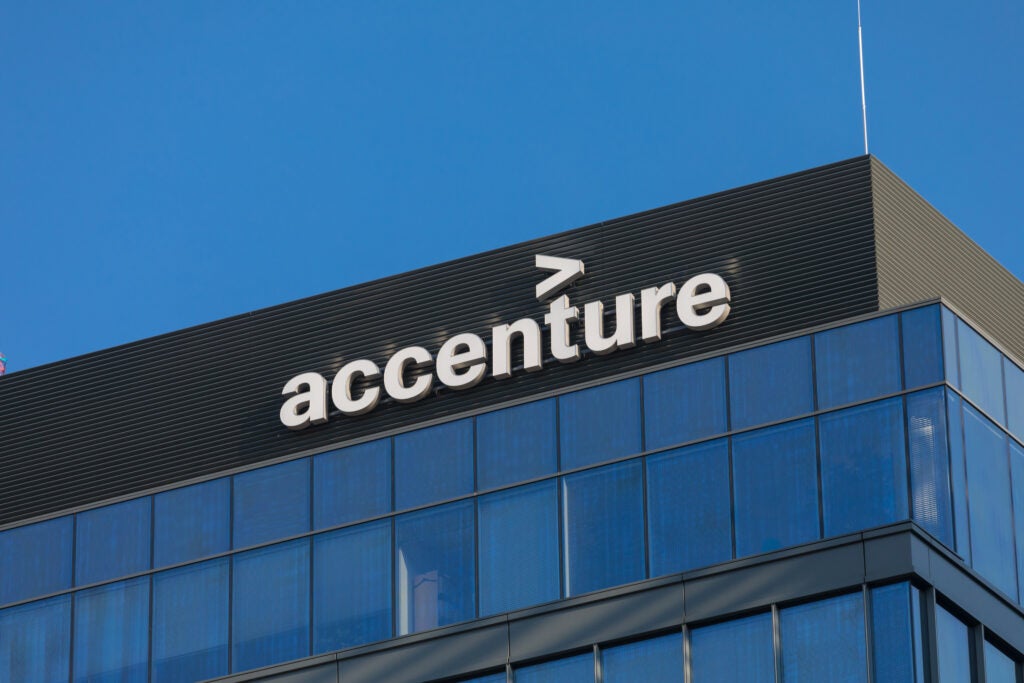
Accenture Expands Strategic Partnership with Google Cloud to Combat AI-Driven Cyber Threats

- Strategic Partnership Expansion: Accenture is enhancing its collaboration with Google Cloud by integrating the Google Security Operations platform with its cybersecurity services, aiming to help organizations defend against rising AI-driven cyber threats, thereby improving client security capabilities.
- Technological Innovation Leadership: Rex Thexton, CTO of Accenture Cybersecurity, emphasized that Agentic AI is reshaping cyber defense strategies, introducing new complexities that require businesses to reassess their operational security to ensure continuity and safety.
- Market Performance Analysis: Accenture's stock is currently priced at $200.55, trading 5% below its 20-day simple moving average and 19.8% below its 100-day moving average, indicating difficulties in regaining upward momentum, with a 37.88% decline over the past 12 months.
- Earnings Outlook: Accenture is set to report earnings on March 19, 2026, with an EPS estimate of $2.85 and a revenue estimate of $17.80 billion, reflecting positive expectations for future financial performance despite current stock underperformance.
See More

Nvidia Plans $26 Billion Investment in Open-Source AI Models

- Future Investment Plan: Nvidia plans to invest $26 billion over the next five years to develop open-source AI models, a strategy that will enhance its capabilities in the software domain, thereby better positioning it to develop and test next-generation AI systems aligned with its industry-leading AI chips.
- Market Competitive Advantage: By launching open-source models, Nvidia can provide researchers and startups with a free foundation for AI systems, further solidifying its market leadership in AI while offering users greater flexibility and customization capabilities.
- Significant Financial Performance: Since the onset of the AI revolution in 2023, Nvidia's revenue has surged over 1,000%, rising from $6 billion to $68 billion, with net income skyrocketing from $1.4 billion to $43 billion, driving its stock price up by 1,170%, reflecting strong market demand and investor confidence.
- Valuation Attractiveness: Despite Nvidia's impressive performance in recent years, its current price-to-earnings ratio is less than 38 times, significantly discounted compared to its five-year average of 74 times, providing investors with an opportunity to purchase its stock at a lower price, thereby enhancing future growth potential.
See More
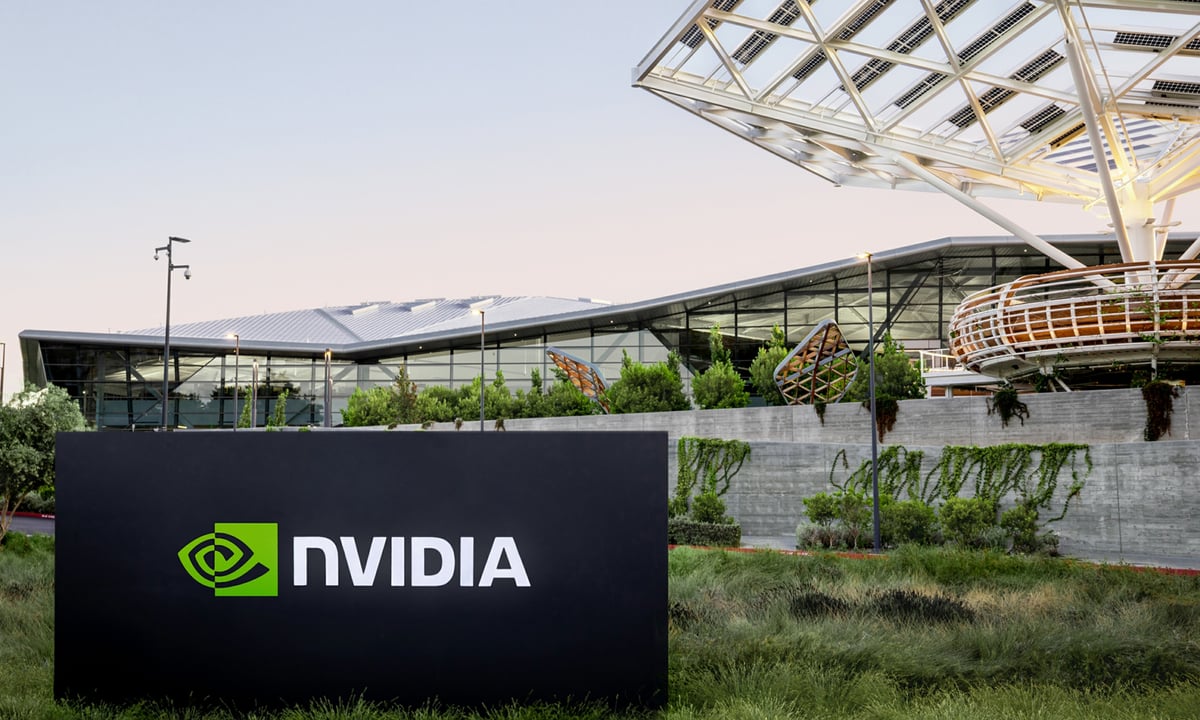
Nvidia Plans $26 Billion Investment in Open-Source AI Development
- Future Investment Plan: Nvidia plans to invest $26 billion over the next five years to develop open-source AI models, aiming to enhance its competitiveness in the AI sector and align with its industry-leading AI chips, thereby driving the development and testing of next-generation AI models.
- Market Leadership: With its performance during the AI revolution, Nvidia's market capitalization has reached $4.5 trillion, making it the world's most valuable publicly traded company, showcasing its strong influence and market share in the rapidly growing AI market.
- Strengthened Competitive Advantage: Nvidia's CUDA programming platform and over 400 libraries help developers optimize GPU performance, and if it launches open-source AI models compatible with its GPUs, it will further enhance its market barriers and user loyalty.
- Outstanding Financial Performance: Since the onset of the AI revolution in 2023, Nvidia's revenue has surged over 1,000%, from $6 billion to $68 billion, while net income skyrocketed 2,940%, from $1.4 billion to $43 billion, reflecting its robust financial health and future growth potential.
See More
Buffett's Investment Philosophy Lives On: The Appeal of Apple and Alphabet
- Apple's Brand Strength: Apple continues to attract consumers with its strong brand influence and customer loyalty, as evidenced by its latest earnings report showing a 16% year-over-year revenue increase to $143.8 billion in Q1 2026, indicating its solid market position and long-term growth potential.
- Expansion of Service Ecosystem: Apple's services segment reached a new high for paid accounts in Q1 2026, and with the growing base of active devices, there are ample opportunities to further tap into revenue streams, enhancing the company's overall profitability.
- Google's Advertising Business: Google's core advertising business generated $113.8 billion in revenue in Q4 2026, an 18% year-over-year increase, showcasing its competitive edge in the search engine market and strong network effects that further solidify its market position.
- Growth Potential in Cloud and AI: Google's cloud segment achieved $17.7 billion in revenue in Q4, up 48% year-over-year, with a cloud backlog of $240 billion, indicating that the company's investments in cloud computing and artificial intelligence will provide robust growth momentum for the future.
See More
Growing Skepticism Towards AI in the U.S.
- Public Skepticism: OpenAI CEO Sam Altman highlighted at BlackRock's US Infrastructure Summit that skepticism towards AI is rising, with many Americans blaming the technology for increasing energy costs and corporate layoffs, even when AI may not be directly responsible.
- Challenges to AI Adoption: Altman warned of 'a bunch of potential headwinds' slowing AI adoption, stating that 'AI is not very popular in the U.S. right now,' indicating a decline in public acceptance that could impact future investments and development.
- Economic Impact Forecast: Investor Vinod Khosla predicted that by 2030, AI could handle 80% of jobs, potentially replacing a significant portion of the $15 trillion U.S. labor output, which could sharply reduce costs and increase purchasing power.
- Debate on Control and Responsibility: Altman emphasized ongoing tensions regarding the power dynamics between governments and companies, suggesting that this debate could influence policy-making and technology regulation, further affecting the development and application of AI.
See More
AI Revolutionizes White-Collar Work Dynamics
- Enhanced AI Autonomy: Wharton professor Ethan Mollick highlighted that AI technology has entered a new phase where it can independently complete complex tasks, urging businesses to view it as a tool that can replace human labor, thereby increasing efficiency and reducing labor costs.
- Uneven Adoption Among Companies: While firms like JPMorgan and Walmart are actively testing AI tools, many companies are hesitating due to fears and bureaucracy, potentially missing opportunities to leverage AI for competitive advantage.
- Impact on Labor Market: Mollick emphasized that AI aims to automate a significant amount of knowledge work, and although organizational friction and computing limits may slow real-world adoption, sharp shifts in value chains are expected, particularly in coding and basic analysis.
- Importance of Adaptation and Learning: Mollick advises individuals to actively use AI tools to solve real problems to enhance their competitiveness, stressing that broad knowledge and adaptability will become increasingly crucial, especially in complex fields requiring human oversight.
See More
Accenture Expands Strategic Partnership with Google Cloud to Combat AI-Driven Cyber Threats
- Strategic Partnership Expansion: Accenture is enhancing its collaboration with Google Cloud by integrating the Google Security Operations platform with its cybersecurity services, aiming to help organizations defend against rising AI-driven cyber threats, thereby improving client security capabilities.
- Technological Innovation Leadership: Rex Thexton, CTO of Accenture Cybersecurity, emphasized that Agentic AI is reshaping cyber defense strategies, introducing new complexities that require businesses to reassess their operational security to ensure continuity and safety.
- Market Performance Analysis: Accenture's stock is currently priced at $200.55, trading 5% below its 20-day simple moving average and 19.8% below its 100-day moving average, indicating difficulties in regaining upward momentum, with a 37.88% decline over the past 12 months.
- Earnings Outlook: Accenture is set to report earnings on March 19, 2026, with an EPS estimate of $2.85 and a revenue estimate of $17.80 billion, reflecting positive expectations for future financial performance despite current stock underperformance.
See More
Nvidia Plans $26 Billion Investment in Open-Source AI Models
- Future Investment Plan: Nvidia plans to invest $26 billion over the next five years to develop open-source AI models, a strategy that will enhance its capabilities in the software domain, thereby better positioning it to develop and test next-generation AI systems aligned with its industry-leading AI chips.
- Market Competitive Advantage: By launching open-source models, Nvidia can provide researchers and startups with a free foundation for AI systems, further solidifying its market leadership in AI while offering users greater flexibility and customization capabilities.
- Significant Financial Performance: Since the onset of the AI revolution in 2023, Nvidia's revenue has surged over 1,000%, rising from $6 billion to $68 billion, with net income skyrocketing from $1.4 billion to $43 billion, driving its stock price up by 1,170%, reflecting strong market demand and investor confidence.
- Valuation Attractiveness: Despite Nvidia's impressive performance in recent years, its current price-to-earnings ratio is less than 38 times, significantly discounted compared to its five-year average of 74 times, providing investors with an opportunity to purchase its stock at a lower price, thereby enhancing future growth potential.
See More
Nvidia Plans $26 Billion Investment in Open-Source AI Development
- Future Investment Plan: Nvidia plans to invest $26 billion over the next five years to develop open-source AI models, aiming to enhance its competitiveness in the AI sector and align with its industry-leading AI chips, thereby driving the development and testing of next-generation AI models.
- Market Leadership: With its performance during the AI revolution, Nvidia's market capitalization has reached $4.5 trillion, making it the world's most valuable publicly traded company, showcasing its strong influence and market share in the rapidly growing AI market.
- Strengthened Competitive Advantage: Nvidia's CUDA programming platform and over 400 libraries help developers optimize GPU performance, and if it launches open-source AI models compatible with its GPUs, it will further enhance its market barriers and user loyalty.
- Outstanding Financial Performance: Since the onset of the AI revolution in 2023, Nvidia's revenue has surged over 1,000%, from $6 billion to $68 billion, while net income skyrocketed 2,940%, from $1.4 billion to $43 billion, reflecting its robust financial health and future growth potential.
See More