

AI Reshapes Banking Recruitment and Training Strategies
Written by Emily J. Thompson, Senior Investment Analyst
Updated: 49 minutes ago
0mins
Source: seekingalpha
- Recruitment Strategy Shift: With the introduction of AI, banks are increasingly reducing junior analyst hiring while focusing on candidates with technical and data skills, which may challenge the development of future leaders within the industry.
- Cost Control Potential: The banking sector has long viewed labor as one of its largest expenses, and successful AI adoption could enhance productivity and lower operating costs, thereby influencing investor decisions.
- Current Technology Application: Currently, most banks are deploying AI in targeted applications such as customer service and compliance reviews rather than pursuing wholesale automation, indicating that the industry is still adapting to this technological shift.
- Legal Risk Warnings: Experts caution that banks must be wary of relying heavily on AI for hiring decisions to avoid potential legal and discrimination risks, especially as workforce reductions may disproportionately affect specific employee groups.
Trade with 70% Backtested Accuracy
Stop guessing "Should I Buy JPM?" and start using high-conviction signals backed by rigorous historical data.
Sign up today to access powerful investing tools and make smarter, data-driven decisions.
Analyst Views on JPM
Wall Street analysts forecast JPM stock price to rise
19 Analyst Rating
11 Buy
7 Hold
1 Sell
Moderate Buy
Current: 310.890

Low
260.00
Averages
341.38
High
400.00
Current: 310.890
Low
260.00
Averages
341.38
High
400.00
About JPM
JPMorgan Chase & Co. is a financial holding company. The Company is engaged in investment banking, financial services for consumers and small businesses, commercial banking, financial transaction processing and asset management. The Company operates through three segments: Consumer & Community Banking (CCB), Commercial & Investment Bank (CIB), and Asset & Wealth Management (AWM). Its CCB segment offers products and services to consumers and small businesses through bank branches, ATMs, digital and telephone banking. Its CIB segment consists of banking and payments and markets and securities services, and offers a suite of investment banking, lending, payments, market-making, financing, custody and securities products and services to a global base of corporate and institutional clients. AWM segment offers investment and wealth management solutions. It offers multi-asset investment management solutions, retirement products and services, brokerage, custody, estate planning, and others.
About the author

Emily J. Thompson
Emily J. Thompson, a Chartered Financial Analyst (CFA) with 12 years in investment research, graduated with honors from the Wharton School. Specializing in industrial and technology stocks, she provides in-depth analysis for Intellectia’s earnings and market brief reports.
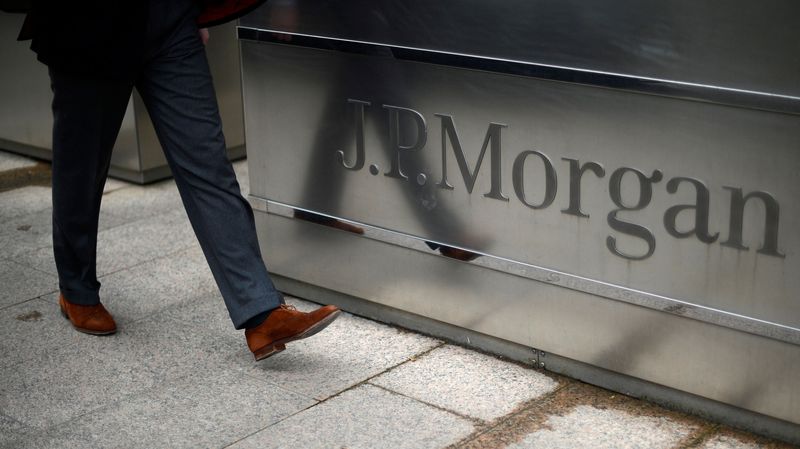
AI Reshapes Banking Recruitment and Training Strategies


- Recruitment Strategy Shift: With the introduction of AI, banks are increasingly reducing junior analyst hiring while focusing on candidates with technical and data skills, which may challenge the development of future leaders within the industry.
- Cost Control Potential: The banking sector has long viewed labor as one of its largest expenses, and successful AI adoption could enhance productivity and lower operating costs, thereby influencing investor decisions.
- Current Technology Application: Currently, most banks are deploying AI in targeted applications such as customer service and compliance reviews rather than pursuing wholesale automation, indicating that the industry is still adapting to this technological shift.
- Legal Risk Warnings: Experts caution that banks must be wary of relying heavily on AI for hiring decisions to avoid potential legal and discrimination risks, especially as workforce reductions may disproportionately affect specific employee groups.
See More

Elon Musk's Mother Surprises Him at JPMorgan Event
- Mother's Surprise Appearance: At the event with JPMorgan CEO Jamie Dimon, Elon Musk's mother, May Musk, made a surprise appearance, expressing pride in her son and highlighting his early genius, which enhances Musk's public image.
- Importance of Family Support: May Musk recalled moments from when Elon was three years old, noting that despite skepticism from others about her 'genius son,' she always believed in his potential, illustrating the crucial role of family support in the journey to success.
- Light-hearted Event Atmosphere: The event took place on the 51st floor of JPMorgan's headquarters, featuring humorous exchanges between Musk and Dimon, while the mother's presence added a warm family touch, showcasing a personal side of Musk.
- Public Image Enhancement: May Musk's remarks not only highlighted the deep bond between mother and son but also added a humanizing aspect to Musk's public persona, potentially leading to positive impacts on his future business endeavors.
See More

SpaceX Sets IPO Price at $135, Raising $75 Billion


- IPO Financing Scale: SpaceX's IPO is priced at $135 per share with plans to sell 5.556 million shares, potentially raising a staggering $75 billion, which will provide substantial funding for the company's future growth initiatives.
- Investment Bank Earnings: Goldman Sachs, as the lead underwriter, is expected to earn around $500 million in fees from this IPO, which, while relatively low percentage-wise, will significantly enhance its market position and competitiveness due to the deal's massive scale.
- Market Risk Assessment: Despite SpaceX's critical role in the space industry, the company is currently unprofitable, and Elon Musk will own over 80% of the shares post-IPO, which may affect investor confidence and market performance.
- Investor Strategy Recommendation: Given the high risks associated with the IPO, long-term investors are advised to proceed with caution and consider indirectly participating by purchasing shares of Goldman Sachs or Morgan Stanley to mitigate potential risks while securing stable returns.
See More
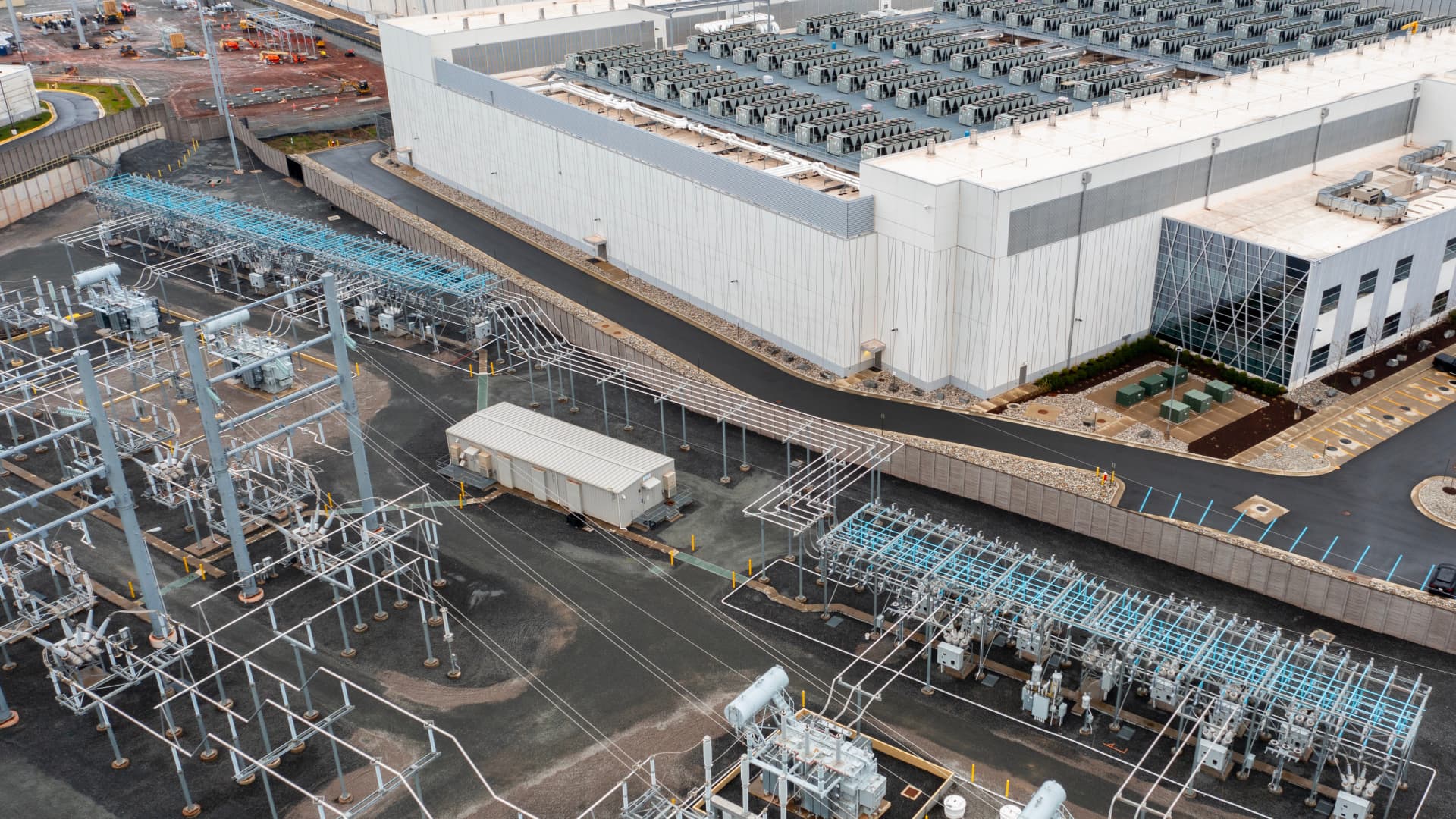
SpaceX IPO Plans to Raise $75 Billion
- IPO Pricing: SpaceX has set its IPO price at $135 per share, planning to sell 555.6 million shares, which could raise up to $75 billion, providing substantial funding for future expansion and technological advancements.
- Investment Bank Earnings: Goldman Sachs and Morgan Stanley, as lead underwriters, are expected to earn around $500 million in fees from this IPO, which, while only 0.75% of the total raised, will significantly enhance their profitability due to the deal's massive scale.
- Market Risks and Opportunities: While SpaceX's importance in the space industry is undeniable, the market reaction to the IPO remains uncertain, necessitating caution from investors to avoid potential losses due to market volatility.
- Long-term Investment Strategy: Given the potential hype surrounding SpaceX's IPO, it is advisable for long-term investors to adopt a wait-and-see approach to gauge market reactions before making investment decisions, thereby mitigating risks and seizing future opportunities.
See More
Dividend Investing Opportunities in the AI Era


- Current Dividend Landscape: Most companies currently offer low dividend yields, particularly in the AI sector, where rapid growth potential exists; investors should focus on the combination of dividends and stock price appreciation to achieve higher total returns.
- Nvidia Dividend Increase: Nvidia recently raised its dividend from $0.01 to $0.25 per share, resulting in a yield of 0.45%, indicating the company's commitment to shareholder returns, with potential for further increases in the future.
- Capital Expenditure Impact: The five major AI stocks, including Nvidia and Taiwan Semiconductor, are unlikely to raise dividends in the near term due to significant capital expenditure plans, prompting investors to consider the long-term growth potential of these companies.
- Payout Ratio Analysis: Compared to other well-known dividend stocks, these five companies have lower payout ratios, with only Taiwan Semiconductor and Microsoft nearing 30%, suggesting that their focus on AI investments may affect future dividend growth.
See More
Dividend Investing Potential in AI Sector
- Attractive Dividend Investing: While high-yield dividend companies typically grow slowly, investors are drawn to dividend investing for its nearly guaranteed income stream, especially against the backdrop of rapid growth in the AI sector.
- Current Dividend Status of AI Firms: The five stocks of interest include Nvidia (NVDA 5.93%), Taiwan Semiconductor (TSM 6.60%), Alphabet (GOOG 0.95%), Microsoft (MSFT 2.55%), and Meta (META 5.50%), which, despite low dividend yields, may increase dividends in the future as cash flows surge.
- Nvidia's Dividend Increase: Nvidia recently announced an increase in its dividend from $0.01 to $0.25 per share, resulting in a current yield of only 0.45%, but this growth indicates the company's commitment to shareholder returns, with potential for further increases ahead.
- Low Dividend Payout Ratios: Compared to companies like JPMorgan and Johnson & Johnson, which have payout ratios above 30%, these five AI stocks have lower ratios, with only Taiwan Semiconductor and Microsoft nearing 30%, suggesting they could increase dividends once AI investment opportunities are fully realized.
See More
AI Reshapes Banking Recruitment and Training Strategies
- Recruitment Strategy Shift: With the introduction of AI, banks are increasingly reducing junior analyst hiring while focusing on candidates with technical and data skills, which may challenge the development of future leaders within the industry.
- Cost Control Potential: The banking sector has long viewed labor as one of its largest expenses, and successful AI adoption could enhance productivity and lower operating costs, thereby influencing investor decisions.
- Current Technology Application: Currently, most banks are deploying AI in targeted applications such as customer service and compliance reviews rather than pursuing wholesale automation, indicating that the industry is still adapting to this technological shift.
- Legal Risk Warnings: Experts caution that banks must be wary of relying heavily on AI for hiring decisions to avoid potential legal and discrimination risks, especially as workforce reductions may disproportionately affect specific employee groups.
See More
Elon Musk's Mother Surprises Him at JPMorgan Event
- Mother's Surprise Appearance: At the event with JPMorgan CEO Jamie Dimon, Elon Musk's mother, May Musk, made a surprise appearance, expressing pride in her son and highlighting his early genius, which enhances Musk's public image.
- Importance of Family Support: May Musk recalled moments from when Elon was three years old, noting that despite skepticism from others about her 'genius son,' she always believed in his potential, illustrating the crucial role of family support in the journey to success.
- Light-hearted Event Atmosphere: The event took place on the 51st floor of JPMorgan's headquarters, featuring humorous exchanges between Musk and Dimon, while the mother's presence added a warm family touch, showcasing a personal side of Musk.
- Public Image Enhancement: May Musk's remarks not only highlighted the deep bond between mother and son but also added a humanizing aspect to Musk's public persona, potentially leading to positive impacts on his future business endeavors.
See More
SpaceX Sets IPO Price at $135, Raising $75 Billion
- IPO Financing Scale: SpaceX's IPO is priced at $135 per share with plans to sell 5.556 million shares, potentially raising a staggering $75 billion, which will provide substantial funding for the company's future growth initiatives.
- Investment Bank Earnings: Goldman Sachs, as the lead underwriter, is expected to earn around $500 million in fees from this IPO, which, while relatively low percentage-wise, will significantly enhance its market position and competitiveness due to the deal's massive scale.
- Market Risk Assessment: Despite SpaceX's critical role in the space industry, the company is currently unprofitable, and Elon Musk will own over 80% of the shares post-IPO, which may affect investor confidence and market performance.
- Investor Strategy Recommendation: Given the high risks associated with the IPO, long-term investors are advised to proceed with caution and consider indirectly participating by purchasing shares of Goldman Sachs or Morgan Stanley to mitigate potential risks while securing stable returns.
See More
SpaceX IPO Plans to Raise $75 Billion
- IPO Pricing: SpaceX has set its IPO price at $135 per share, planning to sell 555.6 million shares, which could raise up to $75 billion, providing substantial funding for future expansion and technological advancements.
- Investment Bank Earnings: Goldman Sachs and Morgan Stanley, as lead underwriters, are expected to earn around $500 million in fees from this IPO, which, while only 0.75% of the total raised, will significantly enhance their profitability due to the deal's massive scale.
- Market Risks and Opportunities: While SpaceX's importance in the space industry is undeniable, the market reaction to the IPO remains uncertain, necessitating caution from investors to avoid potential losses due to market volatility.
- Long-term Investment Strategy: Given the potential hype surrounding SpaceX's IPO, it is advisable for long-term investors to adopt a wait-and-see approach to gauge market reactions before making investment decisions, thereby mitigating risks and seizing future opportunities.
See More
Dividend Investing Opportunities in the AI Era
- Current Dividend Landscape: Most companies currently offer low dividend yields, particularly in the AI sector, where rapid growth potential exists; investors should focus on the combination of dividends and stock price appreciation to achieve higher total returns.
- Nvidia Dividend Increase: Nvidia recently raised its dividend from $0.01 to $0.25 per share, resulting in a yield of 0.45%, indicating the company's commitment to shareholder returns, with potential for further increases in the future.
- Capital Expenditure Impact: The five major AI stocks, including Nvidia and Taiwan Semiconductor, are unlikely to raise dividends in the near term due to significant capital expenditure plans, prompting investors to consider the long-term growth potential of these companies.
- Payout Ratio Analysis: Compared to other well-known dividend stocks, these five companies have lower payout ratios, with only Taiwan Semiconductor and Microsoft nearing 30%, suggesting that their focus on AI investments may affect future dividend growth.
See More
Dividend Investing Potential in AI Sector
- Attractive Dividend Investing: While high-yield dividend companies typically grow slowly, investors are drawn to dividend investing for its nearly guaranteed income stream, especially against the backdrop of rapid growth in the AI sector.
- Current Dividend Status of AI Firms: The five stocks of interest include Nvidia (NVDA 5.93%), Taiwan Semiconductor (TSM 6.60%), Alphabet (GOOG 0.95%), Microsoft (MSFT 2.55%), and Meta (META 5.50%), which, despite low dividend yields, may increase dividends in the future as cash flows surge.
- Nvidia's Dividend Increase: Nvidia recently announced an increase in its dividend from $0.01 to $0.25 per share, resulting in a current yield of only 0.45%, but this growth indicates the company's commitment to shareholder returns, with potential for further increases ahead.
- Low Dividend Payout Ratios: Compared to companies like JPMorgan and Johnson & Johnson, which have payout ratios above 30%, these five AI stocks have lower ratios, with only Taiwan Semiconductor and Microsoft nearing 30%, suggesting they could increase dividends once AI investment opportunities are fully realized.
See More




