AI Agent Accumulates Microsoft and Broadcom Before Iran Ceasefire
Written by Emily J. Thompson, Senior Investment Analyst
Updated: Apr 14 2026
0mins


Should l Buy AVGO?
Source: Yahoo Finance
- AI Investment Strategy: An AI agent based on Anthropic's Claude models accumulated significant positions in Microsoft and Broadcom, allocating 8% and 10% of its portfolio respectively, demonstrating high confidence in expected returns exceeding 20%, highlighting AI's unique advantages amid market volatility.
- Microsoft's Growth Potential: Despite a 28% drop in Microsoft's stock price prior to the ceasefire, Claude views its forward P/E ratio of 20, which is 34% below the software sector average, as an opportunity, with Azure projected to grow by 38%, indicating a strong foundation in cloud computing.
- Broadcom's Market Position: Claude identifies Broadcom as the
Trade with 70% Backtested Accuracy
Stop guessing "Should I Buy AVGO?" and start using high-conviction signals backed by rigorous historical data.
Sign up today to access powerful investing tools and make smarter, data-driven decisions.
Analyst Views on AVGO
Wall Street analysts forecast AVGO stock price to rise
30 Analyst Rating
29 Buy
1 Hold
0 Sell
Strong Buy
Current: 416.500

Low
370.00
Averages
457.75
High
525.00
Current: 416.500
Low
370.00
Averages
457.75
High
525.00
About AVGO
Broadcom Inc. is a global technology firm that designs, develops, and supplies a range of semiconductors, enterprise software and security solutions. The Company operates through two segments: semiconductor solutions and infrastructure software. Its semiconductor solutions segment includes all of its product lines and intellectual property (IP) licensing. It provides a variety of radio frequency semiconductor devices, wireless connectivity solutions, custom touch controllers, and inductive charging solutions for mobile applications. Its infrastructure software segment includes its private and hybrid cloud, application development and delivery, software-defined edge, application networking and security, mainframe, distributed and cybersecurity solutions, and its FC SAN business. It provides a portfolio of software solutions that enable customers to plan, develop, automate, manage and secure applications across mainframe, distributed, mobile and cloud platforms.
About the author

Emily J. Thompson
Emily J. Thompson, a Chartered Financial Analyst (CFA) with 12 years in investment research, graduated with honors from the Wharton School. Specializing in industrial and technology stocks, she provides in-depth analysis for Intellectia’s earnings and market brief reports.
Micron Technology Market Cap Surpasses $700 Billion for First Time


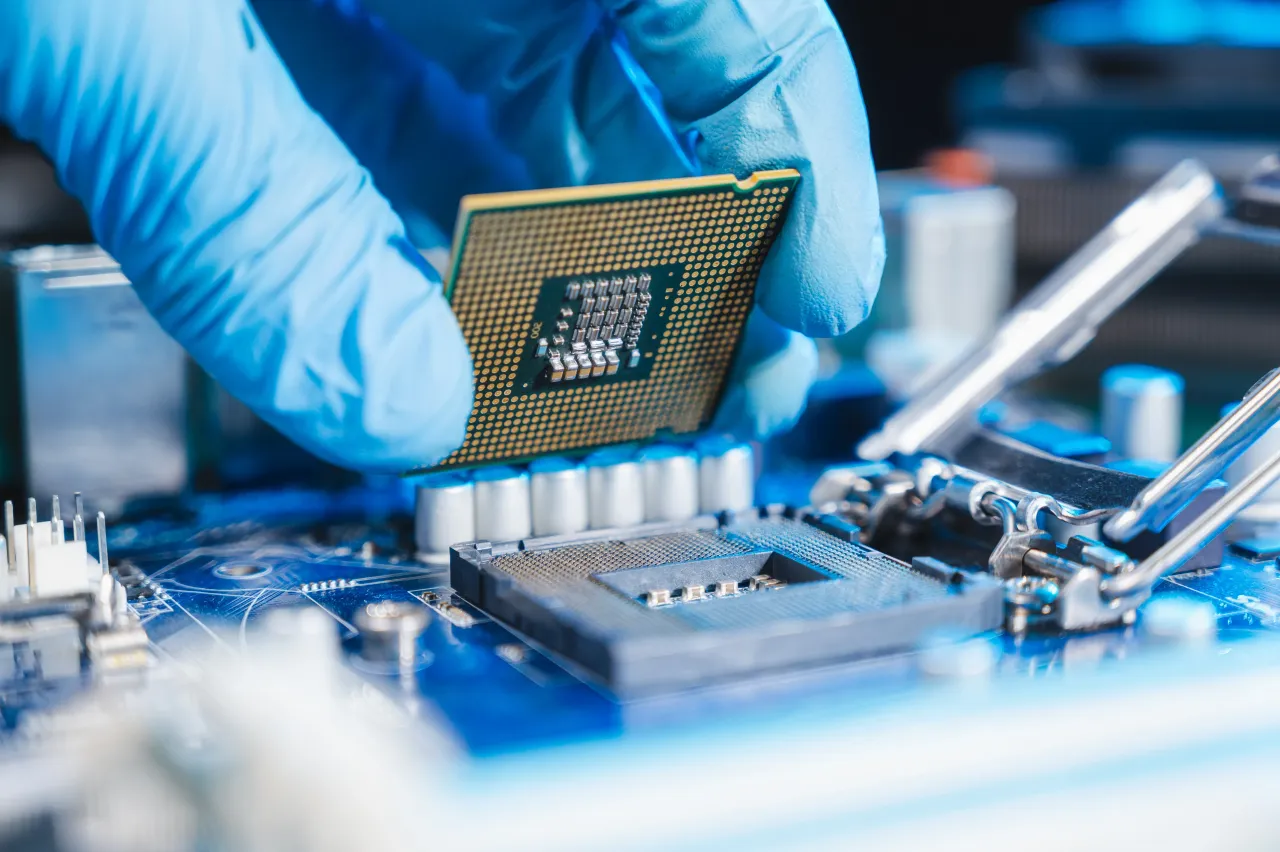
- Micron Stock Surge: Micron Technology (MU) shares reached an intraday high of $651.74 on Tuesday, boosting the company's market capitalization to over $700 billion for the first time, reflecting strong performance and market confidence in the semiconductor sector.
- AMD Earnings Spark Rally: AMD reported a 38% year-on-year revenue growth for Q1 2026, exceeding Wall Street expectations, which triggered a rally across the semiconductor sector, further enhancing investor confidence in Micron and its customers.
- Broadcom Hits New High: Broadcom (AVGO) shares surged to a 52-week high of $433.39, driven by explosive demand for custom AI chips and its partnership with AMD, indicating significant growth potential in the data center hardware market.
- Marvell Stock Rises: Marvell Technology (MRVL) shares jumped to an all-time high of $172.98 after UBS analyst raised the price target to $195, reflecting optimistic expectations for data center demand and the company's strong positioning in AI infrastructure.
See More

Futures Rise as Trump Pauses Hormuz Opening Efforts


- Futures Market Surge: Futures prices have risen, reflecting optimistic sentiment regarding future economic prospects, which may attract more investors and drive overall market recovery.
- Trump's Policy Shift: President Trump announced a pause on the Hormuz opening efforts, a move that could significantly impact global energy supply chains and the stability of oil markets.
- AI Company Earnings Impact: Companies like AMD, Astera Labs, Lumentum, and Arista became market movers following their earnings reports, highlighting the strong growth potential in the AI sector and possibly drawing more investor interest towards these tech stocks.
- Market Dynamics Fluctuation: With the changes in Trump's policies and the earnings impact from AI companies, market sentiment may experience volatility, prompting investors to closely monitor developments to adjust their investment strategies.
See More

Marvell Technology Shares Surge 66.7% Amid AI Partnerships and Strong Market

- Outstanding Stock Performance: Marvell Technology's shares surged 66.7% in April, showcasing remarkable performance among large-cap stocks with a market cap exceeding $10 billion, reflecting strong investor confidence and enthusiasm for AI-related stocks.
- Strategic Partnership Boost: The strategic partnership with Nvidia, including a $2 billion investment, propelled Marvell's stock up 7.7% at the beginning of April, as this collaboration will integrate Marvell's custom AI chips with Nvidia's technologies, enhancing competitive positioning.
- Potential Collaboration Opportunity: Following reports of talks with Alphabet, Marvell's stock jumped 5.8% on April 20, indicating its competitive edge in the custom AI chip market, potentially surpassing Broadcom to become the second-largest player.
- Acquisition Strengthens Technology Portfolio: Marvell's acquisition of Polariton Technologies on April 22 enhances its optical technology portfolio, and although financial terms were undisclosed, the market reacted positively, with shares rising 5.2% on April 23.
See More

Marvell Partners with Nvidia for AI Chip Integration
- Strategic Partnership: Marvell's partnership with Nvidia includes a $2 billion investment from Nvidia, enabling Marvell to integrate its custom AI chips with Nvidia's AI networking technologies, thereby enhancing its competitive edge in the data infrastructure market.
- Strong Stock Performance: Marvell's shares soared 66.7% in April and continued to rise 2.2% in early May, reflecting strong bullish sentiment in AI-related stocks and solidifying its position among large-cap tech stocks.
- Acquisition of Polariton Technologies: Marvell announced the acquisition of Polariton Technologies to strengthen its optical technology portfolio; although financial terms were undisclosed, the market reacted positively with a 5.2% stock price increase following the announcement, indicating investor confidence in its technological expansion.
- Optimistic Earnings Forecast: Marvell is expected to report a 27% year-over-year revenue increase to $2.4 billion and a 28% rise in adjusted EPS to $0.80 in its upcoming May 27 earnings report, reflecting the company's strong growth potential in the AI sector.
See More
Broadcom Shares Rise on AI Demand Signals

- Stock Price Surge: Broadcom (AVGO) shares rose as much as 4.1% on Tuesday, with a current increase of 3.7% by 2:43 PM ET, driven by strong market expectations for artificial intelligence (AI) demand despite no specific company news.
- Palantir's Impressive Earnings: Palantir Technologies (PLTR) reported an 85% year-over-year revenue increase to $1.63 billion in Q1, with adjusted EPS of $0.33, significantly exceeding analyst expectations, which boosts investor confidence in Broadcom's prospects.
- U.S. Commercial Segment Growth: Palantir's U.S. commercial segment saw a remarkable 133% revenue surge to $595 million, indicating strong demand for its AI platform, suggesting that Broadcom, as a key player in the AI supply chain, stands to benefit from this growth trend.
- Strategic Collaboration Expansion: Broadcom is expanding its collaborations with Alphabet and Meta Platforms, serving as a key architect for Google’s Tensor Processing Units (TPUs) and Meta’s Training and Inference Accelerator (MTIA) chips, positioning itself as a crucial player in the AI revolution and likely enhancing its market performance.
See More

Markets Hit New Highs, AI Infrastructure Leads the Charge

- Market Performance: On Tuesday, markets continued to rise without new escalations in the Middle East conflict, with West Texas Intermediate crude down about 4% and the benchmark 10-year Treasury yield slightly lower, indicating increased investor confidence in the market.
- Tech Stocks Lead: Chipmakers like Intel, SanDisk, and Micron saw double-digit percentage gains, driving a strong overall performance for technology stocks, with Amazon, Broadcom, Alphabet, and Qnity hitting new 52-week highs, reflecting robust performance in AI-related stocks.
- Strong Earnings Boost Materials: The materials sector emerged as the top performer in the S&P 500, with DuPont being the biggest mover due to its strong earnings report, highlighting investor confidence and interest in the materials industry.
- Robotic Surgery System Progress: Johnson & Johnson announced that its Ottava robotic surgery system achieved primary endpoints in clinical studies for Roux-en-Y gastric bypass procedures, which is expected to support FDA approval for multiple upper abdominal surgeries, further solidifying its position in the robotic surgery market.
See More
Micron Technology Market Cap Surpasses $700 Billion for First Time
- Micron Stock Surge: Micron Technology (MU) shares reached an intraday high of $651.74 on Tuesday, boosting the company's market capitalization to over $700 billion for the first time, reflecting strong performance and market confidence in the semiconductor sector.
- AMD Earnings Spark Rally: AMD reported a 38% year-on-year revenue growth for Q1 2026, exceeding Wall Street expectations, which triggered a rally across the semiconductor sector, further enhancing investor confidence in Micron and its customers.
- Broadcom Hits New High: Broadcom (AVGO) shares surged to a 52-week high of $433.39, driven by explosive demand for custom AI chips and its partnership with AMD, indicating significant growth potential in the data center hardware market.
- Marvell Stock Rises: Marvell Technology (MRVL) shares jumped to an all-time high of $172.98 after UBS analyst raised the price target to $195, reflecting optimistic expectations for data center demand and the company's strong positioning in AI infrastructure.
See More
Futures Rise as Trump Pauses Hormuz Opening Efforts
- Futures Market Surge: Futures prices have risen, reflecting optimistic sentiment regarding future economic prospects, which may attract more investors and drive overall market recovery.
- Trump's Policy Shift: President Trump announced a pause on the Hormuz opening efforts, a move that could significantly impact global energy supply chains and the stability of oil markets.
- AI Company Earnings Impact: Companies like AMD, Astera Labs, Lumentum, and Arista became market movers following their earnings reports, highlighting the strong growth potential in the AI sector and possibly drawing more investor interest towards these tech stocks.
- Market Dynamics Fluctuation: With the changes in Trump's policies and the earnings impact from AI companies, market sentiment may experience volatility, prompting investors to closely monitor developments to adjust their investment strategies.
See More
Marvell Technology Shares Surge 66.7% Amid AI Partnerships and Strong Market
- Outstanding Stock Performance: Marvell Technology's shares surged 66.7% in April, showcasing remarkable performance among large-cap stocks with a market cap exceeding $10 billion, reflecting strong investor confidence and enthusiasm for AI-related stocks.
- Strategic Partnership Boost: The strategic partnership with Nvidia, including a $2 billion investment, propelled Marvell's stock up 7.7% at the beginning of April, as this collaboration will integrate Marvell's custom AI chips with Nvidia's technologies, enhancing competitive positioning.
- Potential Collaboration Opportunity: Following reports of talks with Alphabet, Marvell's stock jumped 5.8% on April 20, indicating its competitive edge in the custom AI chip market, potentially surpassing Broadcom to become the second-largest player.
- Acquisition Strengthens Technology Portfolio: Marvell's acquisition of Polariton Technologies on April 22 enhances its optical technology portfolio, and although financial terms were undisclosed, the market reacted positively, with shares rising 5.2% on April 23.
See More
Marvell Partners with Nvidia for AI Chip Integration
- Strategic Partnership: Marvell's partnership with Nvidia includes a $2 billion investment from Nvidia, enabling Marvell to integrate its custom AI chips with Nvidia's AI networking technologies, thereby enhancing its competitive edge in the data infrastructure market.
- Strong Stock Performance: Marvell's shares soared 66.7% in April and continued to rise 2.2% in early May, reflecting strong bullish sentiment in AI-related stocks and solidifying its position among large-cap tech stocks.
- Acquisition of Polariton Technologies: Marvell announced the acquisition of Polariton Technologies to strengthen its optical technology portfolio; although financial terms were undisclosed, the market reacted positively with a 5.2% stock price increase following the announcement, indicating investor confidence in its technological expansion.
- Optimistic Earnings Forecast: Marvell is expected to report a 27% year-over-year revenue increase to $2.4 billion and a 28% rise in adjusted EPS to $0.80 in its upcoming May 27 earnings report, reflecting the company's strong growth potential in the AI sector.
See More
Broadcom Shares Rise on AI Demand Signals
- Stock Price Surge: Broadcom (AVGO) shares rose as much as 4.1% on Tuesday, with a current increase of 3.7% by 2:43 PM ET, driven by strong market expectations for artificial intelligence (AI) demand despite no specific company news.
- Palantir's Impressive Earnings: Palantir Technologies (PLTR) reported an 85% year-over-year revenue increase to $1.63 billion in Q1, with adjusted EPS of $0.33, significantly exceeding analyst expectations, which boosts investor confidence in Broadcom's prospects.
- U.S. Commercial Segment Growth: Palantir's U.S. commercial segment saw a remarkable 133% revenue surge to $595 million, indicating strong demand for its AI platform, suggesting that Broadcom, as a key player in the AI supply chain, stands to benefit from this growth trend.
- Strategic Collaboration Expansion: Broadcom is expanding its collaborations with Alphabet and Meta Platforms, serving as a key architect for Google’s Tensor Processing Units (TPUs) and Meta’s Training and Inference Accelerator (MTIA) chips, positioning itself as a crucial player in the AI revolution and likely enhancing its market performance.
See More
Markets Hit New Highs, AI Infrastructure Leads the Charge
- Market Performance: On Tuesday, markets continued to rise without new escalations in the Middle East conflict, with West Texas Intermediate crude down about 4% and the benchmark 10-year Treasury yield slightly lower, indicating increased investor confidence in the market.
- Tech Stocks Lead: Chipmakers like Intel, SanDisk, and Micron saw double-digit percentage gains, driving a strong overall performance for technology stocks, with Amazon, Broadcom, Alphabet, and Qnity hitting new 52-week highs, reflecting robust performance in AI-related stocks.
- Strong Earnings Boost Materials: The materials sector emerged as the top performer in the S&P 500, with DuPont being the biggest mover due to its strong earnings report, highlighting investor confidence and interest in the materials industry.
- Robotic Surgery System Progress: Johnson & Johnson announced that its Ottava robotic surgery system achieved primary endpoints in clinical studies for Roux-en-Y gastric bypass procedures, which is expected to support FDA approval for multiple upper abdominal surgeries, further solidifying its position in the robotic surgery market.
See More