UBS Maintains Neutral on Tesla, Lowers Price Target to $165
Trade with 70% Backtested Accuracy
Analyst Views on TSLA

About TSLA
About the author


Tesla Sales Decline Raises Concerns Over Future Products

- Declining Sales: Tesla delivered 1.79 million EVs in 2024, a 1% decline from the previous year, and further dropped to 1.63 million in 2025, marking a 9% year-over-year decrease, which led to a 10% drop in automotive revenue and a staggering 47% plunge in earnings per share (EPS) for 2025.
- Increased Market Competition: Tesla plans to discontinue the Model X and Model S in 2026 to focus on higher-volume models like the Model Y and Model 3, yet faces intensified competition from low-cost manufacturers like BYD, which has rapidly gained market share.
- Future Product Uncertainty: While Tesla's Cybercab robotaxi and Optimus humanoid robot are seen as promising future products, the current approval of FSD technology only in Texas poses significant delays for broader rollout, potentially impacting future revenue streams.
- Valuation Concerns: With a price-to-earnings ratio of 377, Tesla's stock is significantly overvalued compared to other trillion-dollar companies, and if EV sales continue to decline or if there are delays in new product launches, a 34% drop in stock price could lead to Tesla exiting the $1 trillion club by 2026.

SpaceX's IPO Might Be the Largest in History—Here’s What We Understand
SpaceX IPO Rumors: Speculation is growing around SpaceX's potential initial public offering (IPO), expected to be announced by mid-2026, with valuation estimates around $1.5 trillion, making it one of the largest IPOs in history.
Starlink's Role: Starlink, a major business line for SpaceX, is crucial for generating steady cash flow, which could help fund SpaceX's ambitious launch plans and reduce reliance on external financing.
Market Position: SpaceX commands a significant share of the commercial space industry, with estimates suggesting it holds 70-80% of the market, and is on track to exceed its previous launch records.
AI Integration: The recent acquisition of xAI, a startup developing advanced AI models, aligns with SpaceX's goals to enhance operational efficiency and leverage AI for future space missions, including plans for lunar and Martian exploration.
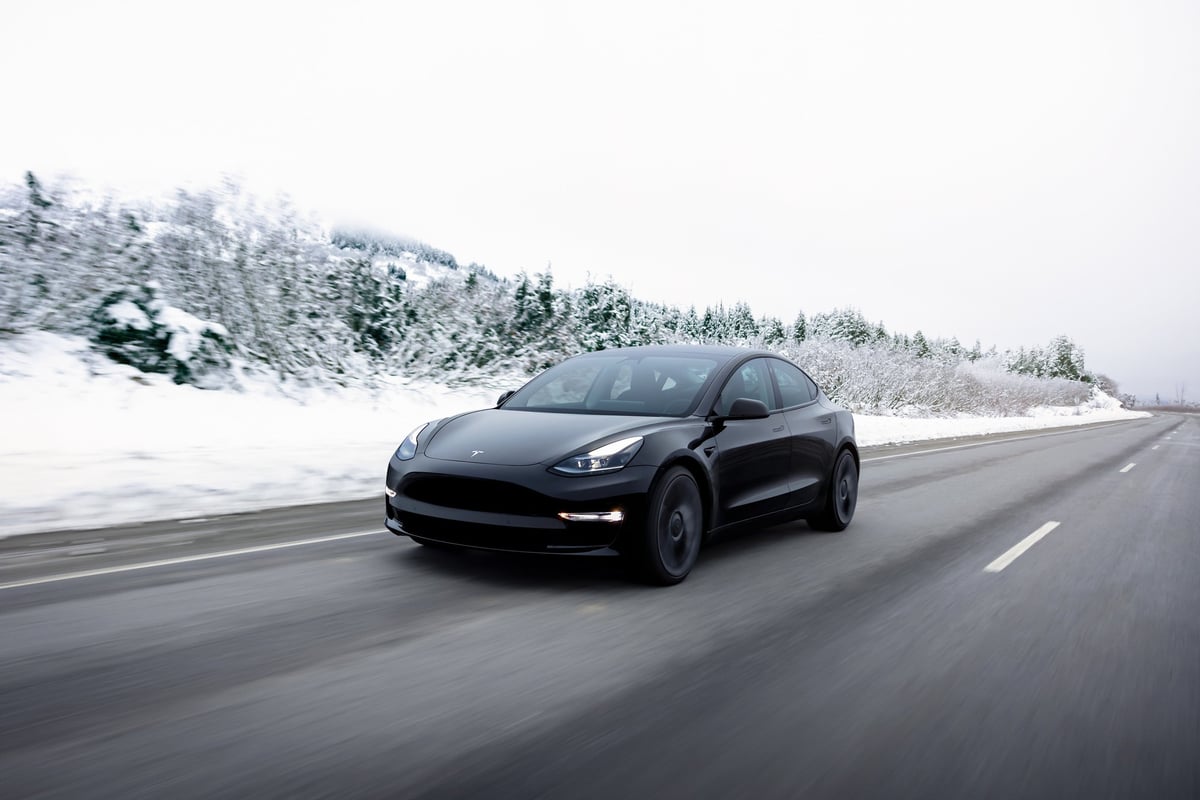
Tesla Faces Valuation Crisis Amid Declining Sales
- Declining Sales: Tesla delivered 1.79 million EVs in 2024, a 1% decline, followed by a sharper 9% drop to 1.63 million in 2025, leading to a 10% decrease in automotive revenue and a staggering 47% plunge in earnings per share (EPS), highlighting the weakness in its core business.
- Increased Market Competition: Tesla plans to discontinue the Model X and Model S in 2026 to focus on more competitive, lower-priced models like the Model Y and Model 3, in response to market encroachment from low-cost manufacturers like BYD, which outsold Tesla globally for the first time in 2025.
- Future Product Uncertainty: While Tesla's Cybercab and Optimus robots are seen as future growth opportunities, the FSD technology is currently only approved for use in Austin, Texas, and broader rollout faces strict regulations, potentially delaying product launches and impacting investor confidence.
- Significant Valuation Risks: With a price-to-earnings ratio of 377, Tesla's stock is vastly overvalued compared to the Nasdaq-100 index; a 34% decline in stock price would drop it out of the $1 trillion club, with significant risks of adjustment if EV sales continue to decline or product rollouts are delayed.

Tesla Accelerates AI Development Amid Rebound in China Production
- AI System Expansion: Tesla is accelerating the development of a new AI agent called Digital Optimus, aimed at achieving autonomous software interaction and real-time decision-making, marking a significant innovation that could enhance its competitiveness in the autonomous driving and smart assistant markets.
- Surge in China Production: Tesla's vehicle sales in China reached 58,600 units in February, a 91% year-over-year increase, despite a 15.2% decline from January, indicating a strong recovery in market demand that bolsters the company's position in the global EV market.
- Stock Analysis: Tesla shares are currently priced at $407.45, trading 0.4% below the 20-day and 6.2% below the 100-day simple moving averages, yet still 3.7% above the 200-day moving average, indicating stability in the long-term trend despite some short-term pressures.
- Analyst Ratings: The average price target for Tesla stock is $414.07, with analysts generally rating it as a “Buy,” reflecting optimistic expectations for its future growth potential while also indicating a cautious stance on its valuation risks.

Tesla and xAI Collaborate on AI Initiative
- AI Project Collaboration: Tesla and xAI have launched an AI initiative called Macrohard, aimed at developing a highly responsive real-time AI system that can interpret and act on digital inputs almost instantly, enhancing user experience and operational efficiency.
- Core Technology Grok: At the heart of this project is Grok, an AI described as the conductor of Digital Optimus, capable of processing the past five seconds of real-time computer screen video and keyboard/mouse actions, showcasing a deep understanding of the world.
- Investment Agreement Context: This collaboration is part of Tesla's investment agreement with xAI, indicating Tesla's ongoing commitment to AI development, aiming to drive the smart technology advancement of electric vehicles and related products.
- Market Impact Expectations: Through the Macrohard project, Tesla is expected to achieve breakthroughs in AI technology applications, further solidifying its leadership position in the electric vehicle market while enhancing its competitive edge in the smart technology sector.

IEA Authorizes Record Oil Release Amid Middle East Conflict


- Energy Market Stabilization: The International Energy Agency has authorized a record release of 400 million barrels of oil from member nations' strategic reserves to address disruptions caused by Middle Eastern conflicts, which is expected to alleviate upward pressure on oil prices and stabilize global energy supply.
- Inflation Data Meets Expectations: The February CPI in the U.S. rose 2.4% year-over-year, with core CPI increasing by 2.5%, indicating that while these figures are near five-year lows, they still exceed the Fed's 2% target, suggesting potential inflationary pressures may worsen in the coming months due to rising oil prices.
- Strong Tech Stock Performance: Oracle's stock surged over 12% after reporting robust earnings and optimistic guidance on AI computing demand, which has positively impacted the software and computing infrastructure sector, with companies like Crowdstrike and Datadog also seeing gains of over 3%.
- Pressure on Private Credit Market: JPMorgan Chase's decision to restrict lending to private credit funds has created challenges for the $1.8 trillion private credit sector, exacerbating investor exodus concerns and increasing the risk of financial difficulties among portfolio borrowers.
Tesla Sales Decline Raises Concerns Over Future Products
- Declining Sales: Tesla delivered 1.79 million EVs in 2024, a 1% decline from the previous year, and further dropped to 1.63 million in 2025, marking a 9% year-over-year decrease, which led to a 10% drop in automotive revenue and a staggering 47% plunge in earnings per share (EPS) for 2025.
- Increased Market Competition: Tesla plans to discontinue the Model X and Model S in 2026 to focus on higher-volume models like the Model Y and Model 3, yet faces intensified competition from low-cost manufacturers like BYD, which has rapidly gained market share.
- Future Product Uncertainty: While Tesla's Cybercab robotaxi and Optimus humanoid robot are seen as promising future products, the current approval of FSD technology only in Texas poses significant delays for broader rollout, potentially impacting future revenue streams.
- Valuation Concerns: With a price-to-earnings ratio of 377, Tesla's stock is significantly overvalued compared to other trillion-dollar companies, and if EV sales continue to decline or if there are delays in new product launches, a 34% drop in stock price could lead to Tesla exiting the $1 trillion club by 2026.
SpaceX's IPO Might Be the Largest in History—Here’s What We Understand
SpaceX IPO Rumors: Speculation is growing around SpaceX's potential initial public offering (IPO), expected to be announced by mid-2026, with valuation estimates around $1.5 trillion, making it one of the largest IPOs in history.
Starlink's Role: Starlink, a major business line for SpaceX, is crucial for generating steady cash flow, which could help fund SpaceX's ambitious launch plans and reduce reliance on external financing.
Market Position: SpaceX commands a significant share of the commercial space industry, with estimates suggesting it holds 70-80% of the market, and is on track to exceed its previous launch records.
AI Integration: The recent acquisition of xAI, a startup developing advanced AI models, aligns with SpaceX's goals to enhance operational efficiency and leverage AI for future space missions, including plans for lunar and Martian exploration.
Tesla Faces Valuation Crisis Amid Declining Sales
- Declining Sales: Tesla delivered 1.79 million EVs in 2024, a 1% decline, followed by a sharper 9% drop to 1.63 million in 2025, leading to a 10% decrease in automotive revenue and a staggering 47% plunge in earnings per share (EPS), highlighting the weakness in its core business.
- Increased Market Competition: Tesla plans to discontinue the Model X and Model S in 2026 to focus on more competitive, lower-priced models like the Model Y and Model 3, in response to market encroachment from low-cost manufacturers like BYD, which outsold Tesla globally for the first time in 2025.
- Future Product Uncertainty: While Tesla's Cybercab and Optimus robots are seen as future growth opportunities, the FSD technology is currently only approved for use in Austin, Texas, and broader rollout faces strict regulations, potentially delaying product launches and impacting investor confidence.
- Significant Valuation Risks: With a price-to-earnings ratio of 377, Tesla's stock is vastly overvalued compared to the Nasdaq-100 index; a 34% decline in stock price would drop it out of the $1 trillion club, with significant risks of adjustment if EV sales continue to decline or product rollouts are delayed.
Tesla Accelerates AI Development Amid Rebound in China Production
- AI System Expansion: Tesla is accelerating the development of a new AI agent called Digital Optimus, aimed at achieving autonomous software interaction and real-time decision-making, marking a significant innovation that could enhance its competitiveness in the autonomous driving and smart assistant markets.
- Surge in China Production: Tesla's vehicle sales in China reached 58,600 units in February, a 91% year-over-year increase, despite a 15.2% decline from January, indicating a strong recovery in market demand that bolsters the company's position in the global EV market.
- Stock Analysis: Tesla shares are currently priced at $407.45, trading 0.4% below the 20-day and 6.2% below the 100-day simple moving averages, yet still 3.7% above the 200-day moving average, indicating stability in the long-term trend despite some short-term pressures.
- Analyst Ratings: The average price target for Tesla stock is $414.07, with analysts generally rating it as a “Buy,” reflecting optimistic expectations for its future growth potential while also indicating a cautious stance on its valuation risks.
Tesla and xAI Collaborate on AI Initiative
- AI Project Collaboration: Tesla and xAI have launched an AI initiative called Macrohard, aimed at developing a highly responsive real-time AI system that can interpret and act on digital inputs almost instantly, enhancing user experience and operational efficiency.
- Core Technology Grok: At the heart of this project is Grok, an AI described as the conductor of Digital Optimus, capable of processing the past five seconds of real-time computer screen video and keyboard/mouse actions, showcasing a deep understanding of the world.
- Investment Agreement Context: This collaboration is part of Tesla's investment agreement with xAI, indicating Tesla's ongoing commitment to AI development, aiming to drive the smart technology advancement of electric vehicles and related products.
- Market Impact Expectations: Through the Macrohard project, Tesla is expected to achieve breakthroughs in AI technology applications, further solidifying its leadership position in the electric vehicle market while enhancing its competitive edge in the smart technology sector.
IEA Authorizes Record Oil Release Amid Middle East Conflict
- Energy Market Stabilization: The International Energy Agency has authorized a record release of 400 million barrels of oil from member nations' strategic reserves to address disruptions caused by Middle Eastern conflicts, which is expected to alleviate upward pressure on oil prices and stabilize global energy supply.
- Inflation Data Meets Expectations: The February CPI in the U.S. rose 2.4% year-over-year, with core CPI increasing by 2.5%, indicating that while these figures are near five-year lows, they still exceed the Fed's 2% target, suggesting potential inflationary pressures may worsen in the coming months due to rising oil prices.
- Strong Tech Stock Performance: Oracle's stock surged over 12% after reporting robust earnings and optimistic guidance on AI computing demand, which has positively impacted the software and computing infrastructure sector, with companies like Crowdstrike and Datadog also seeing gains of over 3%.
- Pressure on Private Credit Market: JPMorgan Chase's decision to restrict lending to private credit funds has created challenges for the $1.8 trillion private credit sector, exacerbating investor exodus concerns and increasing the risk of financial difficulties among portfolio borrowers.