Advanced Packaging Technology Sparks AI Chip Bottleneck
Written by Emily J. Thompson, Senior Investment Analyst
Updated: Apr 08 2026
0mins
Source: Newsfilter
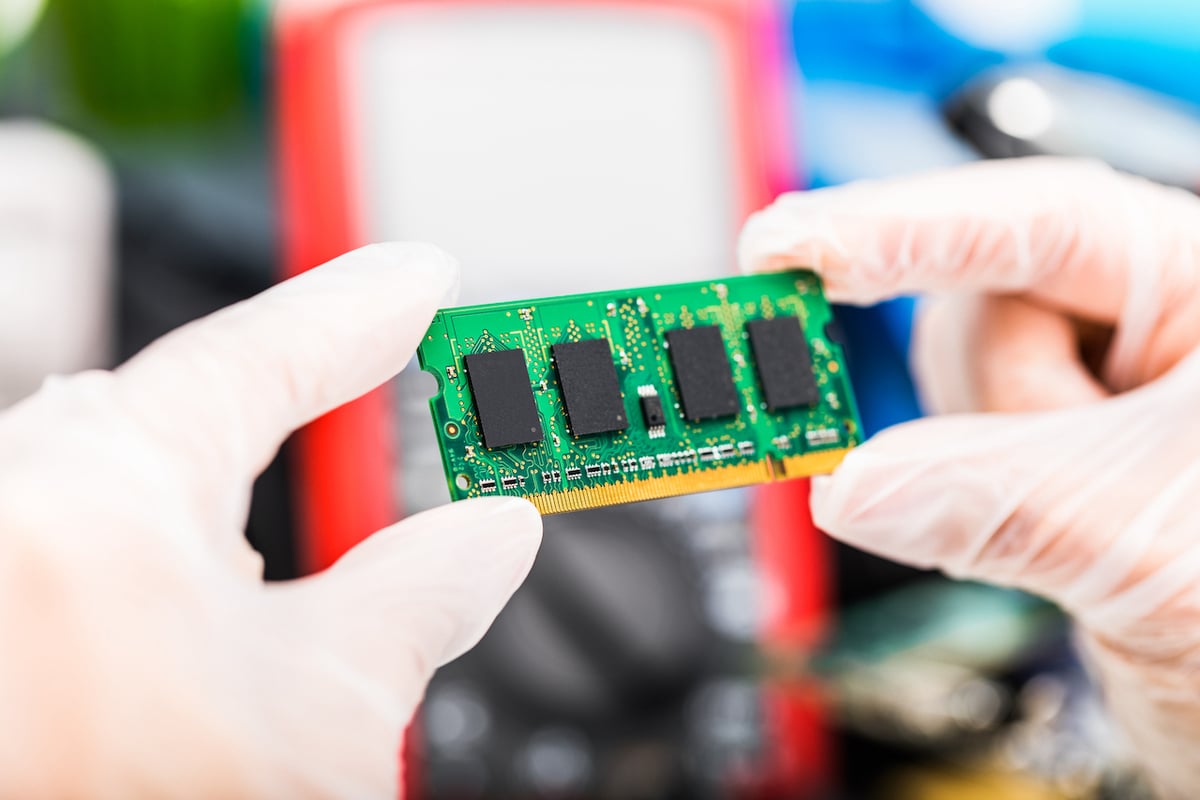
- Surge in Packaging Demand: Nvidia has reserved the majority of TSMC's advanced packaging capacity, particularly for CoWoS technology, which is expected to create a bottleneck in AI chip production efficiency due to rising demand.
- U.S. Packaging Facility Development: TSMC is constructing its first advanced packaging facility in Arizona, which is anticipated to reduce chip delivery times and enhance customer satisfaction while strengthening domestic manufacturing capabilities in the U.S.
- Intel's Collaboration with SpaceX: Elon Musk has chosen Intel for custom chip packaging for SpaceX, indicating Intel's competitiveness in the high-end packaging market, potentially bringing new customers and revenue streams.
- Technological Evolution and Market Pressure: As AI continues to elevate chip performance requirements, advanced packaging technologies like CoWoS and EMIB are becoming critical in chip manufacturing, driving the industry towards 3D packaging solutions to meet future demands.
Trade with 70% Backtested Accuracy
Stop guessing "Should I Buy INTC?" and start using high-conviction signals backed by rigorous historical data.
Sign up today to access powerful investing tools and make smarter, data-driven decisions.
Analyst Views on INTC
Wall Street analysts forecast INTC stock price to fall
29 Analyst Rating
5 Buy
19 Hold
5 Sell
Hold
Current: 123.520

Low
20.00
Averages
39.30
High
52.00
Current: 123.520
Low
20.00
Averages
39.30
High
52.00
About INTC
Intel Corporation is a global designer and manufacturer of semiconductor products. The Company's segments include Intel Products, Intel Foundry, and All Other. Its Intel Products comprise Client Computing Group (CCG) and Data Center and AI (DCAI). CCG delivers platforms and processors that power PCs and edge devices, enabling enhanced performance, connectivity and user experience for consumer and commercial markets with capabilities that also support retail, industrial robotics and AI ecosystems at the edge. DCAI delivers workload-optimized solutions based upon its x86 architecture for data centers, including CPUs, AI accelerators, NICs, IPUs and custom ASICs, enabling performance and scalability for cloud, enterprise, telecommunication and HPC environments. The Intel Foundry segment comprises technology development, manufacturing and foundry services, developing new semiconductor process technologies and advanced packaging technologies. All Other segments include Mobileye and Other.
About the author

Emily J. Thompson
Emily J. Thompson, a Chartered Financial Analyst (CFA) with 12 years in investment research, graduated with honors from the Wharton School. Specializing in industrial and technology stocks, she provides in-depth analysis for Intellectia’s earnings and market brief reports.

Intel Poised to Benefit from Rising Demand for Data Center CPUs

- Rising Demand for Data Center CPUs: Intel's stock has surged 225% year-to-date and 498% over the past year, reflecting strong market confidence in its growth potential as demand for data center CPUs increases.
- Foundry Business Progress: Intel has secured significant partnerships with Apple, Alphabet, SpaceX, and Tesla's Terafab project, which are expected to dramatically boost sales to third-party customers in its foundry business.
- Ongoing Competitive Pressures: Despite a 7% year-over-year revenue growth to $13.58 billion in Q1, surpassing analyst expectations, Intel continues to lose market share in PC and server CPUs to AMD and Arm architectures, indicating persistent competitive challenges.
- Uncertain Profitability Outlook for Foundry: The foundry unit reported a $2.4 billion loss last quarter, and while third-party orders are increasing, the path to profitability remains uncertain, suggesting potential continued losses in the near term.
See More

Intel Stock Soars Amid Optimism for AI Future
- Stock Surge: Intel's share price has surged 225% year-to-date and 498% over the past 12 months, reflecting strong market confidence in its potential within the AI sector, despite ongoing cost-cutting and efficiency measures.
- AI Market Opportunities: Intel is well-positioned in the AI market as CPUs take on a larger share of AI workloads, with expectations to benefit from a $200 billion AI CPU market, alleviating competitive pressures in the high-end GPU space.
- Foundry Business Growth: Intel's partnerships with major players like Apple, Alphabet, SpaceX, and Tesla indicate a promising increase in its foundry business, and if its 14A process secures high-margin repeat contracts, it could justify a substantial valuation premium.
- Ongoing Competitive Pressures: While Intel has potential growth opportunities in AI infrastructure, its core chip design business faces market share losses to AMD and Arm architectures, and significant uncertainty remains regarding the profitability path of its foundry unit.
See More

Snowflake Secures $6 Billion Commitment from Amazon for AI Services

- Major Partnership Agreement: Snowflake has secured a $6 billion spending commitment from Amazon Web Services, planning to utilize Amazon's custom silicon and AI chips over the next five years, significantly enhancing its technological capabilities in the AI sector.
- Strong Financial Performance: In its fiscal Q1 2024 report, Snowflake posted an adjusted earnings per share of $0.39 and revenue of $1.39 billion, reflecting a 33% year-over-year increase and surpassing analyst expectations, indicating sustained growth momentum.
- Optimistic Market Outlook: The company anticipates a 12.5% adjusted operating margin for fiscal Q2 2024, with product revenue projected between $1.415 billion and $1.420 billion, underscoring strong demand and profitability in the AI market.
- Acquisition of AI Startup: Snowflake also announced the acquisition of AI startup Natom for an undisclosed amount, further solidifying its strategic positioning in the AI landscape and demonstrating its commitment to future technological advancements.
See More

Snowflake Commits $6 Billion to AWS Over Five Years


- Increased Investment: Snowflake has committed to spending $6 billion on AWS over the next five years, a significant increase from the $1.2 billion deal disclosed at its 2020 IPO, indicating a deepening reliance on cloud services that is expected to drive business growth.
- Technology Upgrade: The agreement includes the use of AWS's Graviton chips and graphics processing units, aimed at enhancing Snowflake's computing capabilities in artificial intelligence, thereby strengthening its competitive position and meeting customer demands for high-performance computing.
- Positive Market Reaction: Following the announcement of its financial results, Snowflake's stock surged 25% in after-hours trading, reporting adjusted earnings of $0.39 per share, exceeding analyst expectations of $0.32, reflecting investor confidence in the company's growth potential.
- Industry Trend: As more companies turn to AWS for advanced technologies, Snowflake's investment not only reflects its strategic shift but also highlights the rapid development of the cloud computing market in the AI sector, potentially attracting more customers and investments.
See More

Analysis of Investment Opportunities in Data Centers


- Portfolio Risk Assessment: The current portfolio has approximately 47% exposure to AI and data centers, which, while considered risky in a diversified strategy, reflects a strong confidence in the explosive growth of data centers.
- Semiconductor Stock Recommendations: With a forward P/E ratio of about 10, Micron still has room to rise, and AMD, Marvell, and Intel are also recommended due to their strong performance in CPUs and GPUs, potentially driving investment returns further.
- Storage and AI Hardware Investments: In the storage sector, Sandisk, Seagate, and Western Digital remain noteworthy stocks, while Dell's competitiveness in the AI hardware market makes it an attractive investment choice, expected to continue its growth trajectory.
- Investment Strategy and Discipline: Despite the confidence in data center investment opportunities, Jim Cramer emphasizes maintaining responsible diversification in managing the charitable trust to avoid over-concentration in any single stock, thereby mitigating potential risks.
See More

Goldman Sachs' Hedge Fund VIP List Includes Micron Technology


- Hedge Fund Favoritism: Micron Technology has made it to Goldman Sachs' coveted Hedge Fund VIP list, indicating strong interest from professional traders in its data and storage chips, reflecting optimistic market expectations for future growth.
- Outstanding Market Performance: The VIP basket has risen 10% year-to-date, outperforming the S&P 500's 9% gain, suggesting that hedge fund investment strategies are excelling in the current market environment, thereby boosting investor confidence in Micron.
- Stock Surge: Micron's shares soared 19% on Tuesday alone, pushing its market value past $1 trillion for the first time, primarily driven by insatiable AI demand for its memory chips, showcasing the company's competitiveness in emerging technologies.
- Analyst Optimism: UBS has tripled its price target on Micron to $1,625, believing that the market will start to assign a more 'normal' multiple to the stock, indicating that it is likely to continue rising as structural changes driven by AI unfold.
See More
Intel Poised to Benefit from Rising Demand for Data Center CPUs
- Rising Demand for Data Center CPUs: Intel's stock has surged 225% year-to-date and 498% over the past year, reflecting strong market confidence in its growth potential as demand for data center CPUs increases.
- Foundry Business Progress: Intel has secured significant partnerships with Apple, Alphabet, SpaceX, and Tesla's Terafab project, which are expected to dramatically boost sales to third-party customers in its foundry business.
- Ongoing Competitive Pressures: Despite a 7% year-over-year revenue growth to $13.58 billion in Q1, surpassing analyst expectations, Intel continues to lose market share in PC and server CPUs to AMD and Arm architectures, indicating persistent competitive challenges.
- Uncertain Profitability Outlook for Foundry: The foundry unit reported a $2.4 billion loss last quarter, and while third-party orders are increasing, the path to profitability remains uncertain, suggesting potential continued losses in the near term.
See More
Intel Stock Soars Amid Optimism for AI Future
- Stock Surge: Intel's share price has surged 225% year-to-date and 498% over the past 12 months, reflecting strong market confidence in its potential within the AI sector, despite ongoing cost-cutting and efficiency measures.
- AI Market Opportunities: Intel is well-positioned in the AI market as CPUs take on a larger share of AI workloads, with expectations to benefit from a $200 billion AI CPU market, alleviating competitive pressures in the high-end GPU space.
- Foundry Business Growth: Intel's partnerships with major players like Apple, Alphabet, SpaceX, and Tesla indicate a promising increase in its foundry business, and if its 14A process secures high-margin repeat contracts, it could justify a substantial valuation premium.
- Ongoing Competitive Pressures: While Intel has potential growth opportunities in AI infrastructure, its core chip design business faces market share losses to AMD and Arm architectures, and significant uncertainty remains regarding the profitability path of its foundry unit.
See More
Snowflake Secures $6 Billion Commitment from Amazon for AI Services
- Major Partnership Agreement: Snowflake has secured a $6 billion spending commitment from Amazon Web Services, planning to utilize Amazon's custom silicon and AI chips over the next five years, significantly enhancing its technological capabilities in the AI sector.
- Strong Financial Performance: In its fiscal Q1 2024 report, Snowflake posted an adjusted earnings per share of $0.39 and revenue of $1.39 billion, reflecting a 33% year-over-year increase and surpassing analyst expectations, indicating sustained growth momentum.
- Optimistic Market Outlook: The company anticipates a 12.5% adjusted operating margin for fiscal Q2 2024, with product revenue projected between $1.415 billion and $1.420 billion, underscoring strong demand and profitability in the AI market.
- Acquisition of AI Startup: Snowflake also announced the acquisition of AI startup Natom for an undisclosed amount, further solidifying its strategic positioning in the AI landscape and demonstrating its commitment to future technological advancements.
See More
Snowflake Commits $6 Billion to AWS Over Five Years
- Increased Investment: Snowflake has committed to spending $6 billion on AWS over the next five years, a significant increase from the $1.2 billion deal disclosed at its 2020 IPO, indicating a deepening reliance on cloud services that is expected to drive business growth.
- Technology Upgrade: The agreement includes the use of AWS's Graviton chips and graphics processing units, aimed at enhancing Snowflake's computing capabilities in artificial intelligence, thereby strengthening its competitive position and meeting customer demands for high-performance computing.
- Positive Market Reaction: Following the announcement of its financial results, Snowflake's stock surged 25% in after-hours trading, reporting adjusted earnings of $0.39 per share, exceeding analyst expectations of $0.32, reflecting investor confidence in the company's growth potential.
- Industry Trend: As more companies turn to AWS for advanced technologies, Snowflake's investment not only reflects its strategic shift but also highlights the rapid development of the cloud computing market in the AI sector, potentially attracting more customers and investments.
See More
Analysis of Investment Opportunities in Data Centers
- Portfolio Risk Assessment: The current portfolio has approximately 47% exposure to AI and data centers, which, while considered risky in a diversified strategy, reflects a strong confidence in the explosive growth of data centers.
- Semiconductor Stock Recommendations: With a forward P/E ratio of about 10, Micron still has room to rise, and AMD, Marvell, and Intel are also recommended due to their strong performance in CPUs and GPUs, potentially driving investment returns further.
- Storage and AI Hardware Investments: In the storage sector, Sandisk, Seagate, and Western Digital remain noteworthy stocks, while Dell's competitiveness in the AI hardware market makes it an attractive investment choice, expected to continue its growth trajectory.
- Investment Strategy and Discipline: Despite the confidence in data center investment opportunities, Jim Cramer emphasizes maintaining responsible diversification in managing the charitable trust to avoid over-concentration in any single stock, thereby mitigating potential risks.
See More
Goldman Sachs' Hedge Fund VIP List Includes Micron Technology
- Hedge Fund Favoritism: Micron Technology has made it to Goldman Sachs' coveted Hedge Fund VIP list, indicating strong interest from professional traders in its data and storage chips, reflecting optimistic market expectations for future growth.
- Outstanding Market Performance: The VIP basket has risen 10% year-to-date, outperforming the S&P 500's 9% gain, suggesting that hedge fund investment strategies are excelling in the current market environment, thereby boosting investor confidence in Micron.
- Stock Surge: Micron's shares soared 19% on Tuesday alone, pushing its market value past $1 trillion for the first time, primarily driven by insatiable AI demand for its memory chips, showcasing the company's competitiveness in emerging technologies.
- Analyst Optimism: UBS has tripled its price target on Micron to $1,625, believing that the market will start to assign a more 'normal' multiple to the stock, indicating that it is likely to continue rising as structural changes driven by AI unfold.
See More